Wildfowl & Wetlands Trust (WWT)

March podcast: birdsong and trees

Blackthorn in bloom - Richard Bullock

Blackthorn in bloom - Richard Bullock

As the temperature rises the birds around the reserve have started singing – we have a few tips to help you identify some common species.

We’re also taking a look at trees and the benefits they provide for wildlife and people.
March-at-WWT-London-Wetland-Centre by WWT London
You can also listen and subscribe to the London Wetland Centre podcast on iTunes

Find out more
You can see our latest wildlife sightings here
Gardening for wildlife weekend 24 -25 March

Previous podcasts
February 2012 – Simon King and seasonal wildlife
January 2012 – Wetland science
December 2011 – Bill Oddie on wetlands and what to look out for in December
November 2011 – Peregrine update, wildlife photography and November wildlife

This entry was posted in London diary. Bookmark the permalink.

Todays Sightings

Wader Lake

Lapwing  15 

Oystercatcher  4

Shelduck  18

Wigeon  12

Teal  37

Mallard  42

Heron  36

Canada Goose  2

Greylag  4


Reservoir

Greylag  6

Tufted Duck  12

Shelduck  4

Coot  4


Hawthorn Wood 

Pheasant  11

Blue Tit  6

Bullfinch  5

Great Tit  4

Coal Tit  1

Great Spotted Woodpecker  1


This entry was posted in Washington sightings. Bookmark the permalink.

Today’s sightings

Sinensis or Continental Cormorant. One of at least 4 on the South lake currently JSLees WWT

The Knott Pool

Lesser Scaup 1 female

The Rushy

Bewick's Swan 111

The Holden Tower

White-fronted Goose 148
Peregrine 1
Buzzard 2

The Tack Piece

Oystercatcher 4
Wigeon 80
Shoveler 40

The Asian Pen

Siskin 3

The South Lake

Common Gull 2
Cormorant 8

This entry was posted in Slimbridge sightings. Bookmark the permalink.

Claims for Spring?

Very pleasant conditions today, even more spring like, although the traditional start to spring (21st March) is sometime away and the reserve is still packed with winter visitors.

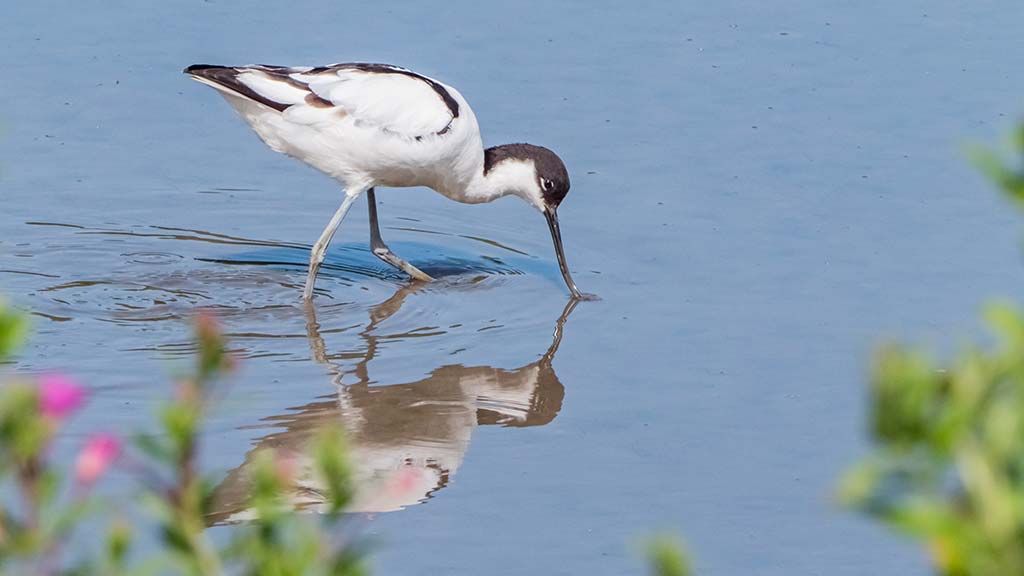
Five Redshank at the back of the Mere are further signs that a change is on the way. Other waders included a big influx of Avocet now at 35 birds, 95 Oystercatcher, 33 Black-tailed Godwit, over 1500 Lapwing, 50+ Ruff, 9 Ringed Plover, 7 Dunlin and a few Common Snipe and Curlew.

Raptors included Ring-tailed Hen Harrier, 4 Marsh Harrier, 2 Common Buzzard, Kestrel and Sparrowhawk.

The Janet Kear Hide feeding station was productive with male Brambling, male Siskin, Willow Tit and Treecreeper.

The Black-headed Gull roost in front of the Ron Barker Hide is approaching 4000 birds.

Yesterday's swan catch managed 26 Whoopers and 40 assorted wildfowl including, Pochard, Pintail, Wigeon, Shelduck and Mallard.

The moth trap contained a few early flying species including March Moth, Dotted Border, Hebrew Character and Clouded Drab.

AB

https://www.facebook.com/wwtmartinmere


This entry was posted in Martin Mere sightings. Bookmark the permalink.

Wildlife sightings for 29th February 2012

3 Pintail – main lake

60 Wigeon – marsh, scrape

192 Cormorant – main lake

1 Peregrine – on building across river

1 Kingfisher – perched on fence by car park ditch

5 Cetti's Warbler – site count


Recent bird highlights: Bittern, Peregrine, Buzzard, Green Sandpiper, Jack Snipe, Woodcock, Golden Plover, Dunlin, Caspian Gull and Bearded Tit.


The grazing marsh is currently in flood and attracting large numbers of Teal, Gadwall, Snipe, Pintail and Wigeon. Jack Snipe can also be found on the marsh, along with Stonechat and occasional Pipit species.


Small flocks of Siskin, Goldfinch, Lesser Redpoll and Mealy Redpoll are feeding amongst the Alder and Birch trees. Redwing and Fieldfare numbers have risen dramatically with most choosing to feed on the berry-laden Holly trees and Hawthorns near the entrance lake.


The first Bitterns arrived mid-October and now up to 3 can be found anywhere on the reed fringes of the main lake, sheltered lagoon, reservoir lagoon or main reedbed.


Look out for possible Scaup amongst the Tufted Duck flocks. The cold weather is displacing many species so that any irregular species could show up on the reserve.


Cetti’s Warbler are becoming more vocal at present with at least 7 birds to be found across the reserve. Skylark are flying through with the occasional bird landing on the marsh.


Flowering plants: Marsh Marigold, Hazel catkins, Willow sp. (in leaf), Blackthorn, Hawthorn (in leaf).

This entry was posted in London sightings. Bookmark the permalink.

Nene activity increases.

The Nene are just loving the mild weather, and no fewer than 17 gorgeous girls have already sat down to incubate their precious eggs. Most of these birds are good solid favourites of mine, and include many adopted birds including AUS, AYA, AXN, BBC, BBH, AUD amongst many more.

Sadly AUS and AXA (top photo) are yet to properly locate their nest. After creating an improptu and exemplary nest in the old Andean pen in 2011, they found their way to the Tundra in 2012 followed by a unexpected relocation to the Canoe long ground pool! AXA has completely lost her gravid rear end and they are starting to look like breeding may not be on the cards for them this year. The joy of ‘being on a hill’ in the tundra pen (the near equivalent of a Nene’s primordial life’s purpose) was clearly not enough! Their Tundra territory has now been claimed by new couple BEJ and AXD, who look set to make full use of the undergrowth nesting facilities…

Nene are incredibly fussy and show incredibly nest fidelity every season. I would go so far as to say that 80% of females are sat within 10 feet of their 2011 nest sites in 2012. BBH is snuggled up very close to her traditional spot by the South Lake hide, BCB has sat down exactly on her traditional spot by the Loop pump, and ALT and ALH (seen being fed by Maja) are claiming their favourite spot by the benches in the Canoe safari.

BBT gave me an absolute photographic treat when I found him in full defense mode, stood completely erect on a log adjacent BCB’s nest. Never has a female been better protected… This comes in complete contast to his first marriage to BBU, who left him in 2010 for BBS in the first of many 2010 divorces well worthy of a soap opera!

Stay tuned for all the new couples, contraversial trios, familial dramas, and fights and feuds.

This entry was posted in Duck diary. Bookmark the permalink.

Dawn Swan Count

This entry was posted in Welney sightings. Bookmark the permalink.

Todays Sightings

Wader Lake

Wigeon – 8

Shoveler – 3

Teal – 46

Shelduck – 28

Canada Goose – 5

Greylag – 4

Mallard – 61

Grey Heron – 45 (9 pairs) 

Lapwing – 25

Redshank – 14

Oystercatcher – 5

Hawthorn Wood

Bullfinch – 17

Chaffinch – 11

Goldfinch – 5

Long Tailed Tit – 7

Reed Bunting – 2

Other Birds

Song Thrush – North Wood – 2

Jay – Site Count – 3

Mute Swan – Flew over site – 2

Grey Wagtail – Stream Channel – 1

Siskin – River Footpath – 9

This entry was posted in Washington sightings. Bookmark the permalink.

Some sightings

A very murky start with misty rain limiting viewing for the first few hours. The Mere was quiet early on due to the annual swan catch, although everything looked back to normal by the afternoon feed. We didn't receive any feedback about the catch but hopefully we will be able to tell you how it went tomorrow.

A peak count of 18 Avocet again mid afternoon. Other wader counts included 52 Oystercatcher, 4 Ringed Plover, 20+ Black-tailed Godwit and 700+ Lapwing.

Plenty of activity around the feeding stations. Many of these birds will be from mainland Europe, so very keen to feed up for the journey back to the breeding grounds. Some like todays Willow Tit will be from local origin.

The 'usual' raptors included 4 Marsh Harrier, Peregrine, 3 Common Buzzard, 2 Sparrowhawk and Kestrel.

AB

https://www.facebook.com/wwtmartinmere

This entry was posted in Martin Mere sightings. Bookmark the permalink.

Wildlife sightings for 28th February 2012

2 Bittern

1 Shelduck – scrape

2 Pintail – main lake

9 Snipe – main lake, grazing marsh

1 Stonechat – grazing marsh

5 Cetti's Warbler – site count

6 Lesser Redpoll – waterlife


Recent bird highlights: Bittern, Peregrine, Buzzard, Green Sandpiper, Jack Snipe, Woodcock, Golden Plover, Dunlin, Caspian Gull and Bearded Tit.


The grazing marsh is currently in flood and attracting large numbers of Teal, Gadwall, Snipe, Pintail and Wigeon. Jack Snipe can also be found on the marsh, along with Stonechat and occasional Pipit species.


Small flocks of Siskin, Goldfinch, Lesser Redpoll and Mealy Redpoll are feeding amongst the Alder and Birch trees. Redwing and Fieldfare numbers have risen dramatically with most choosing to feed on the berry-laden Holly trees and Hawthorns near the entrance lake.


The first Bitterns arrived mid-October and now up to 3 can be found anywhere on the reed fringes of the main lake, sheltered lagoon, reservoir lagoon or main reedbed.


Look out for possible Scaup amongst the Tufted Duck flocks. The cold weather is displacing many species so that any irregular species could show up on the reserve.


Cetti’s Warbler are becoming more vocal at present with at least 7 birds to be found across the reserve. Skylark are flying through with the occasional bird landing on the marsh.


Flowering plants: Marsh Marigold, Hazel catkins, Willow sp. (in leaf), Blackthorn, Hawthorn (in leaf).

This entry was posted in London sightings. Bookmark the permalink.