
Blog
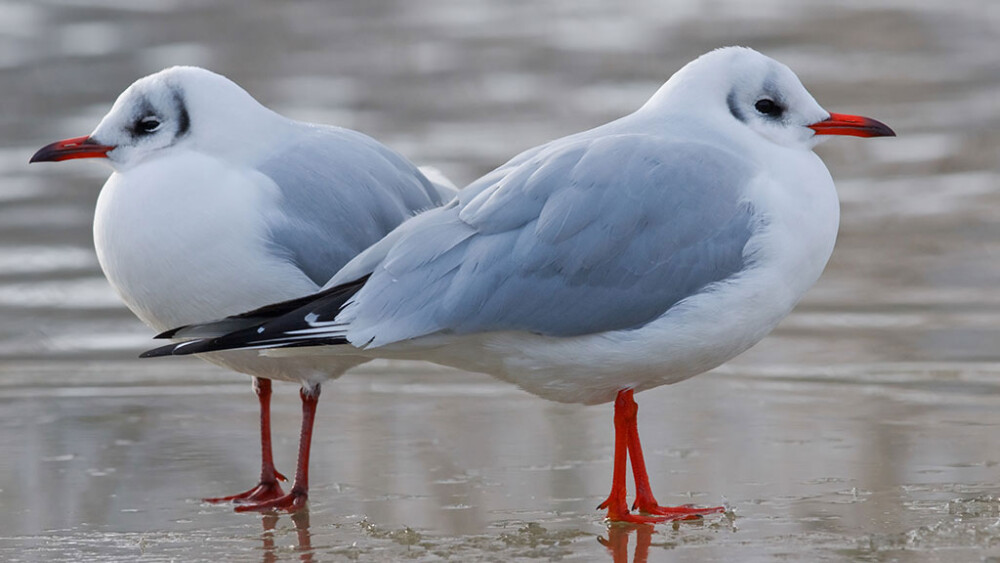
Spotter’s guide to winter gulls
The UK has a range of beautiful and fascinating gulls, yet they are often underrated. Dominic Couzens sets the record straight and helps make winter gull ID easy.
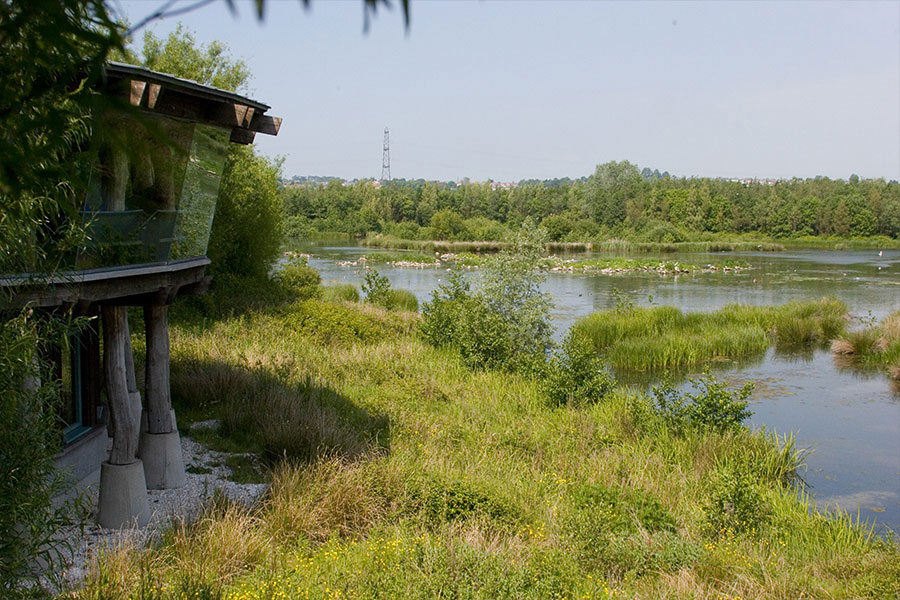
Wetlands vs climate change
Wetlands are our vital allies in tackling the climate emergency, but to give us a fighting chance they need our protection. That's where WWT comes in...
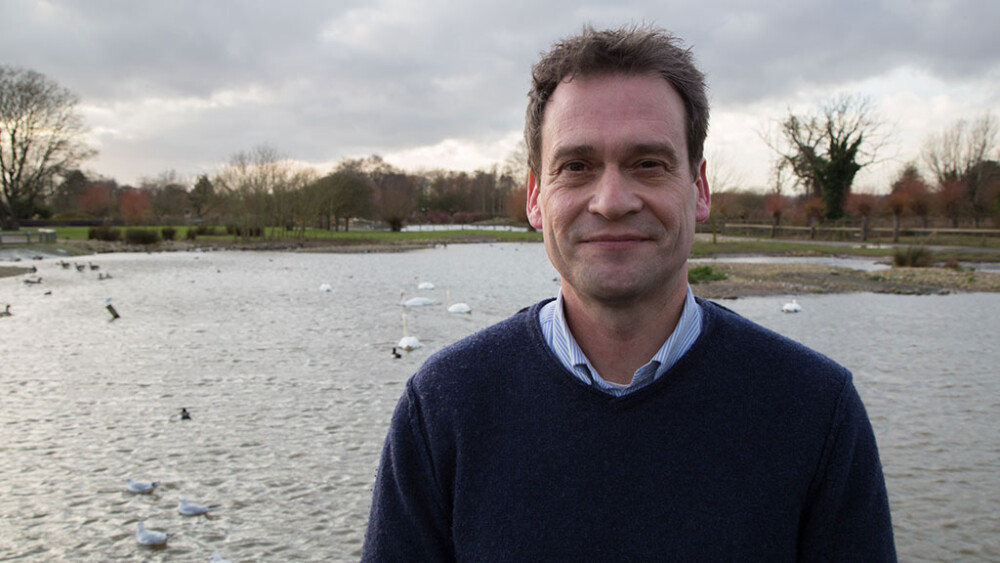
Happy birthday WWT!
As we celebrate our 80th birthday (yes, we know we don't look a day over 20), Kevin Peberdy – WWT Chief Operating Officer – looks back at some of his best moments.
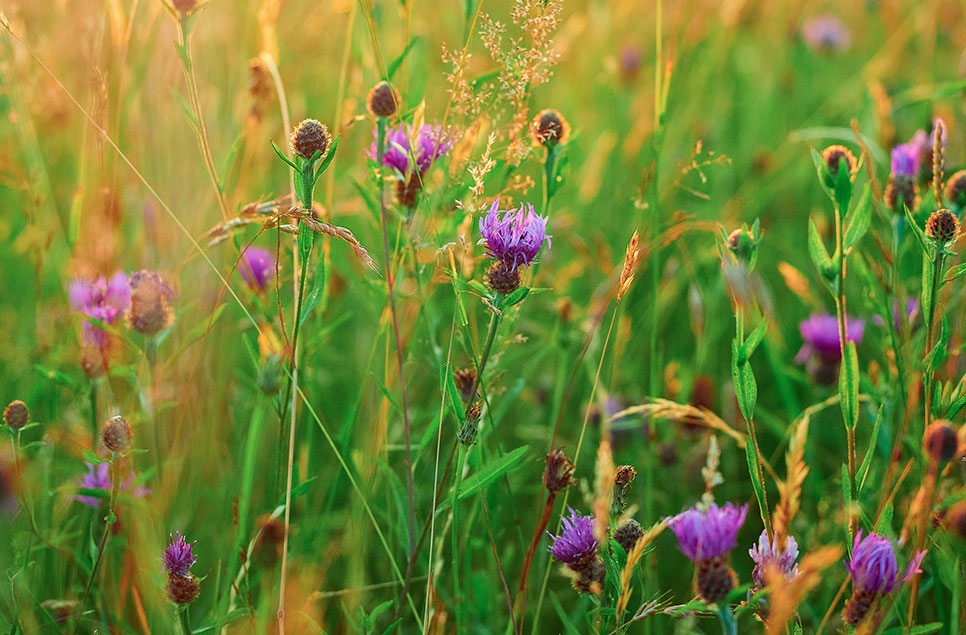
How to create a wetland wildflower meadow: A blooming brilliant guide
Got a tricky patch in your garden where nothing seems to thrive — maybe it's always damp, or a bit boggy. Instead of fighting it, why not work with what you've got?

COP15 has ended – what does this mean for wetlands?
At Victoria Falls in Zimbabwe, 172 contracting parties met to discuss the degradation of wetland ecosystems. Here we take a look at the key outcomes for wetlands, people and wildlife.
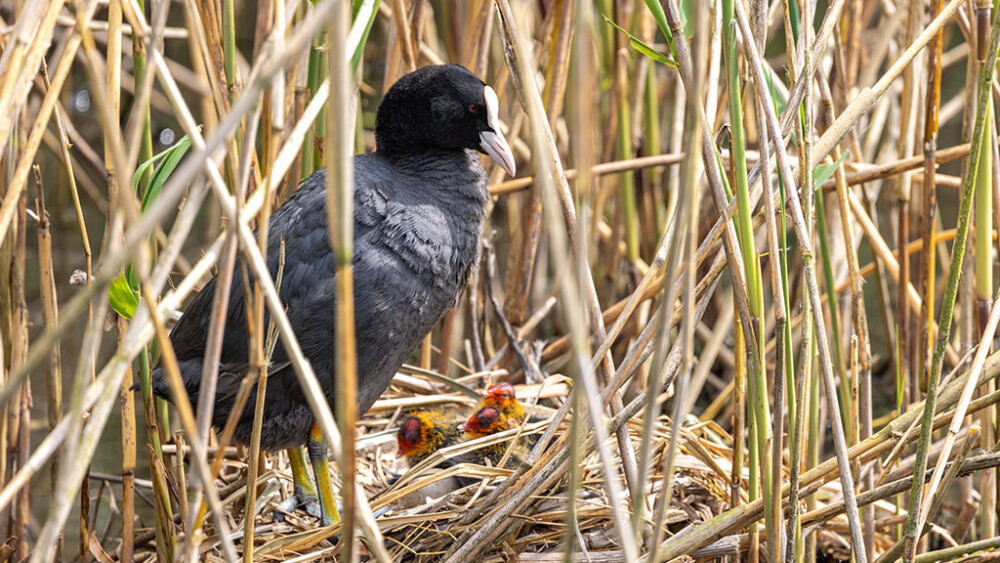
Wild about coots
Our must-see wild spectacle of the winter is coots. Next time you visit, watch out for these fierce and feisty waterbirds.

Science in action: All-seeing eyes in the skies
High-resolution satellite imagery of Earth looks set to revolutionise the way we monitor and protect wetlands around the world. Here's how...
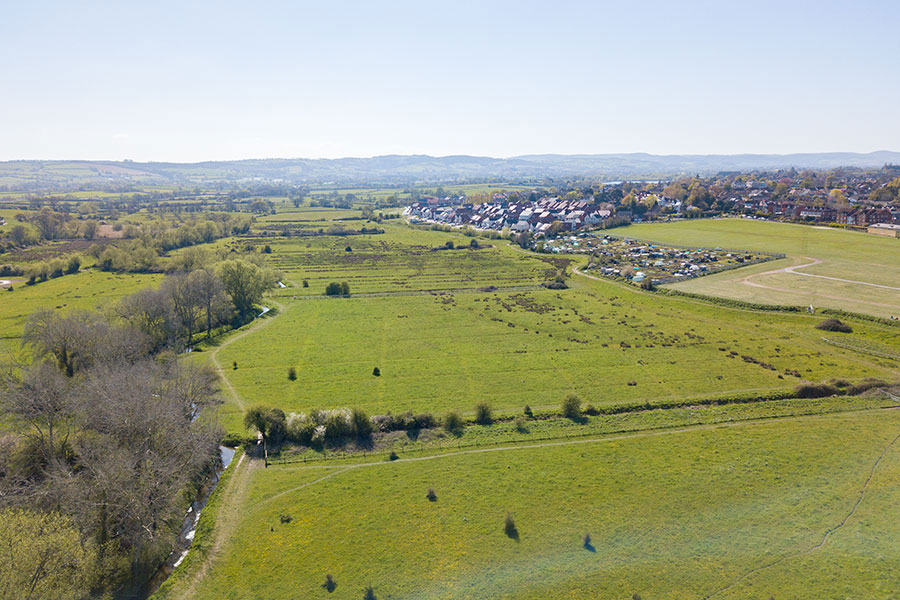
Restoring Somerset's wetlands
Sarah Fowler, WWT Chief Executive, meets some of the people coming together to restore and enhance Somerset's unique wetland nature reserves.
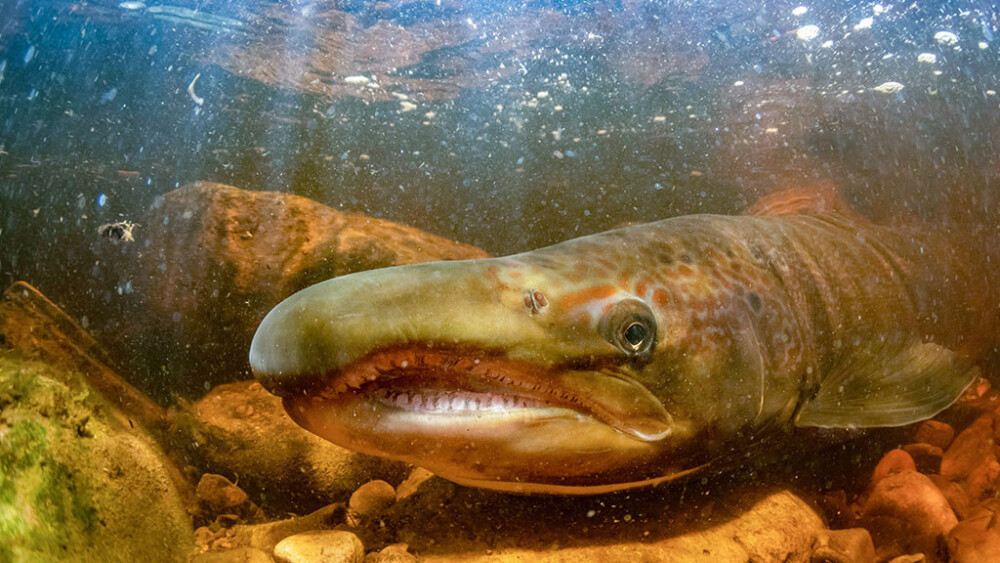
Freeing fish to migrate
Migratory fish face many obstacles along their journeys, so we’re stepping in to help by reconnecting waterscapes. The Severn Estuary performs a vital role as a superhighway, and we’re taking action to give fish back their freedom.
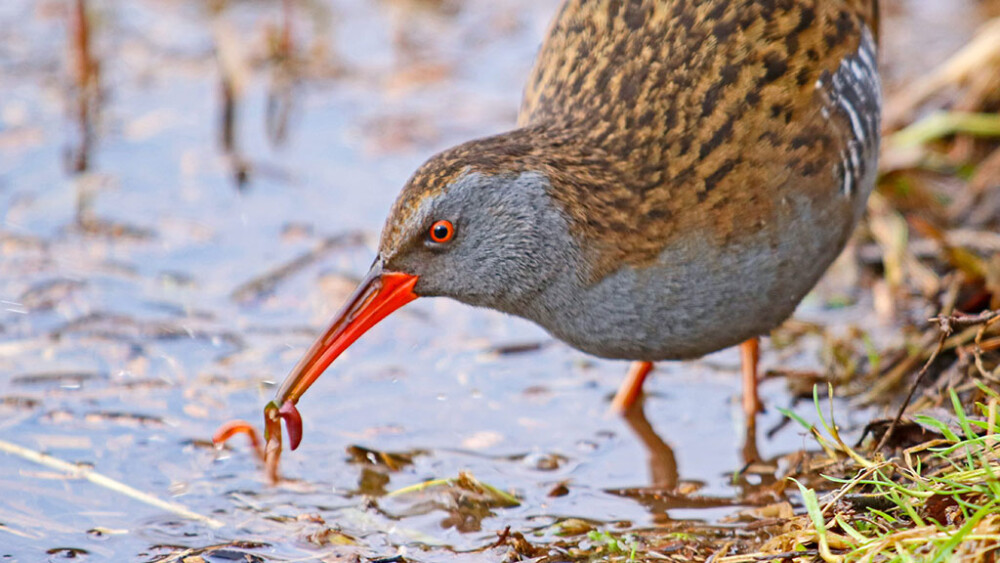
One to watch… water rail
If you’re very patient this winter, you could be rewarded with the sight of one of Britain’s more elusive wetland birds at your local WWT centre.
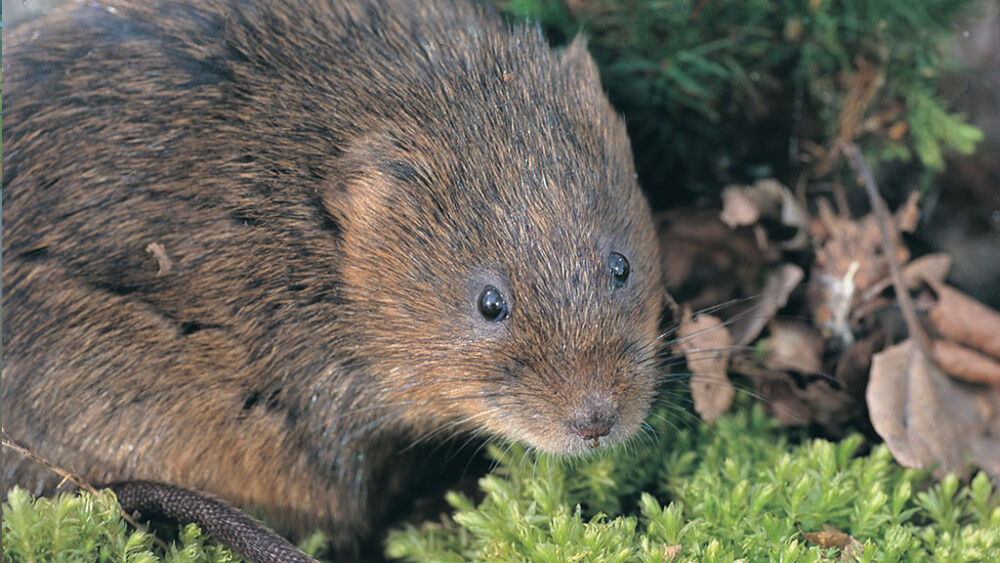
Water voles
Our wetlands offer the perfect home to help this lovable species fight back against a serious decline. Learn more about them and three signs to spot one.
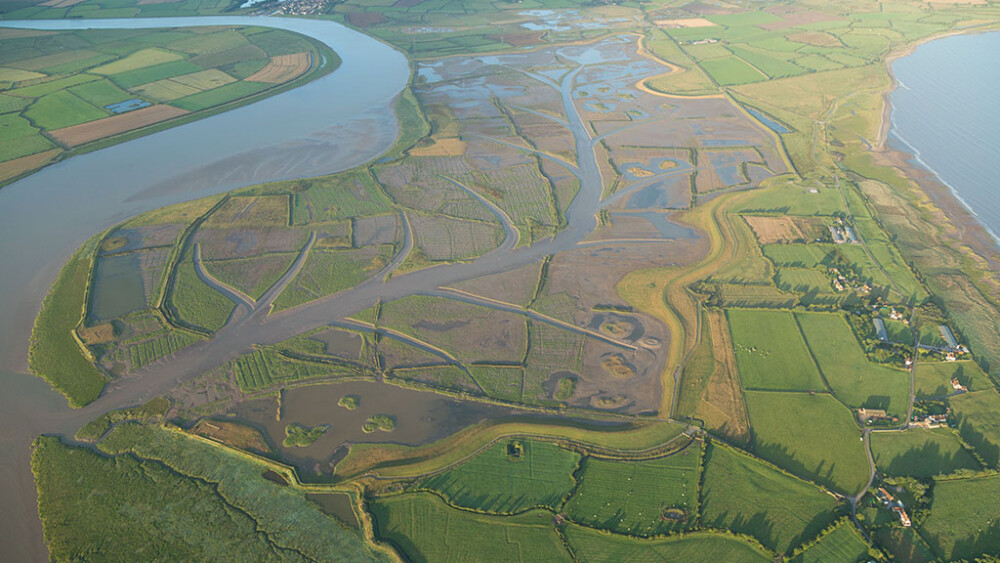
Return to Steart Marshes
Author and naturalist Simon Barnes initially visited the wetlands at Steart Marshes soon after they were created, he returned years later to see what's changed – and revels in the volatility of this coastal marsh.
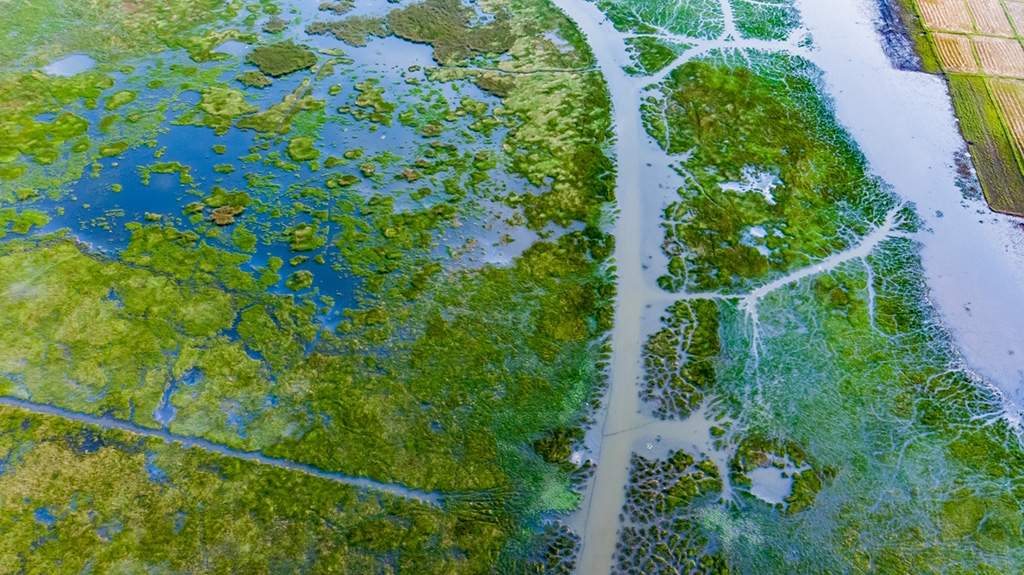
What is Wetlands COP?
WWT’s commitment to protecting wetlands and wetland wildlife extends beyond borders. Here we dive into the international conference set up to protect these superpowered habitats.
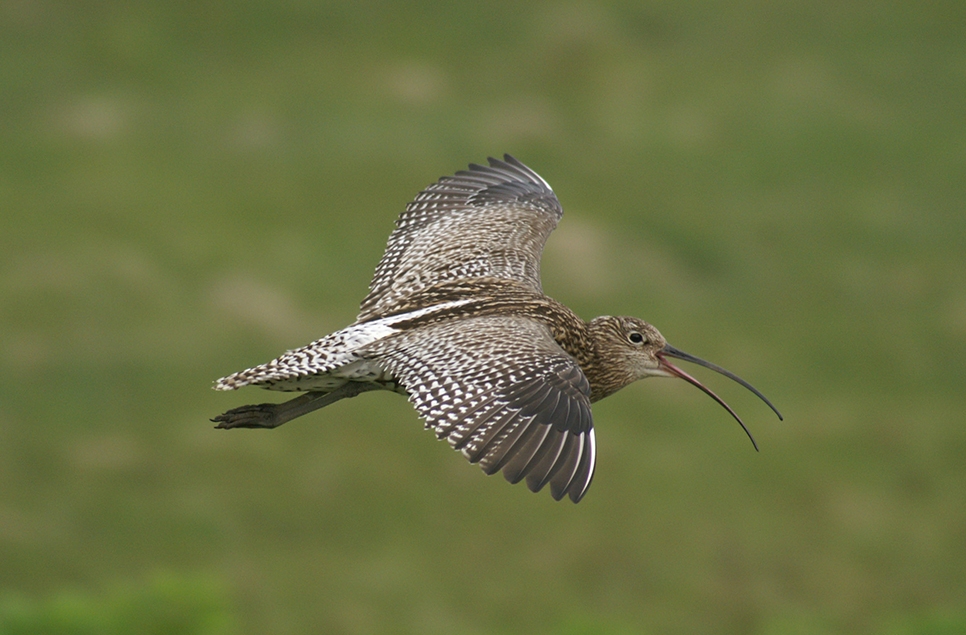
Curlew chronicles: A dry spring brings a burst of new life in the Severn and Avon Vales
Britain holds a quarter of the world’s curlew population. But in our changing landscapes, they are increasingly unable to rear chicks. WWT is working to understand why and reverse the decline. So, what have we been up to recently?
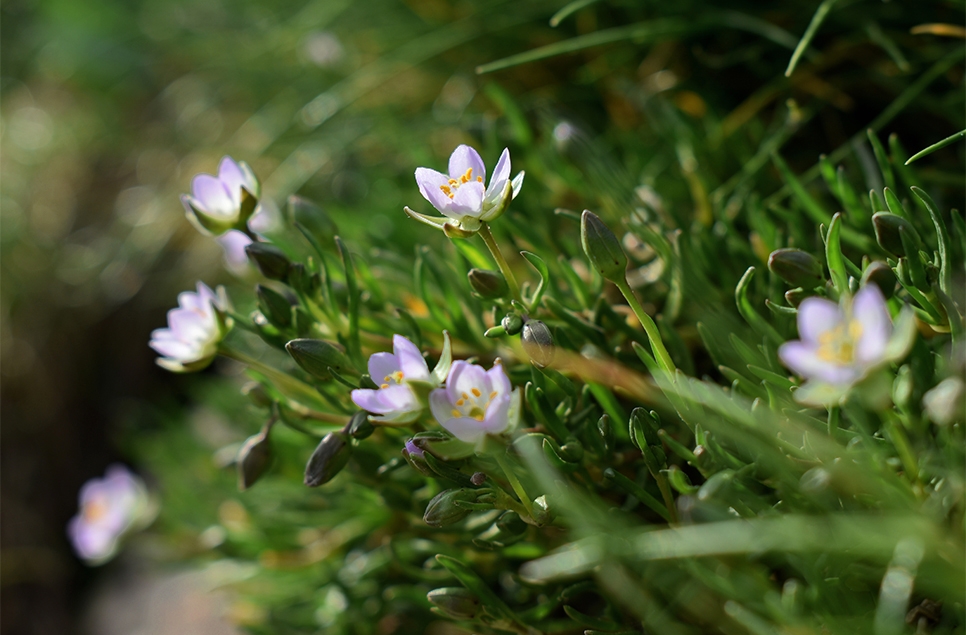
7 superheroes of the saltmarsh
Discover the secret life of saltmarsh plants. These unsung heroes support wildlife, combat climate change and help protect our coasts.