If you’re planning a visit, bring binoculars, wrap up warm, and let the hides do the work: the British Steel Hide for close‑up drama, the Millennium Wetlands for spectacle, the Estuary for sheer numbers, and the Freshwater Lagoon for easy viewing.
Wildlife sightings at WWT Llanelli from 25th to 30th January 2026
Highlights: Otter, Avocet, Pallid Harrier, Marsh Harrier, Hen Harrier
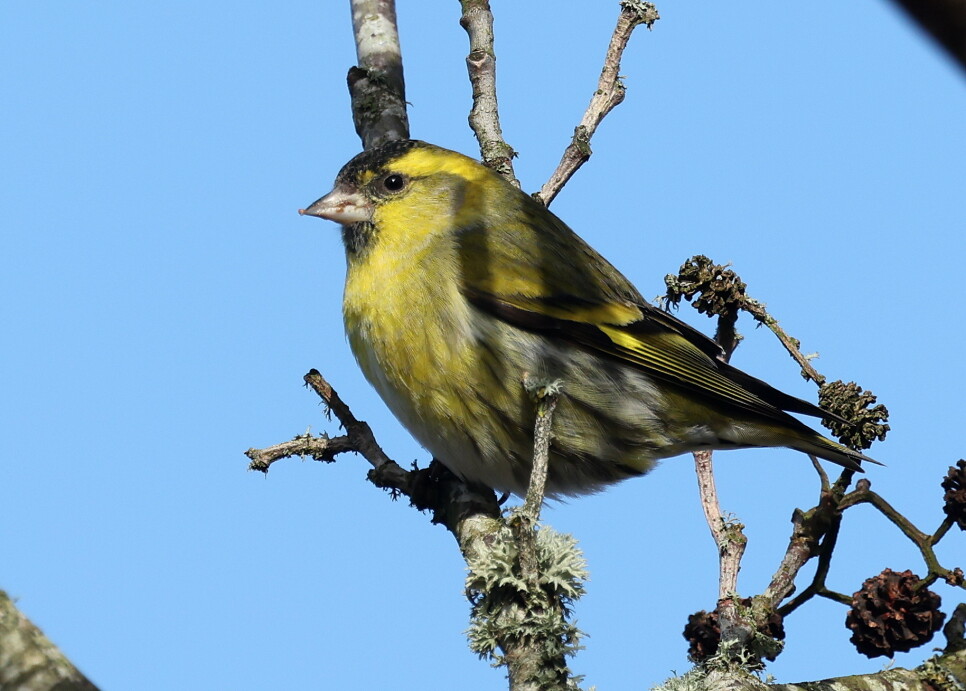
Over in the Millennium Wetlands, a breathtaking flock of up to 300 Lapwing twisted and flickered in unison, their glossy greens and purples catching every shard of winter sun. Among the catkin-sprouting branches of trees nearby, four bright, buzzy Siskin fed like tiny lanterns.
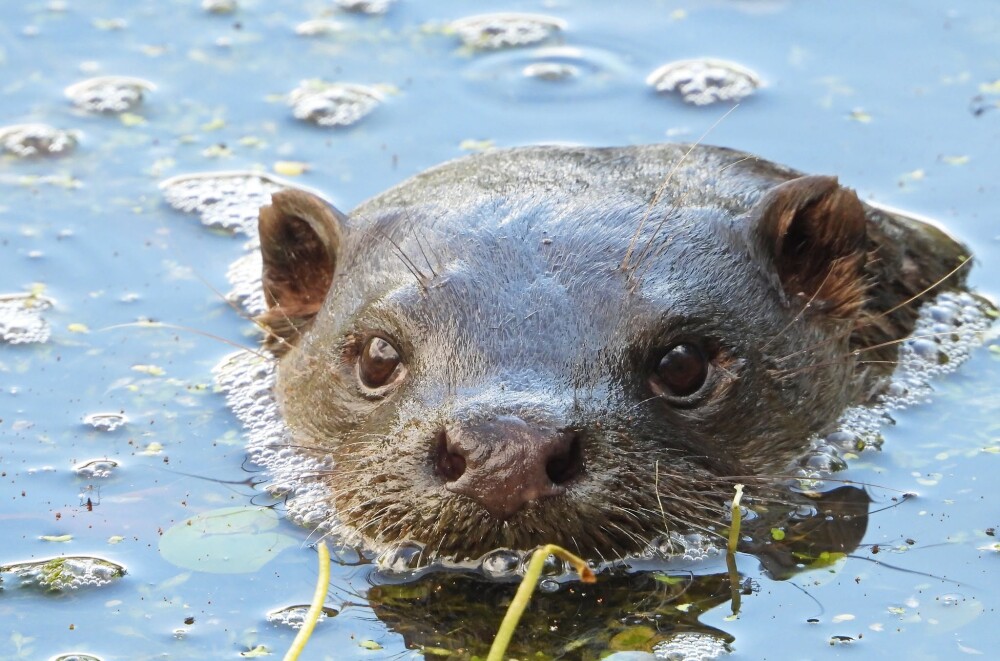
Enjoying the well-stocked waters of Deep Water Lake, the Otter family have been showing up for visitors again, with most sightings reported in mid-afternoon.
From the shelter of the British Steel Hide, the variety has been delicious. Elegant Avocet scythed the shallows beside a dainty Common Sandpiper, while smart drake Pintail and Shoveler cruised with quiet grace. On 28 January, a superb Pink-footed Goose dropped in out on the saltmarsh, tucking itself discreetly among the Greylag Geese — a needle in a grey, honking haystack! Keep scanning; winter still has surprises to give.
And every so often, a hush, then a ripple of excitement as sharp-eyed visitors reported fleeting glimpses of the lingering Pallid Harrier, a stunning spectre slipping low over the marsh.
Raptors have continued to delight and two species wrote one of the week’s most dramatic chapters. A few days ago, WWT volunteer Steve watched a thrilling mid-air stand‑off: Hen Harrier versus Peregrine over the British Steel Hide! A blur of wings, banked turns and wild intent. Elsewhere,the saltmarsh delivered its own adrenaline hits, with zippy Merlin dashes over the tussocks and a buoyant Marsh Harrier quartering the flats and vegetation exposed by low tide. On quieter minutes the reserve breathed again, the kind of calm that makes the next burst of action even sweeter.
The Freshwater Lagoon has offered a gentler rhythm as birds tucked out of the worst of the winds. Here, the standout star has been a sleek Spotted Redshank, all elegance and long lines, picking delicately through the shallows like a 90s supermodel. It’s a wonderful reminder that even the “quiet” corners have showstoppers if you linger and let the water settle.
Out on the open estuary, the scale has been epic. Great black‑and‑white tides of Oystercatcher (c900) flowed along the sand, while tight, glittering swarms of Dunlin (c700) stitched patterns against the wind. Sitting a little offshore, a Great Crested Grebe rode the chop, sleek, self‑possessed and utterly at home on winter water.
And a real behind‑the‑scenes moment: on Tuesday our WWT CEO, Sarah Fowler, joined reserve manager Brian for some hedge laying out in the wetlands. In the height of the gale they witnessed a startling flash and bang as the cable between two pylons snapped after being struck by a tree. Mercifully, no one was hurt. We were without power for a while, but the National Grid team soon had us on a generator and made their swift repairs, and then the wild week rolled on.
Featured Photo Credit: Siskin by Jessica Crumpton