Sometimes we look back through our field notebooks in pure disbelief, as we recall the surprises and marvels we've been lucky enough to witness throughout the seasons.
At WWT Llanelli, 2025 brought spring reedbeds that re-filled with warblers, summer ponds stitched by dragonflies in sunlight, and rare sightings such as a Pacific Golden Plover, and the counties first-ever recorded Temminck's Stint. This was a year of small marvels, big migrations, and daily wonders - and further proof that wetlands are part of the beating heart of nature in Carmarthenshire.
January
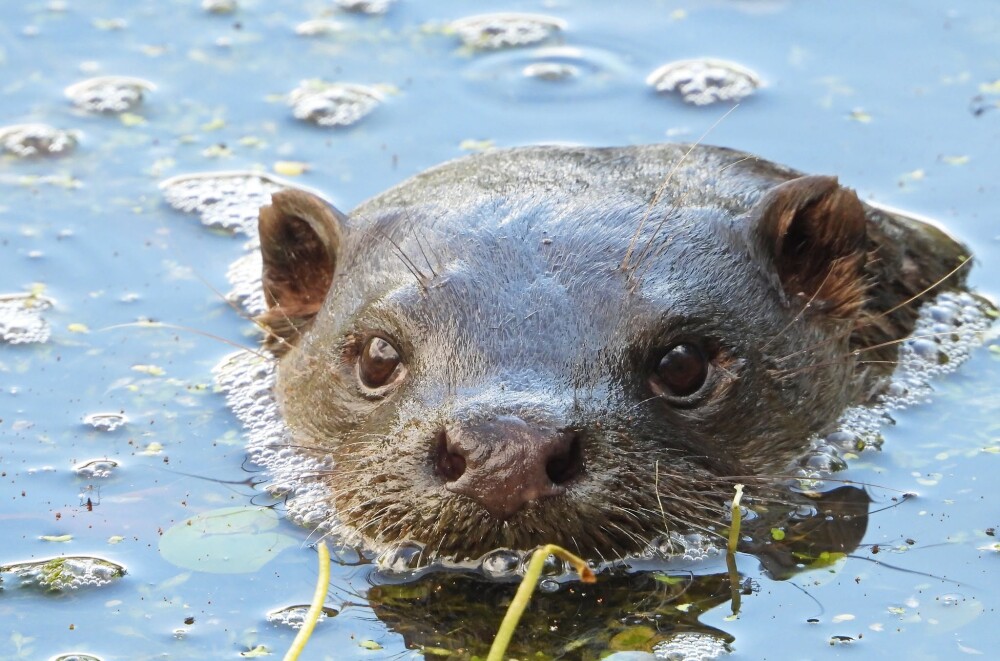
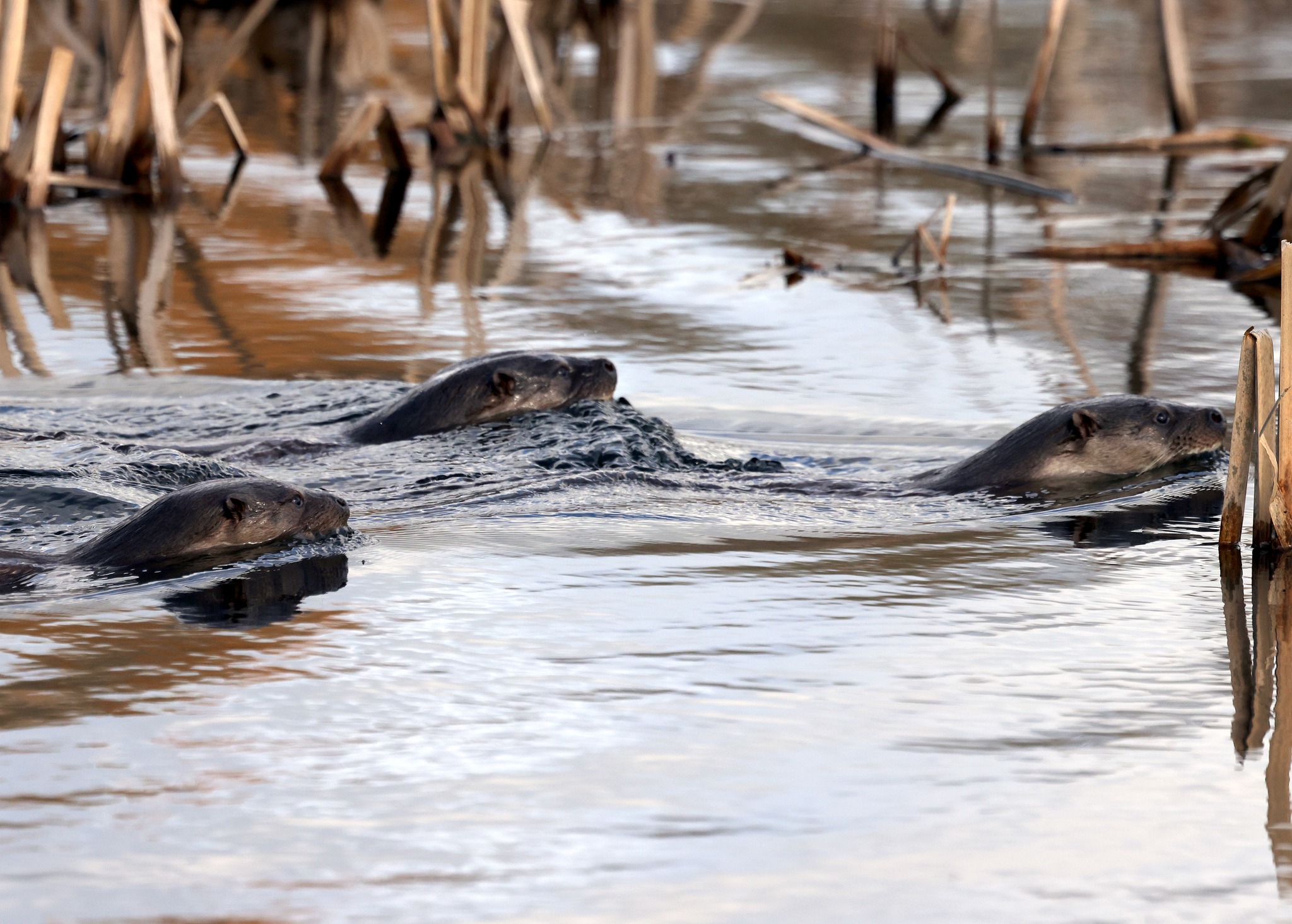
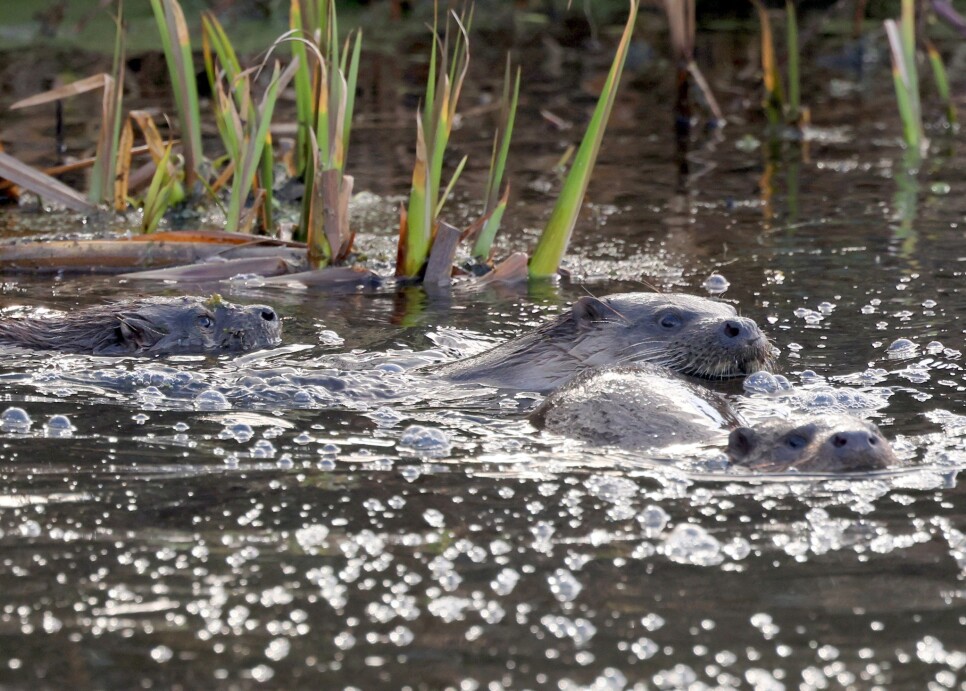
A mother Otter and her kits playing and hunting gave intimate glimpses into otter-family life. On the Saline Lagoon, a Glossy Ibis added a touch of the exotic, while a male Hen Harrier delighted the British Steel Hide regulars as he quartered the marsh with that unmistakable low, buoyant flight. Wader interest included Whimbrel and Spotted Redshank.
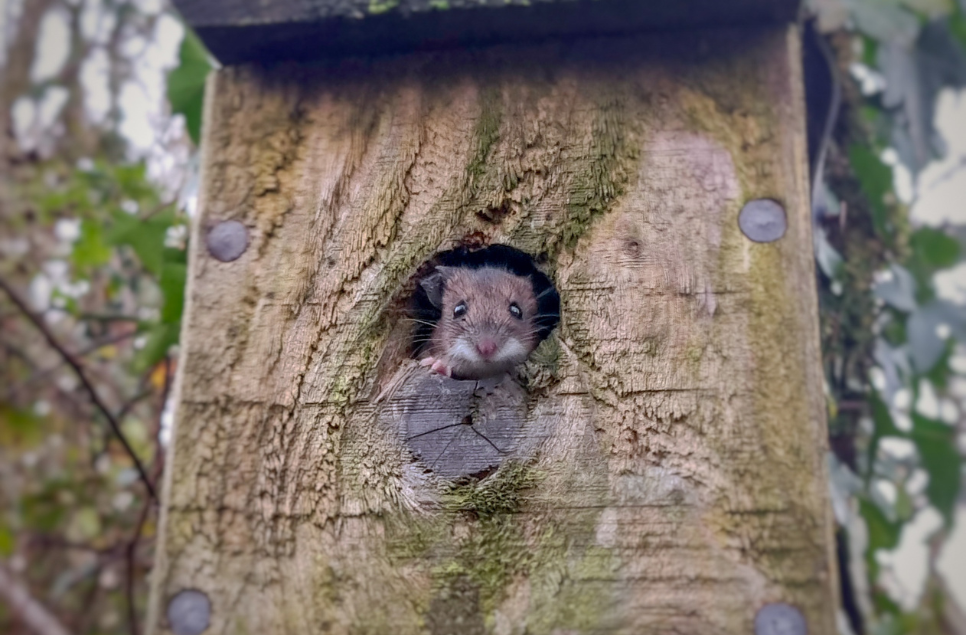
Nest-box maintenance revealed charming squatters: Yellow-necked Mice peering out, unimpressed by the disturbance. We left them to their arboreal bolthole in peace.
Overhead, a flickering Golden Plover flock of 300+ birds shimmered like coins in pale sun. Add Goshawk showing near the Visitor Centre, female Marsh Harrier, Merlin over the Millennium Wetlands, and even a darting Weasel, and January felt gloriously busy and alive.
February
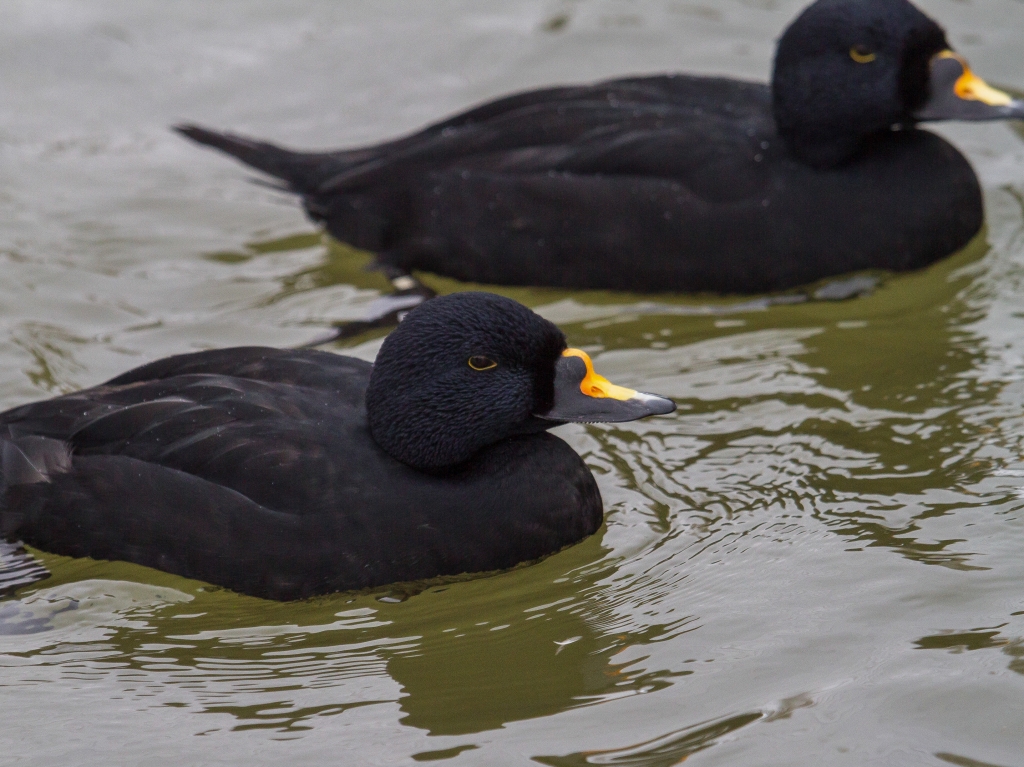
From the British Steel Hide, a pair of Common Scoter were spotted bobbing along way out in the Estuary, supported by a cast of Brent Geese grazing on the Saltmarsh. A small group of Fieldfare descended on the shrubs to raid late berries, while Woodcock ghosted around the Northern Loop.
Pintail graced most of the wild ponds with their elegant profiles and sharp suits. And the Llanelli Kingfishers began their courtship rituals, with pairs inspecting burrows and excavating fresh nests, their bright blues and oranges reflected on grey waters as they got to work.
March
The Saline Lagoon hosted four White-fronted Geese, drawing a lot of attention from the British Steel Hide. A scarce Little Gull paused mid-passage, delicate among the larger and more raucous Black-headed Gulls. A Barnacle Goose hid in Canada Goose company, while Pochard pairs readied for the season.

On the Saltmarsh, a female Pheasant slipped through the grasses, soon joined by a companion. Little Ringed Plover pattered the margins; Great White Egret struck a statuesque pose, highlighting their elongated proportions as they loomed over the Little Egrets. Heartening and sobering at once, the Great Crested Grebe pair finally reunited after almost a year apart — with one bird carrying an errant rubber band around its neck — still dancing their beautiful courtship dance, a graphic reminder of where our litter ends up.
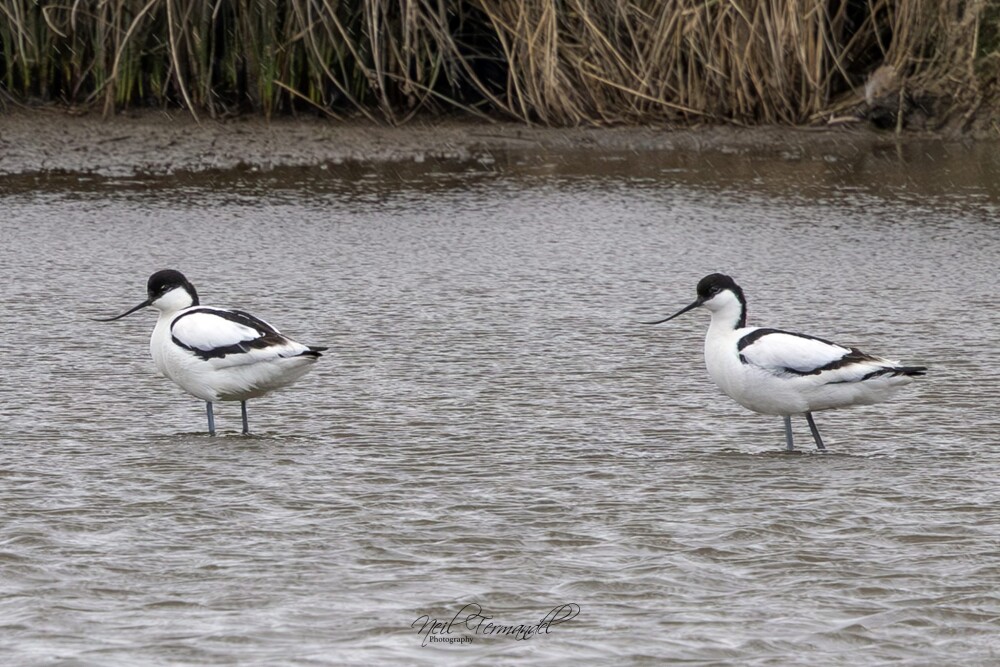
A pair of Avocet appeared, walking like elegant monochrome scissors through the shallows. The year's first Sand Martins and Swallows sailed in through the air. Surprisingly rare Frog tadpoles wriggled in the Millennium Wetlands. Woodland edges displayed the charred domes of King Alfred's Cakes fungus.
April
Waders waded in: Ruff, Grey Plover, Little Ringed Plover. Mediterranean Gulls nestled in amid the shrill Black-headed Gull colony, their red bills the only thing louder than their neighbours. The reedbed soundtrack blossomed: Reed Warbler and Willow Warbler by Water Vole City, with Lesser Whitethroat, Grasshopper Warbler and Sedge Warbler joining by the last week of April.
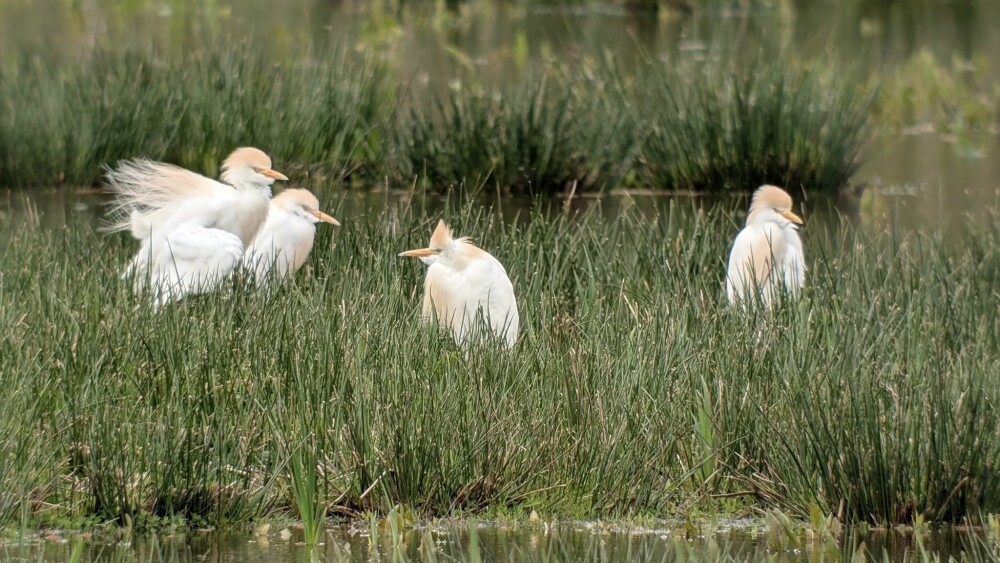
An Osprey electrified skies by the British Steel Hide, while four Cattle Egret touched down on Deep Water Lake, proudly displaying their buff-coloured breeding plumage.
Nest-box surveys found a clutch of Tawny Owl chicks - downy, curious and wholly enchanting. The first Cuckoo of the year arrived on 22nd April 2025.
May
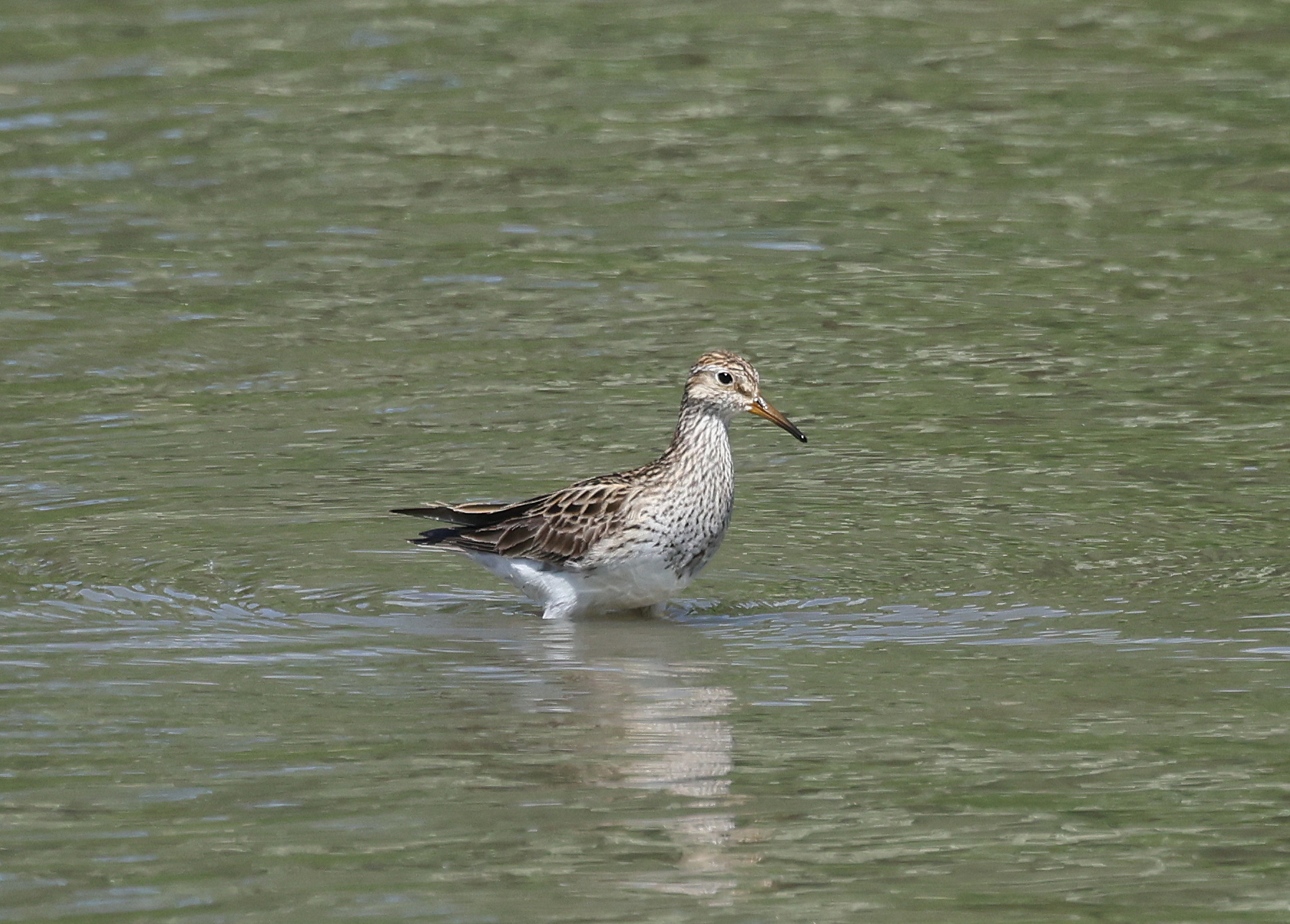
A pair of Garganey delighted, and a scarce Pectoral Sandpiper — only just larger than a Dunlin — stayed obligingly visible. Garden Warbler joined the spring chorus.
Dragonflies surged: Hairy Dragonfly, Azure Damselfly, Blue-tailed Damselfly, Common Blue Damselfly, Broad-bodied Chaser, Four-spotted Chaser sparking colour across open water. By late month, the UK's largest dragonfly, the Emperor Dragonfly, emerged to patrol like fighter jets and were often seen eating prey on the wing.
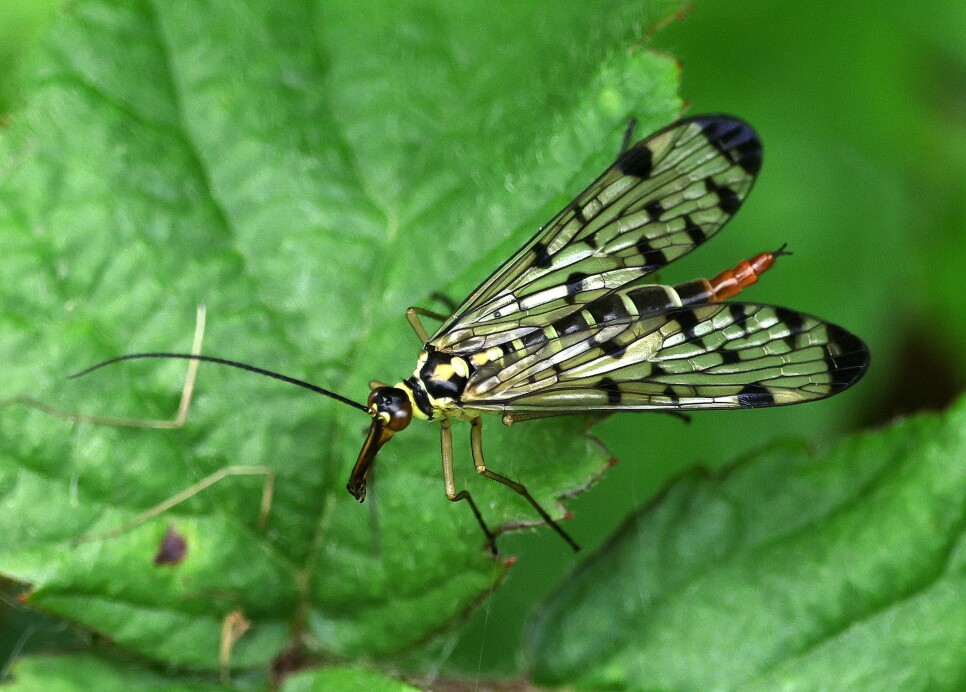
Botanically, Southern Marsh Orchids studded damp ground, accompanied by Common Twayblade. An intriguing Scorpion Fly also added to the charisma of minibeasts. On Deep Water Lake, Little Grebe chicks commuted safely on their parents' backs: the cutest water taxi service in town.
June
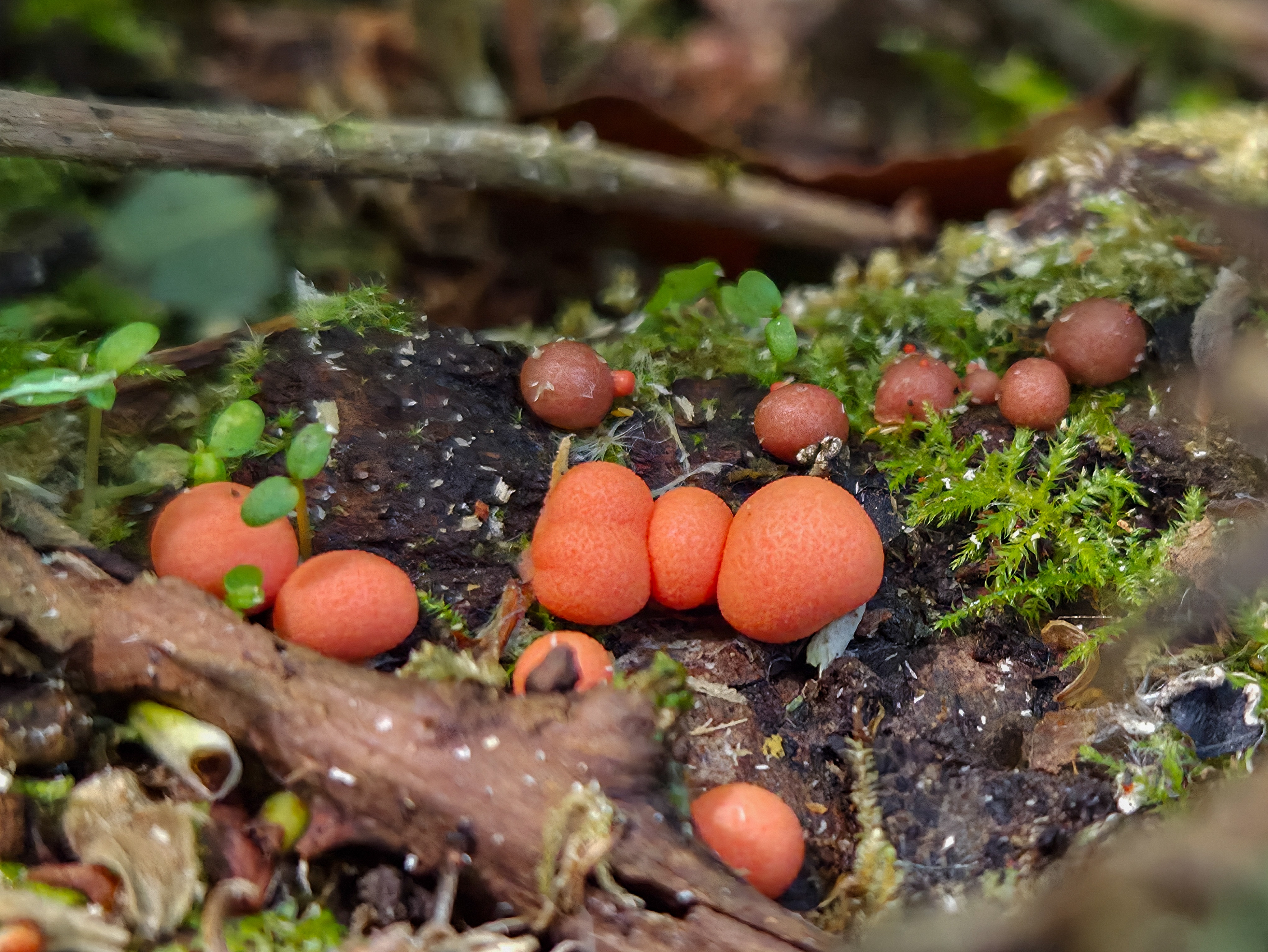
In Black Poplar Wood, the tiny (yet chubby) peaches of Wolf's Milk slime mould showed salmon-pink against rotting logs, engulfing microbes for nutrition - a reminder that wetlands host miracles at every scale.
A Hobby sliced over waterways, accelerating after dragonflies. The year's first Bee Orchid appeared near Goodall's Hide, mimicking a female bee to entice pollinators, a trick wasted on the UK's bee species. Pygmy Shrew snuffled around for woodlice and spiders, needing to eat roughly 125% of their body weight daily to survive.
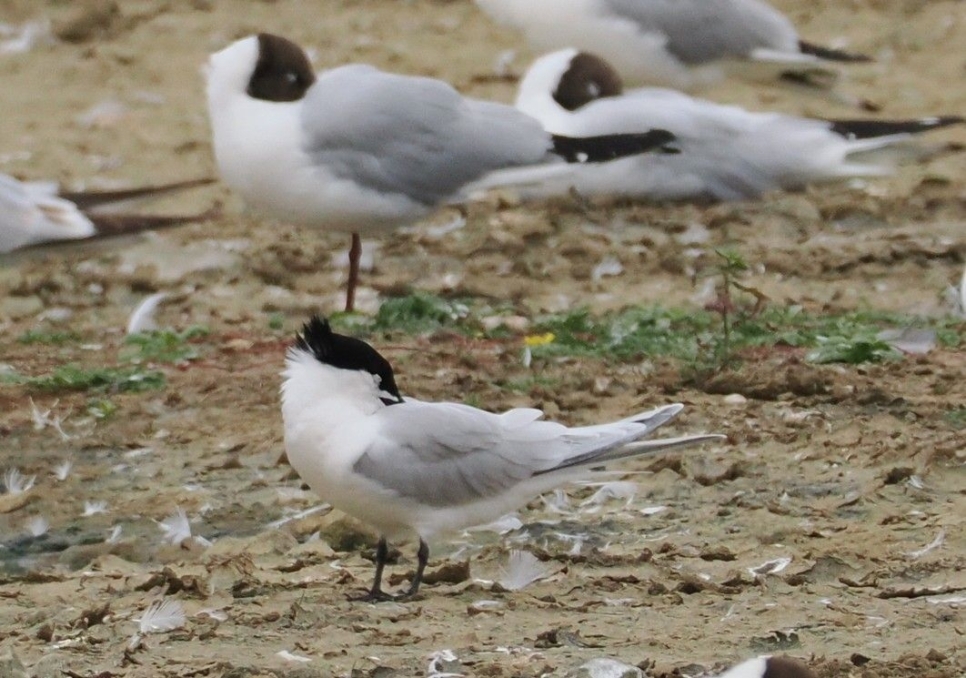
Great White Egret maintained a graceful fishing presence, and the Kingfisher pair on Deep Water Lake fledged their first brood, promptly prepping for the next! Two Sandwich Tern enjoyed the Freshwater Lagoon at month's end.
July
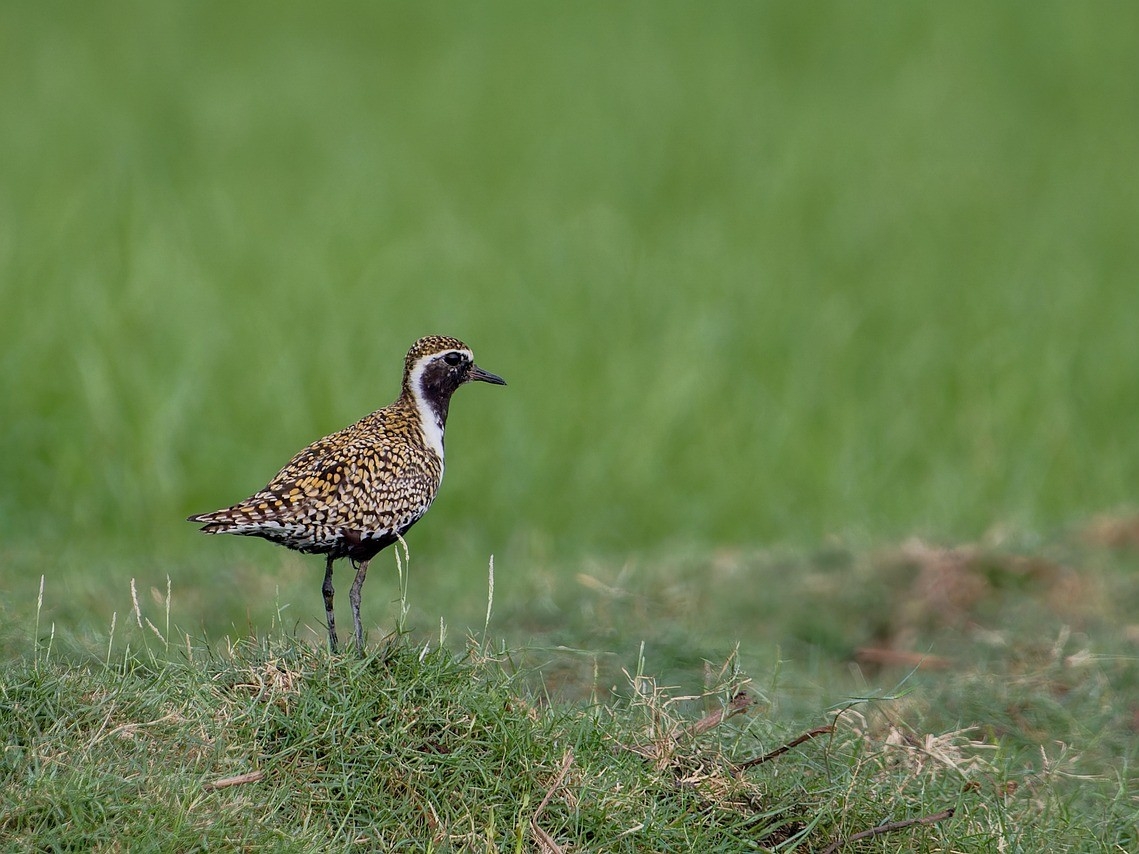
A true headline: Pacific Golden Plover on the Dafen Scrapes, a long-distance migrant species capable of journeys up to 8,000 miles from its Arctic breeding grounds to wintering areas across Asia, Africa and the Americas. Rarer in the UK than its American cousin, and easily overlooked unless you know the signs.
Elsewhere, Pochard ducklings fledged - a scarce breeder here. Another Osprey sighting thrilled visitors, a Toadlet appeared on a damp path, Spotted Redshank graced the Saline Lagoon, and four Green Sandpiper gathered on the Freshwater Lagoon - a high number for our site.
August
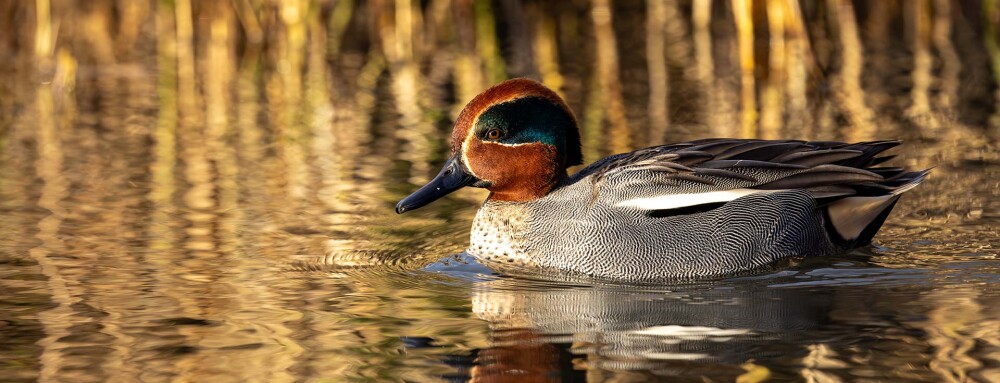
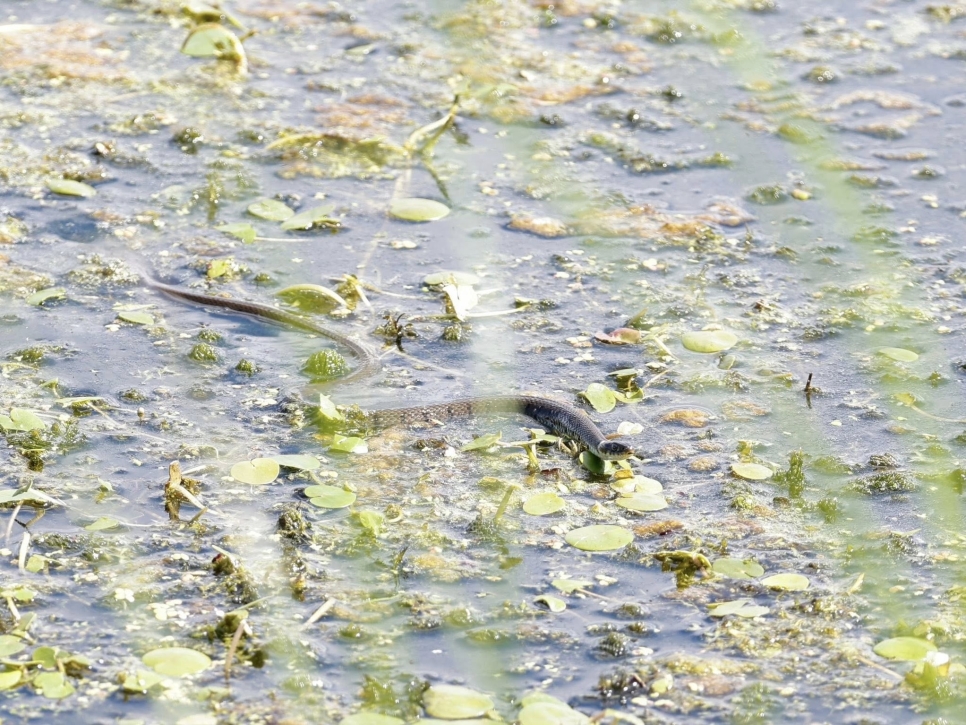
A Grass Snake swam through the weedy water by the Peter Scott Hide, and we found evidence of Teal breeding on Deep Water Lake (only about 1% of the UK's wintering Teal stay to nest and breed in spring). A Barn Owl hunted near Black Poplar Wood, and a juvenile Black-headed Gull made an impressive journey from Suffolk to Llanelli at less than 12 weeks old!
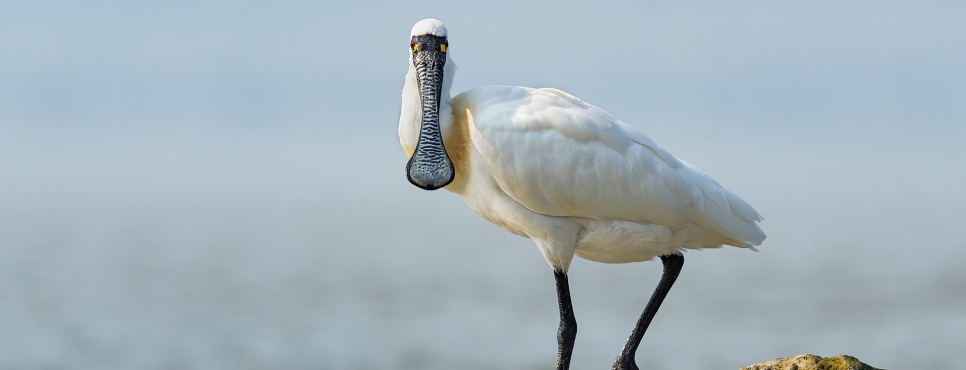
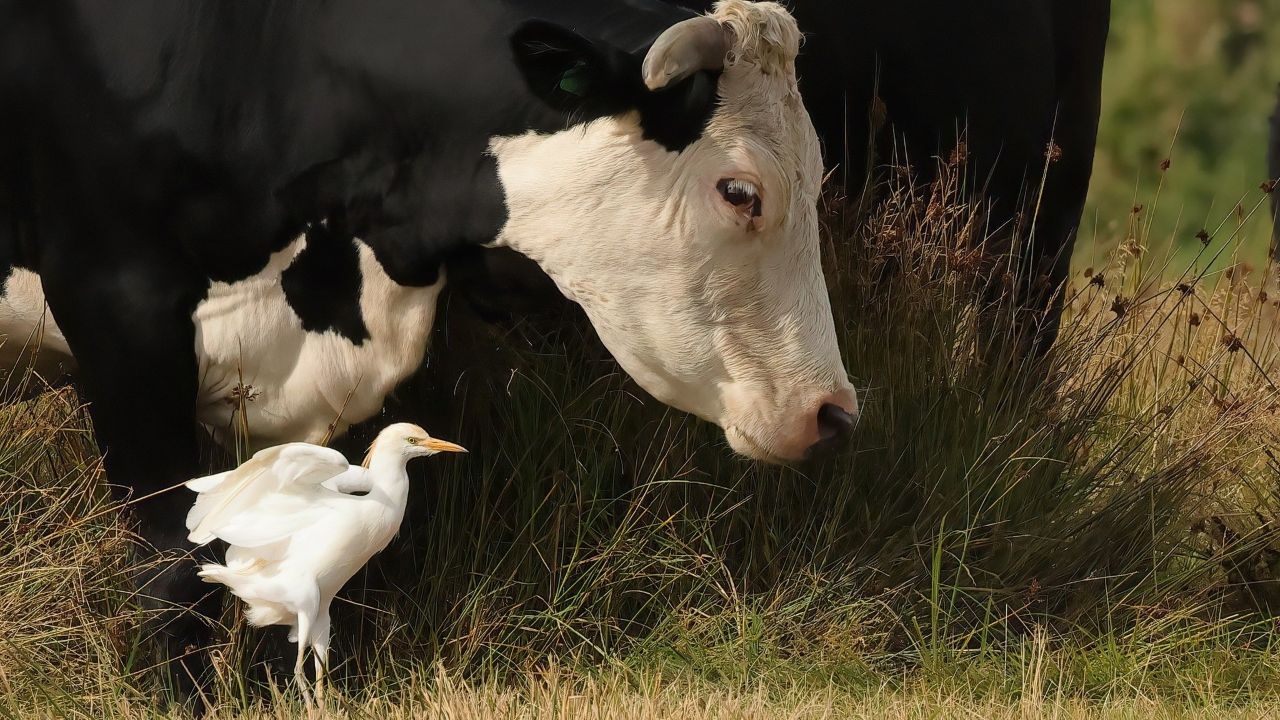
After a very dry spell, a high tide refilled the Saline Lagoon, bringing back three Spoonbill. A juvenile Garganey allowed us to speculate that the earlier pair may have had breeding success (we can dream!). On 25 August, Carmarthenshire's first-ever Temminck's Stint was recorded at WWT Llanelli — a tiny wader giving us huge excitement. We also logged Bar-tailed Godwit among the 1000+ strong flock of Black-tailed Godwit, an enthralling game of avian Where's Wally? Also counted were 402 Curlew, and three Cattle Egret stuck around to support our grazing herd with pest control.
September
Reedbeds played airport hotel to a Swallow roost of around 500 birds as they congregated in preparation for their epic Africa-bound return flights. Grey Wagtail flickered along water edges; three Glossy Ibis fed on the estuary side; Green Sandpiper lingered; and duck flocks built up again with Teal, Gadwall, Shoveler and Wigeon.
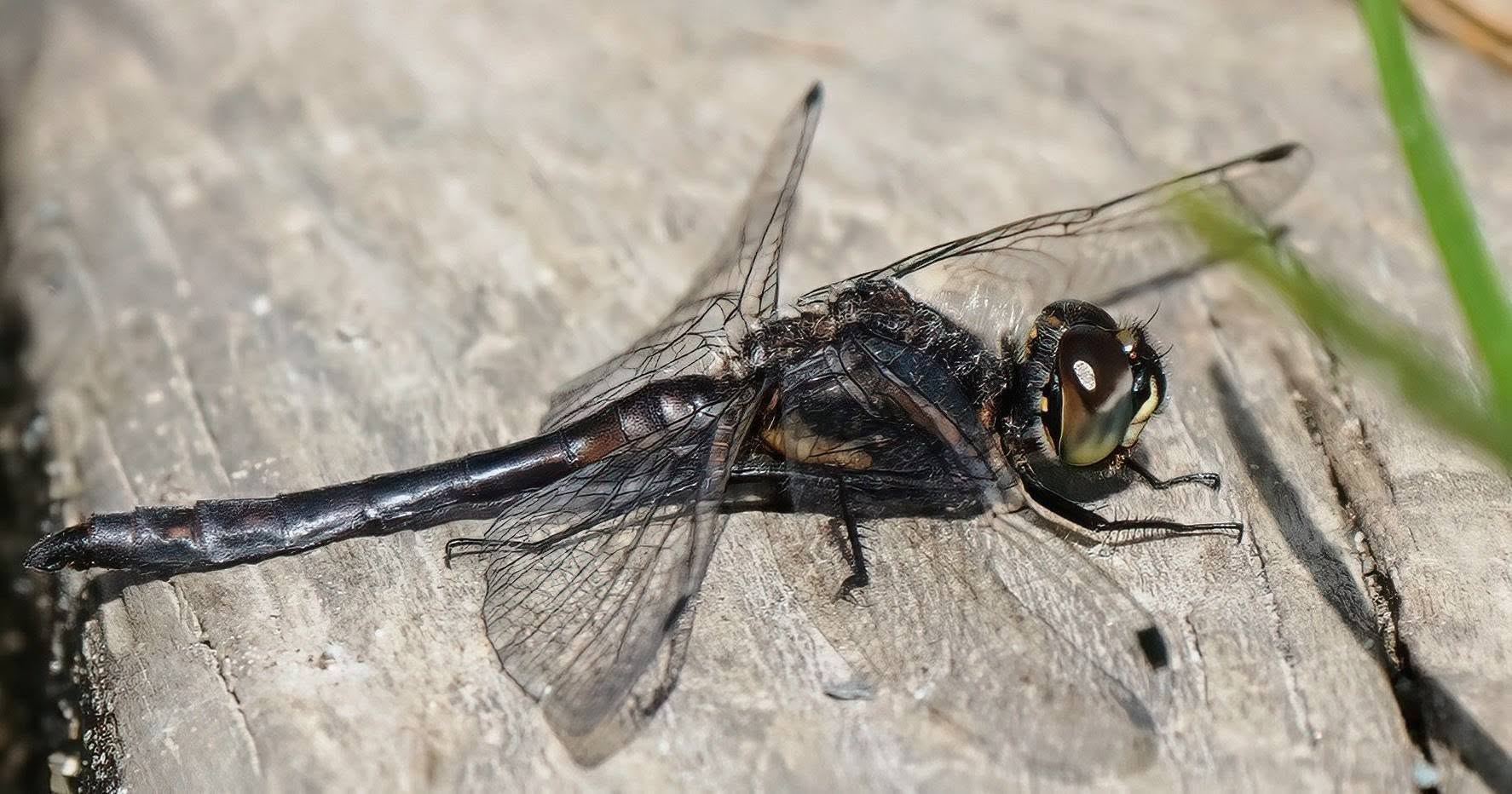
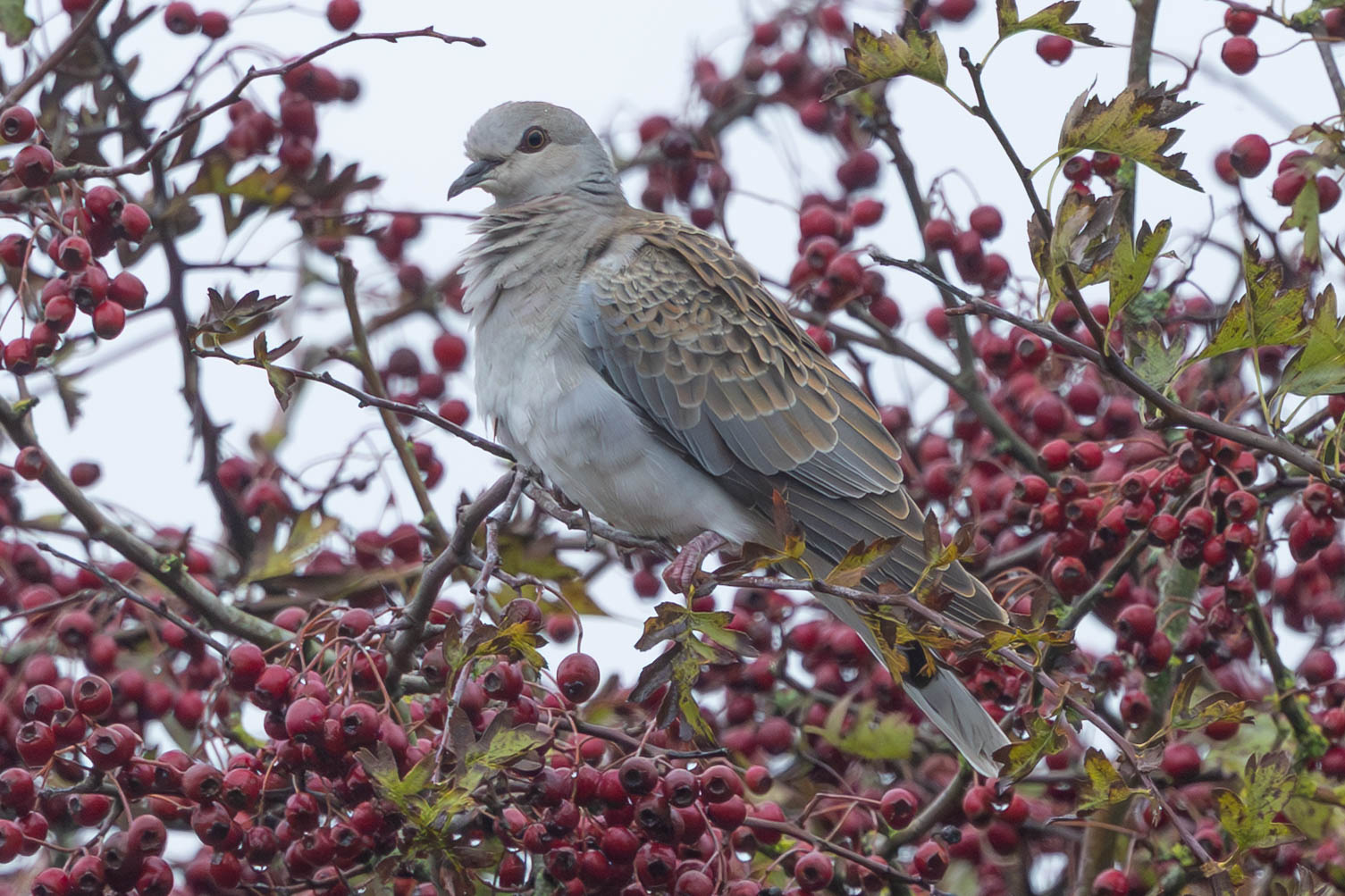
Just in time to close our 2025 Dragonfly Festival, regular visitor and photographer David Westmacott spotted a Black Darter, the last recorded in 2003 and bringing our site species total to 23 species of dragonflies and damselflies. Then, a centre record: three Grey Phalarope were blown in together. Another very rare sight was Saturday 20 September's Turtle Dove - now a very scarce sight due to lack of food and hunting.
October
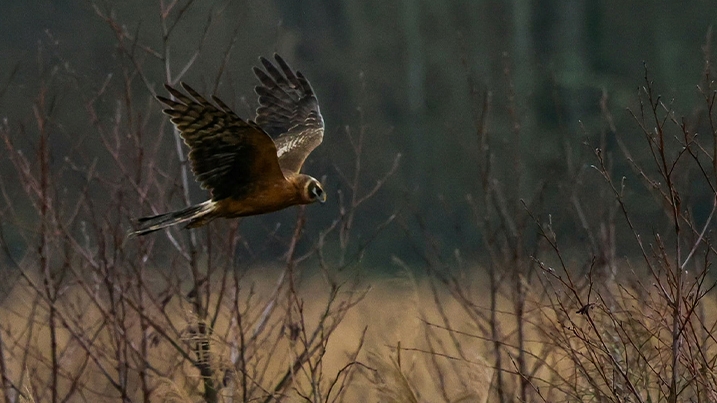
In autumn light a Pallid Harrier appeared, more at home in the skies of Kazakhstan! Eleven Curlew Sandpiper spiced up the wader mix, and Pintail and Wigeon numbers swelled. Bar-tailed Godwit numbers also increased, while insect fans celebrated a late Golden-ringed Dragonfly. The first record of the year, it was a case of better late than never for the UK's longest dragonfly.
November
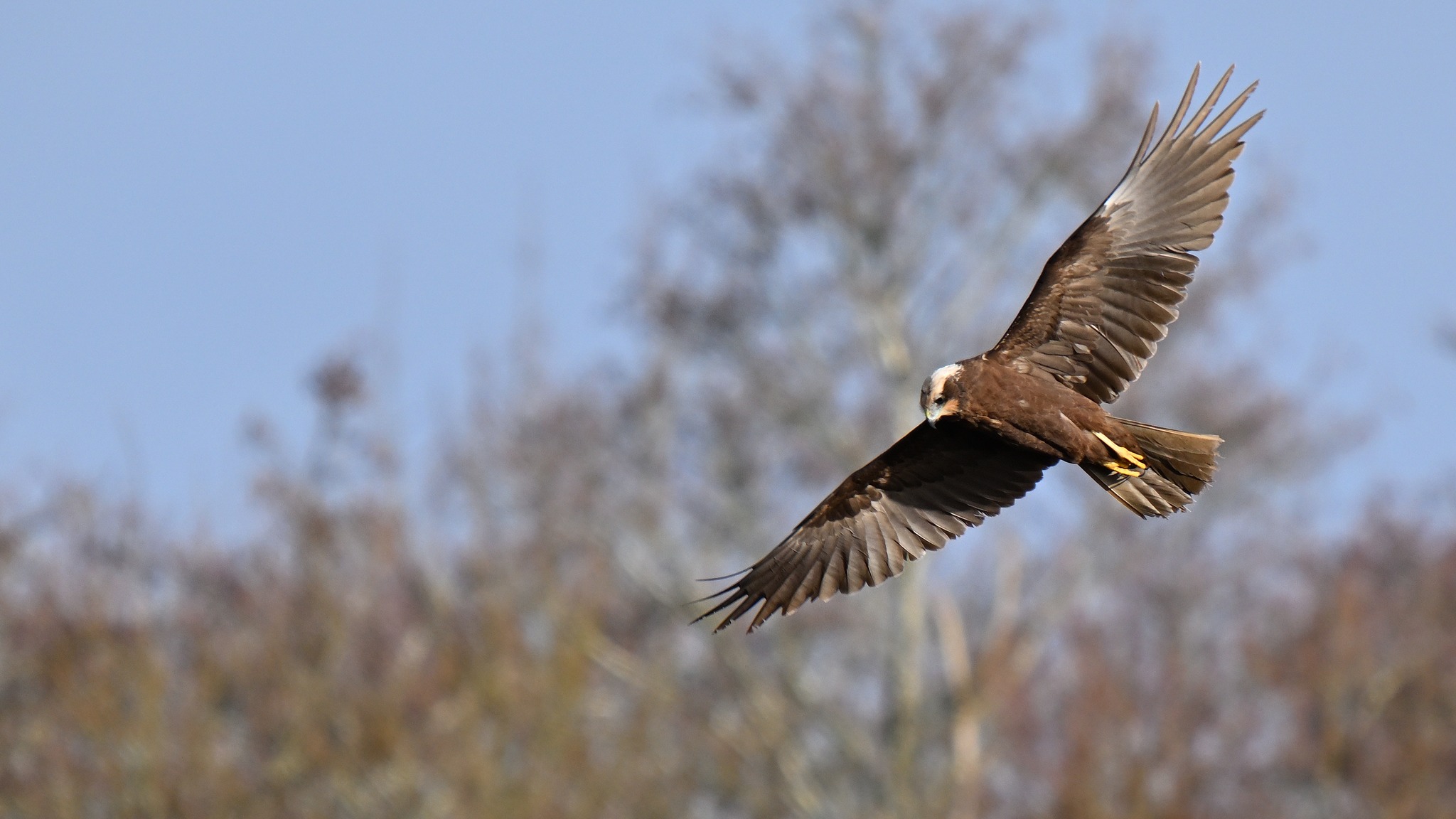
Raptor-rich days included Marsh Harrier, male and female Hen Harrier sightings, the lingering Pallid Harrier, plus Goshawk, Merlin and Peregrine. The big pale skies of winter offering the perfect canvas for these specialist hunters.
December
The Grey Plover glowed like warmed pewter amongst the Lapwing flocks, whilst Redwing dropped into the grounds gardens to take advantage of this mast year's berry and fruit offering.
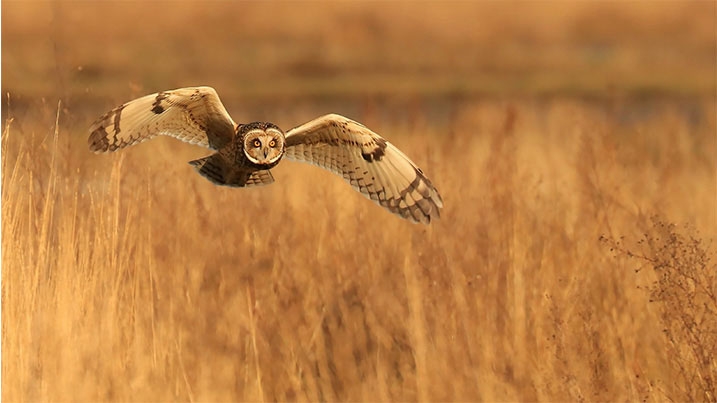
Adding seasonal surprise, Blackcap overwinterers joined the feast — a species we often think of as spring/summer, but increasingly common in milder winters (and quick to claim prime breeding territories come spring). Chiffchaff used the same tactic, appearing regularly in recent days. Six to eight Spoonbill stayed faithful, and a Short‑eared Owl quartered open ground, a daytime‑friendly owl with bright yellow eyes.
What will 2026 bring?
As 2025 draws to a close, WWT Llanelli has reminded us why wetlands are among the most dynamic habitats in Britain: places where otters raise kits, ospreys plunge for fish, and rare migrants like Pacific Golden Plover and Temminck’s Stint pause on epic journeys or take shelter from storms. Every season brought its own surprises, from Bee Orchids and Emperor Dragonflies to wintering Blackcaps and Short-eared Owls.
And the story doesn’t stop here. 2026 promises fresh arrivals, new blooms, and more moments of wonder. Join us for the next chapter — because wetland nature never stands still.
Ready to visit?
With so many wildlife encounters and inspiring activities, no two visits are the same. A visit also supports our vital work to restore wetlands and their wildlife.
Book online save 10%