The ice and snow may have caused disruption to our plans, but the natural world continued to delight.
Wildlife sightings at WWT Llanelli from 1 to 9 January 2026
Highlights: Merlin, Avocet, Lapwing, Otters, Linnet, Spotted Redshank
From the British Steel Hide, a Linnet flickered in front of the windows. More unusually for January here, Avocet keep returning, between one and three birds have been seen over recent days. They’re instantly recognisable: snowy white with that bold black mask and a delicately upcurved bill, like a calligrapher’s pen poised over parchment. In the pale light, they feed with crisp, staccato sweeps; one of those sights that reminds you winter has its own beauty, quieter but no less striking.
The Dafen Scrapes have hosted the classic cold-weather congregation: Lapwing lifting in lacquered waves, Greylag Goose and Canada Goose trudging the margins with purposeful heft. Look closely and you’ll catch the Lapwing’s green gloss when the sun breaks — a brief flash of springful colour in the heart of winter.
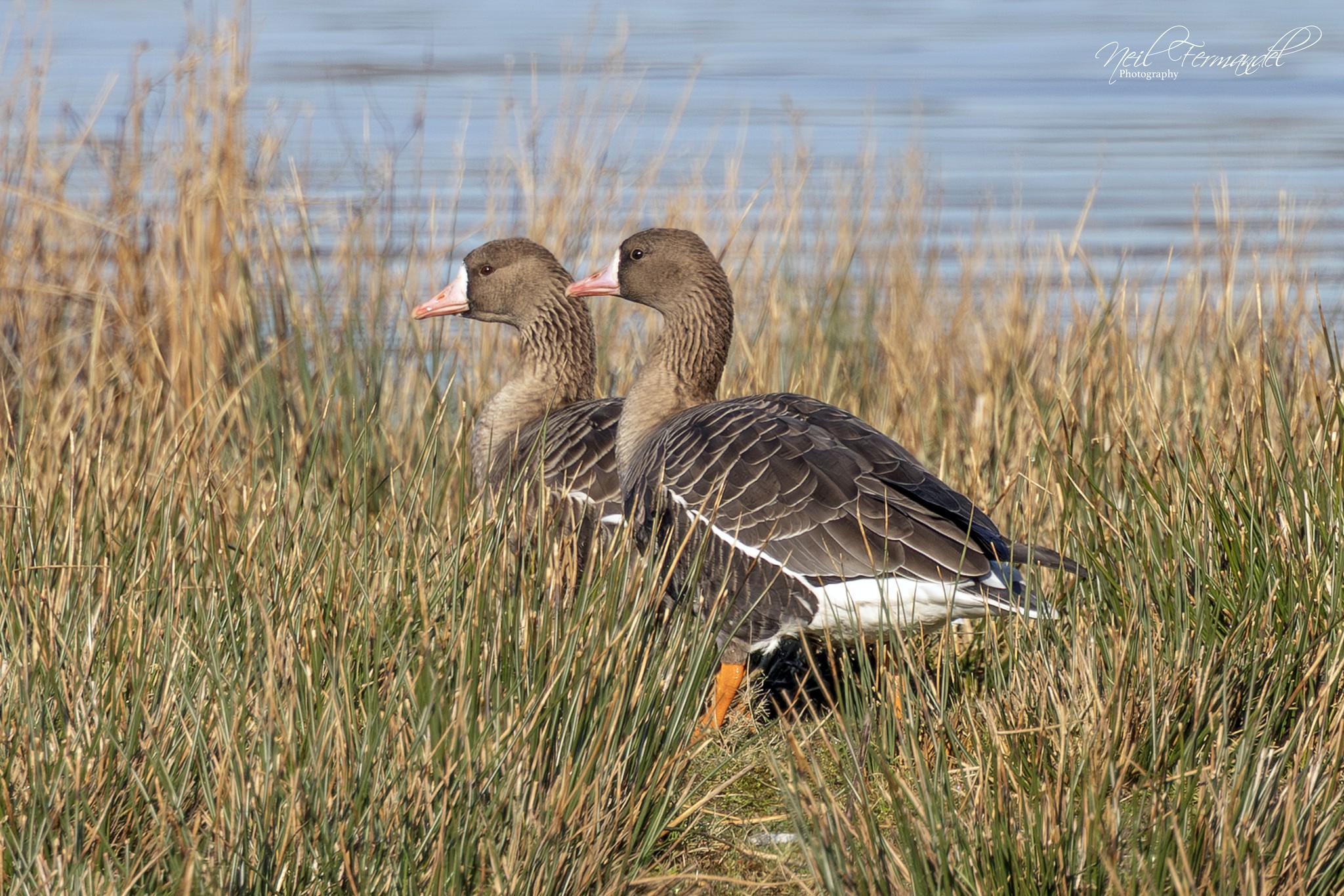
On 2 January, up to six White-fronted Goose were showing — always a treat, with their neat bars and distinctive white blaze at the base of the bill. Overhead, the raptor headlines: Merlin (two individuals) cutting across the marsh with low, arrow-fast dashes, and a Red Kite riding the breeze with languid grace.
Then, another showstopper: the female Pallid Harrier was back on Saturday 3 January. A lithe, scythe cutting over the reeds, and a super-rare sighting that sends a thrill through even the most seasoned birder.
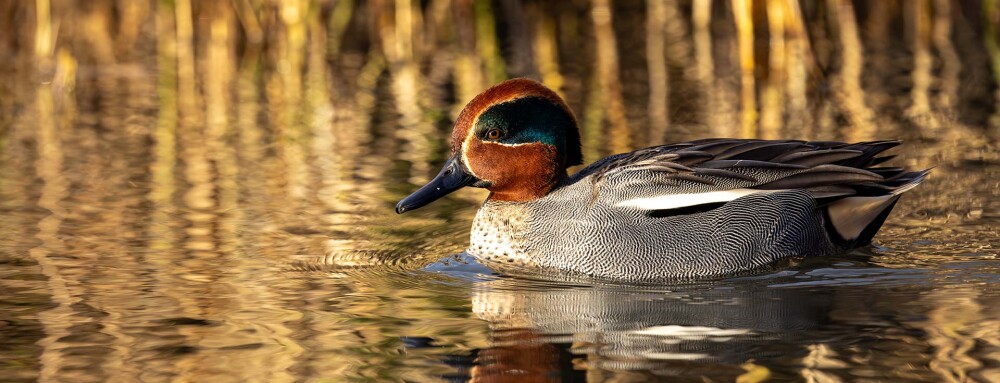
On the Saline Lagoon, a winter tapestry of waders and dabbling ducks: Spotted Redshank alongside Redshank; Ruff milling about; Black-tailed Godwit stepping out with neat precision; more Lapwing glinting as a flock turns; Teal flicking mirrors of green along the wing; and Little Egret ghosting the edges, bright as a shard of January moon.
Adding to the lagoon’s credentials, a smart pair of Pintail last weekend, the male sharply dressed in chocolate and cream with the signature whip-point tail, female subtler but no less handsome. A pair like this turns the lagoon into a postcard of winter elegance.
Water Rail have been putting on a show, if not always seen, then certainly heard. Their loud, piglet-like squeals erupt along channels and reed-fringed pools. In winter, patience pays: watch for ripples, then the lightly banded flanks slipping between reeds like a shadow.
We’ve recorded the usual Common Snipe and, excitingly, a Jack Snipe on the East Scrapes. When Common Snipe are flushed they often take off with the sound of a wellie being pulled from mud - a comic, sucking - then zigzag away at speed. A Jack Snipe, by contrast, remains silent on the flush and will not fly far before landing again. It’s also smaller, with a shorter bill than its cousin.
If you suspect Jack Snipe, slow down. Scan methodically over the tussocks and damp margins; your best chance is catching that half-second of movement when the bird drops back rapidly into cover, almost as if the landscape itself reclaims it.
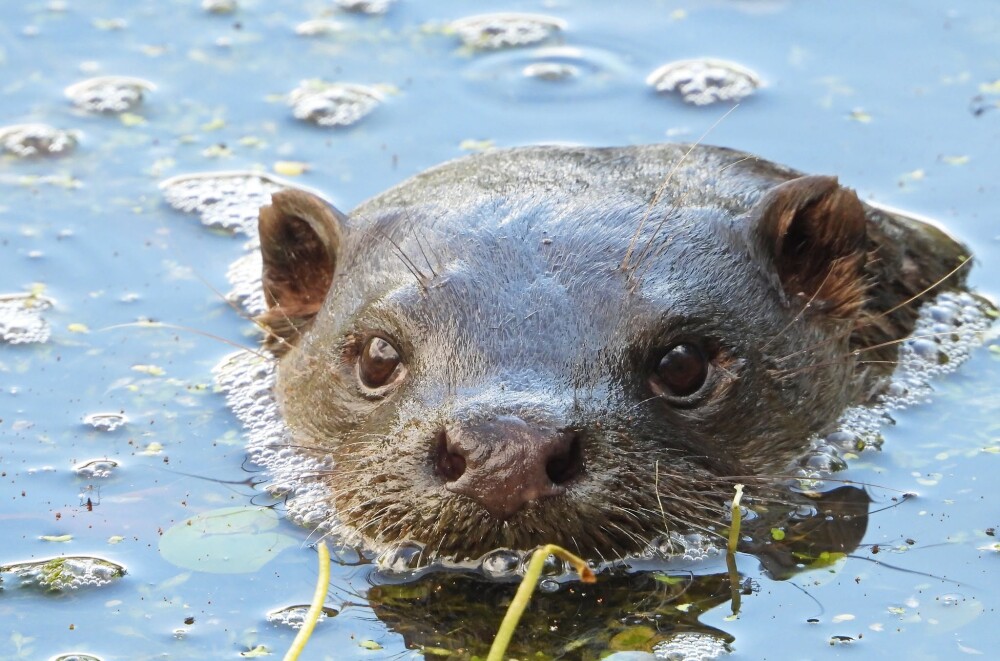
Perhaps the week’s most heartwarming encounter: Otters, presumably a mother with two young, seen from the Peter Scott and Heron’s Wing hides. Watch for bubble trails, a dark back breaking the surface, or that brief, whiskered glance. Early and late in the day are prime times; on still mornings the lagoon becomes a mirror, and every ripple tells a story.
Featured Photo Credit: White-fronted Geese by Neil Fermandel