WWT, the wetland charity, has restored almost 400 hectares of wetland habitat across WWT Steart Marshes and Bridgwater Bay Somerset Wetlands National Nature Reserve (SWNNR).
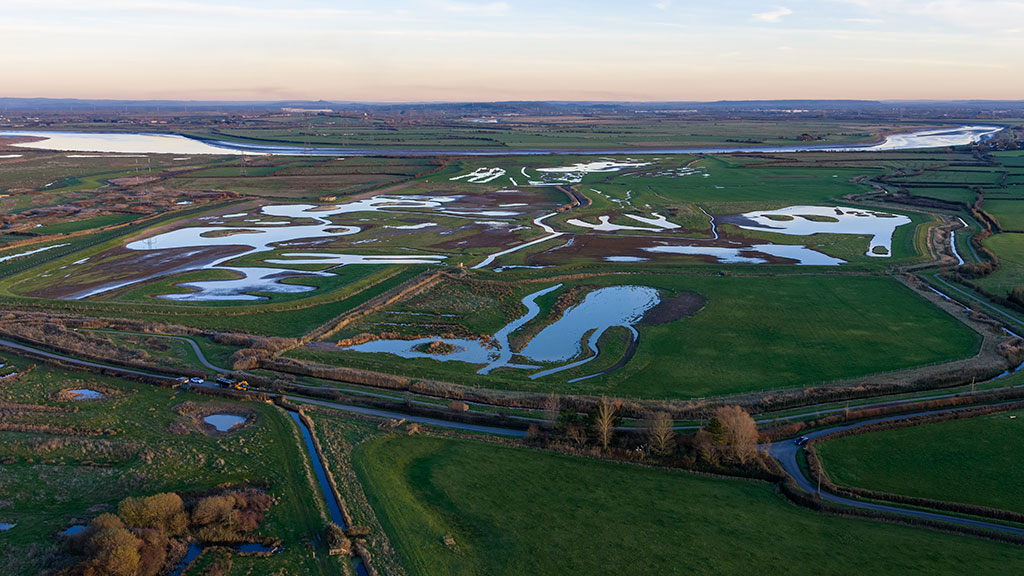
New scrapes have been created, existing ditches and saline lagoons have been enhanced, and a tidal inlet has been installed to help the reserves retain water; benefitting nesting birds like avocets. An expansive boardwalk has been built to help visitors get up close to saltmarsh habitats and the wildlife that call it home.
Alys Laver, Site Manager at WWT Steart Marshes said: “The community around WWT Steart Marshes and Bridgwater Bay love and depend on its expansive wetland landscapes, which is why we’re so pleased to have restored, enhanced and improved over 370 hectares throughout this two-year project. The work has focussed on better connecting WWT Steart Marshes and Bridgwater Bay SWNNR, so wetland wildlife can move freely across this large area. It’s also helping to improve the overall resilience of the landscape to the effects of climate change.
“We’ve re-wetted formerly dry pastureland by restoring lagoons and ditches and installing culverts and stop-log structures. New scrapes will help to provide more feeding habitat for breeding birds, and seven new ponds have been enhanced – including the creation of a historic ‘ghost pond’ using 18th century maps. The work is already paying dividends for wildlife, with a 2025 survey showing evidence of breeding great-crested newts in the area.”
Alongside habitat enhancement, WWT also engaged hundreds of local people; including residents, landowners, businesses, volunteers and local schools.
Alys continued: “We were so thrilled to welcome the children from Otterhampton Primary School to cut the ceremonial ribbon and open up our brand new saltmarsh boardwalk, which helps visitors get up close to wetland habitats, to learn all about their amazing superpowers and the wildlife that depend on them.
“It's been such a pleasure engaging with hundreds of local people over the last couple of years through; events, art groups, willow and painting workshops, demonstration and training days, and volunteering. It’s truly been a joint effort for the joint good.”
WWT Steart Marshes is the wetland charity's only ‘working wetland’, and grazing is a crucial component of keeping the saltmarsh habitat in good condition. Together with Blue Carbon Farming, WWT increased the area of grazing land on the reserve to 485 hectares.
Andy Darch, Co-Founder of Blue Carbon Farming said: “It was a pleasure to be involved with the Wetter for Waders project. We are very proud of our involvement, using cattle specifically to help restore wetland habitats. This is a great example of how farming and conservation can work together to produce fantastic food, while also improving habitats. We look forward to continuing our relationship working with WWT in the future.”
The Wetter for Waders project was funded by the Government's Species Survival Fund. The fund was developed by Defra and its Arm's-Length Bodies. It was delivered by The National Lottery Heritage Fund in partnership with Natural England and the Environment Agency.
Header image: Drone photo shows high tide water levels across newly created and restored saline lagoons © Joe Beaney/WWT