
Blog
The Keepers' Diaries: Our marvellous mammals
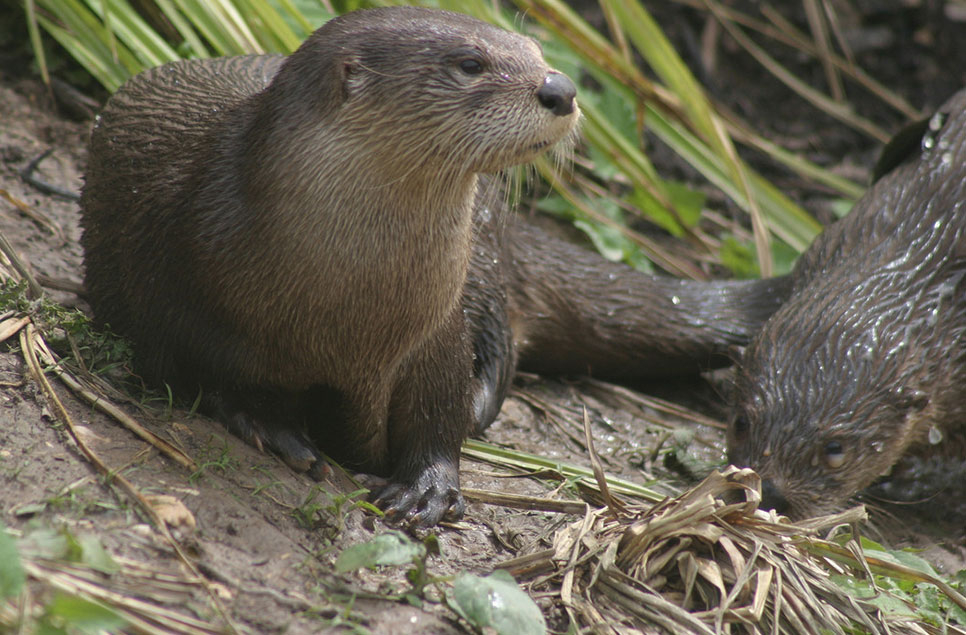
Today we will share what some of our most beloved mammals were up to while our doors were closed, in our second and final captive collection keeper diary entry, from Rosie Griffin, Living Collections Supervisor (Mammals), WWT Slimbridge. Hello! My job
The Keepers' Diaries: Goose on the loose
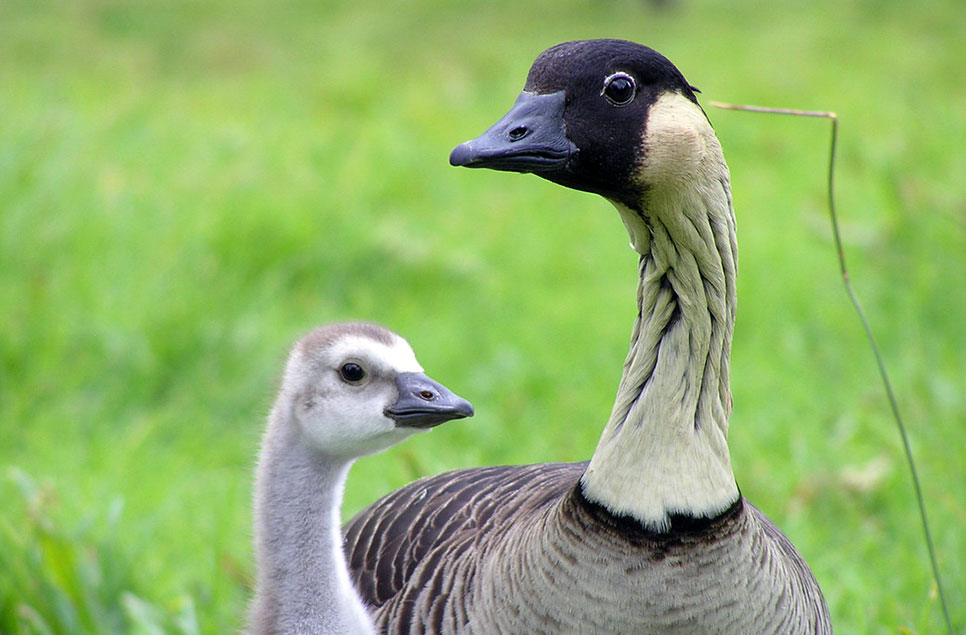
While we were under lockdown and closed to visitors, we noticed some slightly changed behaviour among our animals, especially among the geese! Some behaviours were more intriguing than others and remarkable enough that we thought you might enjoy reading.
Things you might not know about the humble moorhen
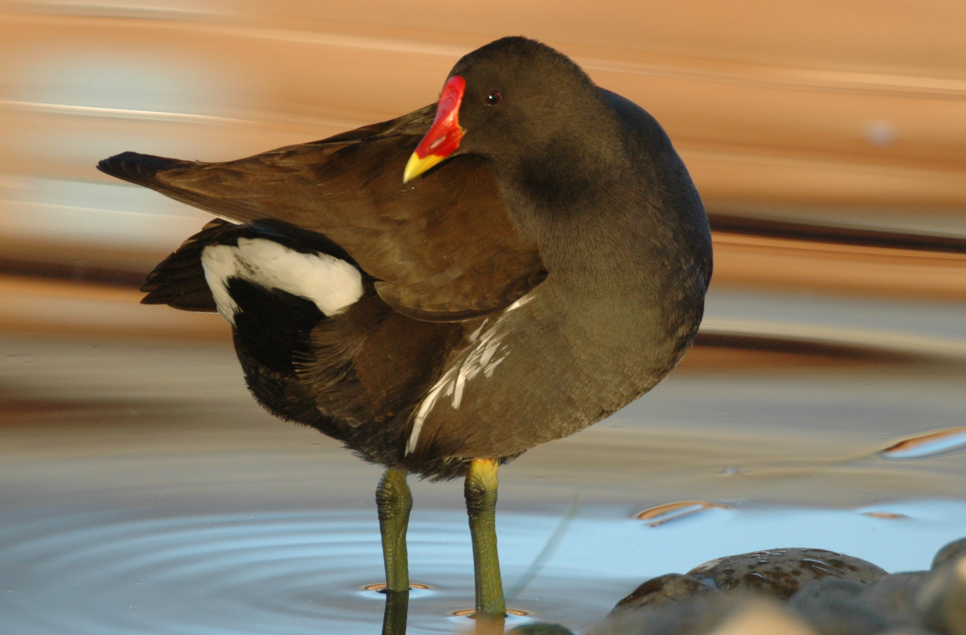
How do you tell the difference between a coot and a moorhen? They actually have quite a few diverse characteristics. Learn more about the life of the humble morning and how they are actually quite complex characters.
What is biodiversity and why do we need it?
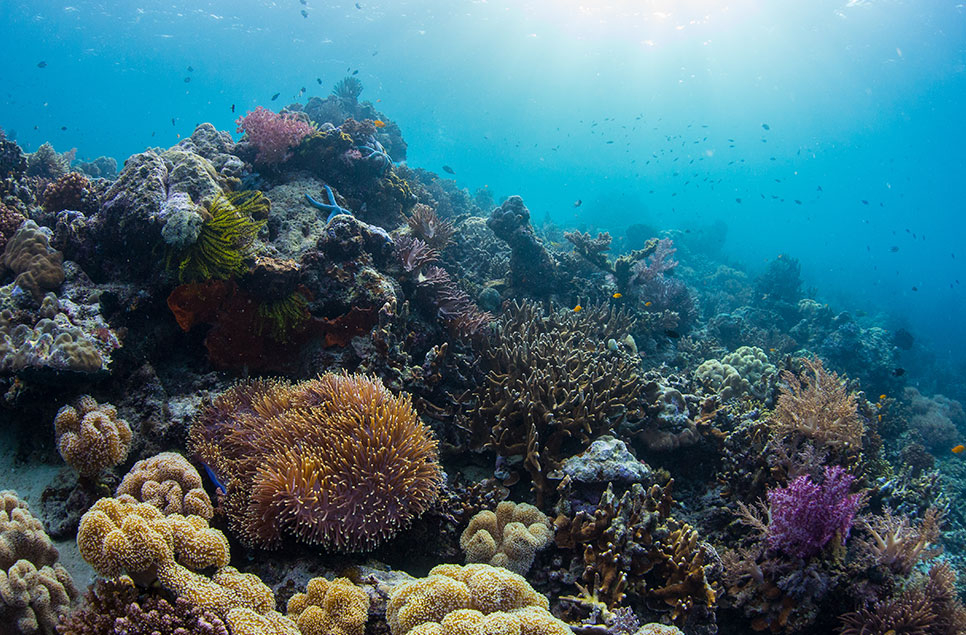
Biodiversity is a measure of how many different forms of life live in an ecosystem - the diversity within species, between species and within ecosystems. Every species of animal and plant depends on the services provided by other species to survive.
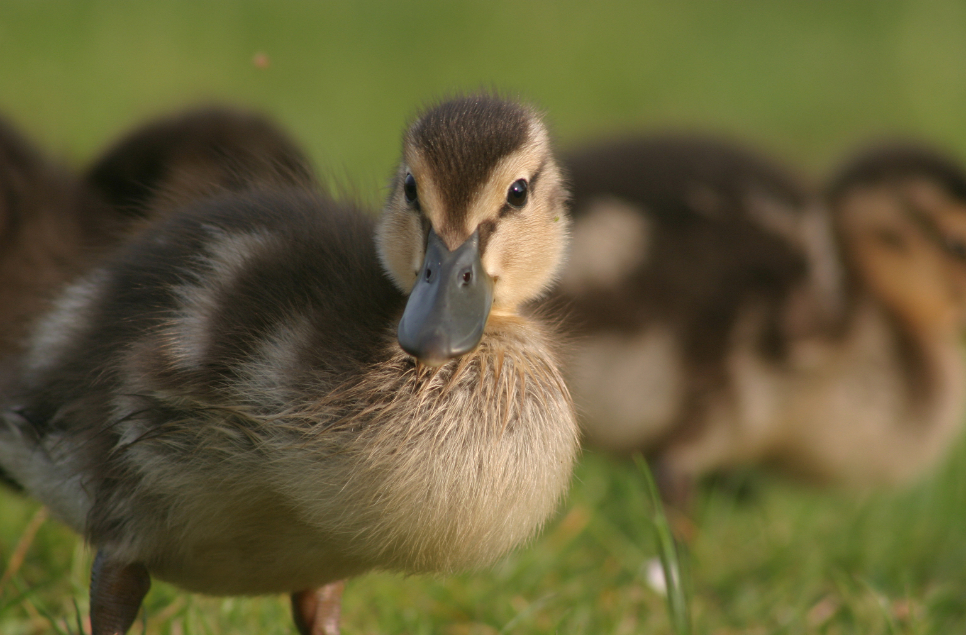
When do mallard ducklings appear?
In spring and summer, ducklings abound on rivers and ponds around the UK. Mallards are caring mums, but their task isn’t easy.
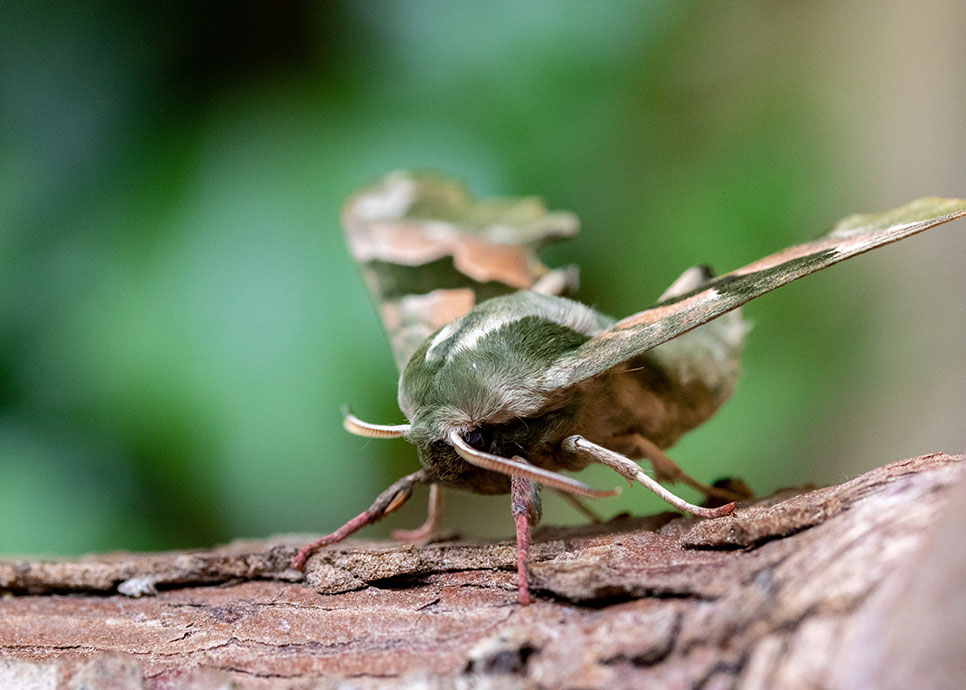
Macro wildlife photography tips you can try anywhere
For many of us, capturing wildlife on camera is one of the ways we explore our love of nature. If you're restricted to your local area, why not think small and try macro photography using a DSLR or smartphone with our handy tips?
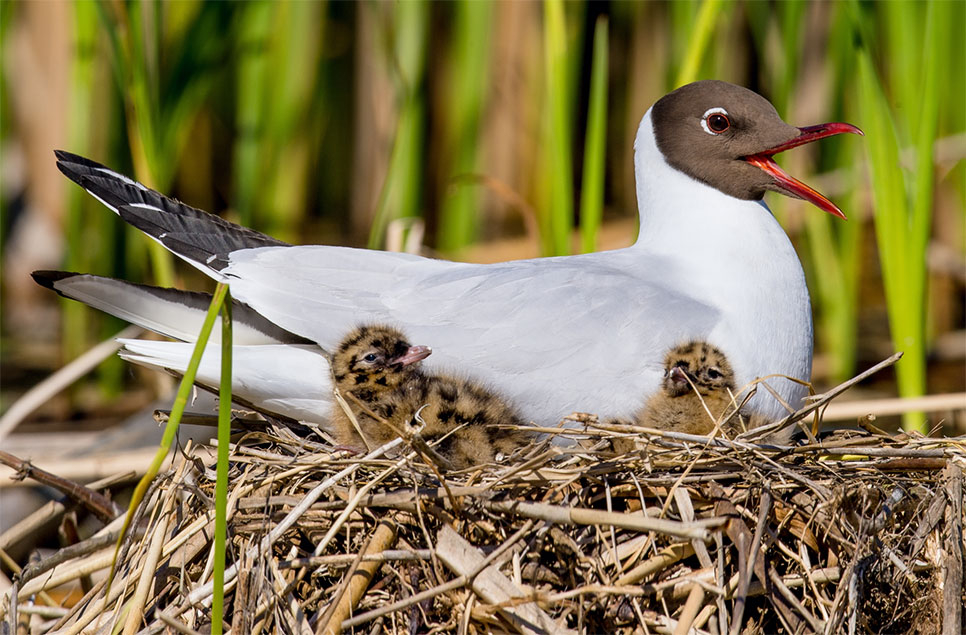
Your window on wetland wildlife - May 2020
Hello! And welcome to another round up of our top wildlife picks from across our sites.
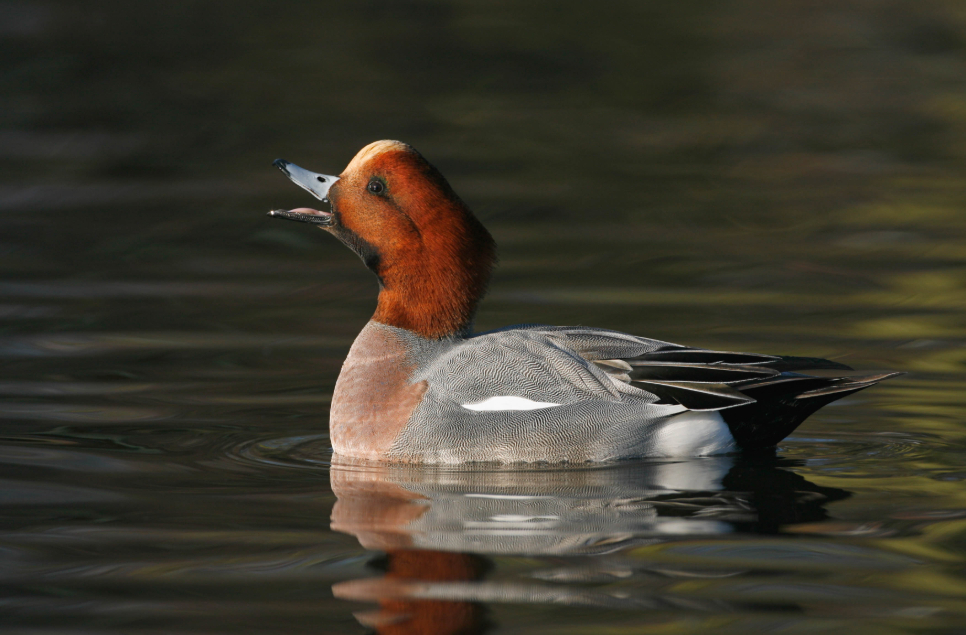
Why do birds sing, and what do their calls mean?
What do the songs and calls of birds mean, why do they sing more at certain times of the day or year and is it emotional or purely a means of survival?
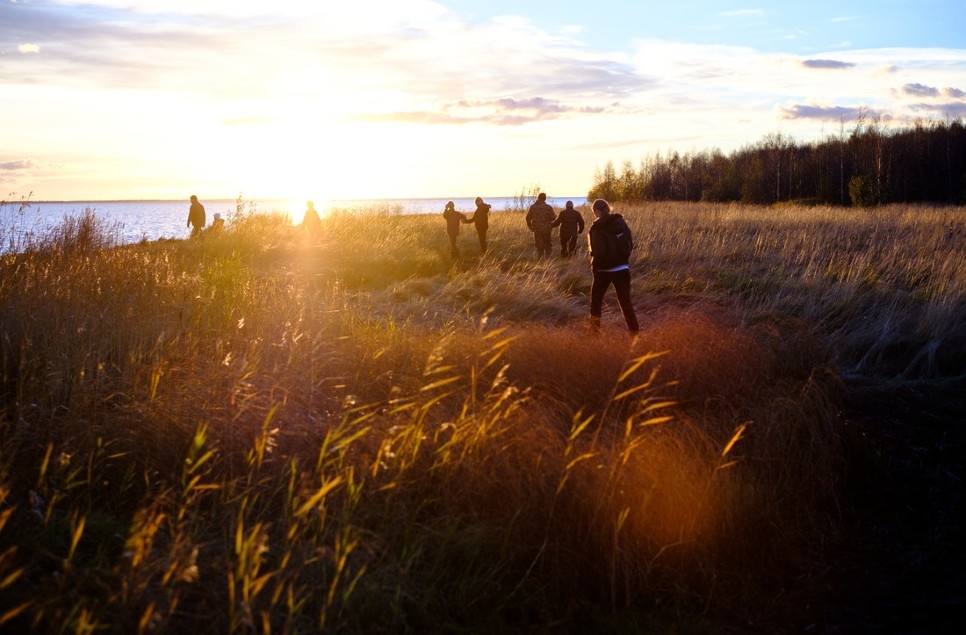
Nature and lockdown: how we can plan a ‘green recovery’ for our health
Many of us have become acutely aware that our connection to wild places and other forms of life is innate and essential to our wellbeing as well as that of the wildlife we love. So how can we make nature and our health our priority?
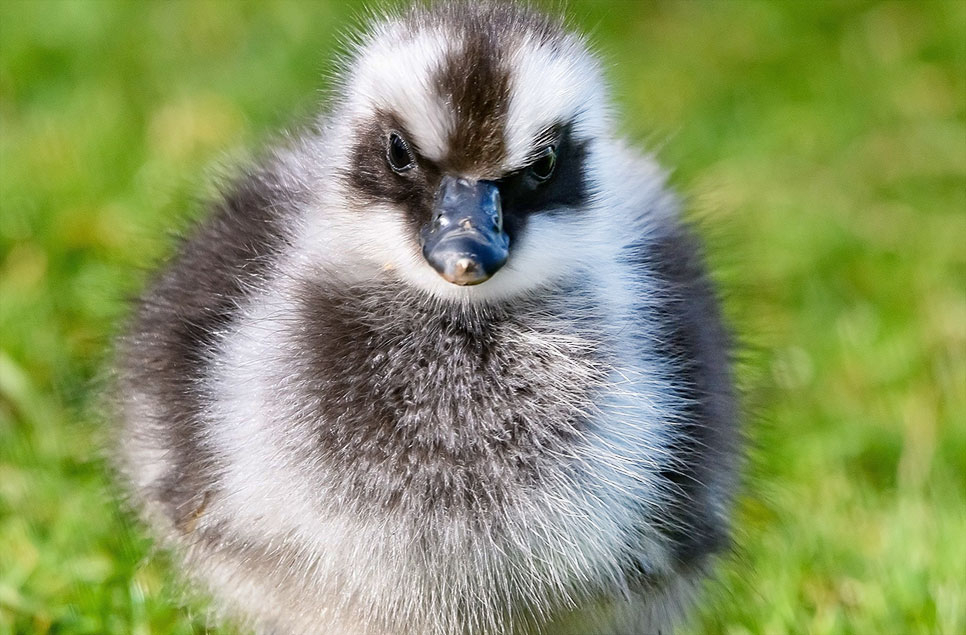
Behind the scenes at our centres
If you’re wondering what our favourite residents are up to during lockdown, here’s a sneak peek from those busy taking care of the animals. If you’re missing the cheeky antics of our otters or the welcoming peck of a goose you’re in for a treat…
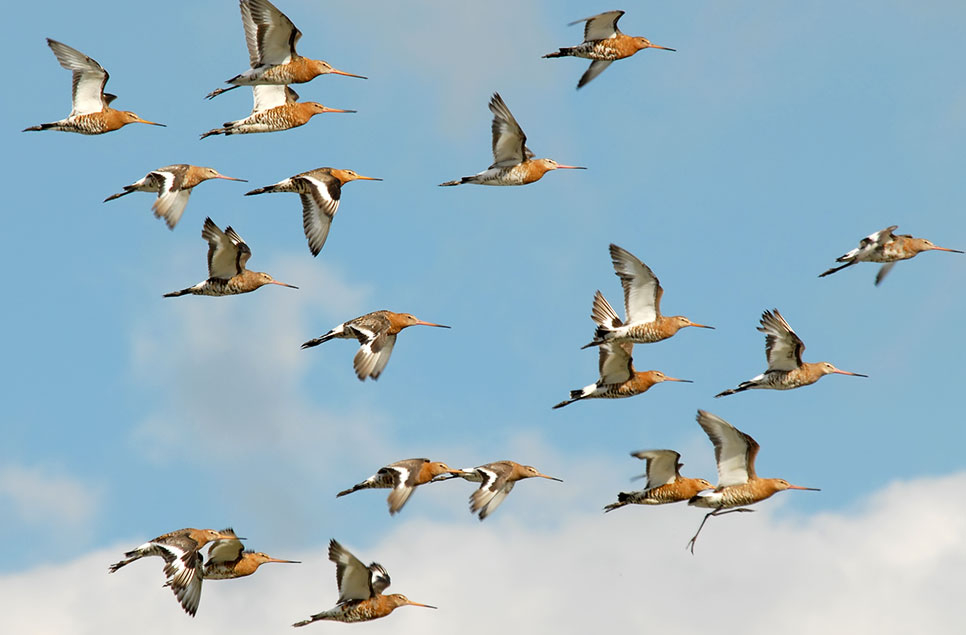
Welcome home! Black-tailed godwits return to WWT Welney
It seems that home really is where the heart is, even if you’re a black-tailed godwit. With good numbers already returning to Project Godwit sites this year, the future looks bright for these iconic waders.
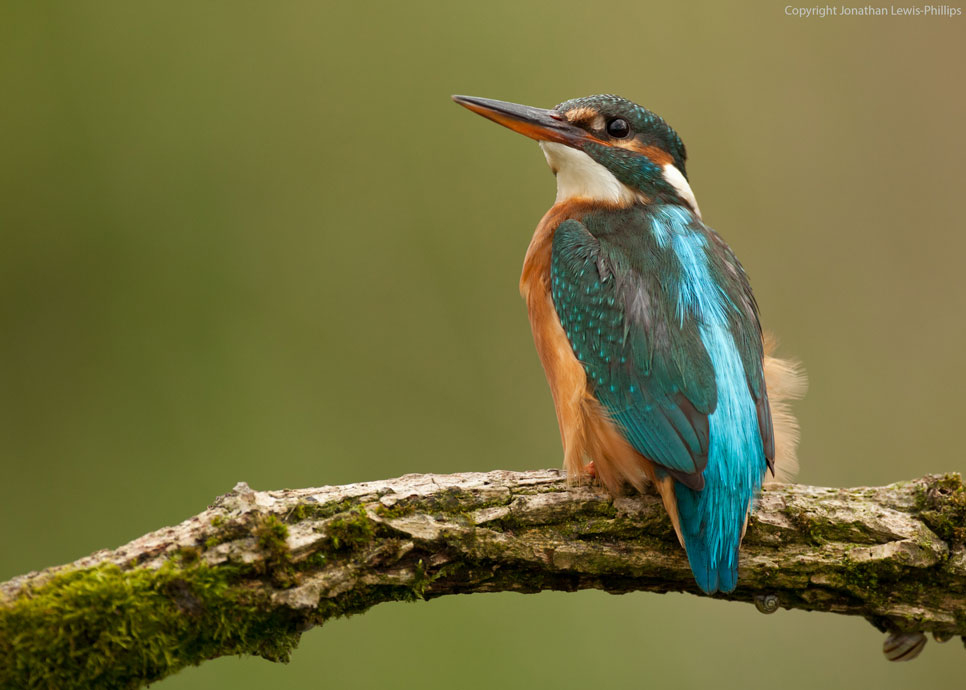
Can a wetland bring a dead lake back to life?
Find out how PhD student Olly Van Biervliet turned a polluted shallow lake into a thriving, healthy ecosystem using a constructed wetland for wastewater treatment. It now boasts a vast and growing range of biodiversity.
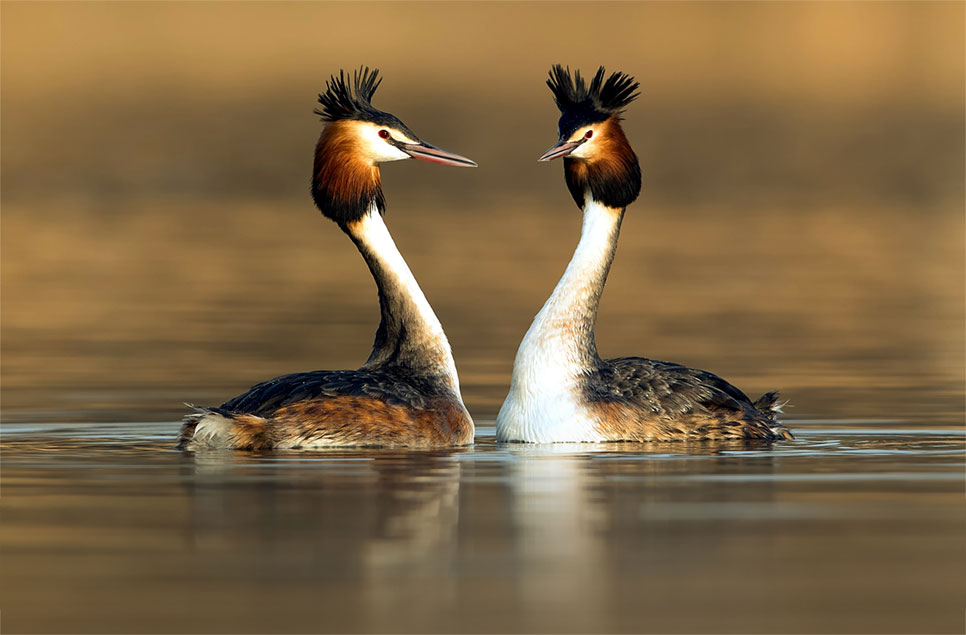
While humans are away, the birds put on a display
Wildlife courtship displays can be dazzling to watch. From dances to poses, here are some wetland courtship displays to look out for this spring.
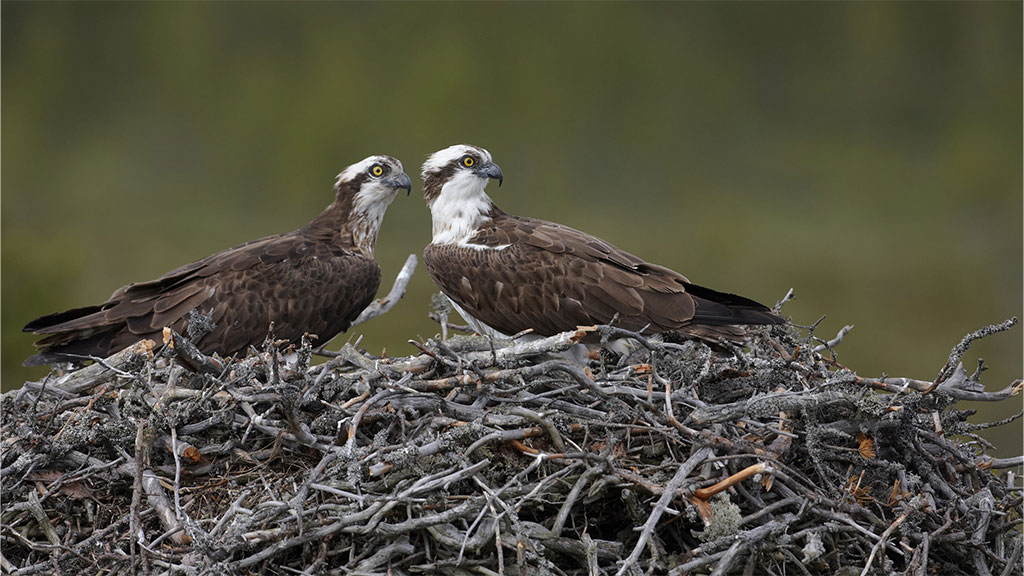
Which wetland birds migrate to the UK in spring?
Have you ever noticed how many different birds there are in spring? Every year a huge biodiversity of bird life migrates to the UK's wetlands, from water-loving raptors like the osprey to the bird with the longest migration in the world.
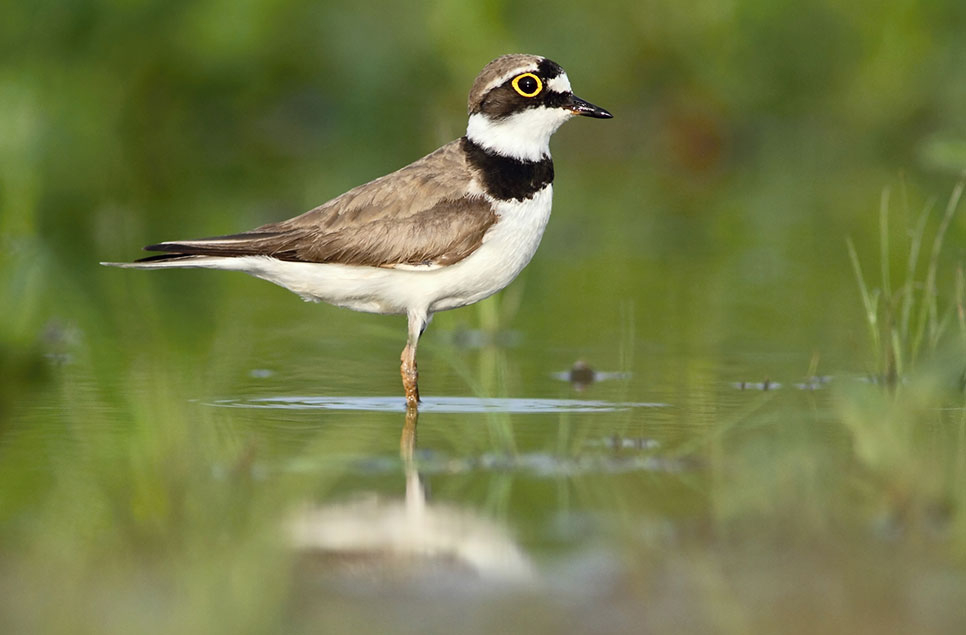
Your window on wetland wildlife - April 2020
Since lockdown began we’ve been working hard to bring nature to you. Our social media channels have been full of the hum and buzz of spring on our reserves. It’s a great way for you at home to feel connected to the wetland nature we're missing.