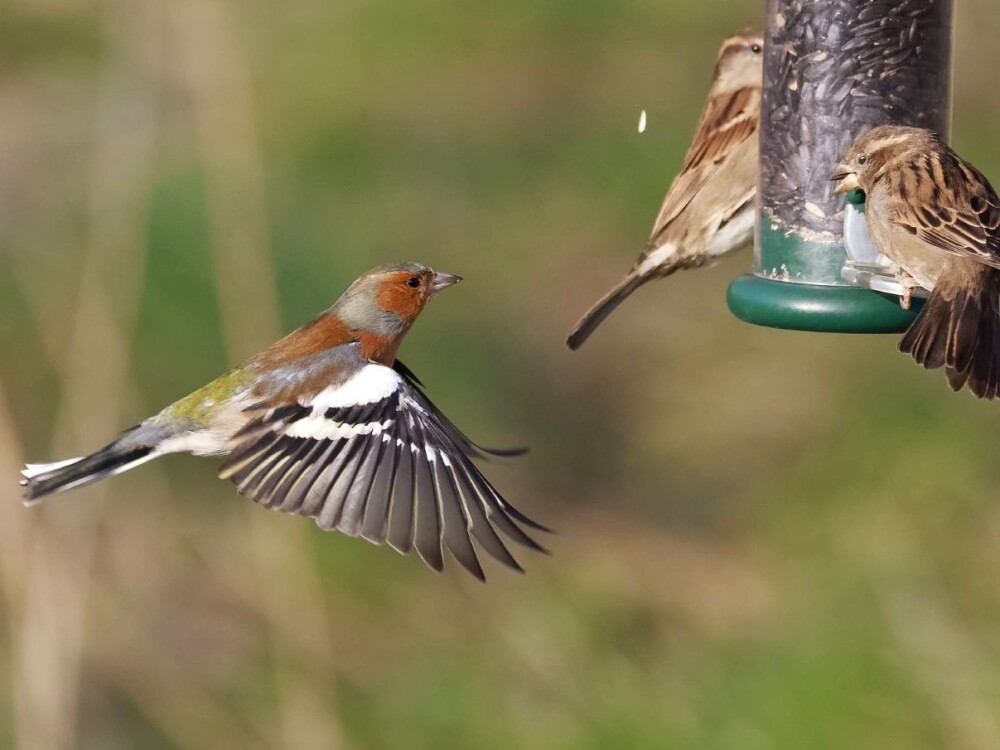
At WWT Caerlaverock, we want to support our birds as much as possible. From creating biodiverse habitats to regular monitoring and counting, our team is always working towards building a better, safer, and more flourishing ecosystem for all of our wildlife to benefit from.
Therefore, we have adapted a new bird feeding strategy on site. There are some dangers to bird feeding that everyone should be cautious of – most importantly, the spread of bird diseases, such as trichomonosis. This is a highly contagious disease that can spread where birds gather in large numbers, like at bird feeders. It has contributed to a great decline in many of our favourite garden bird species – for example, the population of greenfinches has dropped by over 65% in the last three decades.
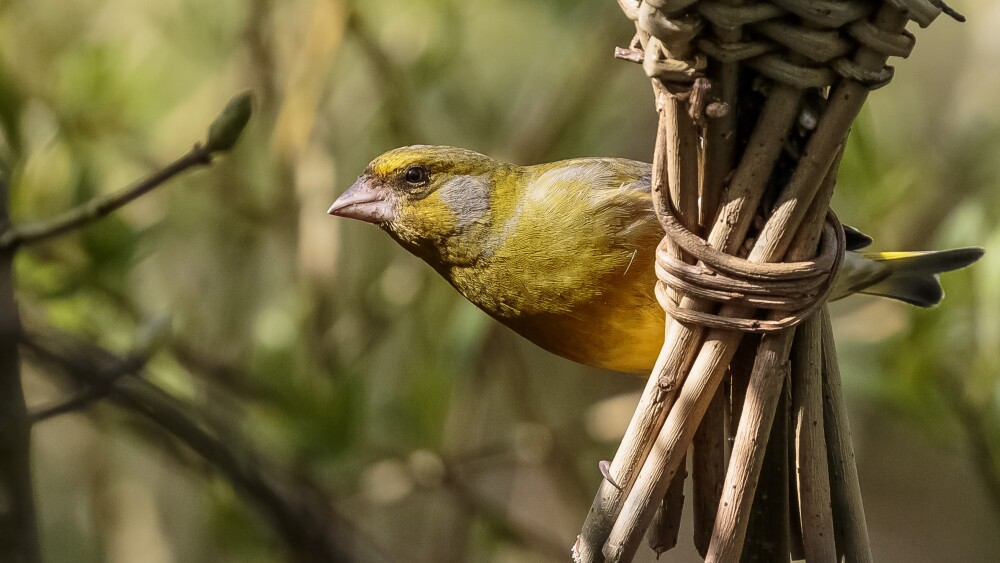
The RSPB has published new guidance, which, in a nutshell, is to feed simply, feed safely. Using this guidance, we have constructed our own policy, which takes into account all the concerns and health hazards that bird feeding poses, and maintains a beneficial level of feeding for our birds when they need it most.
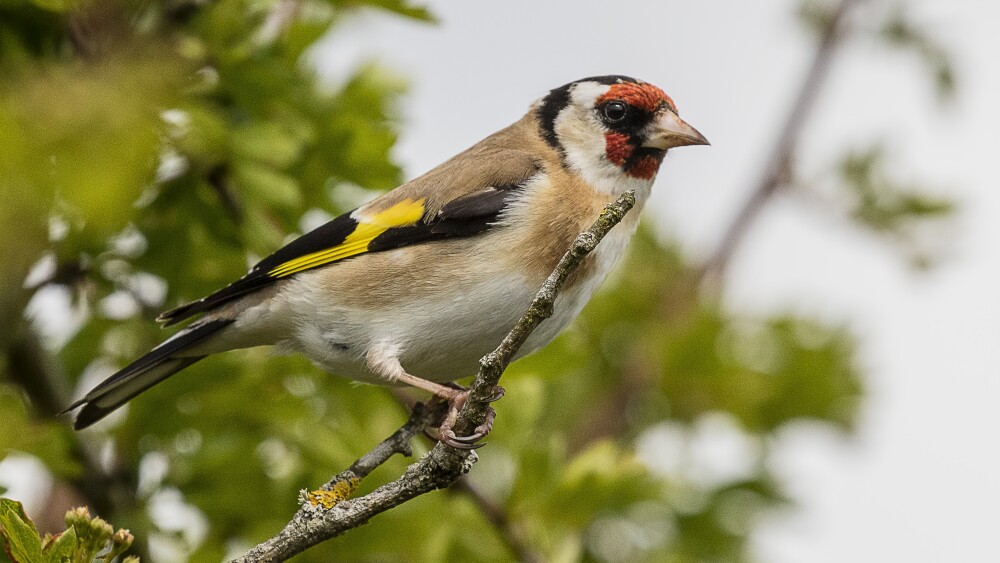
Feed seasonally
From 1 November to 30 April, we will have 4 feeders available for birds: bird seed, peanuts, mixed wild bird seed, fat balls. The variety of food supports a wide range of garden birds.
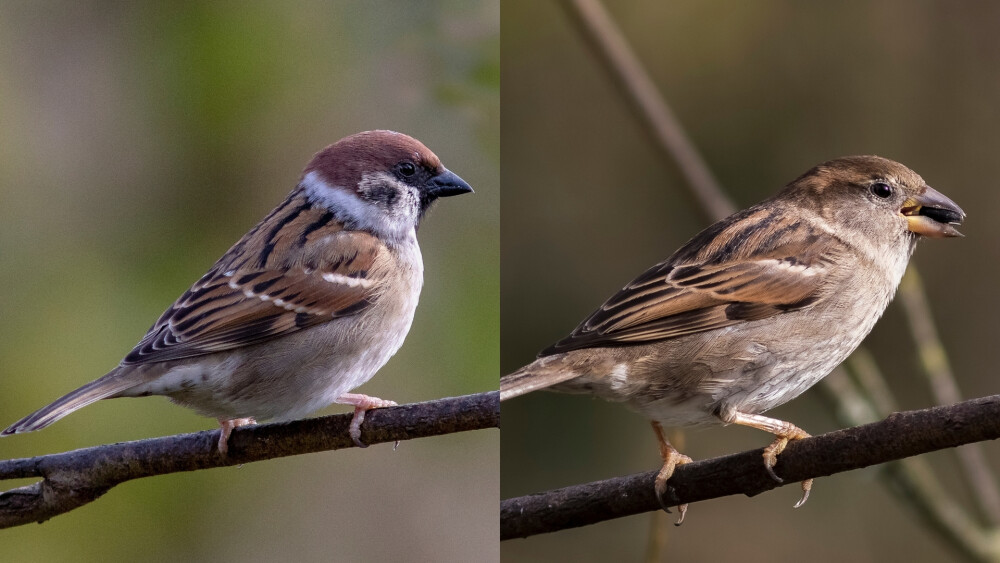
If we have bird feeders in use outside of this time frame, it is because we are trying to target our support towards tree sparrows. This species is scarce, and we have a strong population here at Caerlaverock, so we are givingStudies have shown that targeted feeding can improve the tree sparrow’s breeding success, and so we would only be using specific tree sparrow feed (millet seed) and will adhere to the following feed safety policies below.
Feed safely
There are several plans in place to ensure that our birds at WWT Caerlaverock are fed safely.
- All bird feeders will be scrubbed once a week. Good hygiene is essential – we will clean the feeders with hot, soapy water and a Safe4 mix. We will also clean the ground and areas around the bird feeders.
- Bird feeders are moved. Every two weeks, we will move our feeders to one of three locations: the old feeding station in the Peter Scott Trail, in front of the Visitor Centre offices, and in front of the picnic area windows. This prevents build-up of potentially contaminated debris underneath.
- Avoid putting bird feeders under places where birds roost. As bird droppings can be a key transmitter of diseases, we will ensure that we aren’t using sites where bird droppings are more prevalent, such as under trees or near hides.
- We will not use flat-surfaced bird tables, window feeders, and tray feeders. Research has confirmed that there is a higher risk of the spread of bird diseases on flat surfaces, where food can collect.
- Feed in moderation. We will monitor the intake of food from our feeders and adjust how much food we put out, ensuring that food is cleared from the feeders within two days. This reduces the amount of excess food and waste and helps us keep the bird feeding areas clean.
- Keep food as dry as possible. Damp food increases the spread and longevity of disease. We will ensure that our bird feeders are rain-proof and designed to limit condensation.
For more information, please visit the RSPB’s webpage for latest guidance on feeding garden birds.
By Georgia Pope, Engagement Officer