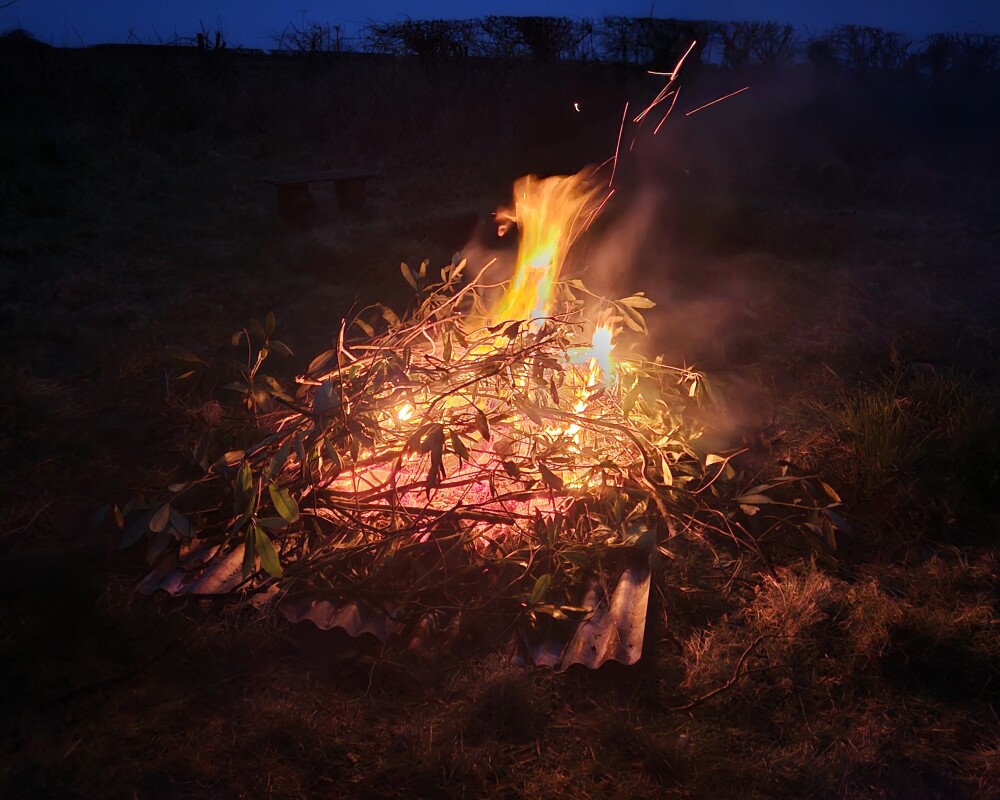
Bonfire Night (or Guy Fawkes Night) is approaching, and so the bonfires and fireworks set to be lit.
It’s a widely celebrated event, and while they can be very exciting to experience, there are also lots of hazards and dangers to be aware of.
There are obvious personal safety issues they can pose (fires, injuries, etc.), but they can also have severe impacts on local wildlife and nature. As a nature conservation reserve, we want to share some tips and advice with you to help you limit the damage in your areas and protect your precious wildlife from this noisy night.
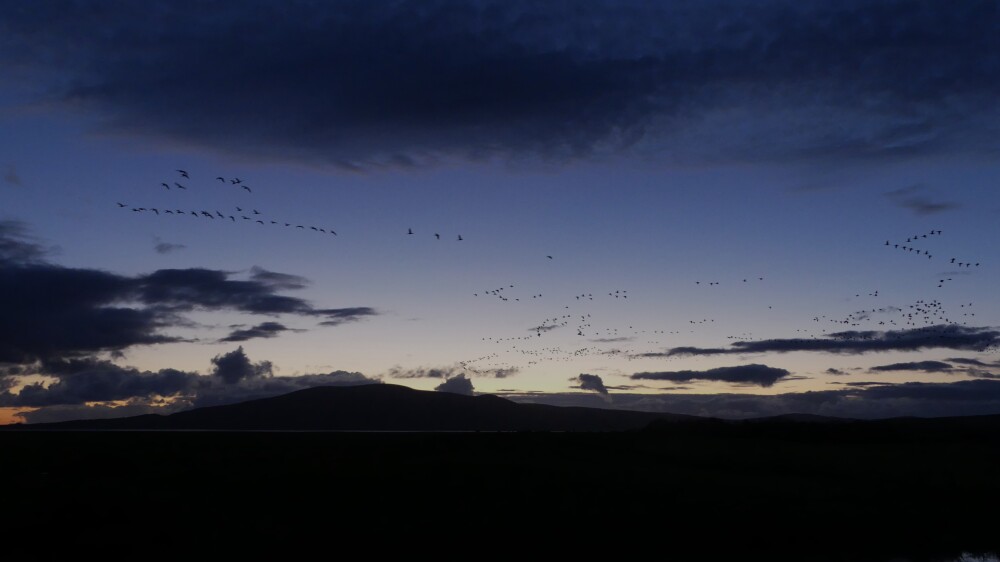
Impact of fireworks and bonfires on wildlife:
- There are lots of environmental impacts caused by Bonfire Night. Fireworks produce toxic pollutants which can be consumed by animals, harming the immediate creature and causing knock-on effects down the food chain. Soil and water can also become contaminated by harmful chemicals, affecting larger areas of wildlife habitats.
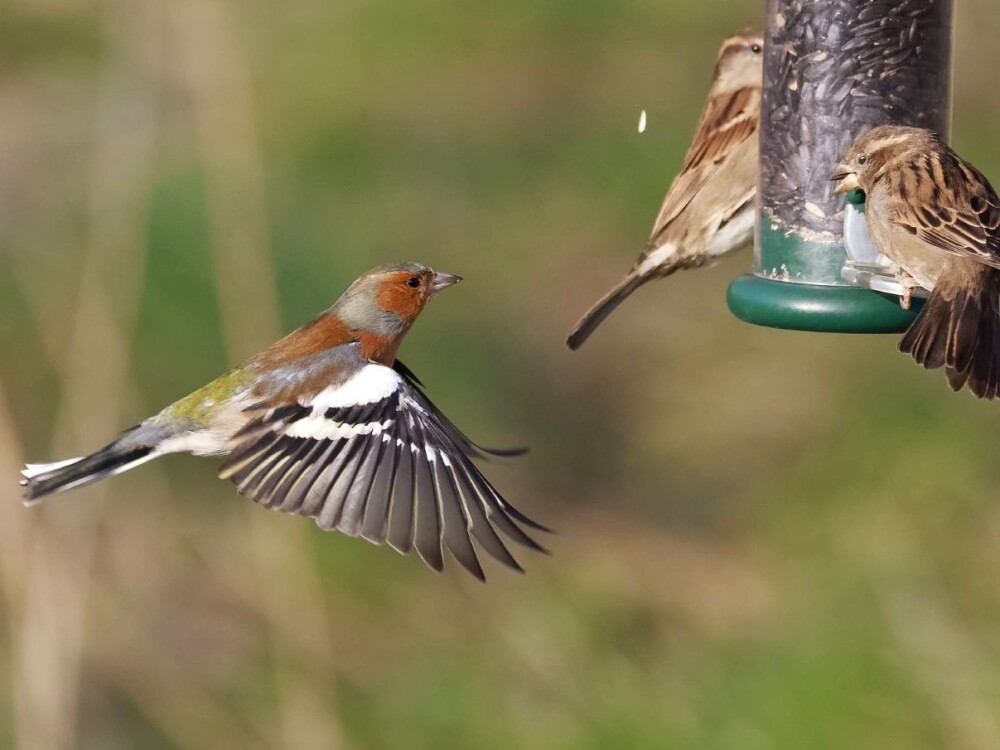
- The physical impacts caused by Bonfire Night are also significant; the sudden bangs and bright lights can cause animals and birds to panic, resulting in actions that lead to the creatures’ injuries and deaths. Some birds are also known to abandon their nests in the panic, leaving their young to fend for themselves.
- Birds and animals can also suffer from psychological impacts. Some are simply frightened to death – their heightened senses are more susceptible to immediate damage than ours are. They can also experience immediate and intense stress, causing both short-term and long-term problems.
So, if you are planning on lighting bonfires and fireworks, consider this advice:
Choose a safe location
Avoid trees or wooded areas and don’t light them near waterways, to prevent the chemicals from contaminating the water and causing further damage.
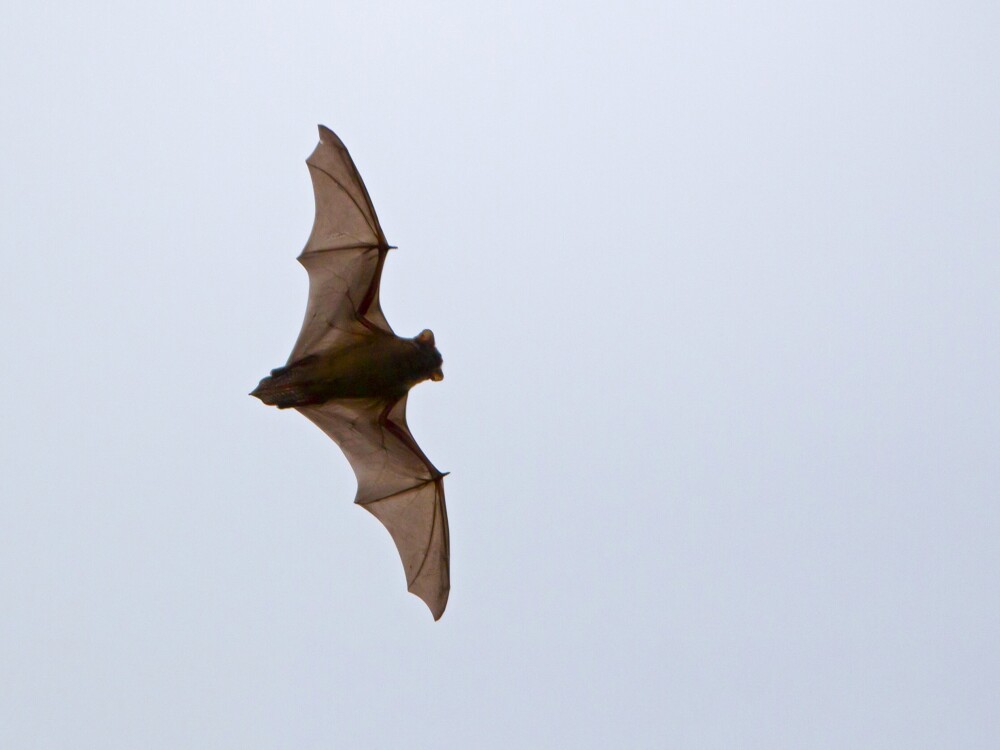
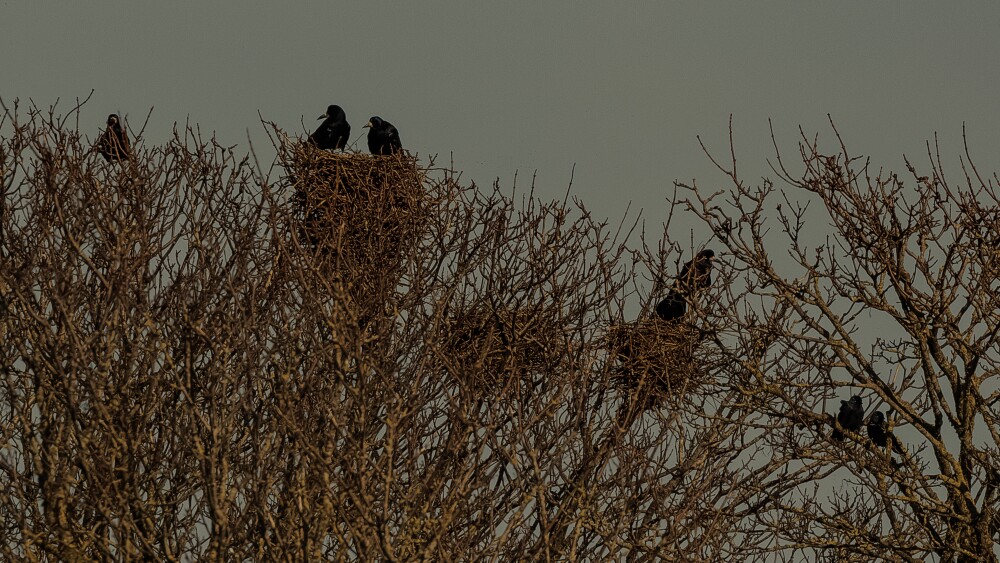
Avoid areas of known animal habitats, such as badger setts, bird nests, and bat colonies.
Avoid all livestock areas – while it’s likely that farmers will prepare and protect their livestock where possible, the damage caused and experienced by larger animals in a state of stress can be astronomical.
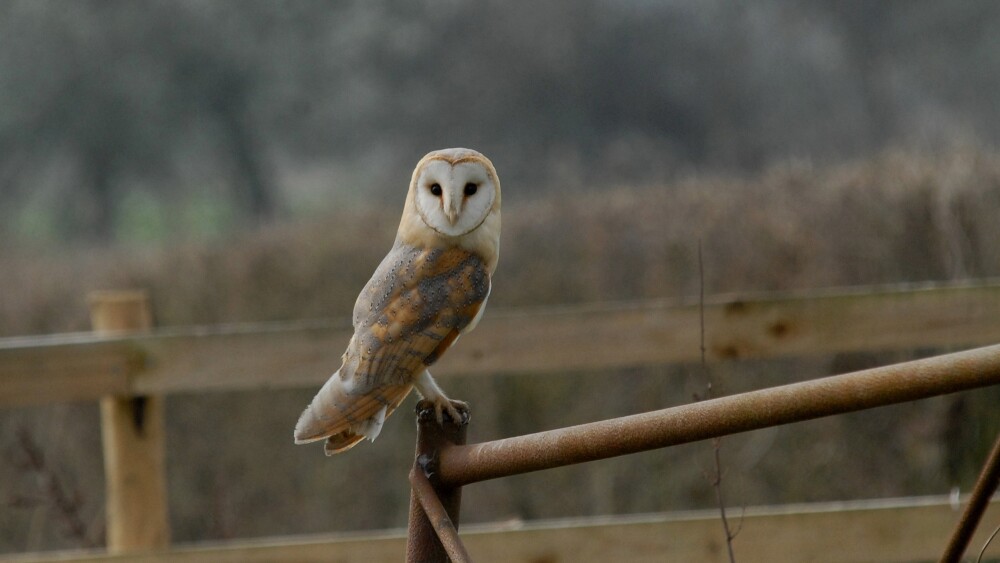
It is an offence under the Wildlife and Countryside Act to recklessly or intentionally disturb a Schedule 1 species, including barn owls, so check your local area for these species to make sure that you’re upholding the law.
Consider what you’re using
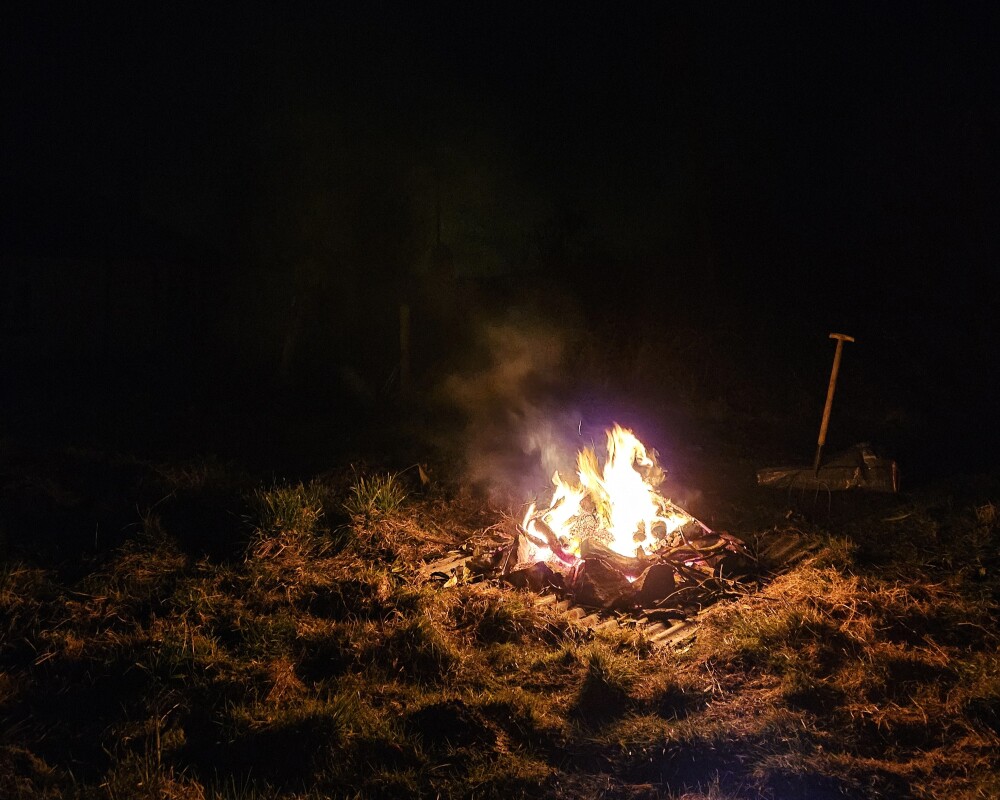
Bonfires are dangerous if not properly planned – they are safer in containers and when they are smaller. Have fire protection equipment with you and water to extinguish the fire fully afterwards. Never leave a bonfire unattended. Only build the bonfire on the day of the event – the longer a prepared bonfire is left, the more likely it is that wildlife will find it and start building homes there. Check the bonfire before lighting for wildlife (remove anything you find!), and light the fire from one side, to allow any missed wildlife to escape before the whole things is lit.
You should also consider using silent or low-noise fireworks to limit the sound impact on wildlife.
Clean up after yourself
Spent fireworks, cases, debris - soak them in water to prevent reignition and dispose of them properly. They cannot be recycled.
Go to a local community firework/bonfire display instead
Similar to using public transport being better for the environment than using individual cars, it’s better to join a community bonfire than to host your own. This limits the number of bonfire and firework sites and limits the negative impacts on the wildlife. It is highly likely that community organised events will also prepare properly and support lots of wildlife protection principles too.
For more information about how to protect your wildlife this Bonfire Night, visit the RSPB website.
Written by Georgia Pope, Engagement Officer