There’s something scary lurking out on the saltmarsh, and it’s not the WWT Caerlaverock wardens!
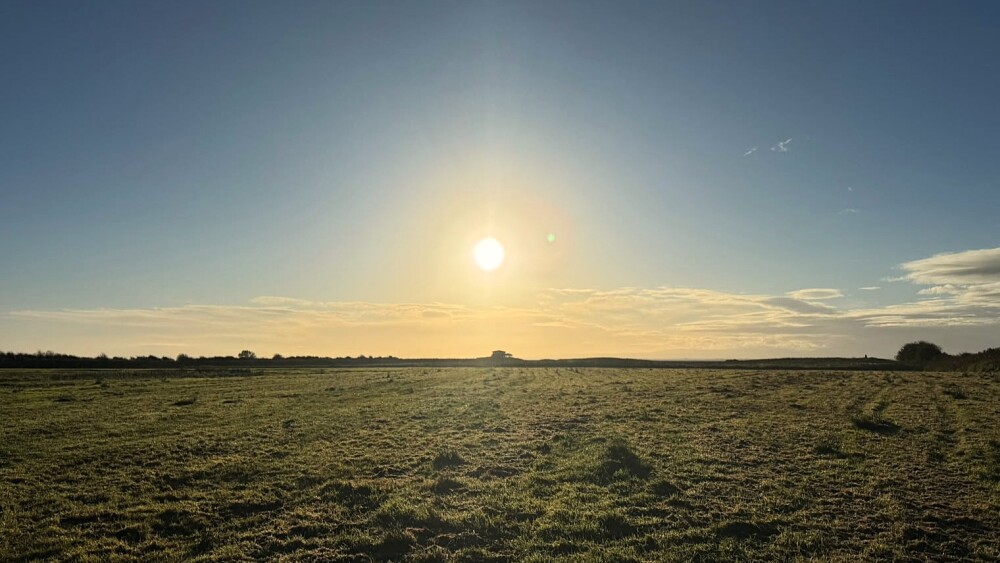
As part of the Connecting Caerlaverock Development Project – more information to be shared about this soon – we’ve been working to discover more about the species present on the reserve at WWT Caerlaverock. Part of this has included putting audio recording devices at various locations across the reserve to record bat activity. To our surprise, we found lots of bat activity out on the saltmarsh. Relatively little is known about how and why bats use saltmarshes, with research from Australia providing some of the few published insights.
Tuning in to Bat Radio
Bats use echolocation to navigate and hunt for prey, emitting ultrasound calls which are too high frequency for humans to hear. These sound pulses travel through the landscape, bouncing back off objects such as trees, insect prey, and other bats. Bats will listen to these returning sounds (known as echoes) which provide them with information about their environment.
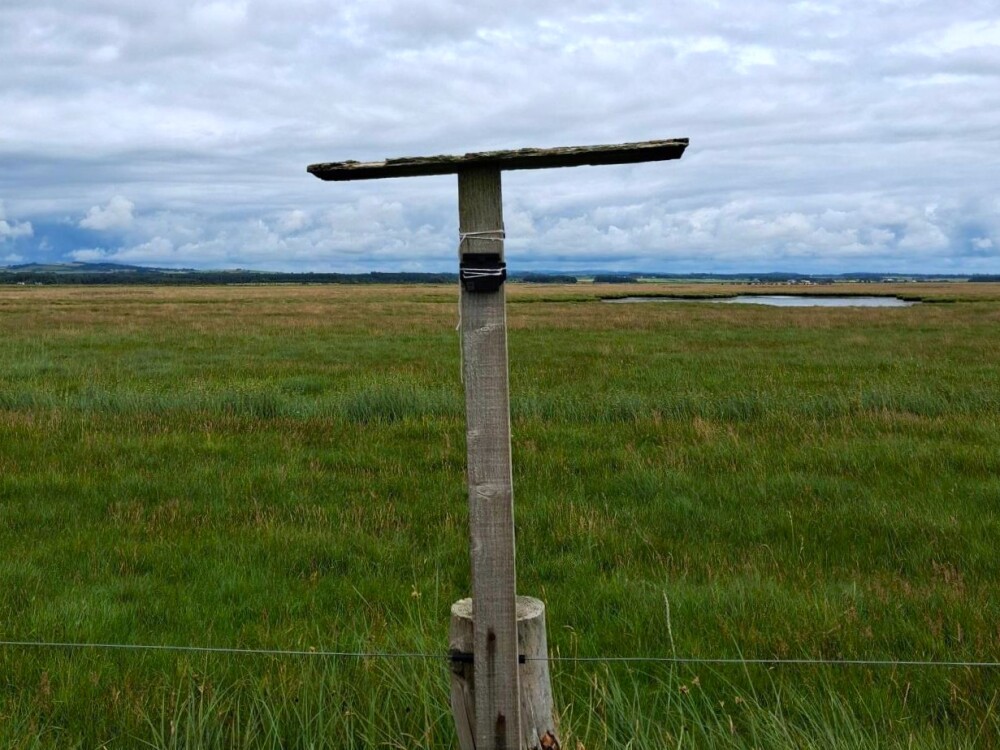
We used audio recording devices to record these calls between sunset and sunrise. The audio files are then run through computer software which uses the shape and frequency of the calls to identify which species they belong to. Different bat species use different frequencies and call patterns, and some experts are even able to tell whether a bat is hunting, commuting, or socialising!
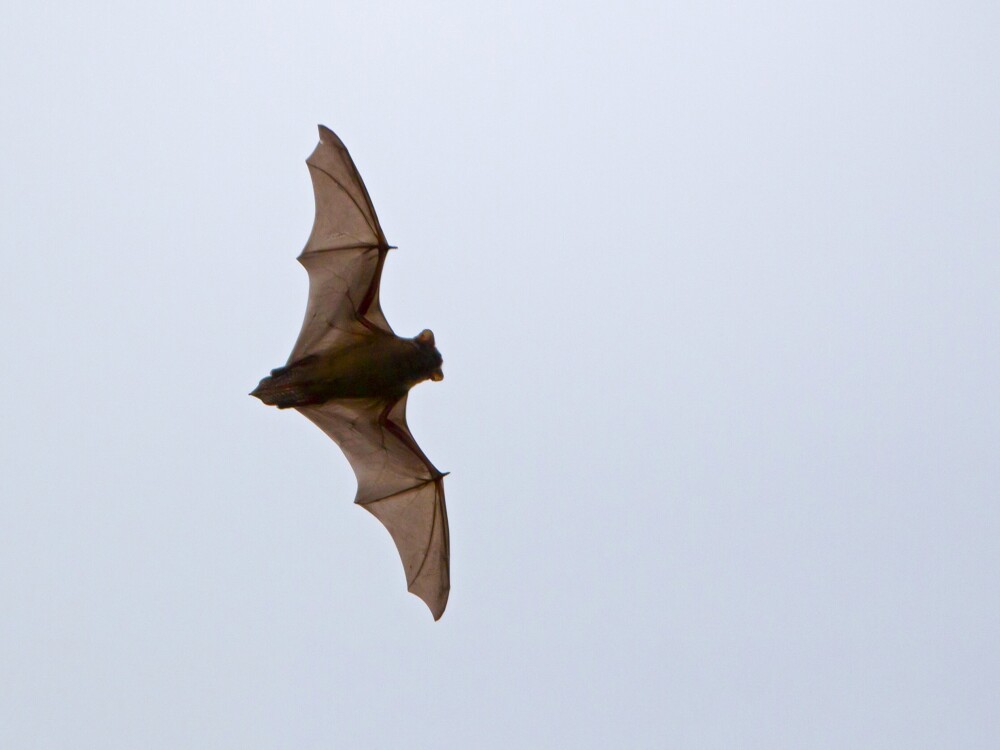
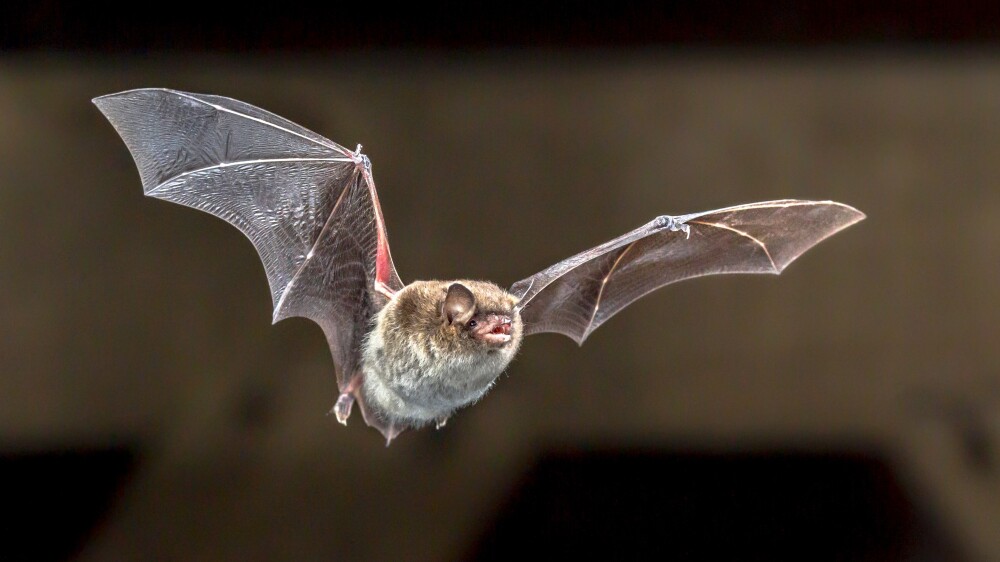
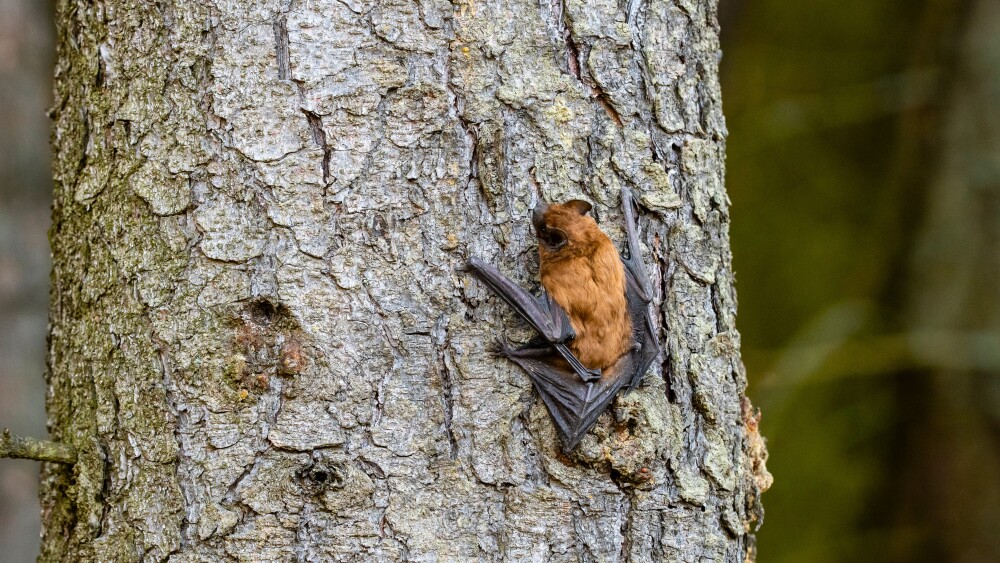
From our recordings, we have found five different species that have been using the saltmarsh: Daubenton's, Leisler’s, Noctules (top image), Common pipistrelles, and Soprano pipistrelles. This is really exciting news, as it shows our saltmarshes are providing insect rich foraging habitats for bats, attracting them across the merse to hunt at night.
The Big Bats of the Saltmarsh
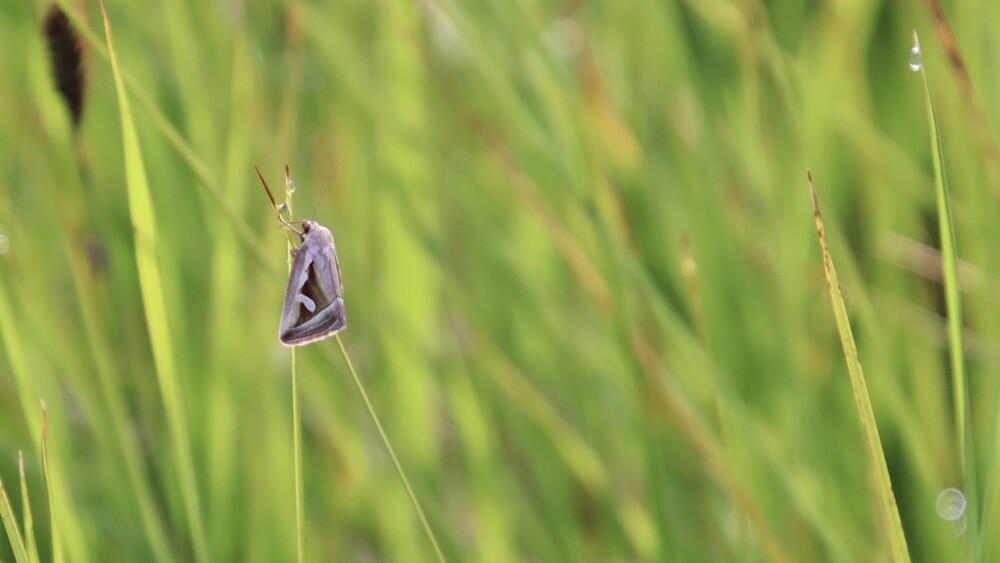
The highest levels of activity were seen in Noctule and Leisler’s, two species classed as ‘Big Bats’. Leisler’s weigh between 11-20g, whilst Noctules can weigh up to 40g, making them the largest bat found in Britain. These species are powerful flyers, covering a 3-4km area whilst foraging and able to fly of speeds up to 40-50km/h. Due to their size, these species can take larger prey, including flying beetles and moths.
We’ve paired up with WWT Steart Marshes and Bridgewater Bay NNR who are carrying out similar research across the saltmarsh on their reserve. Since 2010, they have recorded a whopping 11 species across their saltmarsh, including Barbastelle, Serotine, Noctule, Common pipistrelle, Soprano pipistrelle, Nathusius’ pipistrelle, Daubenton's, Leisler’s, Lesser horseshoe, Whiskered & Grey-long eared bats.
Stay tuned for more information about spooky saltmarsh species
There isn’t much known generally about which bat species use saltmarshes, or why they may use them. We hope to continue our research to find out more about how bats are utilising our saltmarsh environments, and what we can do to make them better.
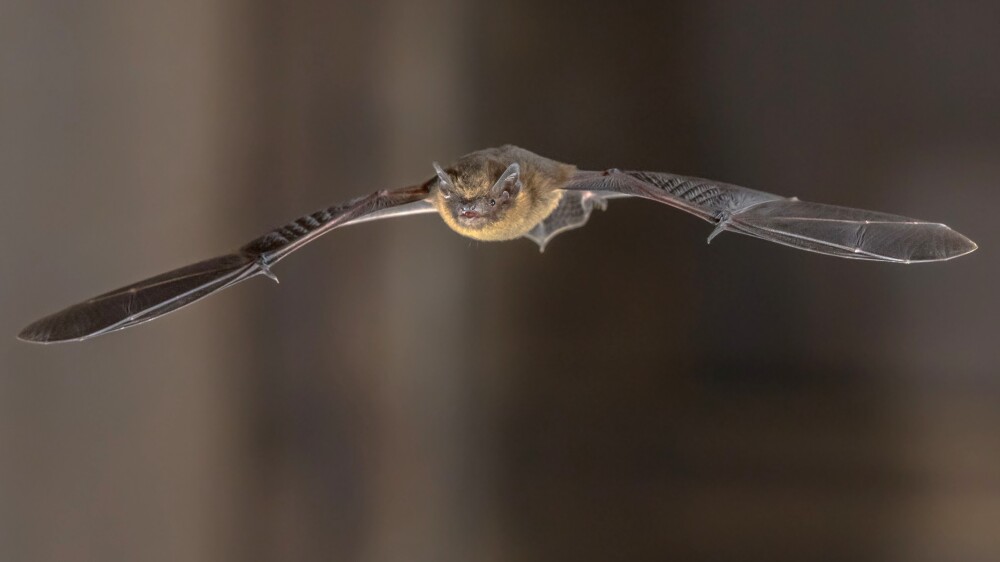
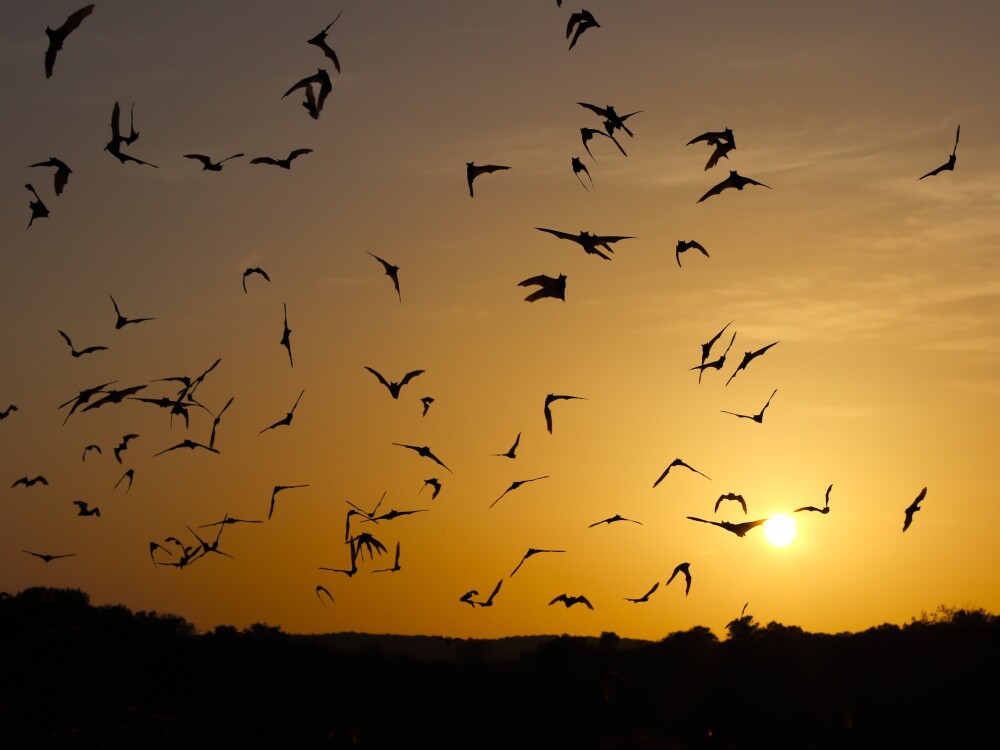
Every October, WWT celebrates Super Natural, an event that shows the incredible nature that can be found at this time of year at our reserves. These super flyers are part of this wildlife, and shows that even in the dark hours, our reserve can provide a wealth of exciting ecological discoveries.
Written by Emma Chinnery, Project Officer
The Connecting Caerlaverock project is supported by the Scottish Government’s Nature Restoration Fund, managed by NatureScot.