There are several misconceptions about ivy.
Ivy is not inherently invasive. While certain species or strands can become invasive in some circumstances, the majority of ivy is healthy, valuable, and provides a wealth of benefits to local ecosystems.
Ivy does not damage trees. Its roots are not deep enough to penetrate or weaken healthy trees. Ivy can grow beneath a tree’s canopy and often establishes itself on trees that are already declining or dying, but it does not cause the tree to die. In fact, its dense foliage can even form a protective layer, providing a natural defence against harsh weather.
Ivy does not attract pests. In fact, it is an important food source for wildlife, particularly as the weather gets colder and other sources of food become scarce.
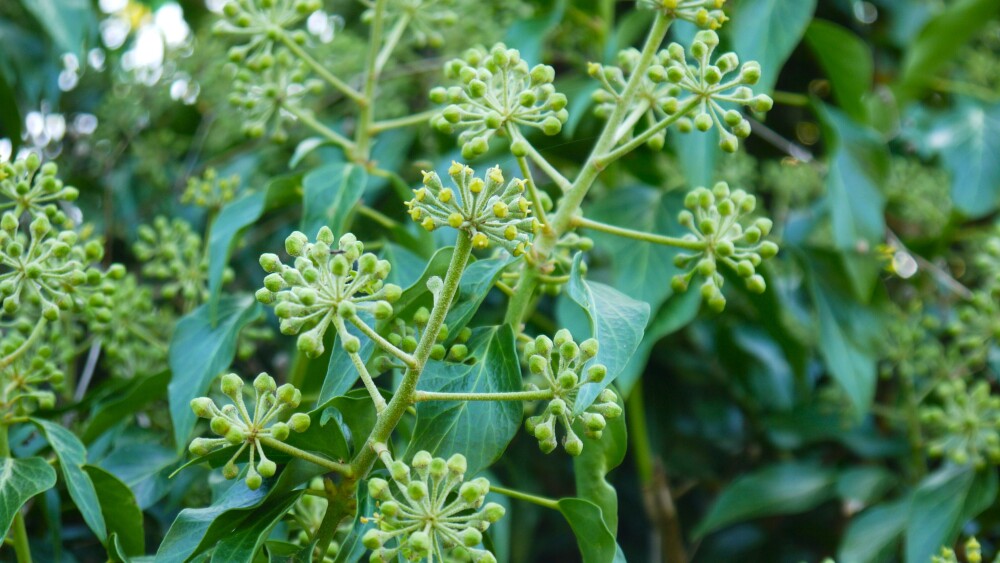
Ivy (Hedera helix) is a British native climbing plant that grows year-round along hedgerows, up tree trunks, and across the sides of buildings.
One of ivy’s greatest benefits is its timing. It flowers from September to November and produces berries into January, a time when far fewer flowering and fruiting plants are available. This makes ivy an especially valuable resource for wildlife as autumn turns to winter.
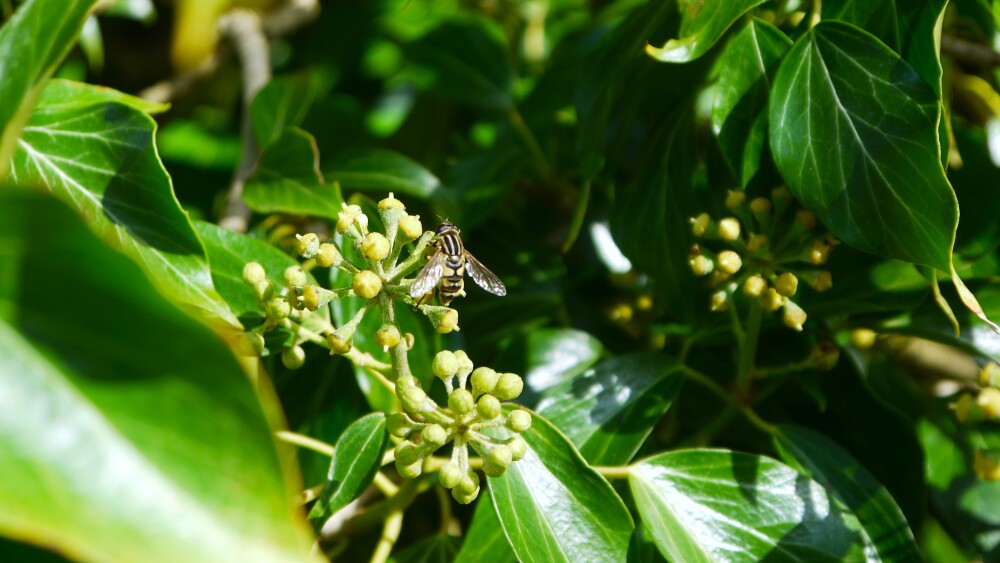
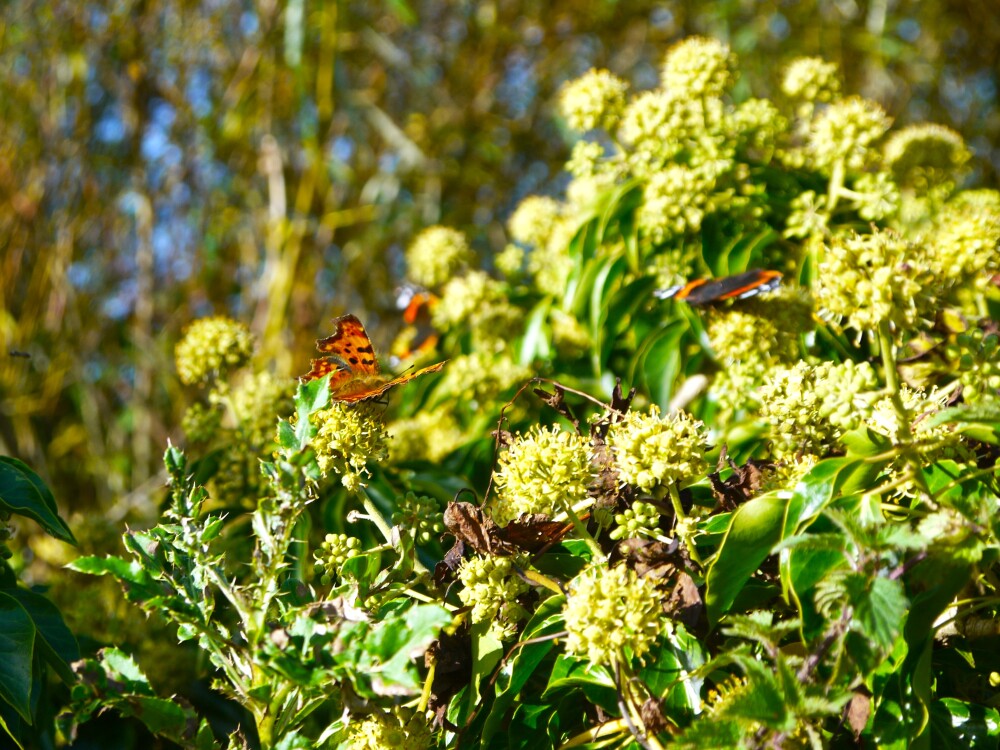
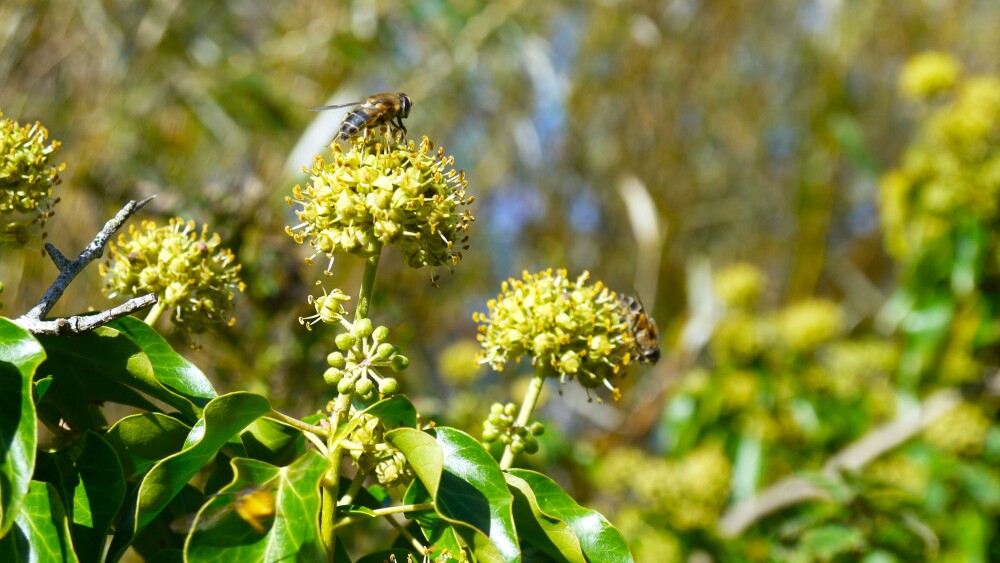
Its nectar and pollen are favourites among wasps, bees, hoverflies, and many other insects. Its berries provide a rich source of fats and sugars for birds like thrushes, blackcaps, woodpigeons, and blackbirds. Ivy also offers food and shelter for late-summer butterflies and moths, supporting an abundance of smaller creatures when they need it most. They can even provide some coverage for bats during summer, who use the protection of the leaves to roost underneath.
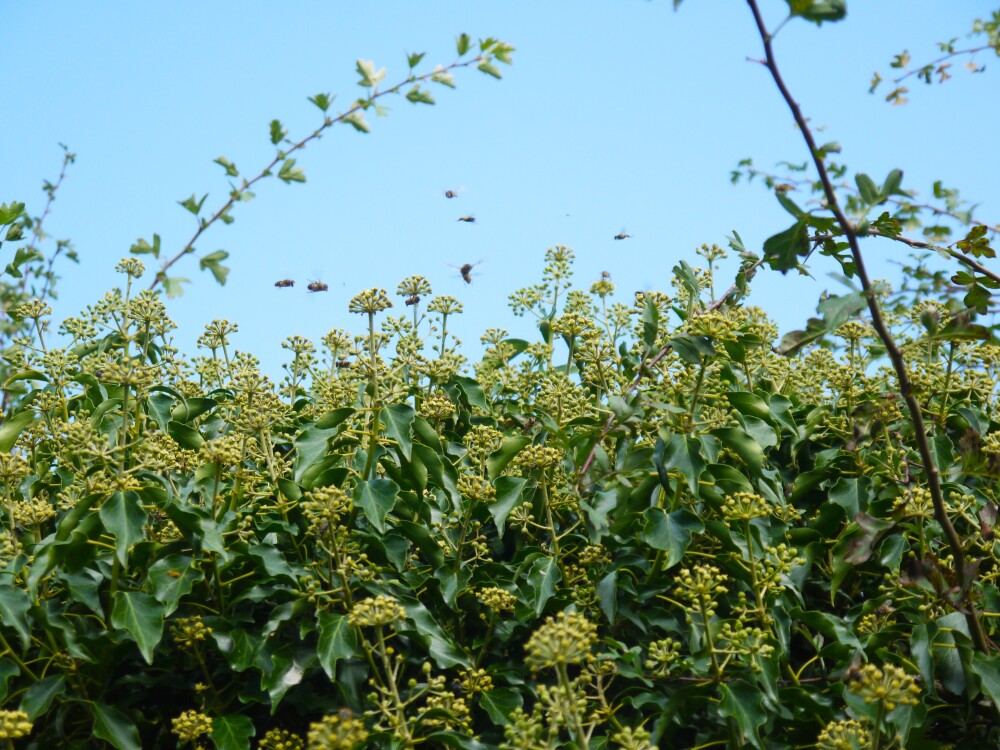
Here at WWT Caerlaverock, ivy is supporting our wildlife splendidly. As you walk along our paths, you’ll see leaves and flowers alive with flies, bees, butterflies, and other insects. Often, you’ll hear the gentle hum and buzz of activity before you even see where it’s coming from.
Our reserve provides incredibly diverse habitats for a wide range of species, and plants like ivy play an incredibly important role in creating and fortifying these thriving ecosystems.
So, next time you see ivy growing somewhere you might think it shouldn’t be, take a moment to consider the incredible benefits it provides to a whole host of creatures and wildlife.
Let’s stop spreading misconceptions about this glorious plant and start celebrating the vital role it plays in our natural world.
Photos and article by Georgia Pope, Engagement Officer