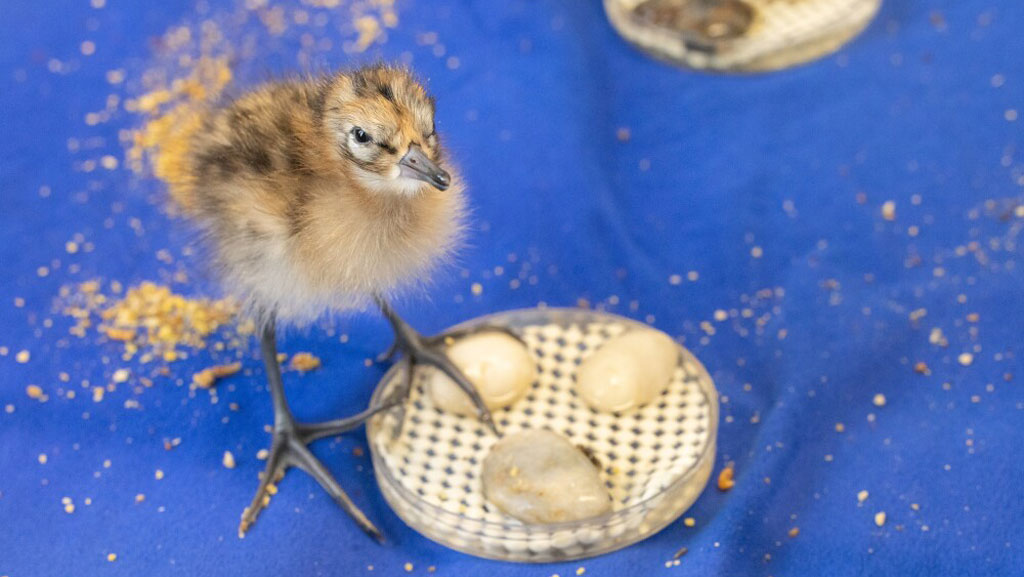
Efforts to safeguard the UK breeding population of black-tailed godwits and establish new populations have been bolstered by more than £650,000 funding from Natural England.
WWT, the wetland charity, will use the money from Natural England’s Species Recovery Programme to support its ongoing work to breed and rear chicks in captivity at WWT Slimbridge, Gloucestershire, before releasing birds back into the wild.
Funding will also go towards research, conducted by the RSPB, on population dynamics in the UK’s current breeding godwit population; alongside work with other experts (including WWT, Natural England and the National Black-tailed Godwit Working Group) to implement the recommendations of a 10-year national action plan for the species.
Ellie Jones, Head of UK Wetlands at WWT said: “This funding represents a lifeline for a red-listed species that we believe can be brought back from the brink. Black-tailed godwits are birds that belong in the UK’s flood-busting, water purifying wetlands.
“By raising the next generation of godwits away from predators and researching what is stopping them fledging chicks in the wild, we are giving this species the best possible chance to recover across the UK.”
The latest phase of black-tailed godwit work started in 2024 through a collaboration between WWT and the RSPB with support from the National Black-tailed Godwit Working Group. Eggs collected from flooded wetlands in Cambridgeshire were saved from washed out nests, then hatched by WWT’s expert aviculturists.
Now two years old, the original clutch of chicks have grown up, paired with other birds at WWT Slimbridge and successfully laid the next generation of eggs.
As well as meeting the costs associated with hatching and raising more birds, WWT will also use the Species Recovery Programme funding to carry out detailed population modelling for future generations and carefully assess potential release sites around the UK, where the offspring of the birds raised in Gloucestershire could one day take flight.
Birds will be released in the Fens, where 95% of the UK’s breeding birds currently reside, near WWT Welney and RSPB Ouse Washes, but also at another site in the UK which could support a new breeding population of black-tailed godwits.
Natural England Chair Tony Juniper said: "For decades Natural England's vital species recovery work has revealed how even the rarest of the rare can be brought back from the brink. The red kite, lady's slipper orchid, pool frog, beaver and large blue butterfly are among examples that demonstrate the many opportunities at hand and what can be achieved for nature and wider society.
“We know that good science and effective partnerships can help restore species to favourable status, and this funding will enable us to support many initiatives to help halt and reverse the decline of our wonderful wildlife."
Other successful projects benefitting WWT from the latest applications to the Species Recovery Programme funding include: a £2.4m study into the predation of wading birds, led by BTO, and efforts to conserve native white-clawed crayfish, lead by the Royal Society of Wildlife Trusts.
Mike Shurmer, Head of Species and Habits for RSPB England, said: “Black-tailed godwits are one of the most threatened birds in England and are a high priority for continuing conservation action.
“We are delighted to be collaborating with WWT on this project, so that we can take forward the vital actions needed to secure their recovery, including essential research to understand the factors influencing survival in the Fens population, and coordinating delivery of the National Action Plan."
Contributions from WWT supporters to the 2024 Winter Appeal supported the original clutch of chicks to safely grow up at WWT Slimbridge, pair with other birds, and lay the next generation of eggs.