As spring blooms and summer stretches into long, golden days, there’s never been a better time to explore the UK’s wetlands. From tranquil city sanctuaries to vast estuaries and wildflower meadows, WWT sites offer a chance to reconnect with nature, boost your wellbeing, and make lasting memories.
Whether you’re seeking calm, family adventure, or wilder moments with wildlife, your next staycation could start just around the corner - or become a journey through some of WWT’s nature-bursting wetlands.
WWT London Wetland Centre – An urban oasis
At WWT London, the city softens, and your summer of wonder begins.

Once a Victorian reservoir, this 105-acre nature reserve is now a haven for both wildlife and people. A place to swap crowded parks for wildflower meadows, shimmering pools and winding paths where nature takes centre stage.
Watch common terns dive, listen to warblers hidden in the reeds, and spot dragonflies skimming the water as butterflies drift past. Quieter areas offer space to pause and reset – perhaps over a coffee in the courtyard, looking out across the water.
For families, sensory activities bring the wetlands to life - from pond dipping and water play area to a wild walk along the wobbly bridge.
Travel tips: Buses from Barnes rail station, Putney Bridge and Hammersmith tube stations conveniently stop at the Red Lion Pub on Castlenau, just a five-minute walk to the centre. For electric vehicle drivers, charge points are available – so you can explore the wetlands while your car powers up.
Experience WWT London’s hidden wetland oasis.
WWT Arundel Wetland Centre – Secret wetland worlds
Between the looping flow of the Arun and the silhouette of Arundel Castle, reeds shoot up from old watercress beds, boats glide and dragonflies dart.
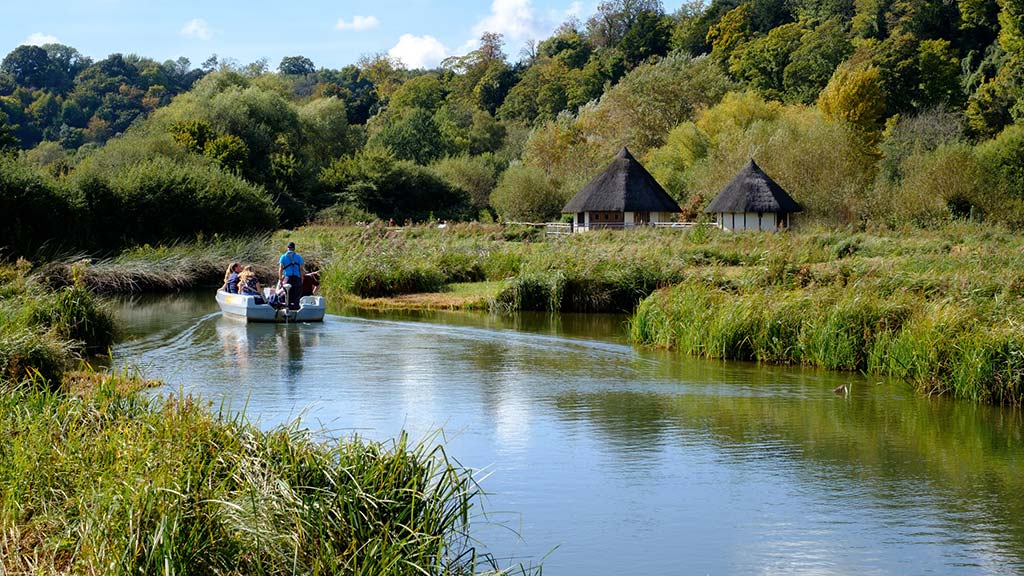
Stepping into WWT Arundel feels immersive. Paths draw you between tall reedbeds and out through wet meadows, opening onto water where the landscape shifts between enclosed and expansive, revealing new views at every turn. The reedbed boardwalk - one of the largest in Sussex offers a sense of space, balanced by quieter corners that invite moments of calm.
In summer, wildlife thrives. Wildflowers buzz with insect life, the sand martin colony is in full swing, and you may be surprised by the sudden flash of a kingfisher. Warblers chatter from the reeds, often heard before they’re seen.
Boat safaris move through hidden channels of the reserve. Early morning walks, optics days and moth mornings offer slower ways to connect, while families can enjoy pond dipping and seasonal craft activities.
Travel tips: Well connected by rail, WWT Arundel is an accessible day out - or a southerly stop on a wider summer journey through the UK’s wetlands. Step-free paths and inclusive facilities, including a Changing Places toilet, allow more visitors to enjoy the wetlands for longer.
Discover your summer of wonder at WWT Arundel.
WWT Slimbridge Wetland Centre – Summer by the Severn
In the south-west, WWT Slimbridge sits on the banks of the Severn Estuary, offering dramatic, expansive wetlands. In the summer, the 2000-acre reserve bursts into life.
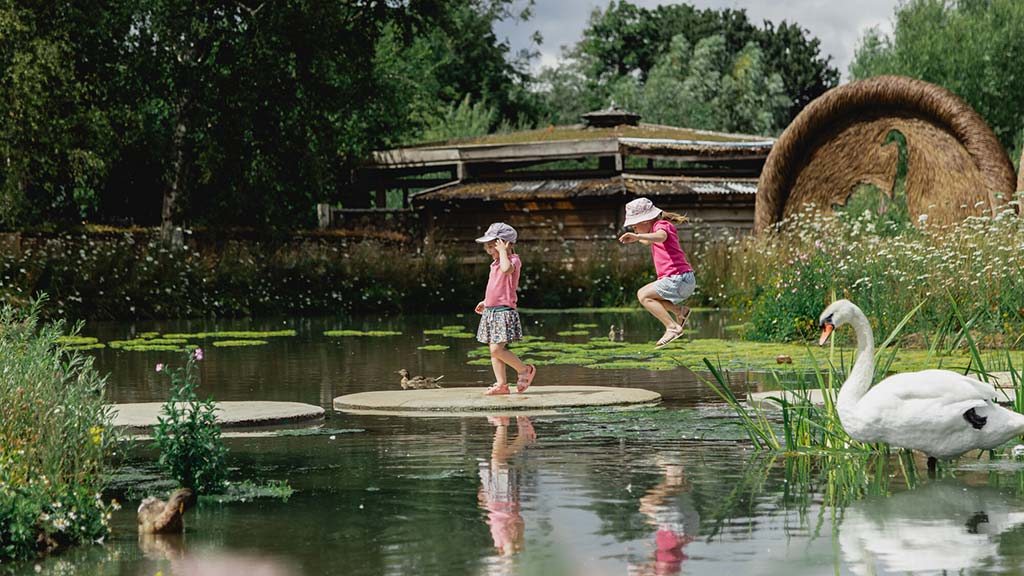
Spot dragonflies along the Summer Walkway, wildflowers and orchids framing pathways, and common cranes tending to their young. Kingfishers zip between banks, while panoramic views stretch out across the estuary.
There’s space here to explore at your own pace. Join a guided walk or tour, head out on a wild safari, or simply find a quiet hide and watch the changing light.
For families, canoe safaris, pond dipping and play areas like Welly Boot Land bring adventure and discovery to the day.
And when it’s time to pause, there’s always coffee (or even ice cream) - with views across the giant stepping stones, pools and meadows of the Estuary Shoreline Garden.
For a longer stay, WWT Slimbridge offers on-site accommodation. From glamping wellbeing retreats at Warblers’ Meadow to stays in Sir Peter Scott’s former home, Bewick’s Lodge, with iconic views across the Rushy Lake. Wake to birdsong and watch the reserve shift from sunrise to sunset.
Travel tips: Just off the M5, WWT Slimbridge is easy to reach by car and offers EV charging on site. While public transport options include the bookable Robin bus service which runs direct to the centre, from nearby train stations. Accessibility highlights include a Changing Places Toilet and mobility scooter hire.
Enjoy spectacular summer wetlands at WWT Slimbridge.
WWT Llanelli Wetland Centre – Wales’s wetland haven
Moving along the M4 from WWT Slimbridge, you’ll discover WWT’s only Welsh wetland, WWT Llanelli, which opens out along the northern shore of the Burry Inlet.
WWT Llanelli is a window into Wales's unique wetland ecosystems, offering spectacular nature experiences, chances to switch off from the noise of day-to-day life, and an opportunity to learn something new.
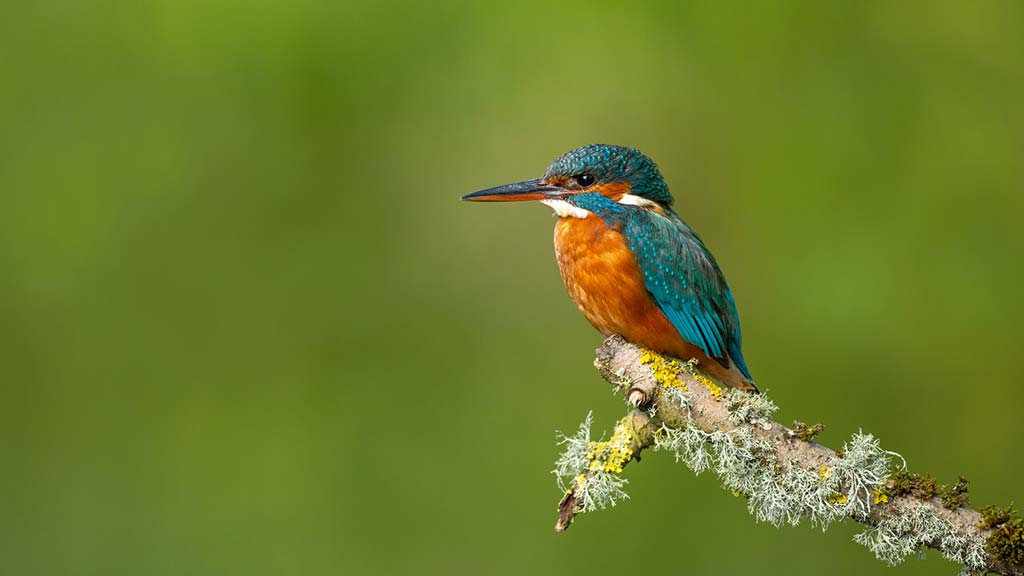
In spring and summer, birdsong carries through the reeds, from warblers hidden deep within to the occasional flash of a kingfisher along the channels.
Follow winding paths, join a guided walk, or during the summer take to the water by canoe or kayak for a different view of the reserve. Families can spot flamboyant flamingos, explore adventure playgrounds, stork talks, brass rubbing wildlife trails and pond dipping.
Travel tips: Just outside Llanelli town centre, the site is easily reached by car, bike or public transport. While its location alongside the Millennium Coastal Path makes it a convenient stop for birders, hikers and walkers.
Explore WWT Llanelli’s wetland sanctuary.
WWT Martin Mere Wetland Centre – A summer full of wonder
Travelling further north, the wetlands open out across the Lancashire plains. At WWT Martin Mere, 600 acres of lakes, reedbeds and meadows create a landscape rich in life.
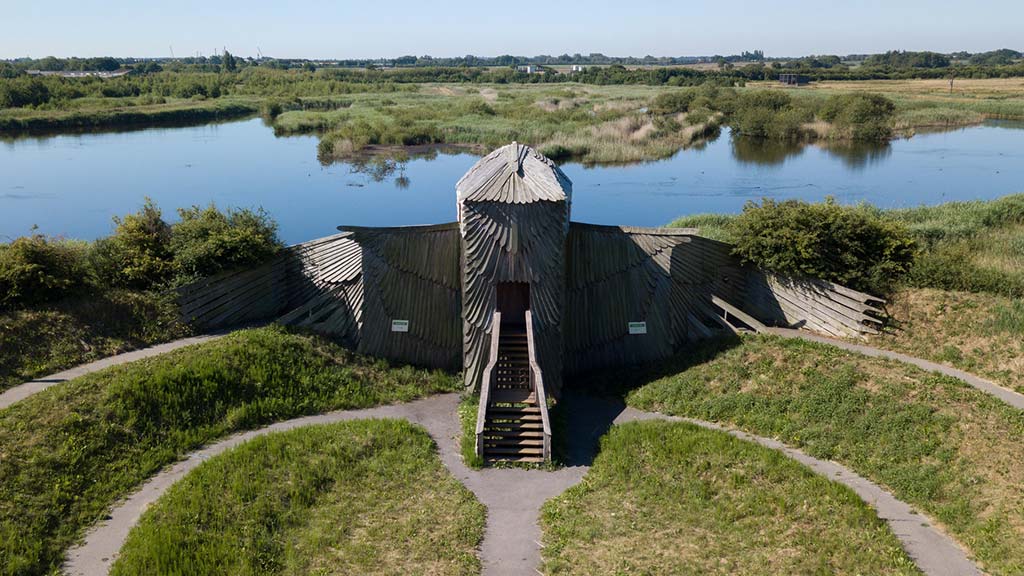
From the hides, there’s time to pause and take it all in. Spot fluffy shelducklings paddling, hunting barn owls or the flash, dash and splash of a kingfisher. Then deep in the reeds, you might just hear the distinctive boom of a bittern.
Accessible paths offer gentle exploration, while hands-on activities bring visitors closer to nature. Families can try pond dipping, venture along waterways by canoe safari, or enjoy the Adventure Playground and Paddle and Play area.
Seasonal experiences from peaceful photography to moth sessions spotting the elephant hawk moth, bug hunting to creative workshops, mean no two visits feel the same.
Travel tips: Easily reached by rail or road, with nearby stations at Burscough Bridge, New Lane and Burscough Junction, Martin Mere is a flexible day trip from Liverpool, Manchester and beyond.
Lose yourself in the season at WWT Martin Mere.
WWT Welney Wetland Centre – Wilder moments
For a quieter, more remote escape along the East coast, WWT Welney offers even wilder experiences on the Norfolk-Suffolk border. Set within the vast wetlands of the Fens, it’s a refuge for wildlife and a place of beauty.

Walking trails stretch across floodplains and reedbeds. Marsh harriers circle overhead, tree sparrows nest in the reeds and great white egrets wade through the shallows. In summer, damselflies dazzle above the water while wildflowers bring a pop of colour to the fen.
Seasonal activities offer a closer look at wetland life, from guided walks and pond dipping to dragonfly walks and early morning moth sessions. WWT members can enjoy exclusive access to the reserve with Tuesday early morning access and summer evening openings.
Travel tips: Set deep within the Fens, WWT Welney is best reached by car, but it’s also accessible by rail. Direct trains run from London King’s Cross to Littleport (around 15 minutes away by taxi), with services also stopping at Downham Market for a quieter cycle route to the centre.
Escape to the wild wetlands of WWT Welney.
WWT Washington Wetland Centre – A northern urban oasis
Venturing North, through busy roads and industry, you will find an unexpected sanctuary at WWT Washington, on the banks of the River Wear.
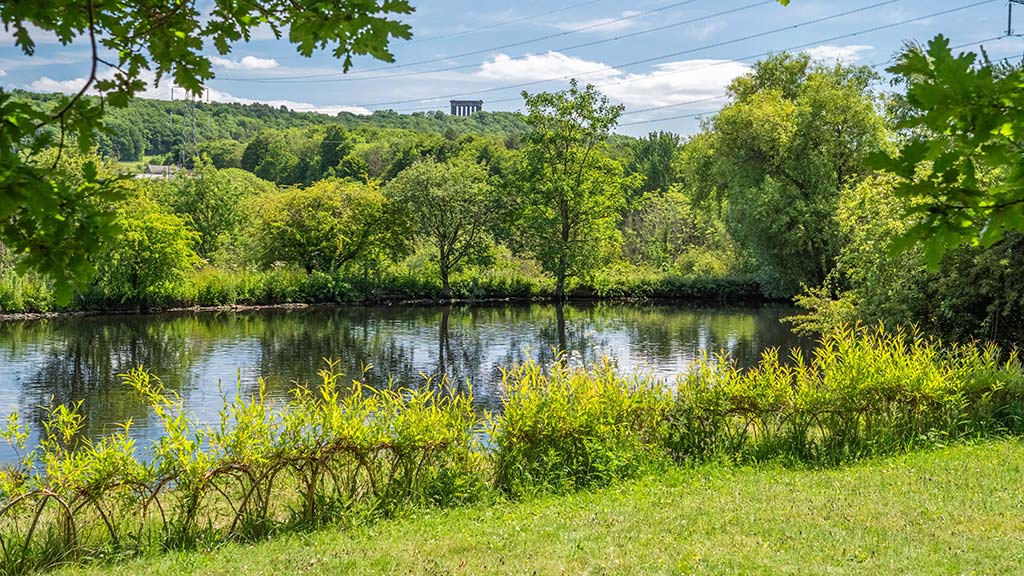
Once shaped by heavy industry, WWT Washington is now a thriving wetland mosaic of ponds, lakes, reedbeeds, woodlands and meadows. A refuge for wildlife and a place for people to reconnect with nature.
In the summer the nature reserve is full of life. Ducklings gather on the lakes, chicks begin to explore Wader Lake, and dragonflies and butterflies flutter by.
Meet the resident flamingos, explore Ganderland and its geese, or experience the sensory exhibit Close Encounters.
Seasonal activities include mini beast safaris, pond dipping and moth mornings which reveal even more of the life hidden within the reserve.
Travel tips: WWT Washington is located just east of Washington town centre, around four miles from the A1(M) and one mile from the A19. It’s easily accessible by car and public transport. To help plan your day, download WWT Washington’s app – your digital pocket guide to enjoy before, during and after your visit.
Discover WWT Washington’s urban wetlands.
WWT Castle Espie Wetland Centre – Strangford Lough’s wetland landscape
On the shores of Strangford Lough, WWT Castle Espie looks out across tidal water where river meets sea.
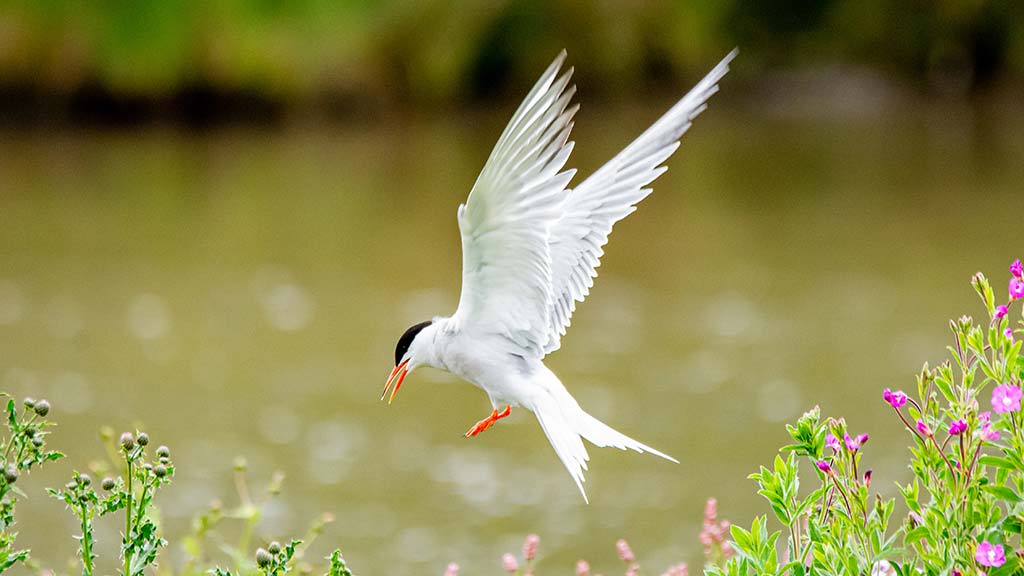
WWT’s only wetland site in Northern Ireland includes open water, saltmarsh, lagoon and limestone grassland, created from former quarries and industrial land. Today it supports a wide range of wildlife and offers an alternative view of Northern Ireland’s coastline.
During summer, common terns nest around the waterbodies, reed buntings call from the scrub and sparrowhawk fledglings can often be seen in flight. Butterflies are in abundance, alongside flowering orchids.
Families can spot ducklings in the duckery, discover the Wild Wood outdoor play area, daily diving duck talks and hands-on pond dipping sessions on selected dates.
Visitors can also enjoy the Sensory Garden and apple orchard, while The Pottery Bothy with artist in residence and Castle Espie Gallery add creativity to a day in nature.
Travel tips: WWT Castle Espie is located around 12 miles from Belfast, making it an accessible trip from the city. It can be reached by car in around 30 minutes via the A22, with free on-site parking available. For public transport, regular buses run from Belfast to Comber, followed by a short taxi ride or scenic walk to the centre. Cycling routes also connect the area via Sustrans Regional Routes 20 and 99.
Experience a tranquil refuge at Northern Ireland’s Castle Espie.
Plan your UK wetland adventure
From urban escapes to wild estuaries, WWT wetlands provide experiences found nowhere else. Whether you’re planning a spontaneous day out or a staycation in nature, WWT’s wetlands are thriving, and you’re invited.
Where will you explore next?
View all our wetland sites