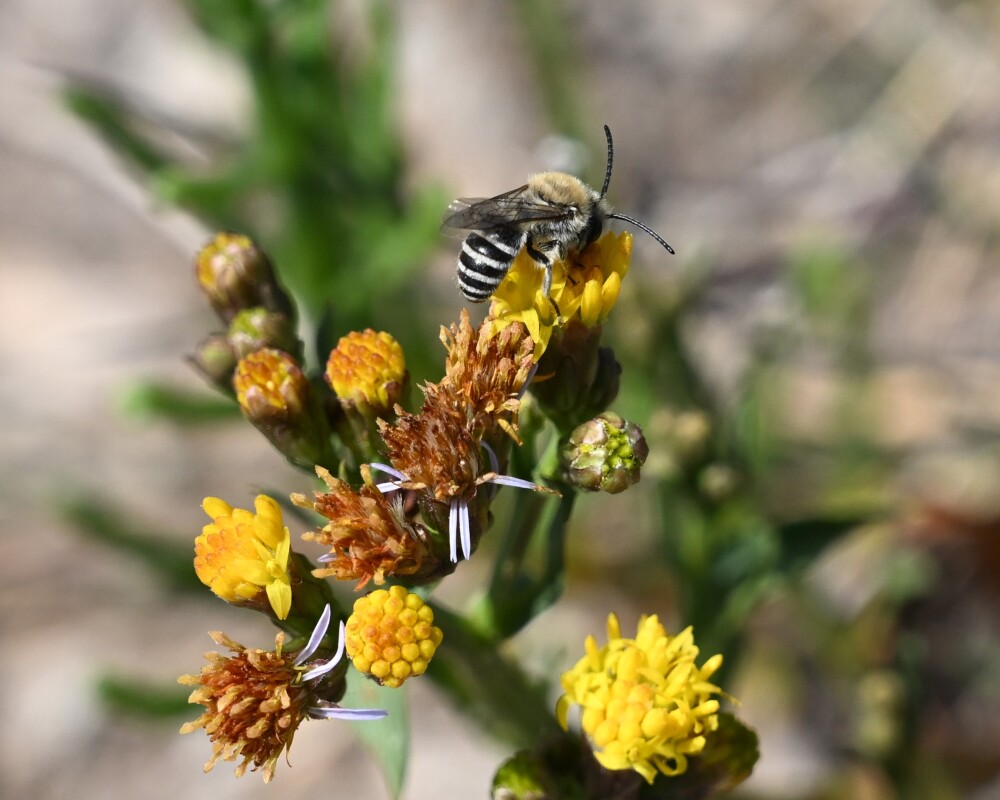
Saltmarsh restoration work done in partnership by WWT, the wetland charity, and the Environment Agency, has nature’s seal of approval.
The sea aster mining bee is a small species of solitary bee that relies on the saltmarsh plant sea aster for food.
This pink and yellow flower grows only on these coastal marshes, blooms late in the season and hangs on into the autumn, with some parts of the UK calling it "Summer's Farewell".
Usually, the sea aster mining bee is only found on the south and east coasts of the UK, and until now, has never been recorded in Somerset or its surrounding counties.
The rare invertebrate was found by local naturalist and WWT life member Nigel Phillips, who said: “I live only eight miles from WWT Steart Marshes so know from my many previous visits that the drier parts of the saltmarsh here are extremely rich in insect life, including spider hunting wasps and leaf cutter bees, but suddenly seeing the sea aster mining bees was a huge surprise.
“There were lots of them and several colonial nest areas in the dry sandy ground. At the time I thought they were only found in salt marsh areas around the Thames estuary!
“Steart is always an inspiring place to visit and I am sure there are yet more wildlife wonders to be discovered in the future.”
Barely the size of a thumbnail, these charismatic zebra-striped bees have suffered over the decades as the saltmarshes they rely on have been drained and developed for human use.
However, WWT Steart Marshes is an example of how creating and restoring saltmarshes can give a boost to these rare and beautiful species.
Site manager at WWT Steart Marshes and Bridgwater Bay Alys Laver said: "I was so happy to hear that we have been found by our first sea aster mining bees. Spotting such a rare species here is a testament to the brilliant work our staff do in maintaining the reserve in concert with local graziers.
"People usually associate saltmarshes with huge flocks of wading birds, geese and ducks, but there is so much life here that goes unnoticed. Whether it's fish in the creeks, crabs in the mud or bats and curlew in the sky, these wetlands burst with life all year round."
A whopping 148 of the 290 invertebrate species found on saltmarshes in the UK are only found in saltmarshes, and the reserve hosts hundreds more species of birds, bats, mammals and amphibians, as well as many plants found in no other habitat.
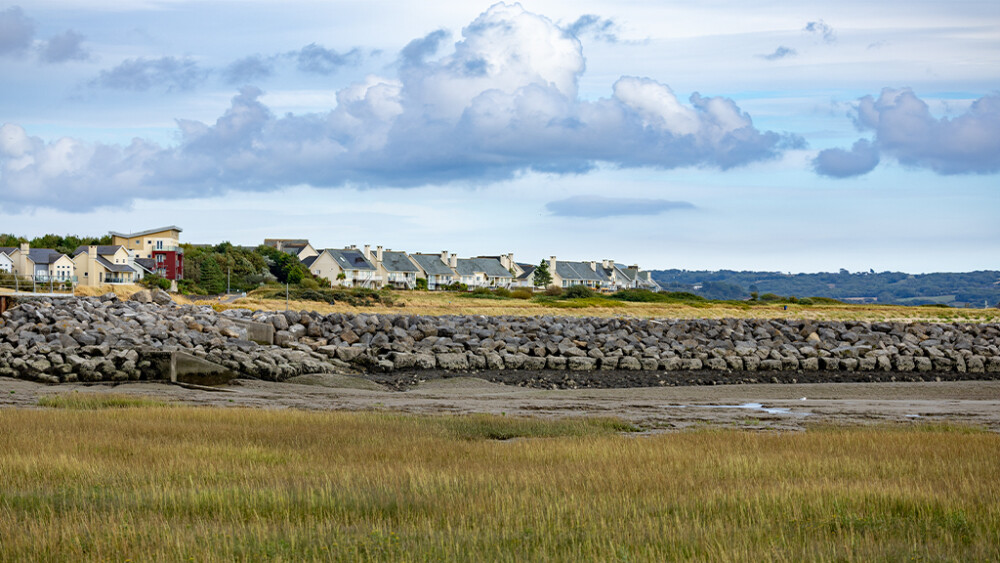
The site was completed in 2014, with a carefully managed saltmarsh restoration project channeling salt water onto formerly intensively farmed fields, which were at a high risk of flooding due to failing defences. Its huge abundance of coastal flowers is likely what has attracted the bees to set up a colony on the Steart peninsula.
Today, the reserve is still grazed, with the produce sold as top quality saltmarsh beef, and samphire is harvested for sale around the country by local staff and volunteers.