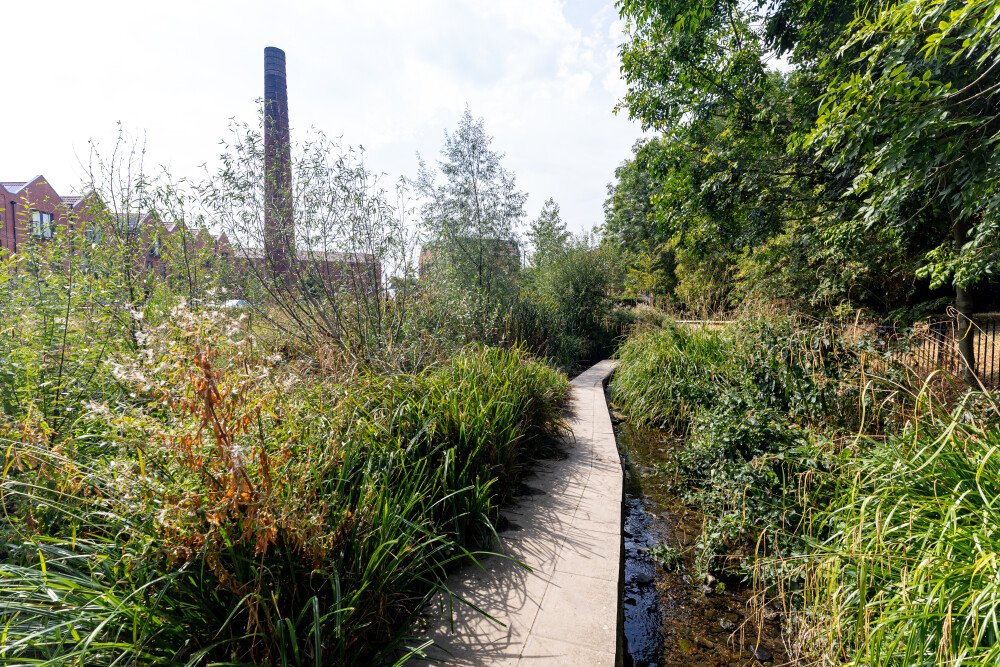
This week, representatives from the water, farming and insurance industries joined government agencies and mayoral authorities in the first meeting of a taskforce on extreme weather.
It came as stark warnings have been issued for the 6.3 million homes at risk of flooding this winter, exacerbated by the strongest El Niño in living memory. Meanwhile, two-thirds of the country remains in drought.
It is good to see the government taking proactive action on such major issues. Though my key question is: where was nature in this conversation?
A change in thinking
A fact that stayed with me during this summer, taken from the excellent National Emergency Briefing, is that our climate today is the least extreme it is ever going to be in our lifetimes. Already our cities are overheating, our rivers are sick and our farmers are struggling to grow our food. Here in the UK, the days when the climate crisis may have felt a distant problem – something far away and in the future – are over.
If we (and by we, I mean our decision-makers) want to effectively plan, respond and adapt to this new and changing climate, we must think longer term than just this winter, and broader than our current, largely concrete-based approach.
We must think about the natural systems that buffer us from flooding, from drought, from extreme heat. And come to terms with the fact that our degradation and paving over of these natural systems has led to us being more vulnerable, not less.
But despite this, my story is one of hope.
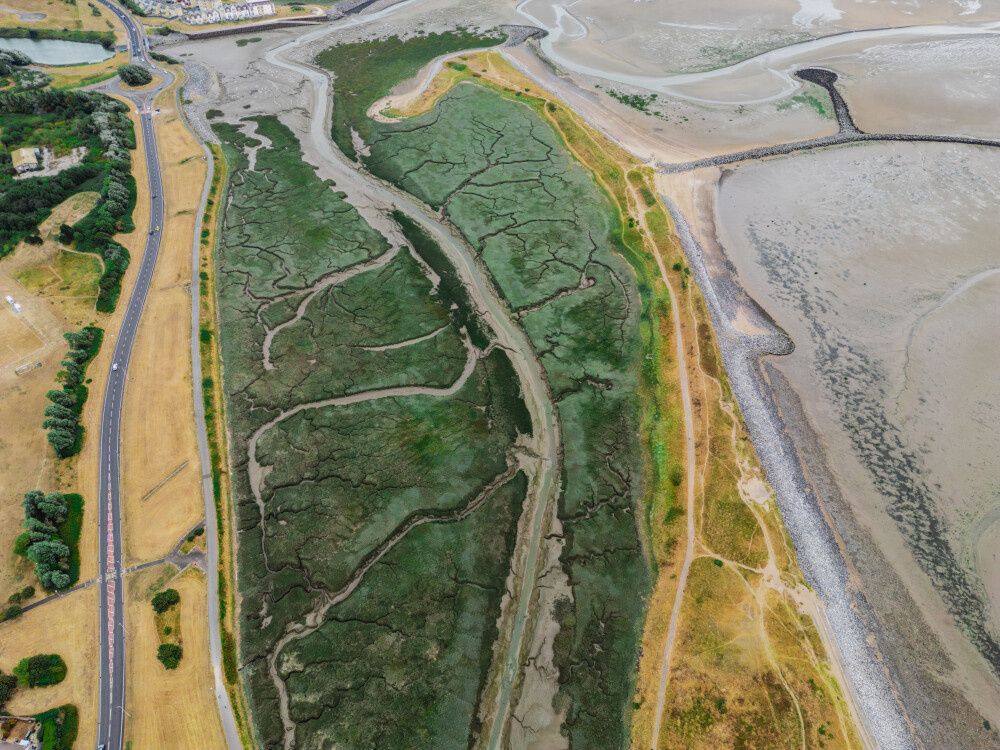
WWT Llanelli wetlands staying lush and green during a dry summer
Amid photos of the drought we faced this summer, there was another picture worth sharing. At WWT Llanelli in South Wales, a patch of green and blue in a sea of yellow showed the impact that restored wetlands and rivers can have in the face of extreme weather.
And it wasn’t the only example – as wildfires raged over many of our beloved landscapes, nature charities and land managers highlighted how the spaces that survived were the ones where nature restoration had taken root.
Despite drought taking its toll at our wetland reserves, they also showed extreme resilience – providing a peaceful watery haven – for people and wildlife – when the surrounding areas were parched. Alexia Hollinshead, Centre Manager at WWT London Wetland Centre captured an excellent visual of the impact that restored wetlands can have in dense urban communities including our largest city, which is particularly susceptible to drought (David Attenborough famously called the wetland site ‘London’s extra lung’).
This is a story that sits quietly behind the headlines but needs to be told. It’s nature’s story – and it needs to be heard at the decision-making table.
Restore wetlands to slow the flow
As I wrote previously at the launch of our Wetland Cities programme, working with water is a much more effective way of dealing with flooding than trying to push it away. When land is damper and more permeable – more squishy – it can hold water and slow its flow. And while so many of our urban areas have been paved over, the blue, spongy spaces within them provide essential buffers during wetter weather.
Over the past 400 years, 90% of our wetlands have been lost in England alone. Restoring even a portion of these super-powered habitats would help protect communities from flooding, store carbon in vast amounts, and provide both people and nature with a more resilient place to call home.
Our evidence shows there’s potential for 1.2 million hectares of wetland restoration in the UK. We, and thousands of others – from community groups to major landowners – are already putting spades in the ground across the country to get that work done. But frankly, we won’t come close to the numbers we need without a change in the narrative.
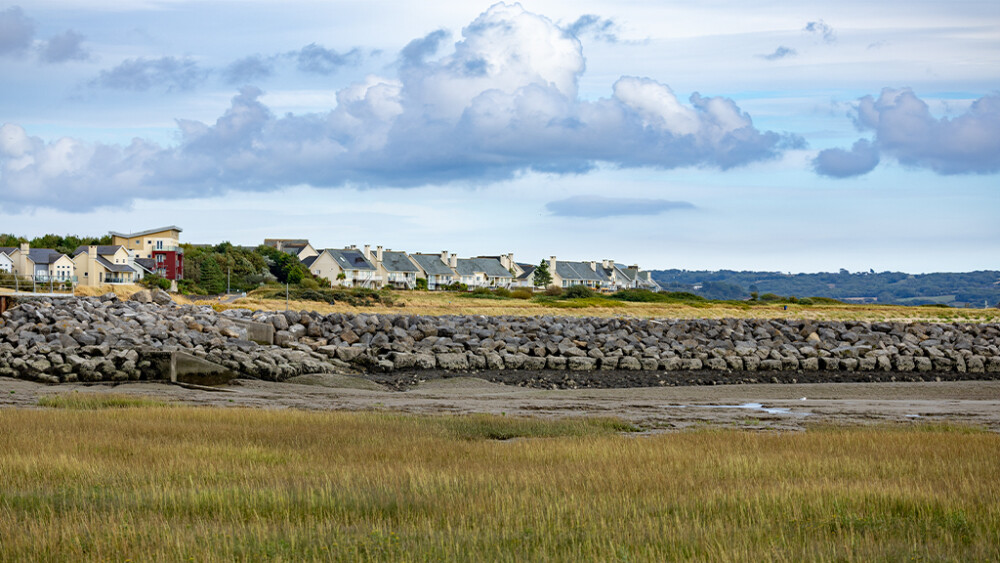
When the government’s extreme weather taskforce next convenes, we’d like nature to be at the table. We’d like nature to be at the heart of our flood response plans, from restoring vital habitats like saltmarsh at scale, to ensuring all new and existing homes have sustainable drainage and rainwater management.
With the political will, this is achievable. Just look at Copenhagen. Following major flooding in 2011, the city made a conscious effort to revamp its flood defences under a ‘sponge city’ model. Through a combination of nature-based surface features like wetlands and parks, and underground structures like storage pipes and retention basins, the city has reduced flood risk in high-priority areas by up to 50%.
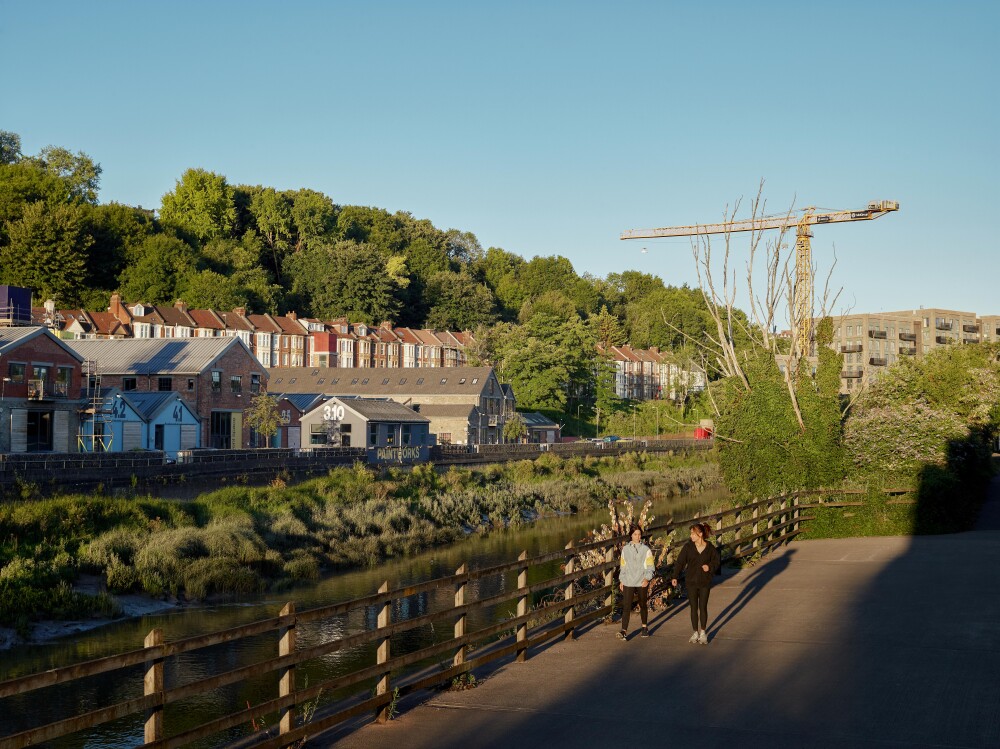
Imagine a future where all of our cities embrace water, becoming Wetland (or sponge) Cities. We're already starting this in Bristol. But we need the government to incorporate this way of thinking, and integrate it in policy, to truly build the resilience we need.
It’s time we worked with water, rather than against it.
Sarah Fowler, Chief Executive, WWT, the wetland charity