You may have noticed some rather large renovations going on around WWT Caerlaverock – and I’m not talking about the farmhouse!
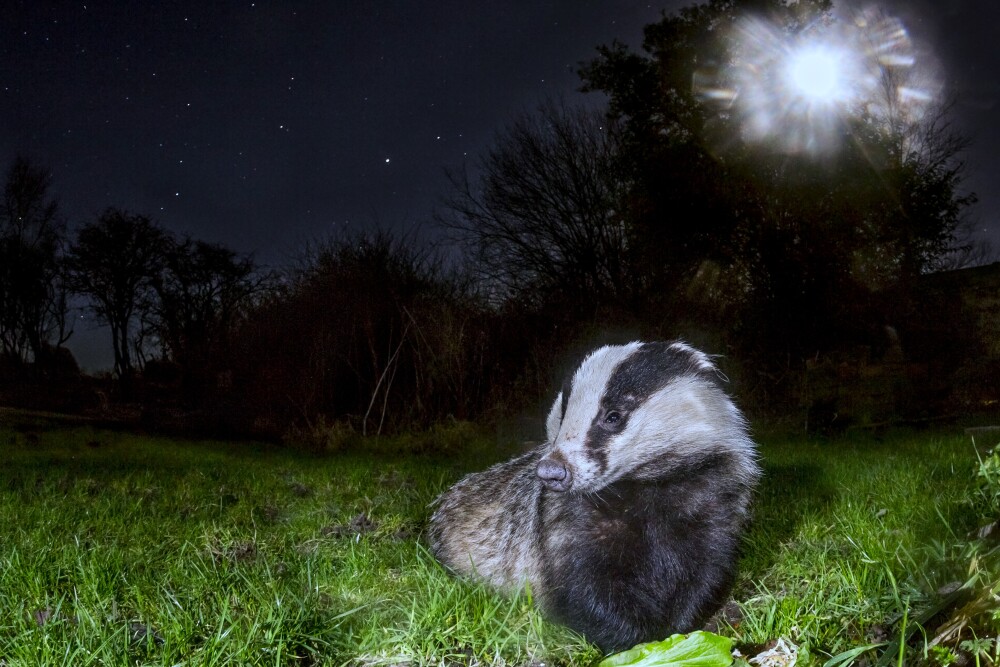
Our tenant badgers have decided it’s time for an upgrade, which has resulted in a growing pile of dirt spilling onto one of our paths…
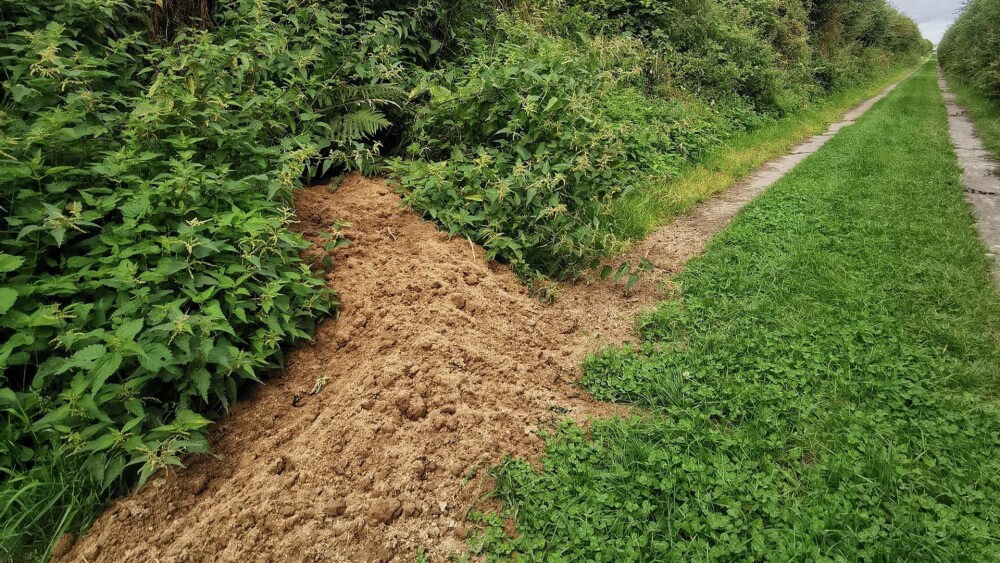
A badger’s home is called a ‘sett’ and is made up of a vast network of underground tunnels and chambers. Larger setts can be 20-100m long or more, with many entrances. The biggest one surveyed in the UK was found to be nearly a kilometre long containing 50 chambers and 178 entrances! These setts have been passed down through generations – some being more than 100 years old – much like human’s family homes.
As well as the main sett (where they spend most of their time and raise their cubs), they can have up to 6 other setts in various places within their territory. These aren’t used year-round but can be used during the warmer months when there is lots of food so they can rest when they are out foraging.
Badger Behaviours
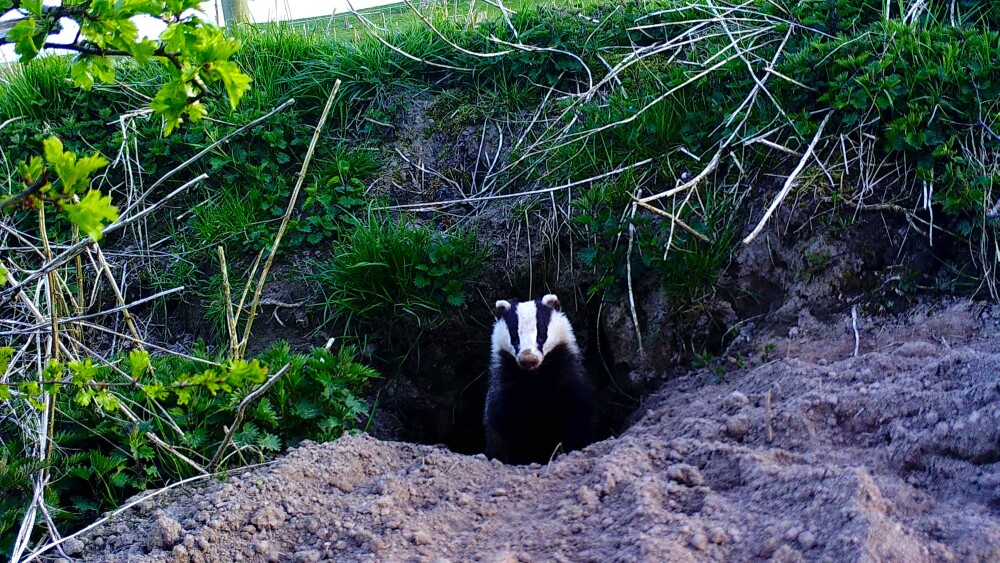
Unlike other mustelids – usually solitary animals that only come together to mate or argue territory – badgers are social creatures and live together in groups called ‘clans’. One sett will typically house 4-8 individuals. Whilst they socialise at home, badgers will tend to forage by themselves and don’t always get on with other clan members.
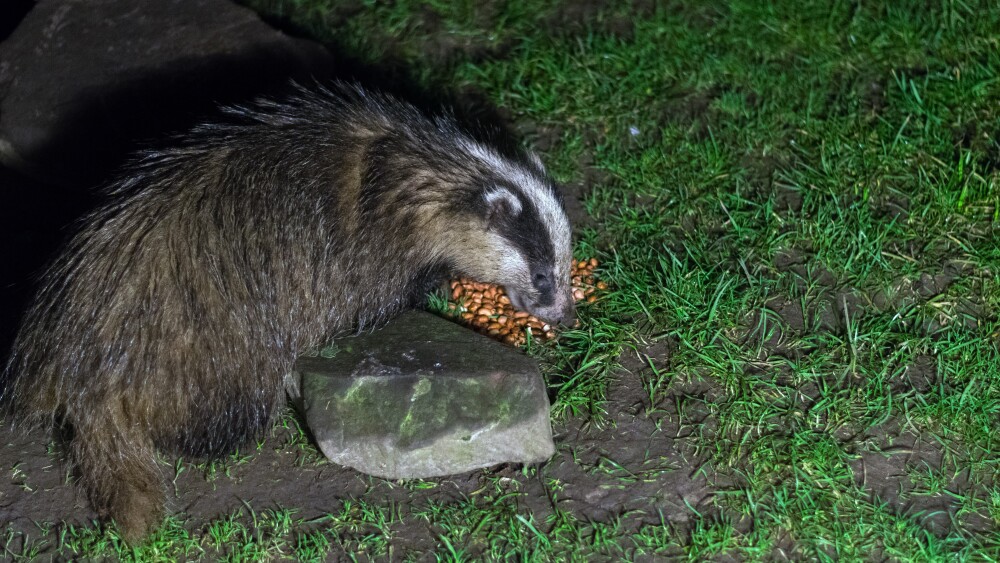
Although they are technically carnivores, badgers are considered to be ‘opportunistic omnivores’ and will eat a wide variety of things. Their diet is primarily made up of earthworms (roughly 60-80%) and an adult could eat well over 200 per night. Their diet also features things like fruits, slugs, eggs, other insects, and small mammals.
Badger Broods
Badgers will mate at any time of year, however due to something called ‘delayed implantation’, they will only have 1 litter of around one to five cubs per year, usually born mid-February. These cubs will stay safely tucked inside the sett until around 12 weeks old when they first venture out above ground.
Sense of smell is particularly important for badgers’ communication and sight skills, as they can’t see very well, and will rely on scents to detect danger. They will then use their scent-making capabilities to communicate different things to other badgers, such as mating signs, warning signs, and territory marking.
Badger Bogs
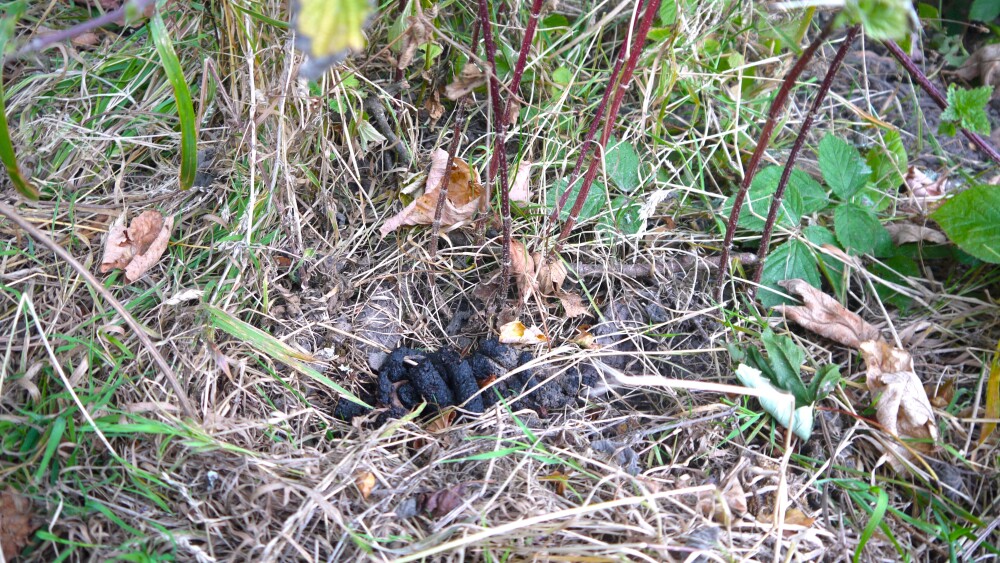
Badgers go to the toilet in something called a latrine, a shallow hole dug in the ground. Since their poo is full of their scents, they make their latrines on the borders of their territories to warn other clans to stay away.
As well as making their own toilets, badgers have other habits to keep themselves meticulously clean. They will groom themselves and their families regularly, completely change their bedding (usually made from straw, ferns and grass) several times a year, and even air out their bedding every 10 days or so during summer by leaving it out by the entrance to their sett during the day to kill off any pests, and take it back inside later that night.
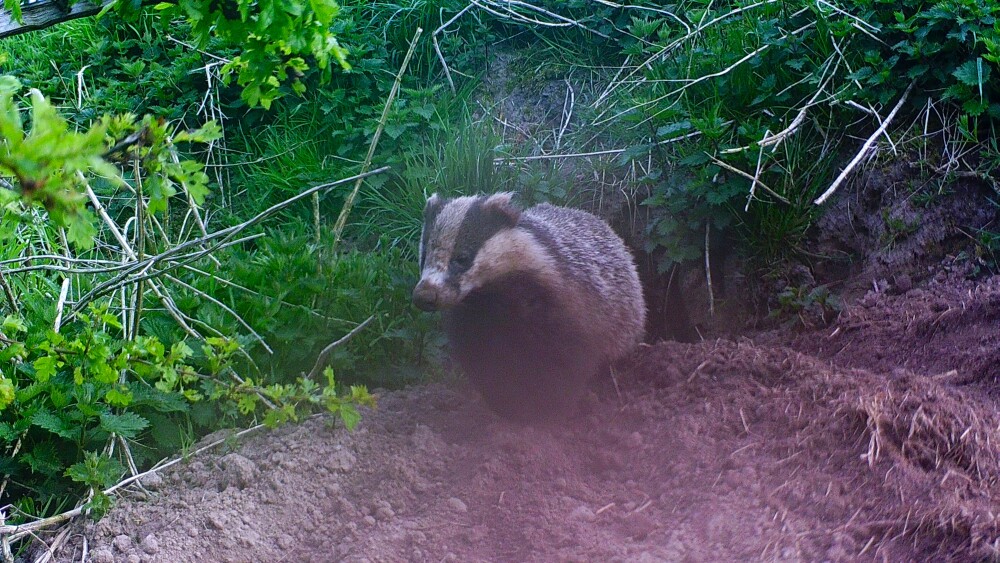
So, whilst all we see on the outside is a big pile of dirt, underneath our feet is a maze of complex tunnels that a clan of badgers' call home. You may be witnessing a well-deserved sett renovation, perhaps for the next generations of badgers to come.
By Izzy Rigby, Reserve Warden