How we manage Caerlaverock has been changing over the last few years.
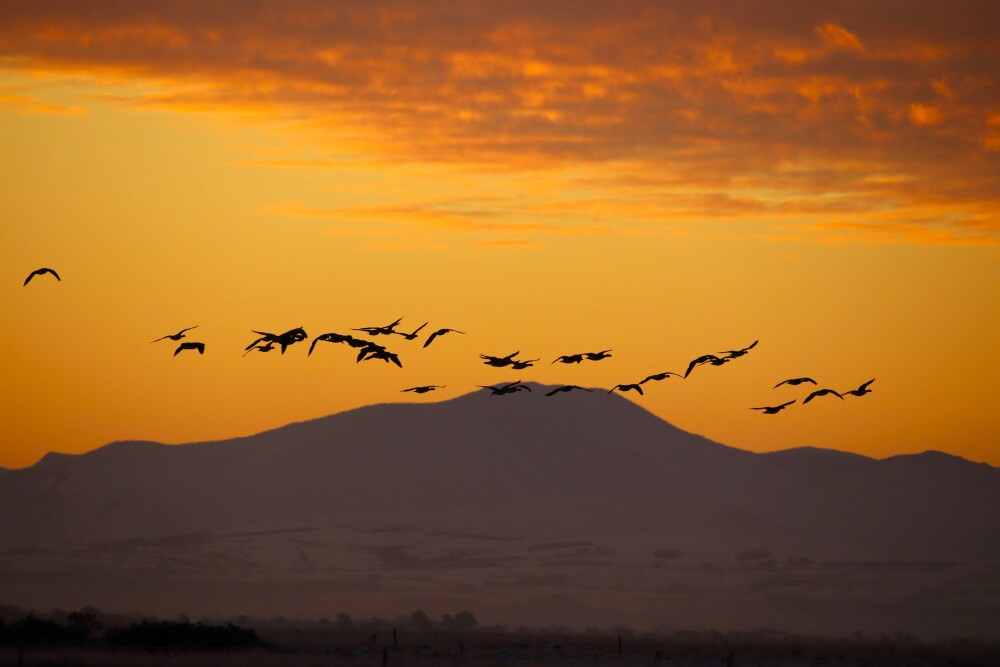
When it was first set up, it was incredibly important for barnacle geese - sometimes up to 90% of the population might be found feeding on the site in the early days so the site was managed primarily to provide the best feeding for them.
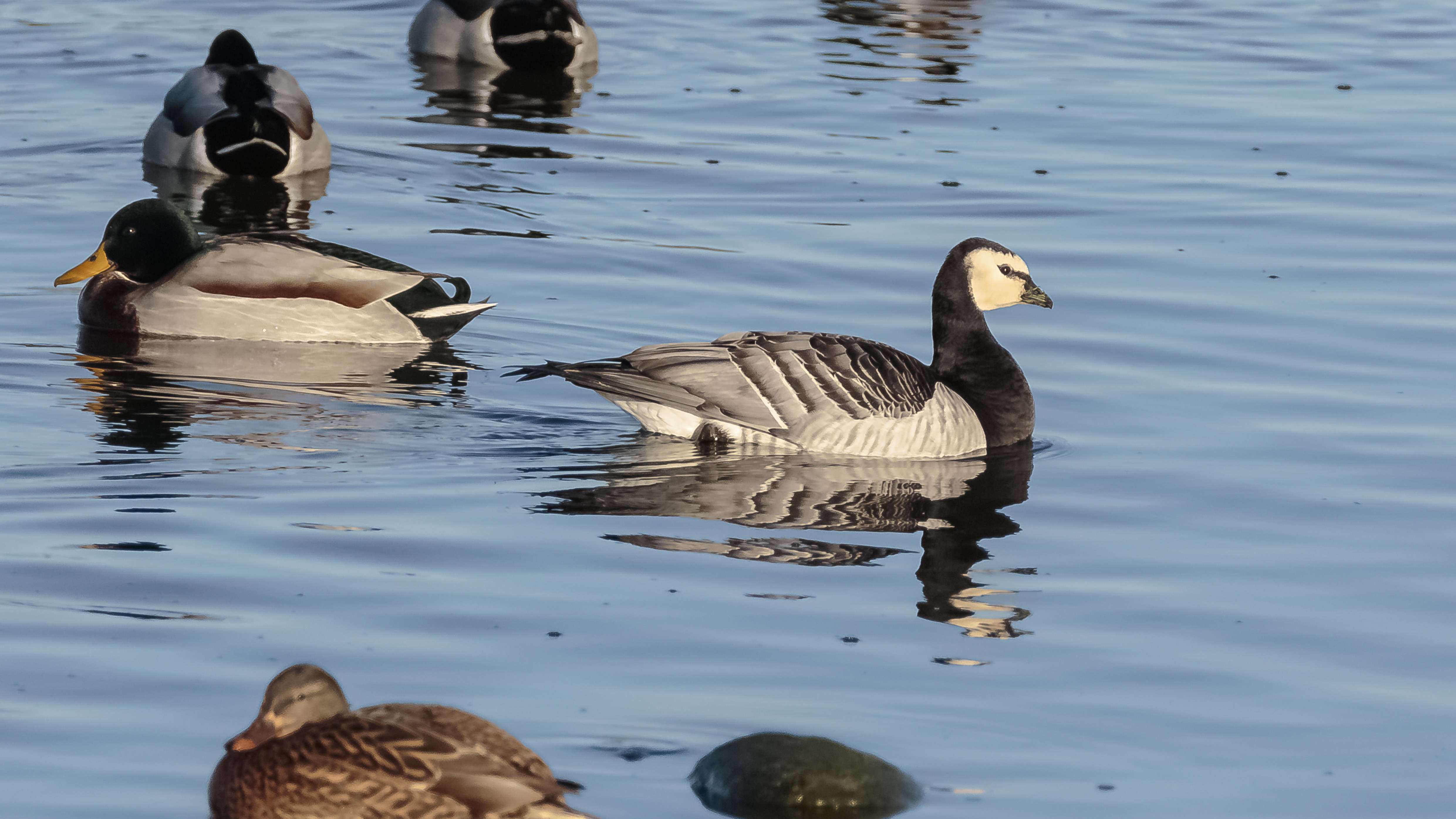
The recovery of the barnacle goose population on the Solway is a huge conservation success, and in the last year or so it has reached record numbers despite the impacts of bird flu. With the big population now spreading either side of the Solway, WWT Caerlaverock is now only one place in the area that the birds can gather in. Even on a good day, less than 10% can be found on or around the reserve.
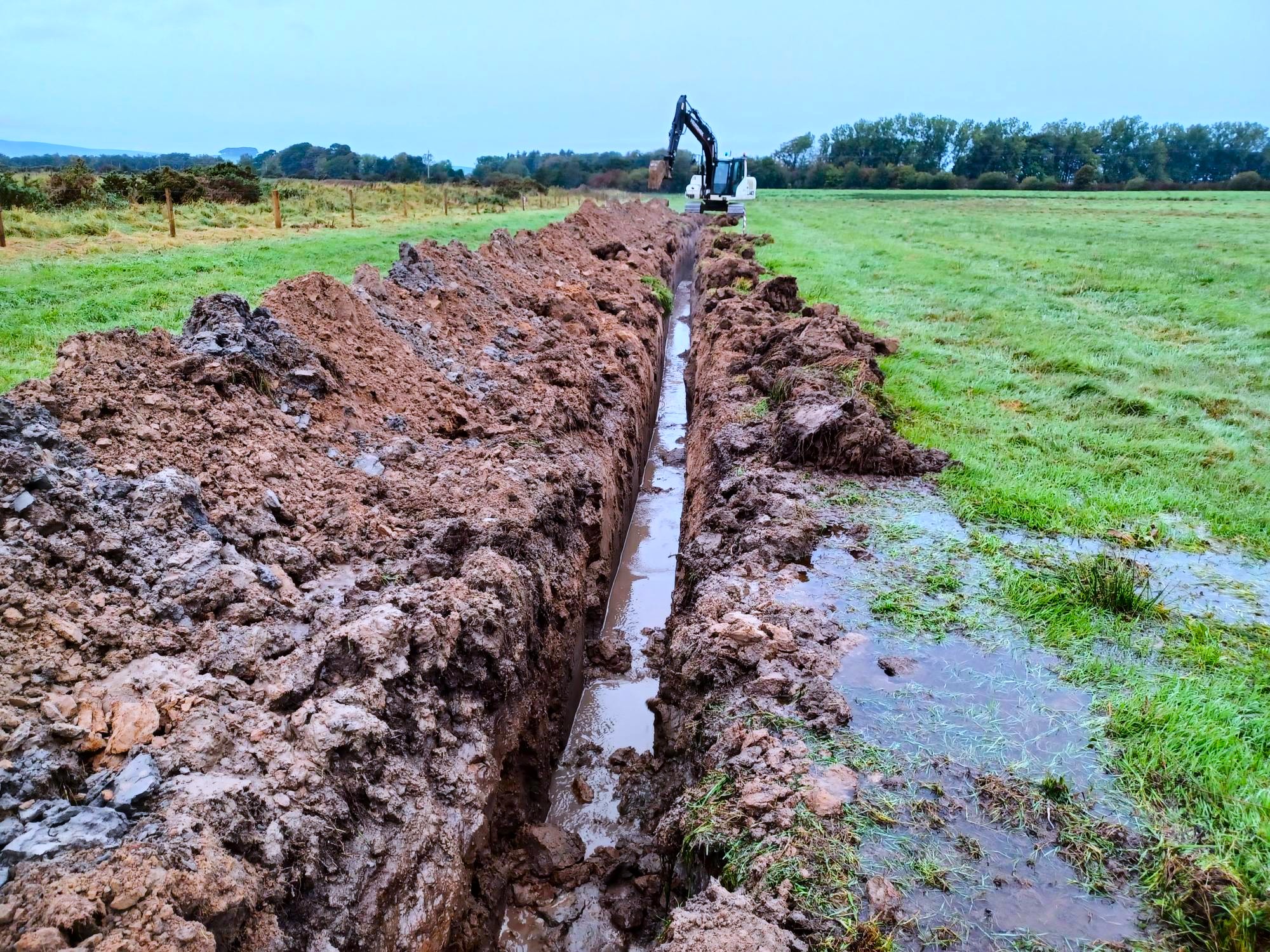
This has given us a chance to review what the reserve is all about and quickly it becomes apparent that water is key. Much of the reserve is former saltmarsh, converted into farmland. To achieve productive farmland, a lot of effort was put into moving water off the site as fast as possible - either by ditches, under surface drains, and straightening water courses. All of this lowers the water table which makes water less available for wildlife. And as the wetland charity, we know that wetlands are great for wildlife, so what we want to do is to hold onto the water as much as possible and create features that make it available for nature.
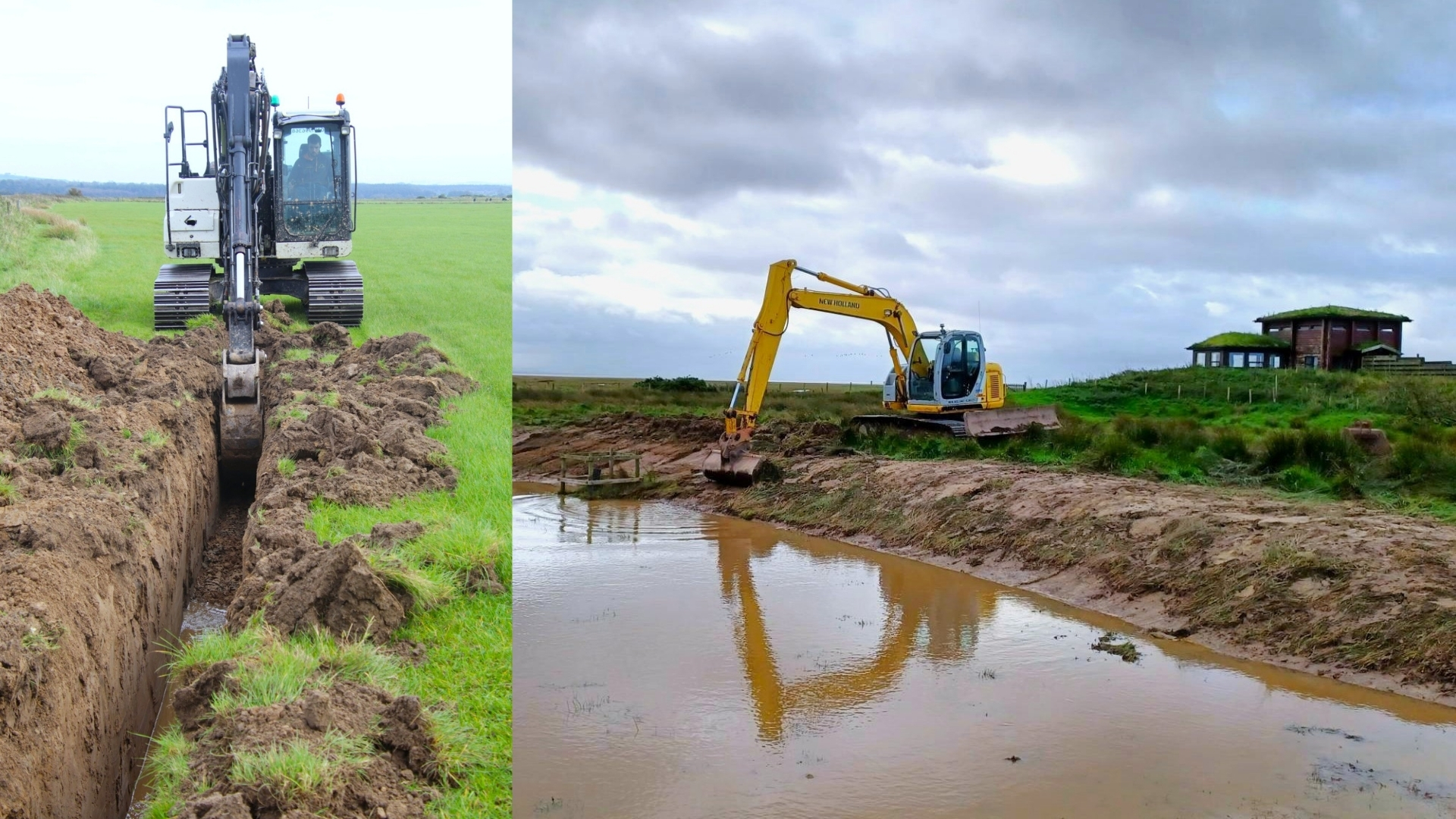
This is a land management process that was started many years ago, but under our 3-year Nature Restoration Fund, the Wilder, Wetter Caerlaverock project, our progress has accelerated and we have done lots more to hold onto the water. Over the last 3 years we have made about 250ha of grassland wetter by breaking up subsurface drains, we have created about 5ha of open water features like ponds, scrapes, channels, and put the bends back into two streams.
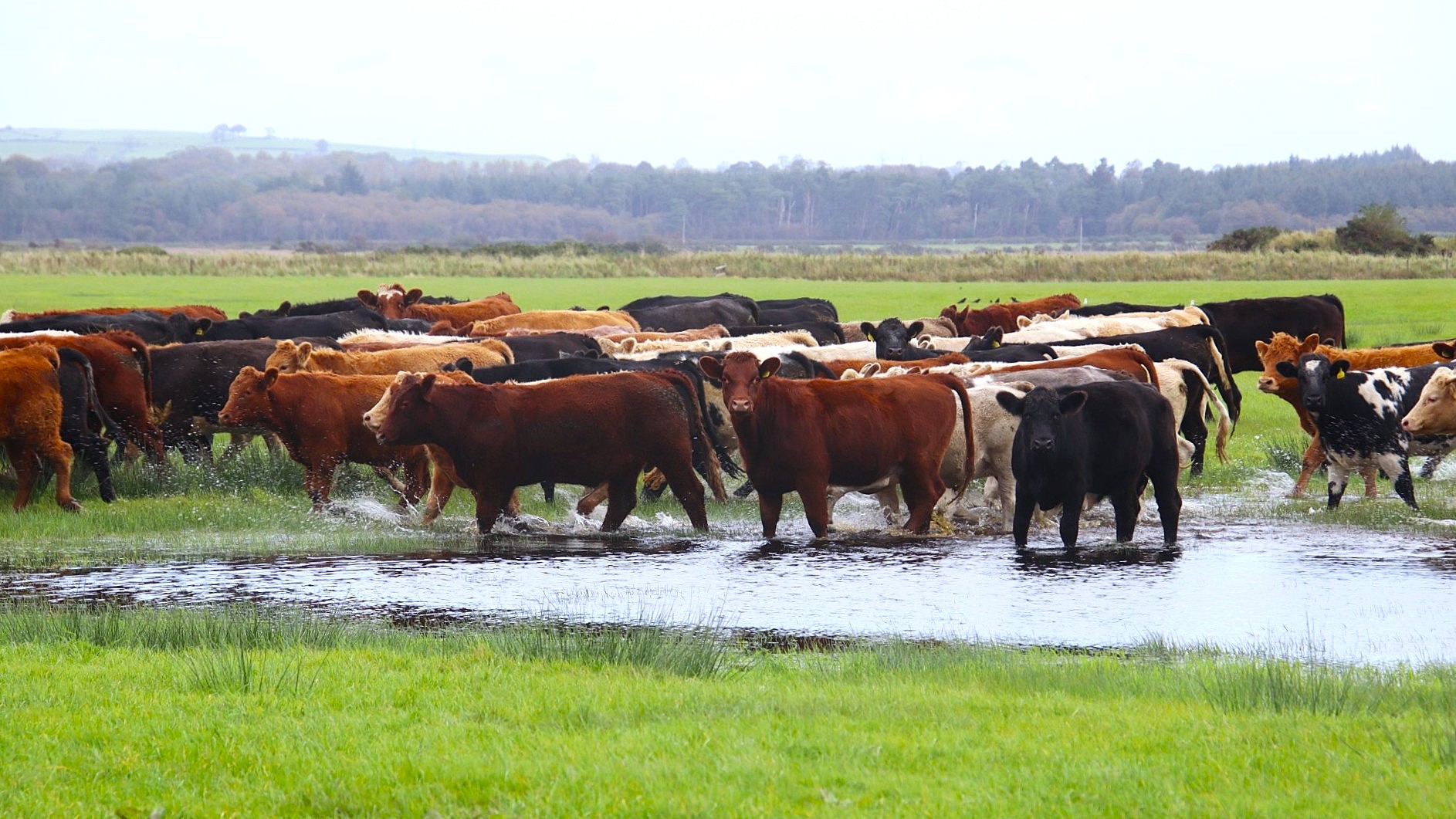
The water levels vary across the site during the year - in winter, there is water everywhere, but previously much of the fields were bone dry by May. Now, with the work we have undertaken, water is staying in pools for much of the summer and the wildlife is responding with a number of species of birds and dragonflies breeding in the new wet areas. The reserve is big enough to mean that we will still have plenty of drier grassland that is managed for the barnacle geese, so come winter the distinctive Caerlaverock view of hundreds of Barnies across the fields can still be seen. This wet grassland is still managed as before in partnership with our neighbouring farmers to benefit both parties.
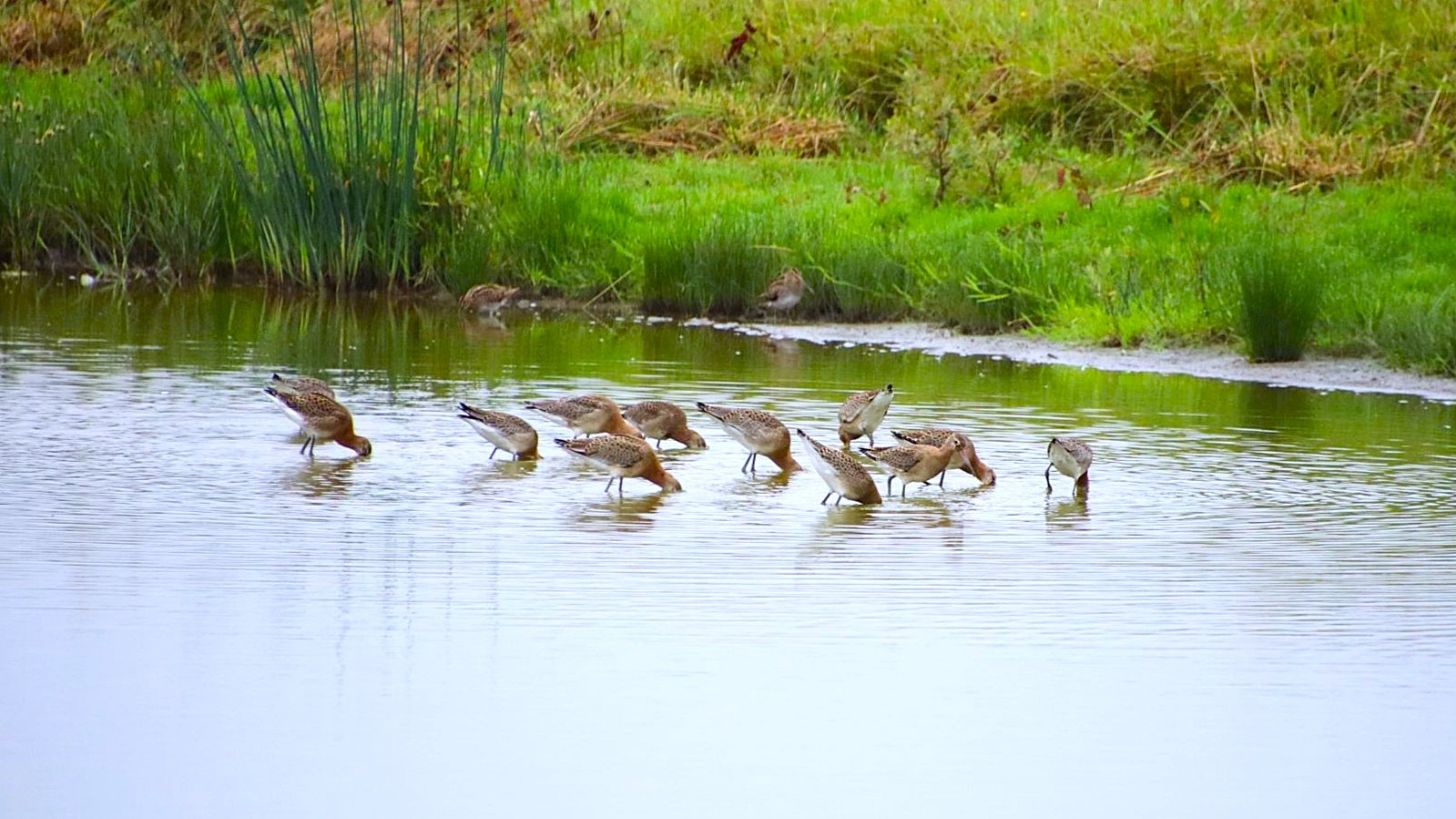
Wetlands hold more wildlife. This work of just adding water will only make Caerlaverock even better as a paradise to connect with nature.
By David Pickett, Site Manager