Whether you live by the coast or in the woods, a wet garden can be challenging. Waterlogged ground may make it difficult to grow plants, attract wildlife, or even walk around, but don't give up. With the right approach, your wet garden can become a thriving wildlife haven.
Paths
Wet gardens often become muddy, especially in winter, making it hard for grass to survive. Install stepping stones or boardwalks to protect the ground and create clear walking routes.
Rainwater gardens
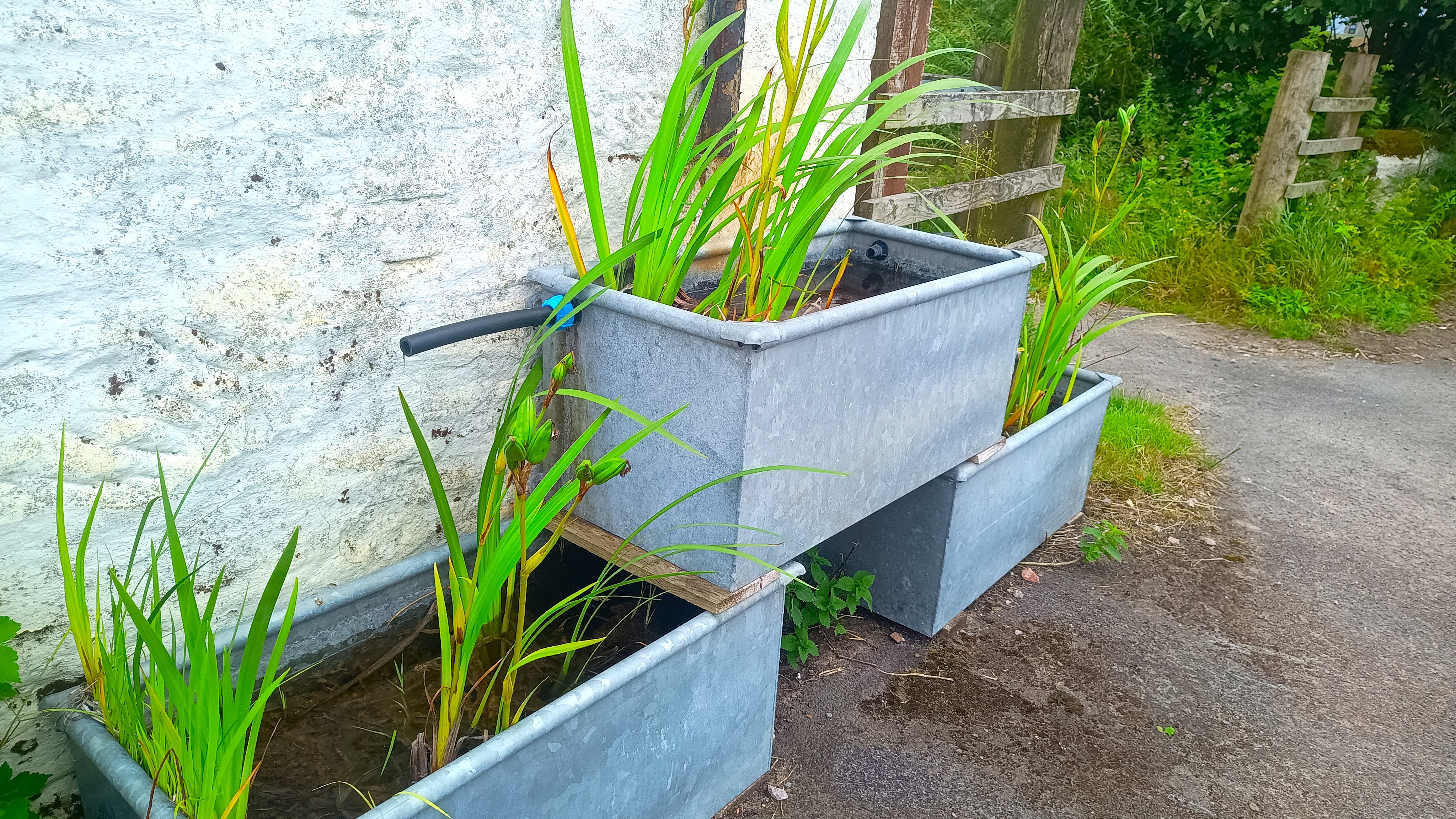
Make the most of excess rainwater by directing a drainpipe into a container, such as an old washing-up bowl, trough, bin, or bathtub. These mini ponds provide habitat for plants like purple loosestrife, yellow flag iris, and water mint, while attracting wildlife. Make sure to research how much space plants need, as some species in a smaller container won't be very happy.
From creating rain gardens and natural bogs to choosing moisture-loving plants, building raised beds, and adding deadwood habitats, these practical tips help you make the most of damp conditions while supporting nature.
Natural bogs
Natural bogs make use of permanently damp areas and improve drainage. Dig a low-lying area to around 45cm (1.5ft) deep. Add a pond liner with small holes spaced about 60cm apart (if you’ve got clay-heavy soils, this step isn’t needed), then add a layer of coarse gravel the fill with nutrient-poor, organic-rich material such as soil, bark, and leaf mulch. Plant with bog-loving species and, if needed, feed it with rainwater overflow to keep it moist.
Planting
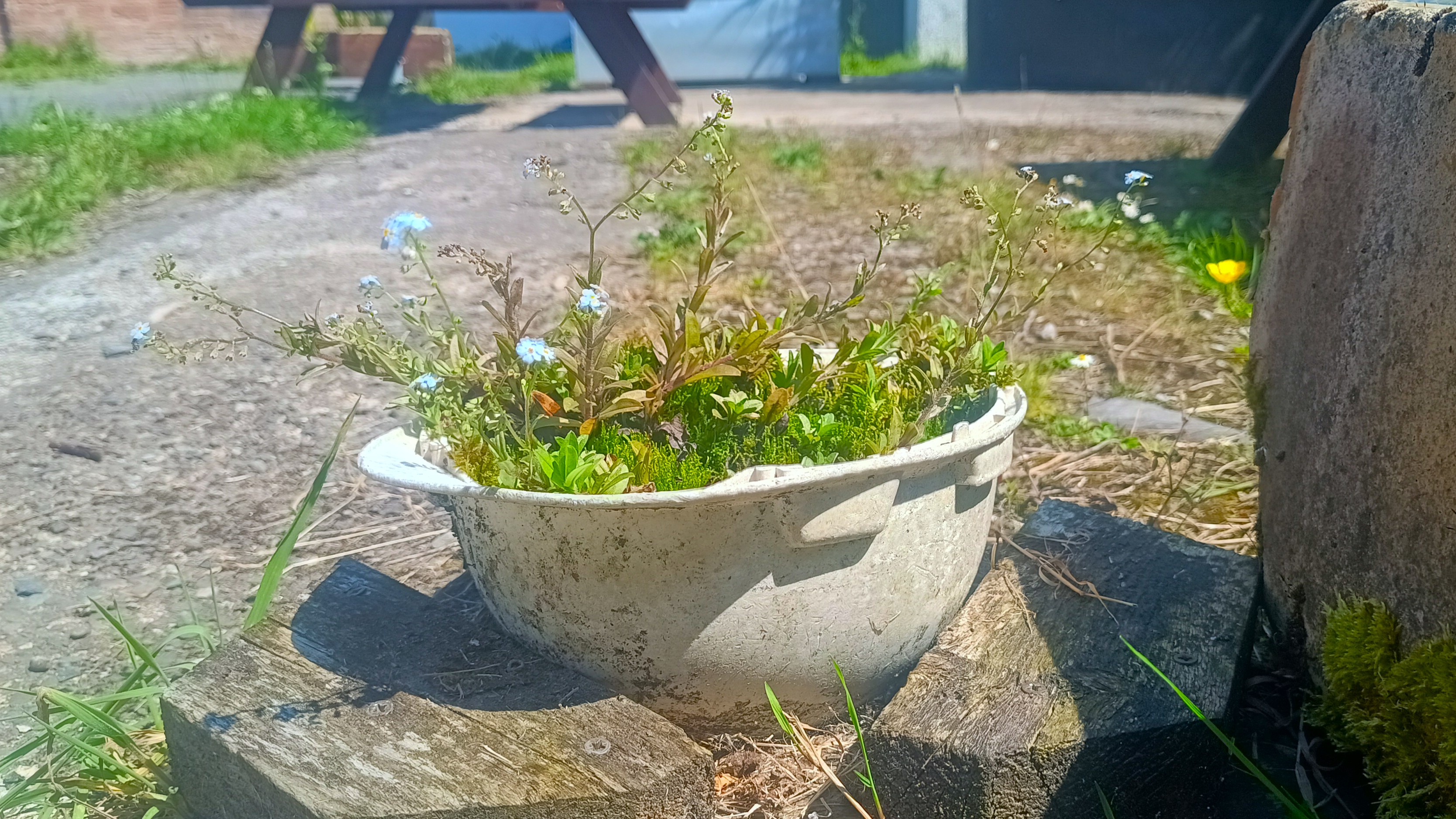
Many native plants thrive in wet conditions. Try marsh marigold, water forget-me-not, ragged robin, watercress, yellow flag iris, and other moisture-loving species to support pollinators and other wildlife.
Vegetables and raised beds
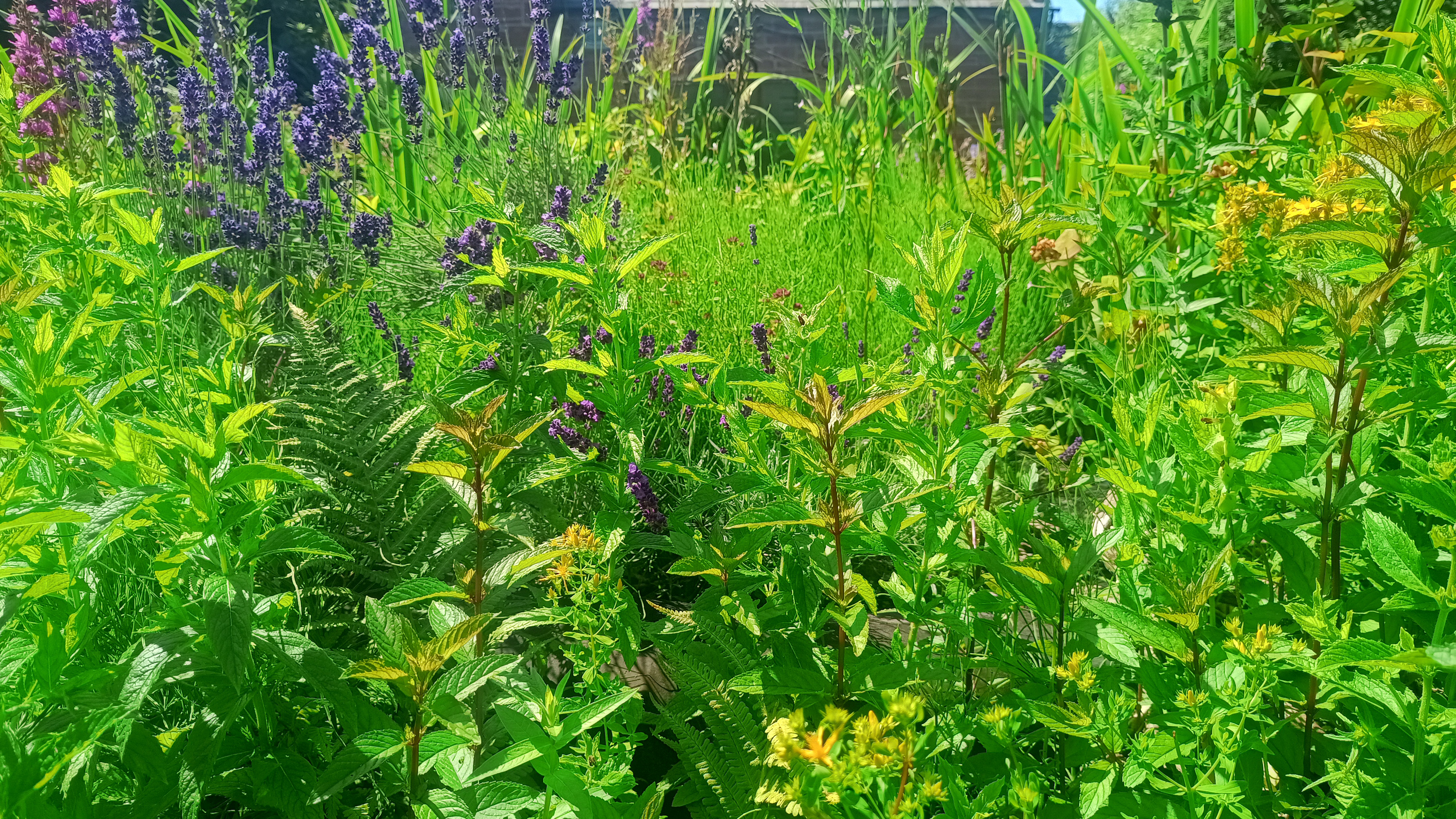
Wet gardens can still be productive. Chard and hardy lettuce varieties often perform well, as well as herbs like mint, lavender, and chives, although slugs can be an issue. For fruiting crops, build raised beds using untreated wood or logs, then fill with compost and topsoil to improve drainage. You can even use old tyres to raise beds off the ground, so even dry-soil loving plants can survive.
Deadwood piles
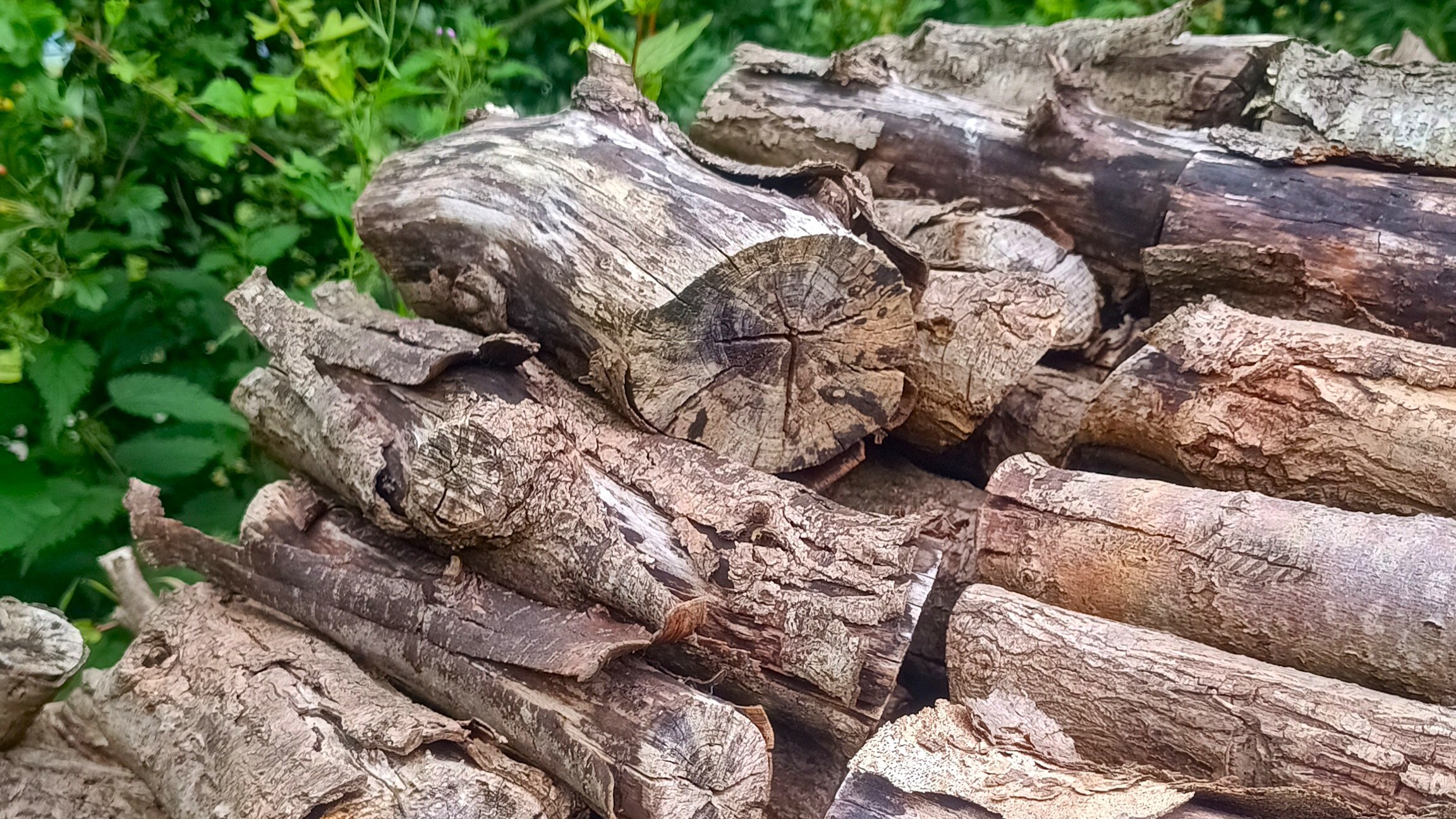
Create shelter for frogs, toads, beetles, hedgehogs, and fungi by stacking rotting logs in a shaded, sheltered spot, even better if near a pond. Leave gaps within the pile to provide safe hiding places and nesting sites for wildlife.
There are examples of these garden features spotted around our site, so be sure to have a look around for inspiration! We’ve also got a great “Wildlife Gardening” leaflet for you to take home with you with even more ideas, as well as this article released last year.
By Georgia Pope - Engagement Officer