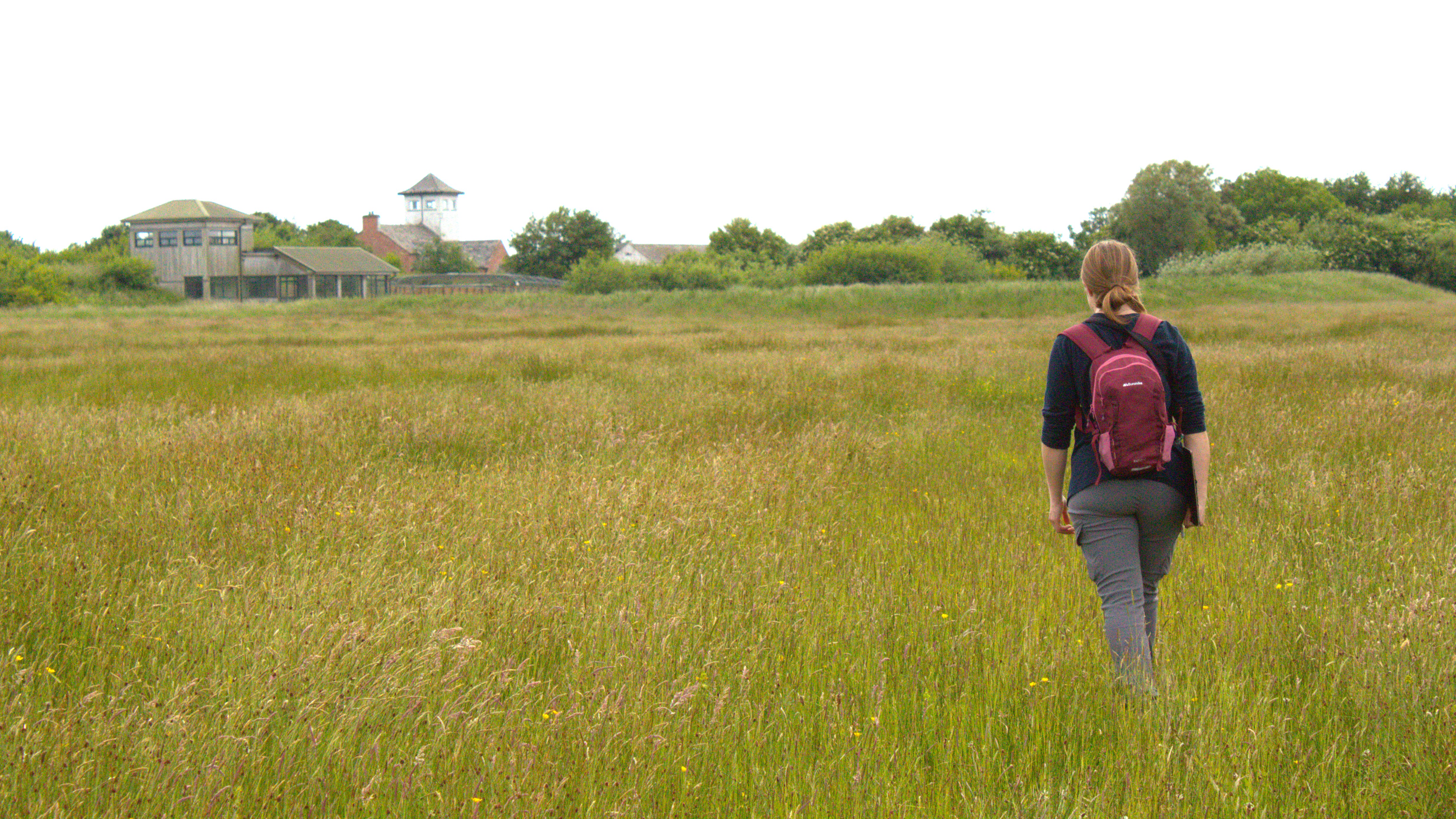
Weather: Warm, sunny, with a light breeze
Pace: Slow
Eyes: Open
My first dragonfly transect was guided by Reserve Warden Rebecca. Together, we followed a designated survey route through the reserve with one simple goal: count and record every dragonfly and damselfly we could spot. As a newbie to bug-watching, I wasn’t sure how useful I would be.
We set off beyond the Peter Scott Observatory along the Avenue Path in the glorious sunshine.
Note to self: bring the right binoculars next time.
We'd both brought bird binoculars rather than insect binoculars, meaning every distant dragonfly required a much closer approach. A rookie mistake.
Learning to see
Our first sighting was a blue damselfly that stubbornly refused to identify itself. To the untrained eye, common blue and azure damselflies look almost identical. The giveaway is in the details: azures have a small spur-like marking on the thorax and a distinctive bow-tie shape near the end of the abdomen. Every blue damselfly we identified turned out to be an azure.
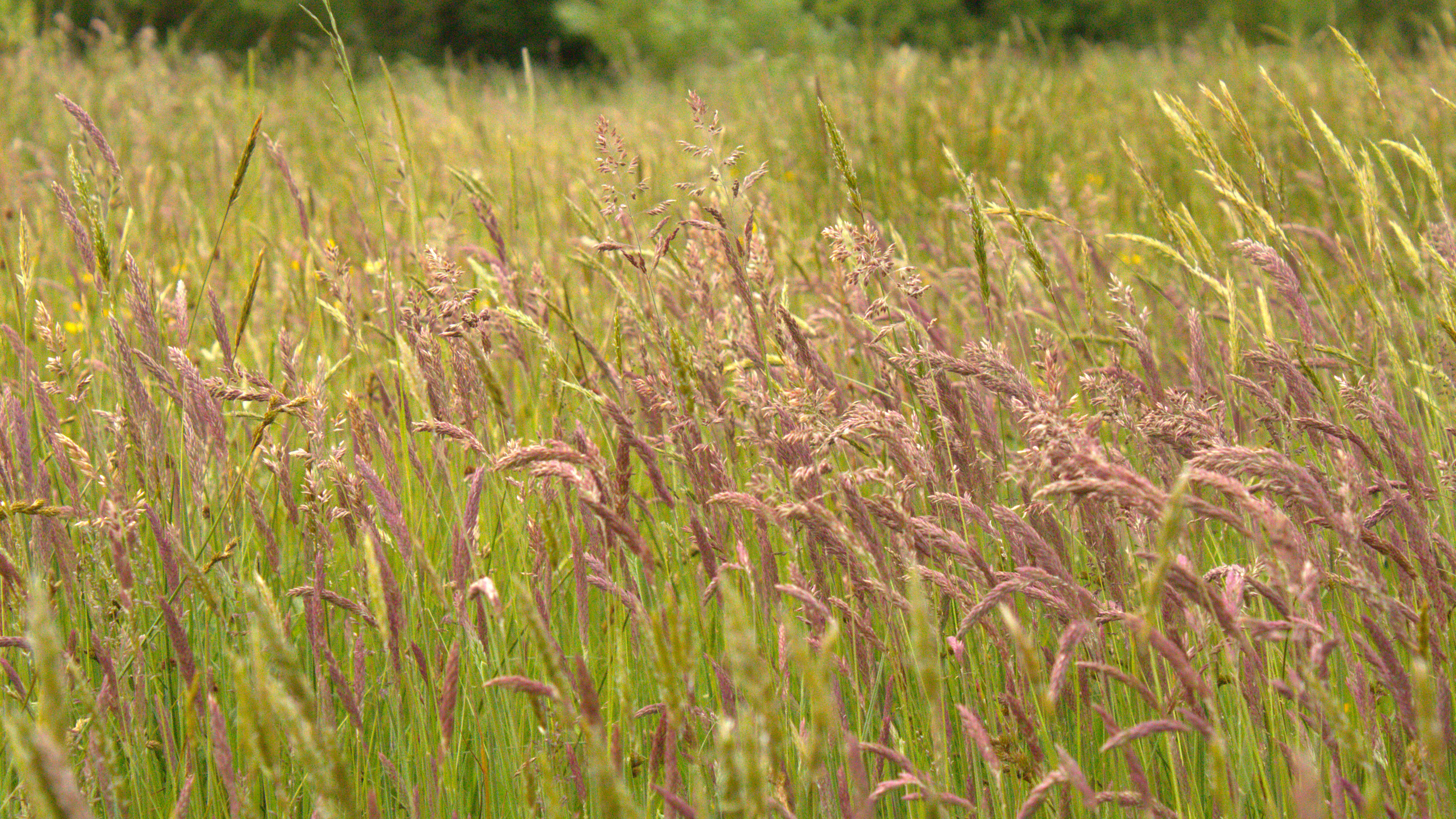
The longer you spend searching the vegetation, the more your eyes adjust. What first appears to be a sea of green slowly comes alive.
Hoverflies, butterflies, beetles and moths moved through the grasses, while skylarks, linnets, goldfinches, reed buntings and swallows provided the soundtrack. The reserve seemed to expand as our attention shifted towards its smallest inhabitants.
Beyond the Teal Pond Hide, we found 17 damselflies gathered in one spot. Blue-tailed damselflies basked on the warm ground, soaking up the warmth like blackbirds in the sunshine.
Rebecca showed me the best way to approach them. Crouch low until you're level with the grasses. It worked, and we even watched an unidentified blue damselfly hunting midges.
Counting them, however, proved far harder than spotting them. They rarely stay still for long, and even with two pairs of eyes it was easy to lose track.
Along the Summer Meadow Trail
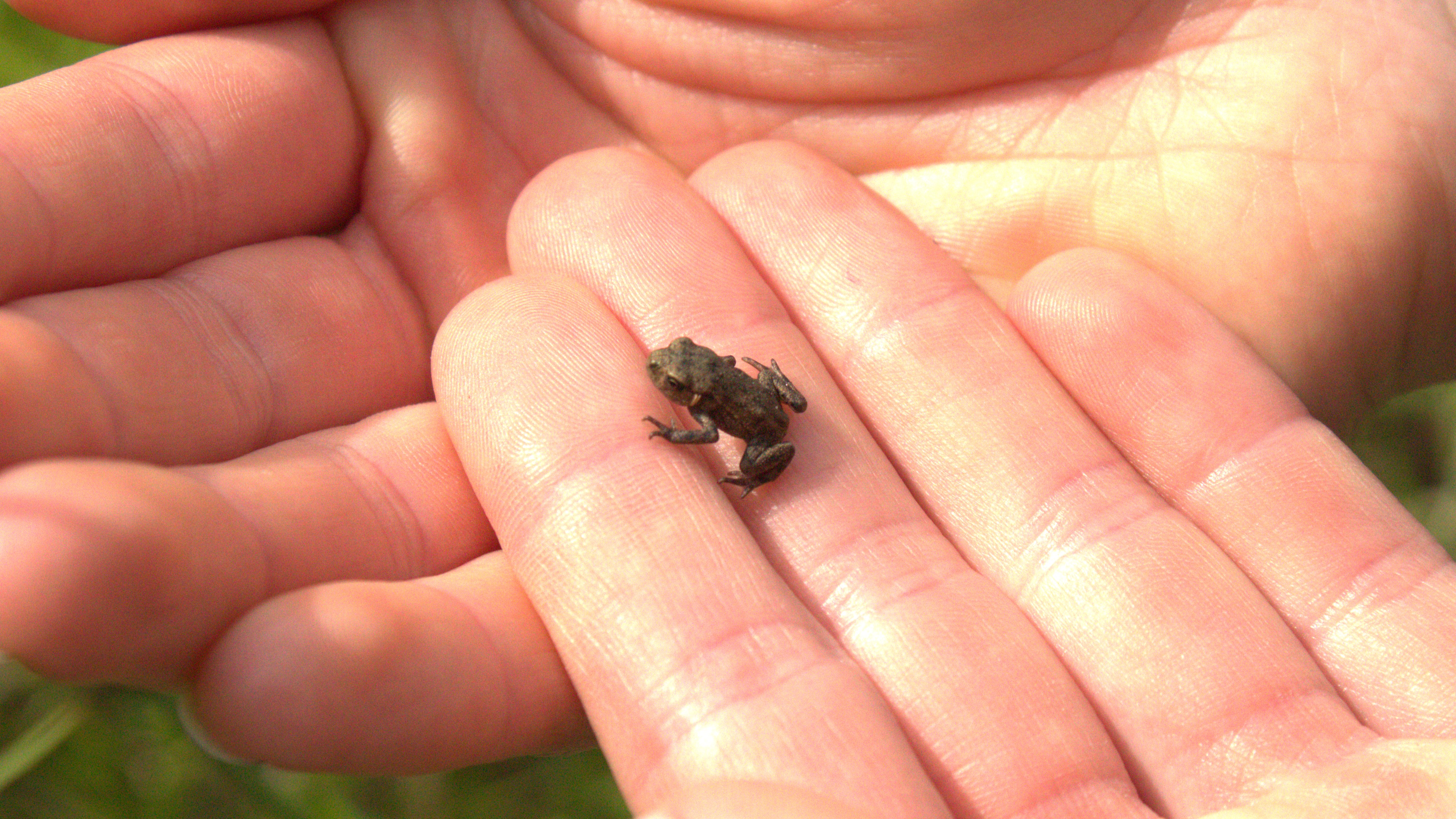
Turning onto the Summer Meadow Trail (open May to August), we were immediately greeted by hundreds of tiny froglets scattered across the path beside Teal Pond.
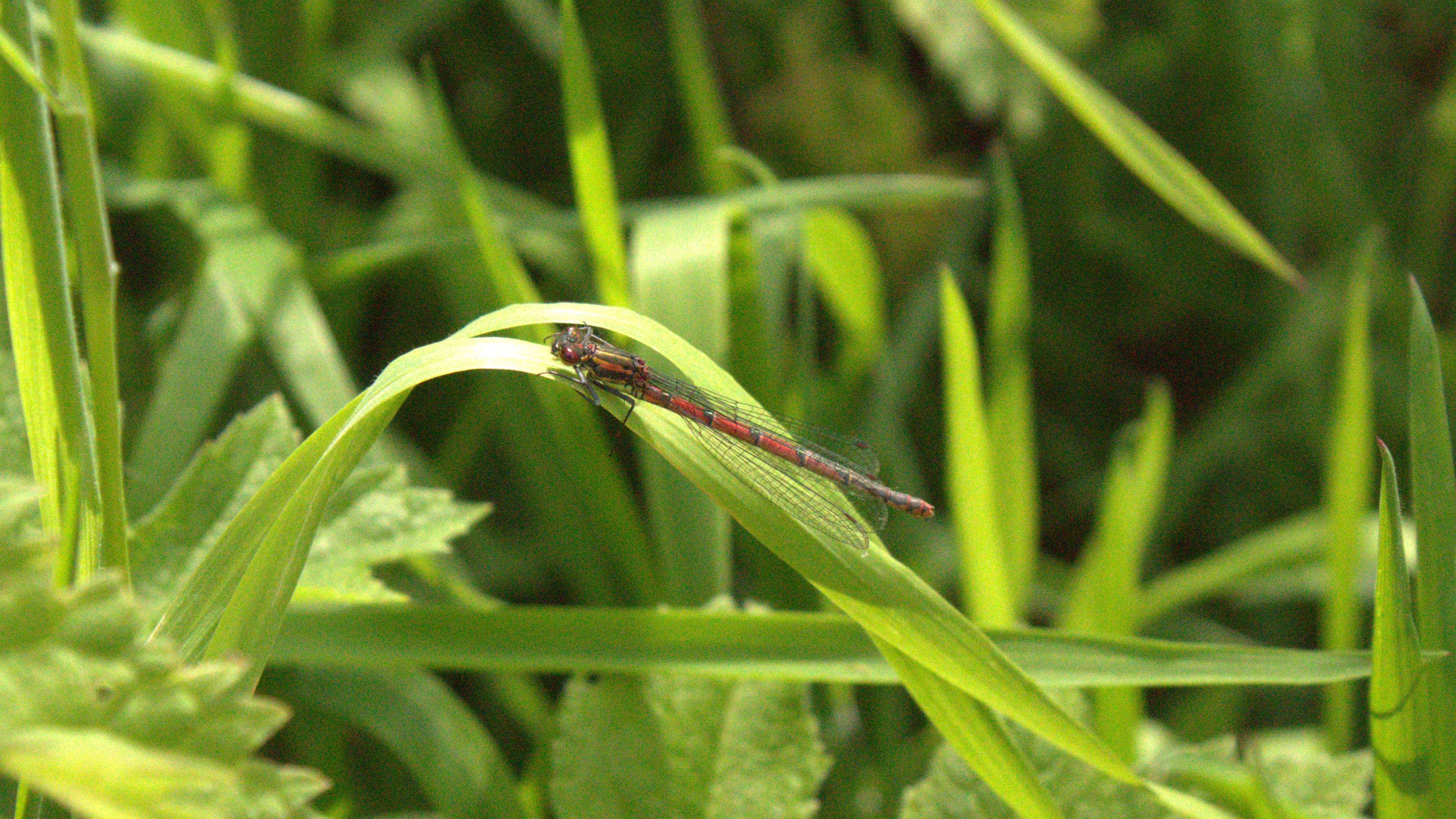
Here, I proudly spotted my first large red damselfly – both unmistakably large and red.
Across the pond, four-spotted chaser dragonflies patrolled regular aerial routes through the rushes. Watching them helped me learn not only how to identify them, but how differently dragonflies behave from damselflies.
As we continued towards Lochar Water, another hunter joined us: a persistent horsefly with an unfortunate fascination for Rebecca's hair. After several rescue attempts, we both escaped unscathed.
This stretch had us especially excited. Rebecca had seen a banded demoiselle here the day before, and I was eager to find my new favourite species.
Then, there it was.
A banded demoiselle drifted effortlessly through the riverside vegetation, teasing us by flying close before disappearing again. It never settled long enough for us to tell whether it was male or female but seeing it in flight was memorable enough.
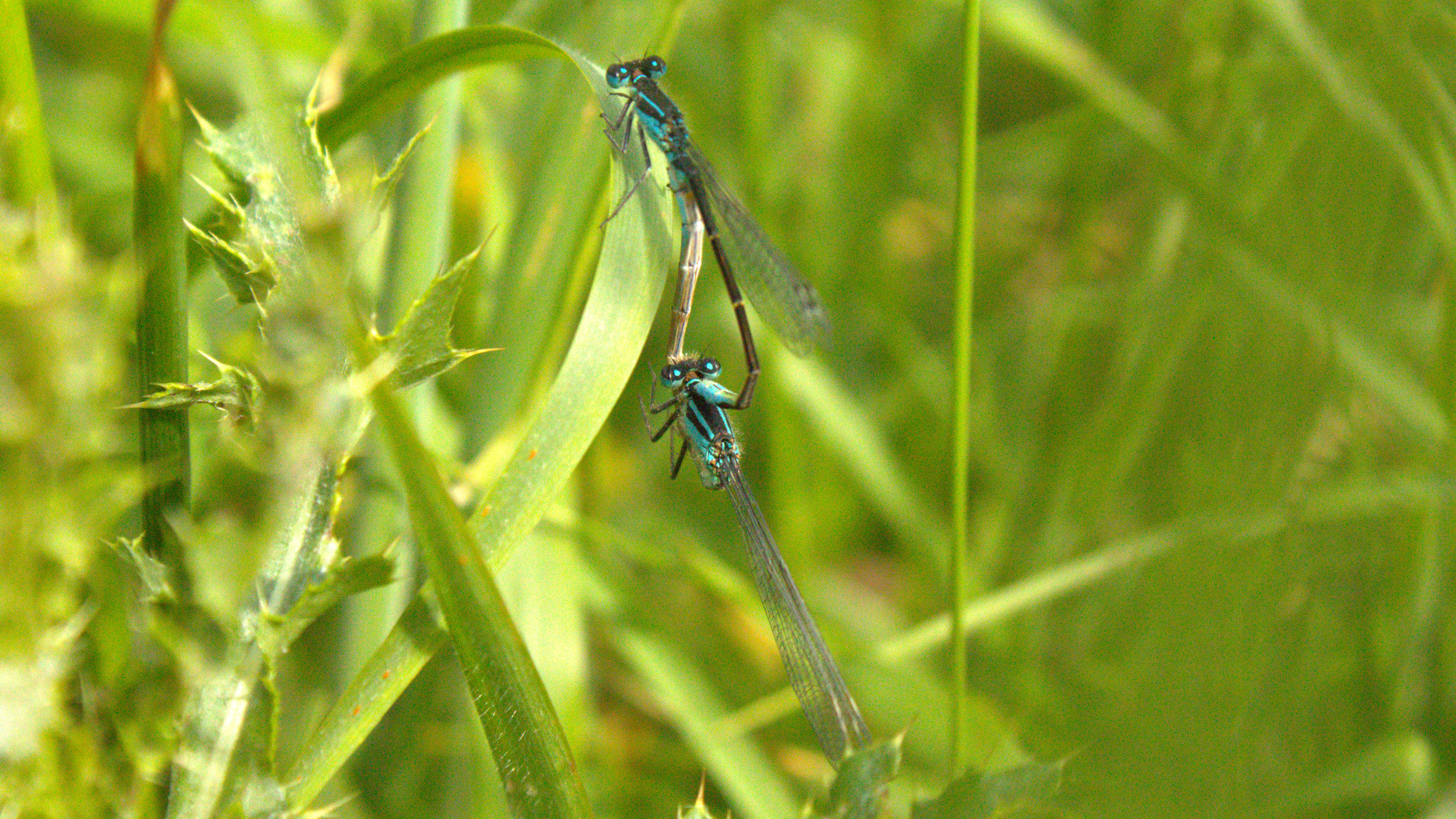
Nearby, I spotted a pair of blue-tailed damselflies mating among the grasses. They remained perfectly still, giving us one of our best views of the morning. They also proved to be our most frequently recorded species.
For some great tips on photographing these incredible insects, check out Jon Boardman's article here.
Wildlife distractions
Every good survey has its distractions.
Rebecca suddenly spotted yet another mystery butterfly and, like a cat spotting movement in long grass, bounded off in pursuit. It was entertaining to watch an insect enthusiast in her natural habitat.
On the return journey, the counting stopped to avoid recording the same individuals twice.
Before clouds drifted across the sun, we found one final banded demoiselle, this time unmistakably female.
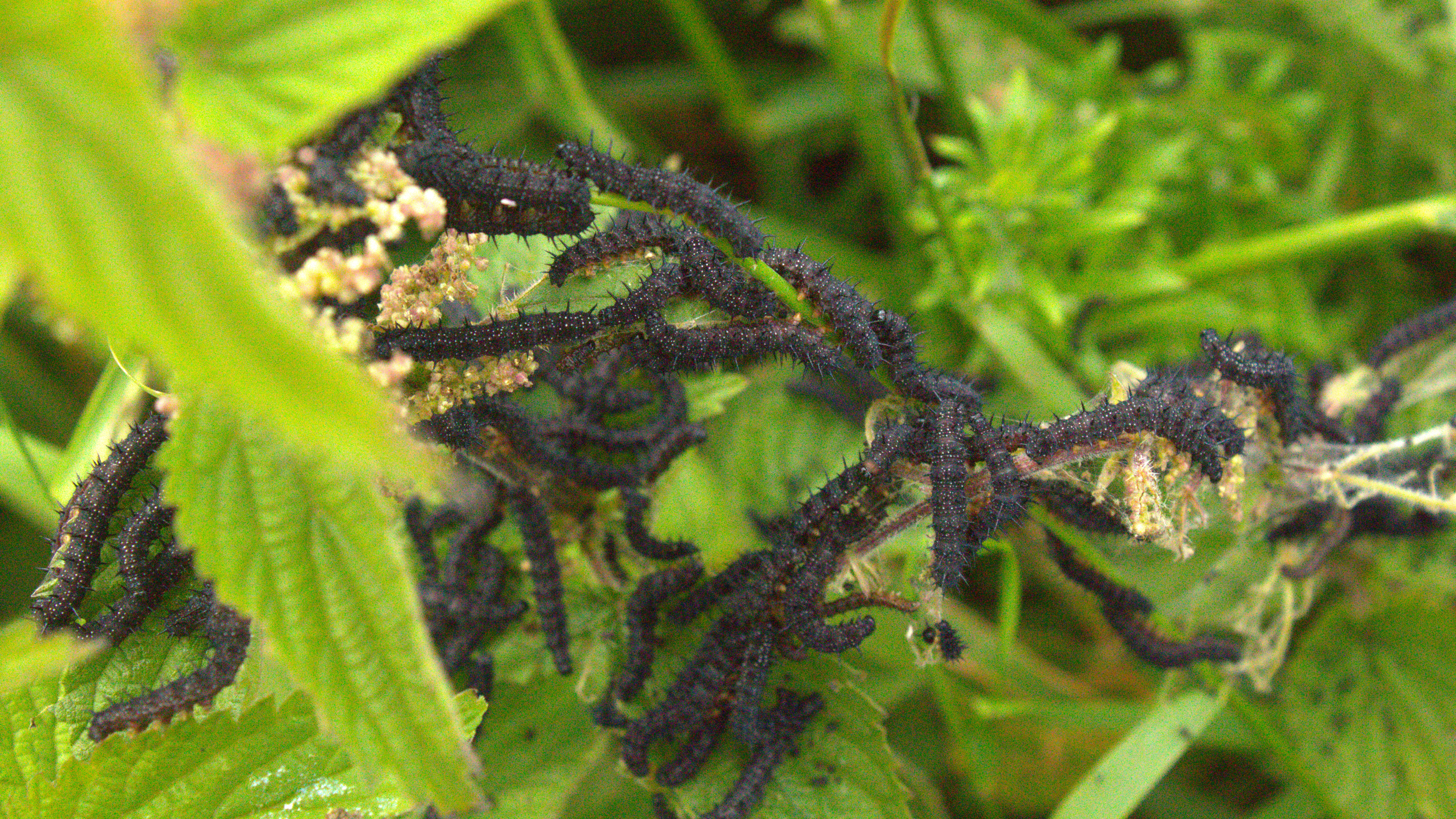
Our last surprise came beside the Back Pond, where strange black masses covered patches of nettles. Looking closer, we realised they were clusters of newly hatched peacock butterfly caterpillars crawling over one another. Several more clusters were nearby, promising plenty of peacock butterflies in the weeks ahead.
A different way of seeing
After two and a half hours walking through grasses, reeds, and wildflowers, our transect came to an end.
I can't think of a better way to learn about dragonflies and damselflies. Even as a complete novice, I felt useful. Searching so carefully for wildlife changes the way you see a landscape. Before long, you're noticing creatures you would have walked straight past at the start of the morning.
People often assume wetlands become quiet in summer.
After my first dragonfly transect, I'd argue the opposite.
Summer is overflowing with life—you just have to slow down enough to notice it.
11 easy tips to improve your dragonfly ID skills this summer
Dazzling dragonflies of WWT Caerlaverock: What to look for and where to find them