The third Saturday in August is World Honey Bee Day, recognising the importance of honeybees.
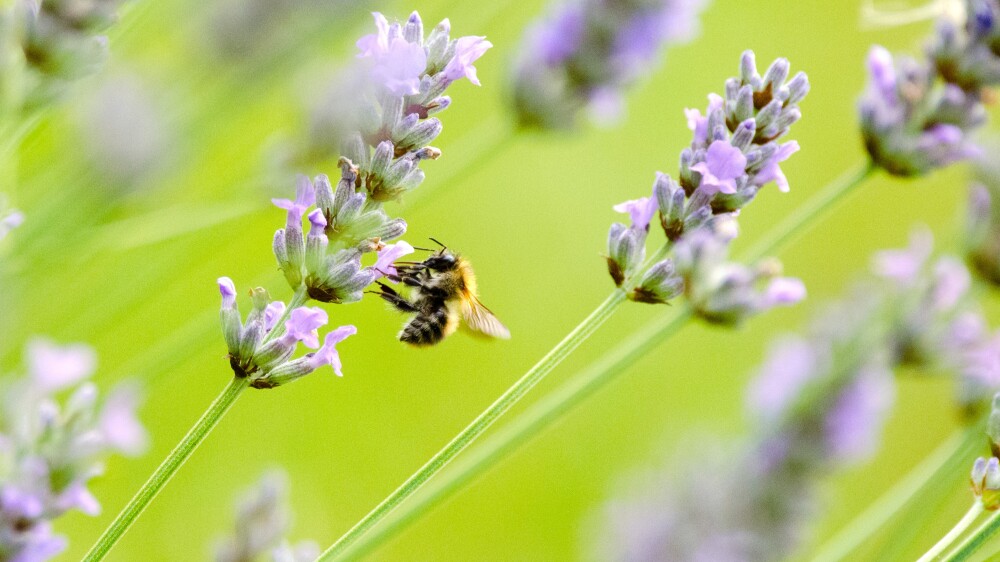
Honeybees (apis melliera) are key pollinators in the UK, pollinating up to 15% of plants. They are key members of our ecosystem, supporting not only plant life, but other mammals too, like bats and birds.
Our team member, Dawn, is a keen honeybee fanatic, having kept hives herself. Most honeybees in the UK live in 270,000 registered hives, and looking after these hives can be the best way to learn about their fascinating politics and social structures.
There are three kinds of honeybees you will find in a healthy hive: the female worker bees, the male drones, and the Queen bee.
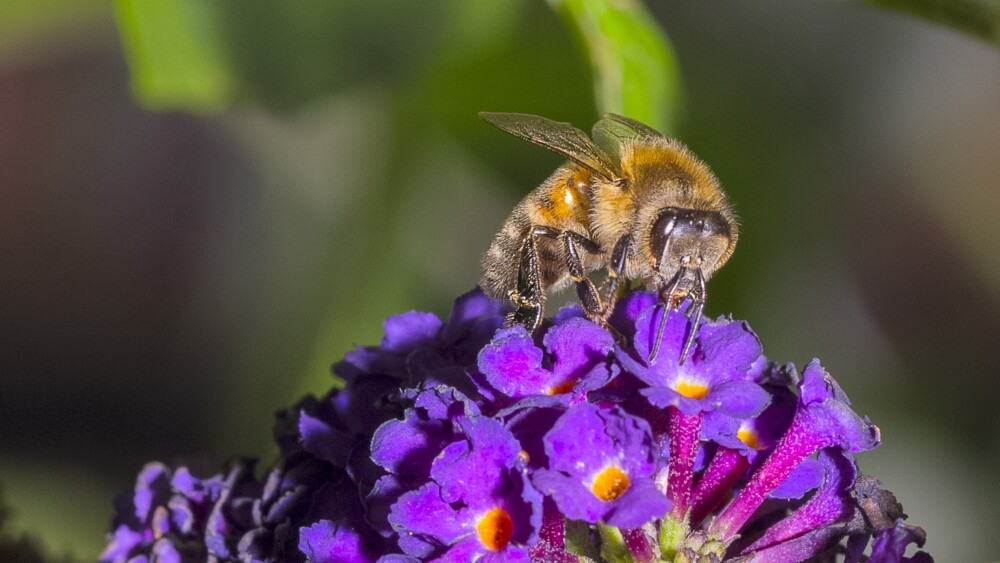
Worker bees
The backbone of the hive, the worker bees are responsible for upkeep and maintenance. Their list of chores include cleaning the cells, nursing the young bees, removing dead bees, guarding the entrance, foraging, and importantly, looking after and protecting the Queen. The foragers bring back nectar and pollen to the hive in their honey stomach (they have two stomachs) where the workers in the colony combine the nectar with bodily enzymes to create honey. This honey is used to feed the whole colony. The pollen is a source of protein used to feed the young.
Drones
The sole purpose of the drone bees is to mate with a Queen, which, if they are lucky enough to be chosen, results in their death. Unsuccessful drones will be kicked out of the hive by the worker bees at the end of the summer period.
Queen Bee
The ruler of the hive, the Queen’s duty is to reproduce and increase the hive’s population. At only a few days old, she will leave the hive for several mating flights, then in normal circumstances she’ll spend the rest of her life in the hive, where she will lay her eggs (up to 2000 a day in summer!). But for various reasons, including if she becomes too old or if she doesn’t lay enough eggs, or if the colony decides to swarm, she will leave the hive with thousands of worker bees, and the remaining workers will create a new Queen with one of her eggs.
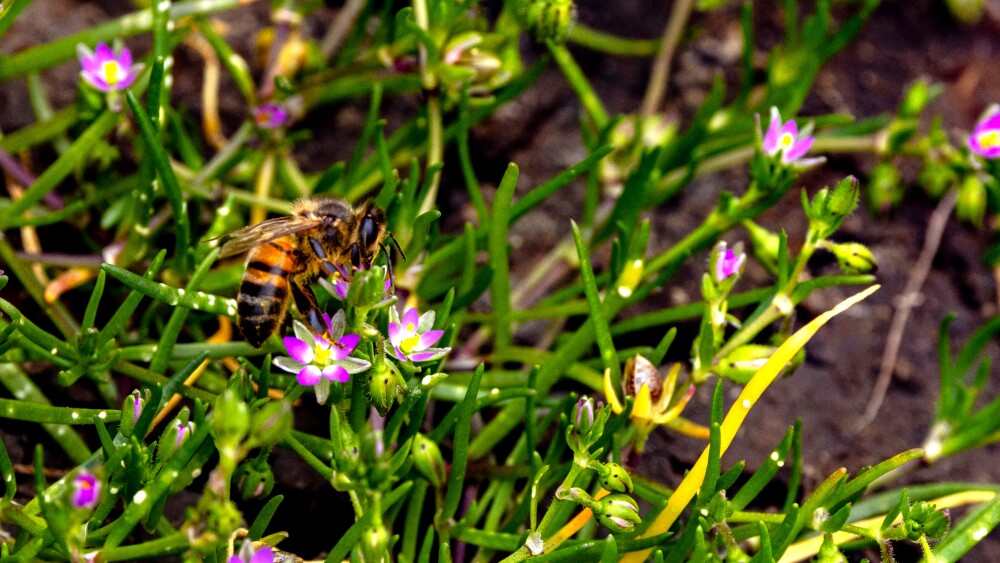
These creatures are incredibly intelligent, with complex habitat creation and communication techniques showing how smart they are. In particular, they can communicate exact locations of good pollen spots through an iconic ‘waggle’ dance, leading other worker bees to the areas through a few figure-of-8 style movements.
It is important to note that honeybees aren’t always a great addition to our wildlife areas, as they compete with other bees and pollinators and reduce numbers in other species. While they can be great for home wildlife gardens, they can be disruptive at dedicated nature reserves.
Here at WWT Caerlaverock, while we don’t get many honeybees, we do see a lot of leafcutters, buff-tailed bumblebees, solitary bees, red-tailed bees, and many more, all busy pollinating in our meadows, gardens, and paths.
Book your tickets now to visit them!
By Dawn Haggerty, Admin Officer & Georgia Pope, Engagement Officer