The Rivers Trust’s bi-annual river awareness week, the Big River Watch, has started.
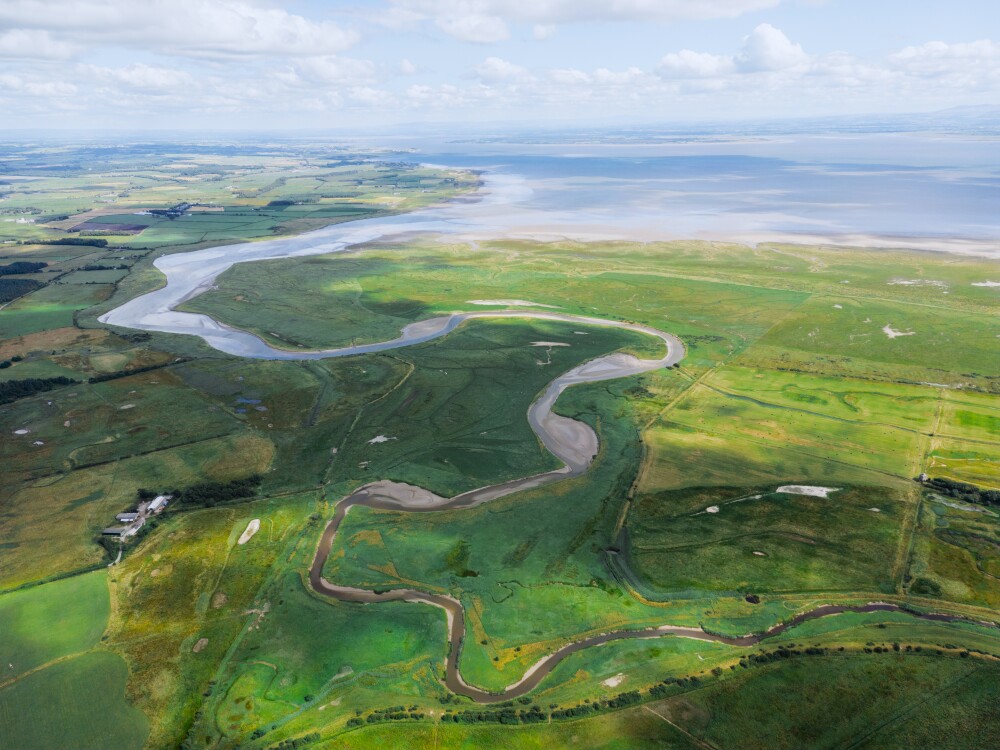
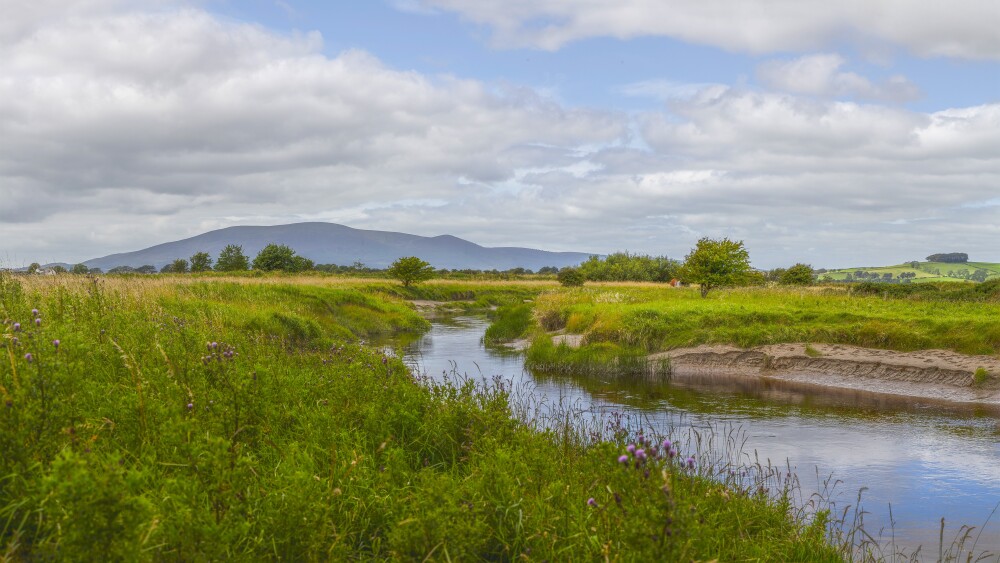
Our reserve is nestled alongside the Lochar Water, a river designated as an SAC (Special Area of Conservation). Much of our work restoring these glorious wetlands has helped improve the river’s health, supporting the wildlife that depends on it.
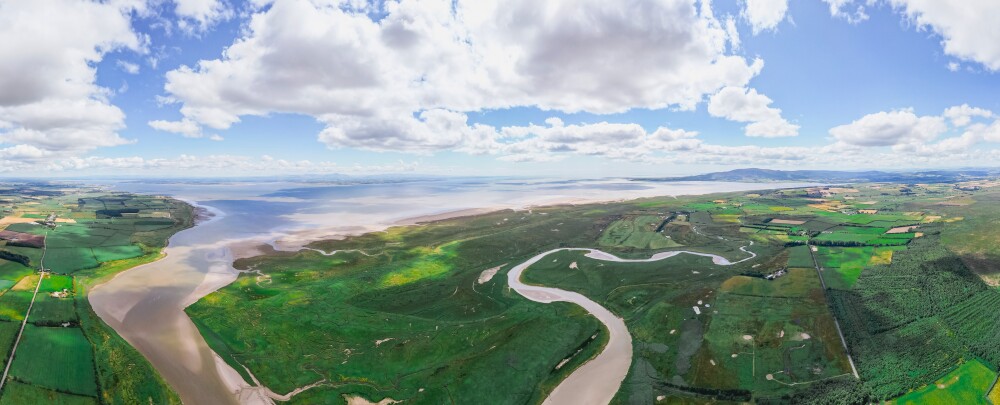
Almost 30km long, the Lochar Water flows through the former raised peatland of Lochar Moss before reaching the Solway Firth. Around 8km of the river runs across intertidal sandflats, exposed only at low tide.
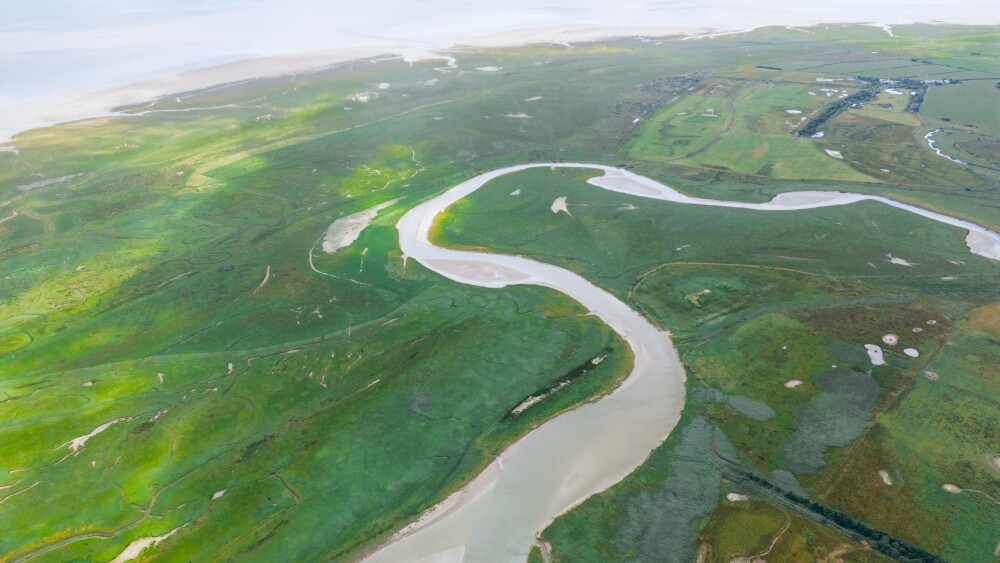
The name ‘Lochar’ comes from the Scottish Gaelic luachair, meaning ‘rush’, a wetland plant that perfectly reflects the landscape. The river begins where Park Burn and Amisfield Burn meet, northeast of Dumfries. Its sandstone quarries produced stone used in buildings around the world, including the base of the Statue of Liberty!
Since the mid-18th century, much of the surrounding land was drained for agriculture, drying out what was once the largest raised peatland in Europe. A formal land management plan introduced in 2020 has since begun restoring peat levels and reversing some of these impacts.
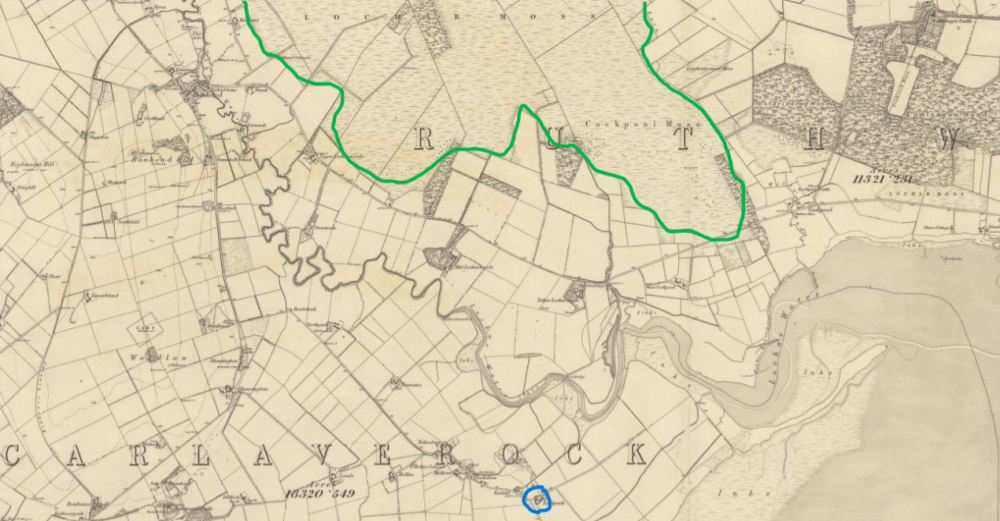
Particular attention has been given to the largest remaining remnant of historic Lochar Moss, west of Bankend, which is recognised as an SSSI (Site of Special Scientific Interest). Forest and Land Scotland (FLS) are working here to support reptiles, including adders, slow worms and common lizards.
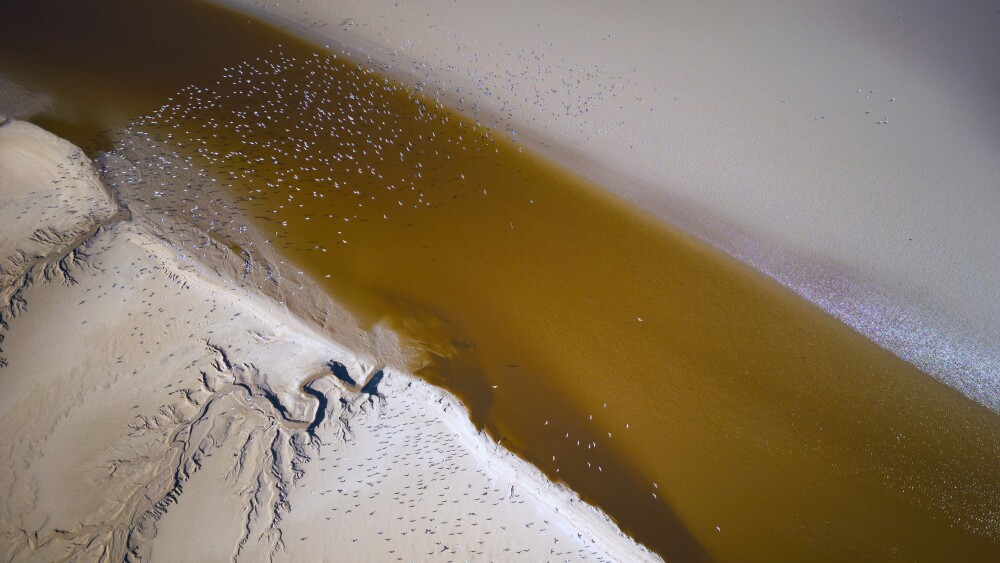
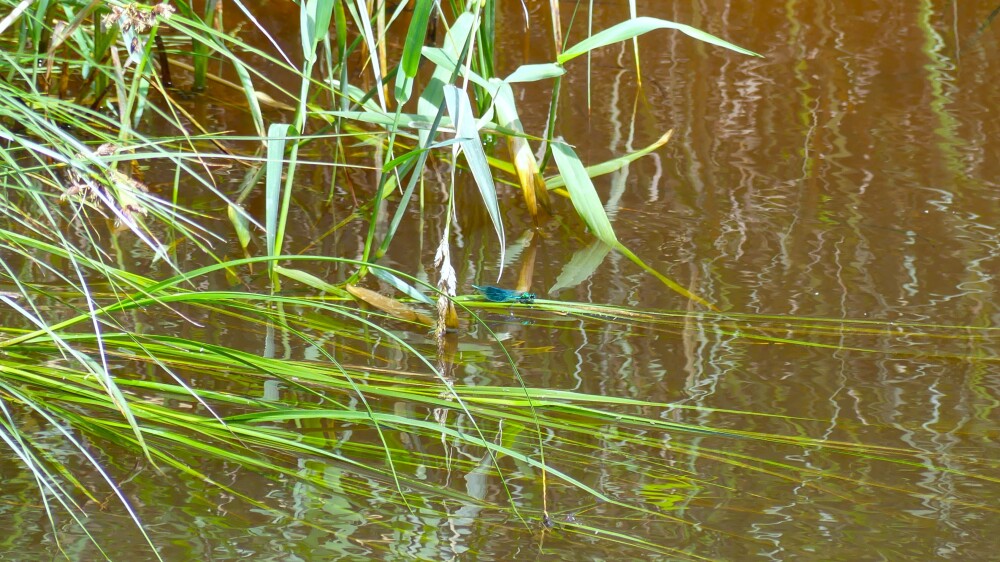
At WWT Caerlaverock, we have a front-row seat to the southern end of the river, especially when our Summer Meadow Trail is open (May to August). It’s a fantastic place to spot wading birds, dragonflies and damselflies - including my personal favourite, the banded demoiselle.
Big River Watch, running from 18th to 24th September, is an initiative encouraging people to learn more about the health of our rivers. With only 15% of UK rivers classed as ‘healthy’, gathering this information is vital in helping improve the quality of our river network.
All you need to do is download the app, spend 15 minutes watching your local river and complete the survey.
I’ll be carrying out my own survey on the Lochar Water this week, and I encourage you to do the same with your local river!
Learn more about the River Trust’s Big River Watch.
By Georgia Pope, Engagement Officer