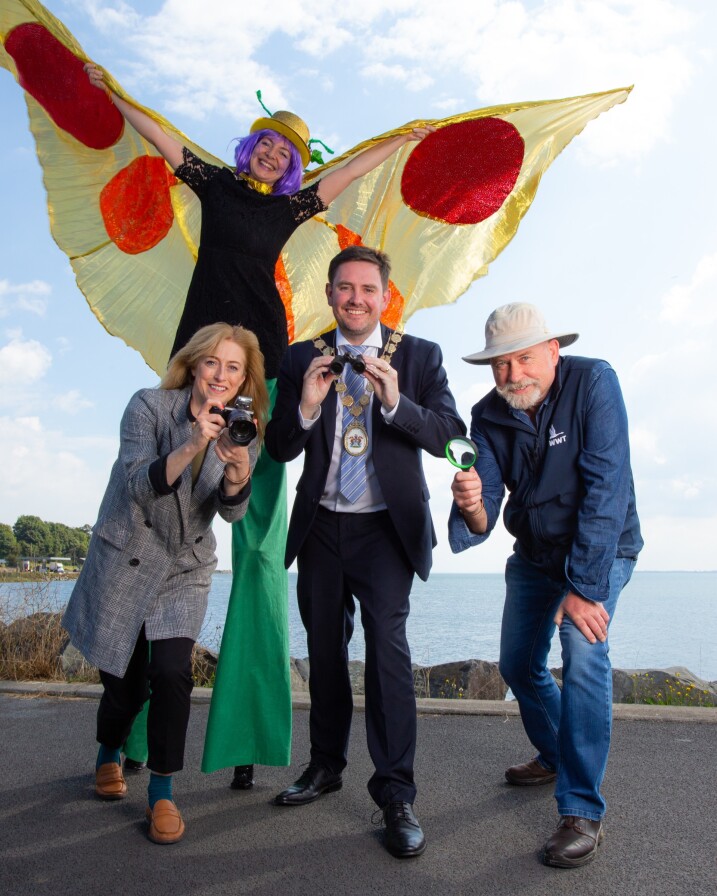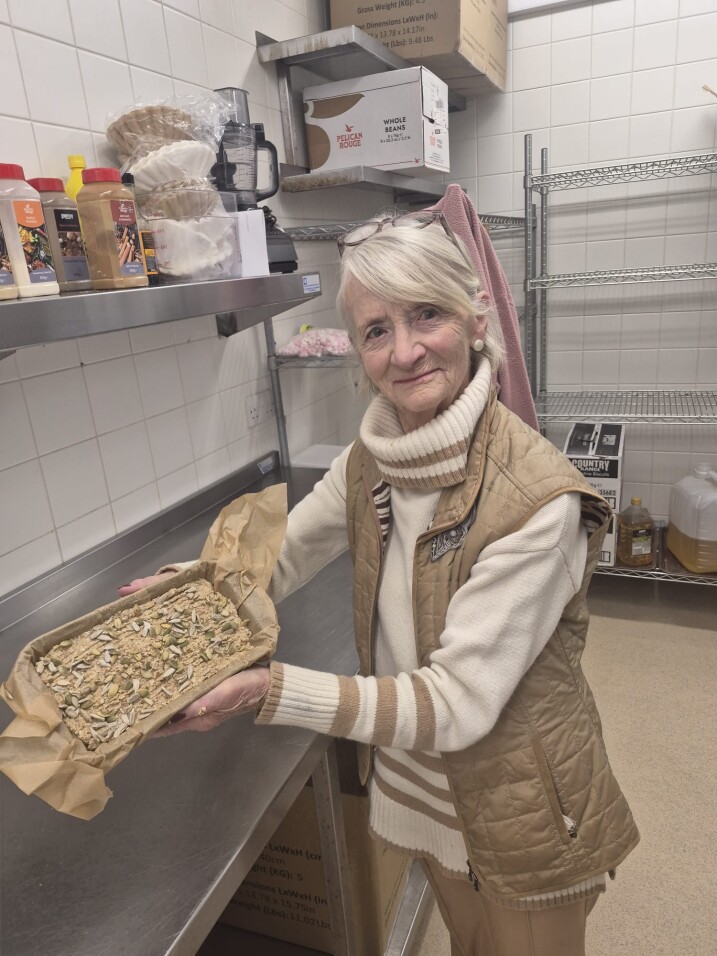
There’s always something new to discover at WWT Castle Espie, and who better to introduce us to some of the plants growing around the reserve than our knowledgeable volunteer, Ricky?
Ricky has a brilliant eye for the fascinating details of the natural world, from the plants we might walk past every day to the wildlife that depends on them. Each month, she’ll be sharing one of her favourite plants with us – along with its stories, folklore, wildlife connections and some of the ways it has been used over the years.
To start our new ‘A Plant a Month with Ricky’ series, we’re taking a closer look at a plant with a particularly interesting history: comfrey (Symphytum officinale).
Look closely around Castle Espie and you’ll find plants with stories stretching back centuries. Comfrey is a familiar wildflower with a fascinating place in Irish folklore and history...
Known in Irish as 'compar', comfrey has been used in Ireland for generations and has a long association with healing, horticulture and folklore. There are more than 270 references to compar in the Irish National Folklore Collection.
Comfrey was traditionally associated with Brigit, the Irish goddess of healing, and planting it was believed to bring blessings to the land. Its historical importance was such that patches of what is known as ‘relict’ comfrey can even help archaeologists identify the sites of former monastic settlements.
Nowadays we might appreciate comfrey for some rather different reasons. Its purple-pink bell-shaped flowers are popular with pollinators, while its large, hairy leaves make it an unmistakable plant when you spot it around the reserve.
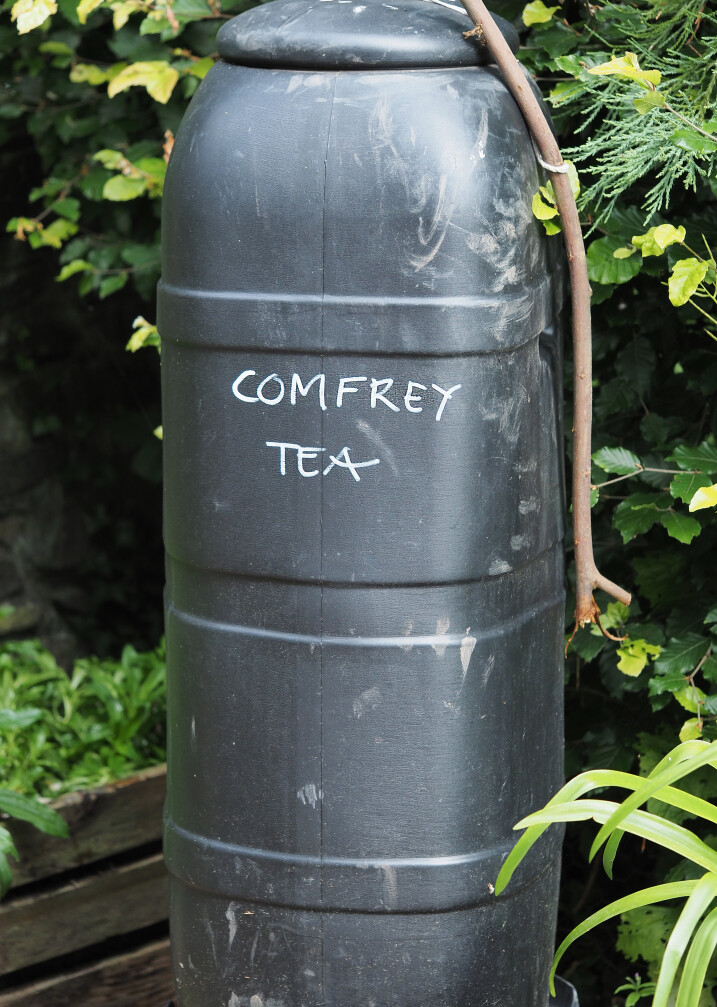
Here at Castle Espie, comfrey also has a very practical role. WWT volunteer Ricky makes comfrey tea -a natural liquid fertiliser made from the leaves - which can be used to feed plants in the garden. The leaves can also be used as a green mulch, returning nutrients to the soil as they break down.
Next time you spot comfrey at Castle Espie, take a moment to look a little closer. This humble wildflower has been part of Ireland’s landscape and stories for centuries, and it’s still playing its part today.
A note on historical uses
Although comfrey has a long history of medicinal use, some of the traditional remedies associated with the plant are not considered safe today. Comfrey contains compounds called pyrrolizidine alkaloids, which can cause serious liver damage if consumed. Its historical medicinal uses should not be attempted at home.