When Sir Peter Scott founded WWT back in 1946, he had a vision for a future where wetlands thrived.
What started as an ambitious idea has grown into a movement that has inspired generations, restored landscapes, influenced policy and helped bring some of the world’s rarest species back from the brink.
As we celebrate our 80th anniversary, we take a look back over these achievements, which tell a story of remarkable people, fascinating wildlife and eight decades of leading the way and inspiring change.
When was WWT established?
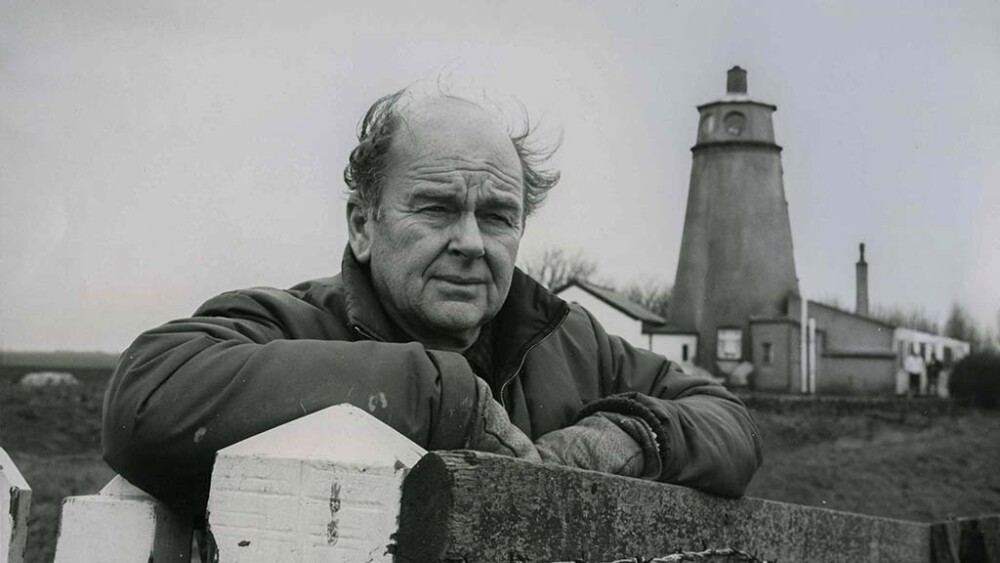
On 10 November 1946, Sir Peter Scott officially opened WWT Slimbridge in Gloucestershire, the first of what would become 10 WWT wetland centres across the UK.
Sir Peter was inspired to set up his wildlife sanctuary after spotting several different species of geese, including lesser white-fronted geese, feeding on the banks of the River Severn one December morning in 1945. It was the first time this particular species had been recorded in the UK since 1886, and passionate ornithologist Sir Peter took action, establishing the Severn Wildfowl Trust, now WWT.
Sir Peter’s goal was to create a safe haven for wild birds and help bring people closer to nature, fostering awareness and nurturing a love for wetlands. What started as a 1,000-acre site has grown to over 2,000 acres. Today, WWT Slimbridge is widely recognised as a world-leading wetland wonderland and a pioneering hub for science and conservation.
What is Sir Peter Scott’s legacy?
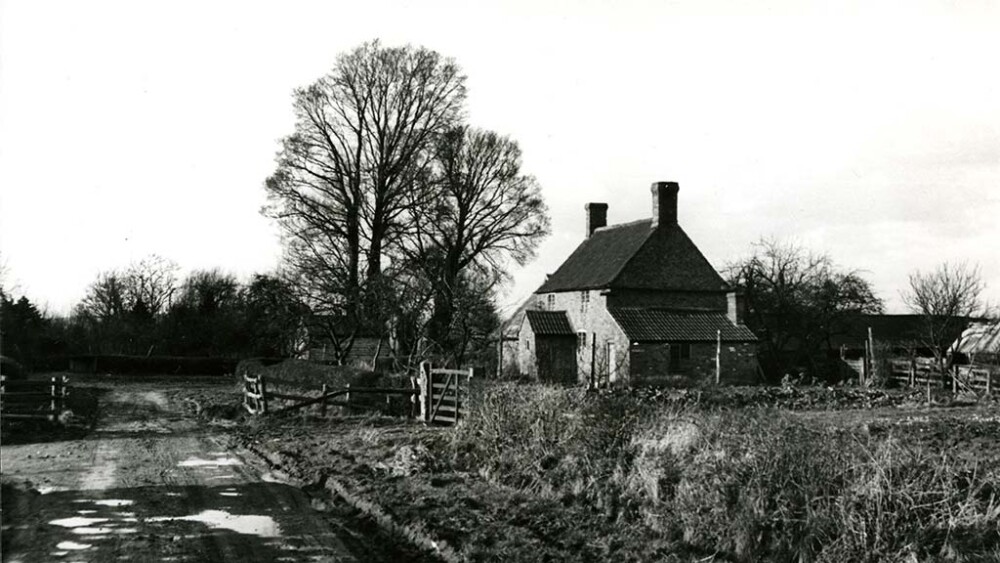
It’s hard to sum up Sir Peter Scott’s legacy. When he founded WWT, conservation looked very different. Wetlands were often overlooked, but Sir Peter realised, ahead of his time, that wetlands were something worth celebrating and protecting. He understood their incredible value and potential.
Throughout his lifetime, Sir Peter tirelessly campaigned to protect wetlands and safeguard their future, helping to establish the Ramsar Convention and the IUCN Red List of endangered species.
But his vision extended beyond protecting wildlife. Sir Peter believed that people would care for nature if they had the chance to experience it first-hand, and that his reserves would thrive if people were encouraged to visit. As far as he was concerned, conservation wasn't something to admire from afar. It was something everyone could be part of.
That philosophy continues to shape WWT today. Every visitor who eagerly welcomes the arrival of the Bewick’s swans, every child who gets hands-on pond dipping and every volunteer who helps restore habitats carries forward the legacy that Sir Peter began 80 years ago.
Growing our WWT wetland sites
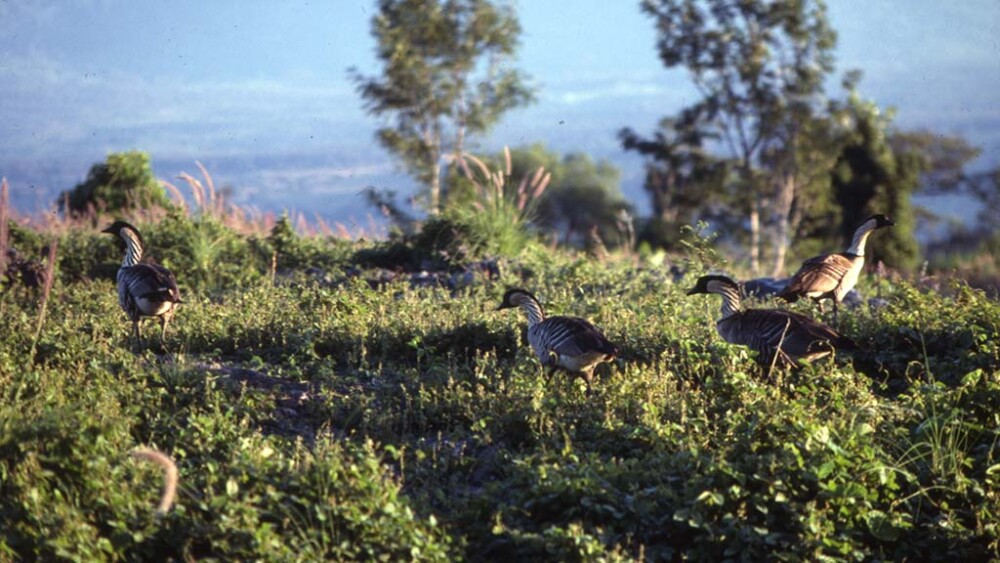
What began as a single site has grown into a collection of 10 WWT wetland centres across England, Wales, Scotland and Northern Ireland. WWT Welney followed Slimbridge in 1970, and today we have sites in Arundel, Caerlaverock, Castle Espie, Llanelli, London, Martin Mere, Steart Marshes and Washington.
Each site tells its own story. Encompassing diverse ecosystems including saltmarsh, reedbeds, wet grassland, lagoons and fens, every WWT wetland centre provides vital habitat for native and visiting wildlife.
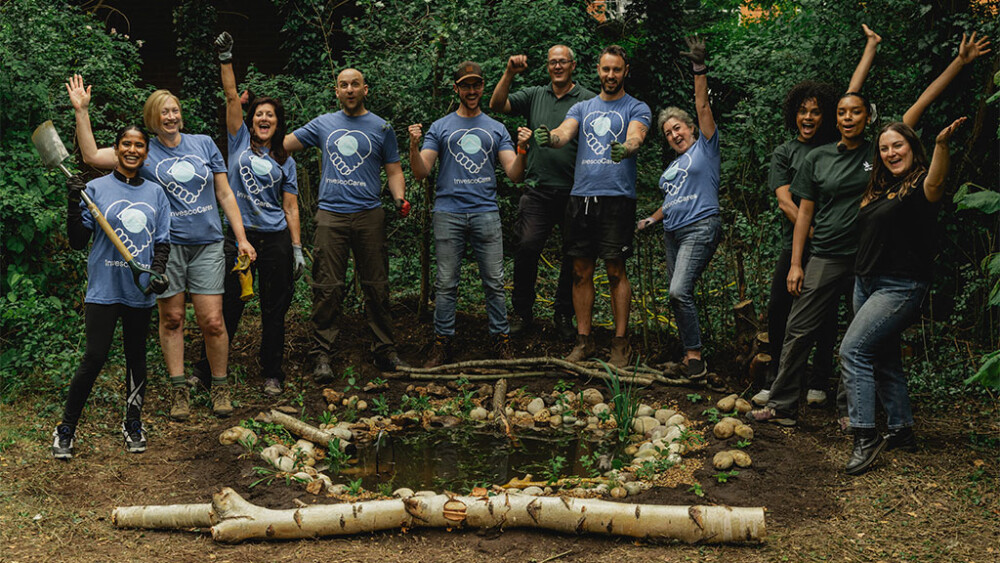
Over time, these centres have grown and evolved, shaped by their communities and the staff, volunteers, donors and partners who support them. They are places of discovery, scientific research, learning and inspiration, where millions of people have built, and continue to build, lasting connections with the natural world.
What are WWT’s key achievements so far?
Alongside our global community of nature lovers, we’ve spent the past 80 years working on conservation projects that strengthen the connection between wetlands, wildlife and people. Here are some of our key achievements from the last eight decades.
Monitoring Bewick’s swans
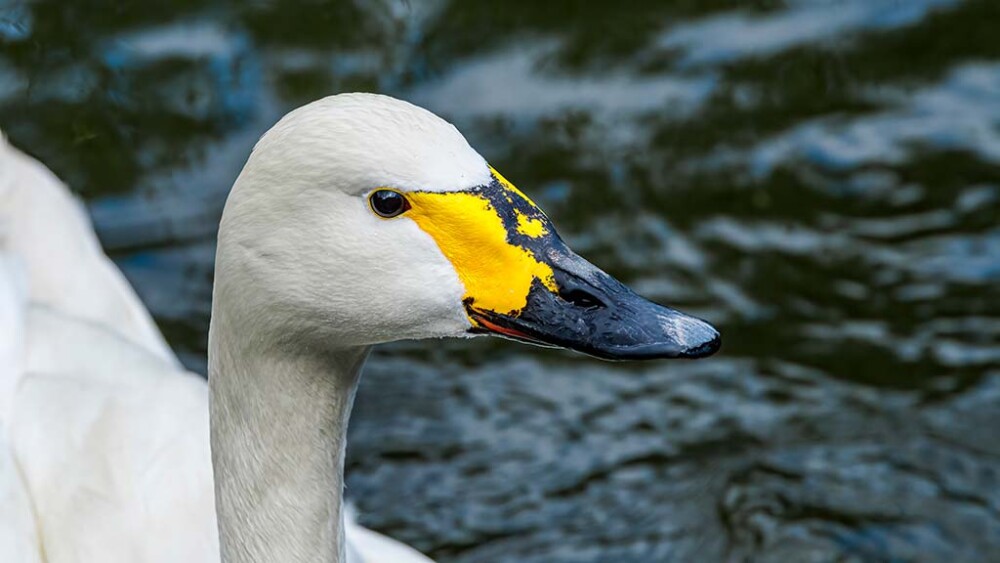
For more than 60 years, we led Bewick’s swan research in the UK. It all began in the winter of 1963, when Sir Peter noticed that each individual Bewick’s swan could be identified by its unique bill markings. He sketched the swans and, when they returned the following year, recognised some of the same birds. This led to the discovery that these natural markings could be used as a powerful research tool.
Those sketches marked the beginning of a monitoring project spanning more than six decades. Since then, we have used laboratory analysis to study swan health and GPS tracking technology to understand migration routes. We also began ringing Bewick’s swans in the 1960s and have since fitted birds with GPS tracking devices to learn more about their movements and behaviour.
Over the years, visitors, staff and volunteers have enjoyed following the return of these majestic swans and developing close connections with them. Together, this long-term research provided vital evidence to explain the dramatic decline in Bewick’s swan numbers and helped inform conservation efforts to protect them.
Restoring saltmarsh for the community
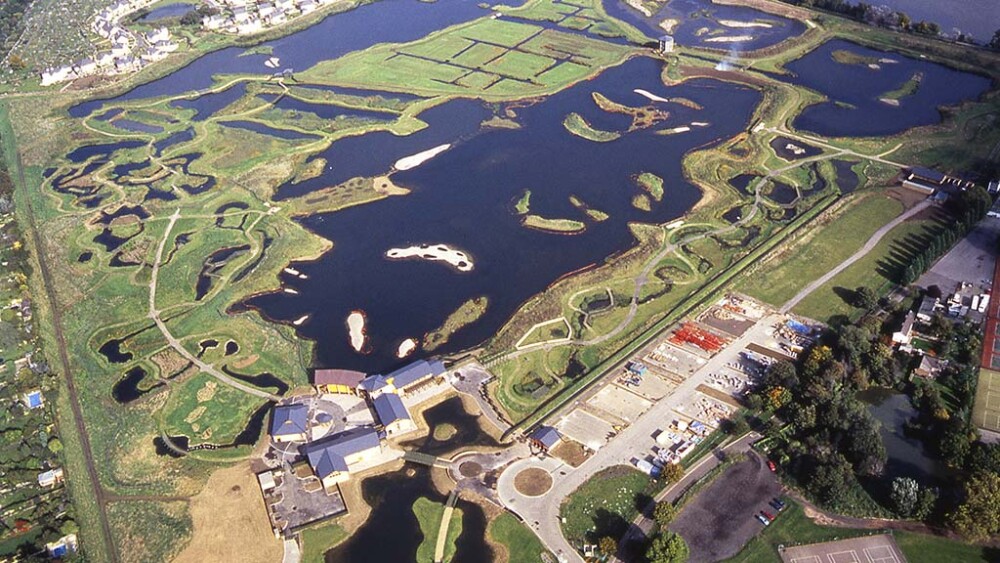
Formerly farmland at risk of flooding, WWT Steart Marshes is now a mosaic of freshwater, brackish and saltmarsh habitats. It provides protection for local communities against storm surges while offering sanctuary for a wide variety of birds, fish, mammals, insects and amphibians.
Twelve years after saltwater first entered the breach in the Steart Peninsula sea wall through the efforts of WWT and its partners, WWT Steart Marshes had stored more than 25,000 tonnes of organic carbon from the atmosphere, helping to tackle the impacts of climate change.
Saving the Madagascar pochard
Our conservation efforts are global, and giving the world’s rarest bird a chance of survival in the wetlands of Madagascar has been one of our most ambitious projects yet.
This small diving duck was thought lost forever, until a small population of around 20 Madagascar pochard was found on a remote lake in the country. We quickly launched an operation to save the species before it disappeared altogether.
After hatching several clutches of eggs in captivity, or, more accurately, in the bathroom of a hotel room, we created a duckling crèche before successfully releasing Madagascar pochard into their new home at Lake Sofia.
From small beginnings, with a cardboard box and a plastic ice cream tub serving as a chick swimming pool, we now have a fully fledged breeding facility named the Fotsimaso Interpretation Centre for the Madagascar Pochard, which opened in 2017.
Working with local communities, we helped create temporary homes for the Madagascar pochard. While there is still a long way to go to secure this small diving duck’s future, we’re already seeing numbers increase as the birds continue to breed.
WWT and education: raising Generation Wild
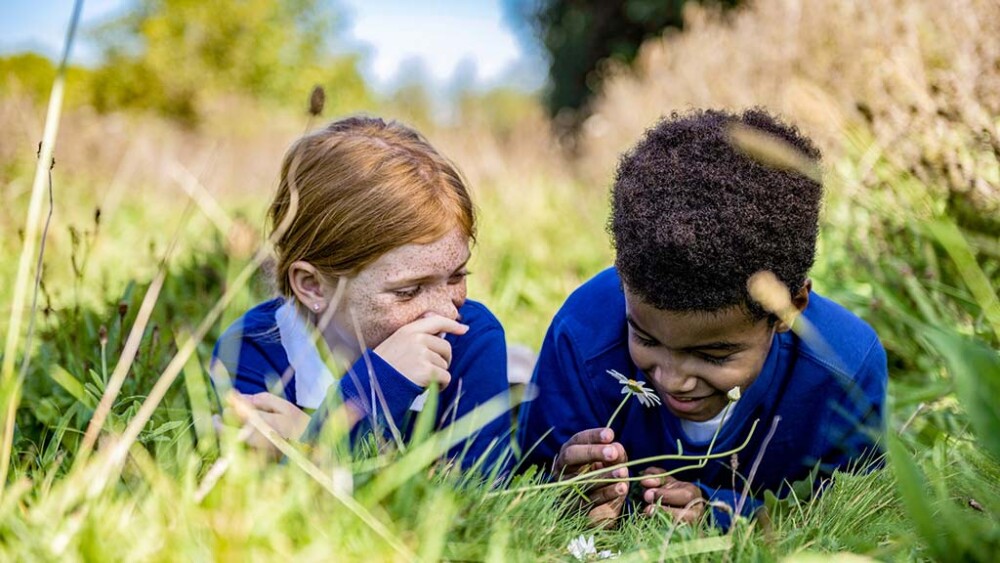
We’re proud to be inspiring the next generation by creating connections with nature through our hands-on learning experiences.
Through Generation Wild, we work with schools, children and families in disadvantaged communities to promote a lifelong love of nature. By August 2027, Generation Wild will have connected nearly 100,000 children and families to nature across England, Northern Ireland and Wales, improving wellbeing, boosting confidence, nurturing curiosity and increasing their care for nature.
Campaigning for change
Sir Peter was a loud voice and influential advocate for conservation. In 1971, Sir Peter was a key author of the Ramsar Convention, an international treaty signed in Ramsar, Iran, to protect wetlands of international importance. Ramsar is the oldest environmental agreement in the world and today includes more than 2,500 wetlands worldwide.
At WWT, we continue to speak up and campaign for the protection of wetlands and wildlife through policy as well as practical action. In 2026, following a decades-long campaign led by WWT, the government finally banned lead ammunition for outdoor shooting in Great Britain.
Some of our most precious wildlife, including Bewick’s and whooper swans, have been thrown a vital lifeline. It proves that positive change is possible when we make our voices heard.
The future of WWT
That’s the story so far. As we move into our 80th year, we will continue to inspire those who understand and love wetlands to take action, while reimagining what pioneering conservation looks like in today’s world.
There’s a lot to be proud of, but for WWT and our supporters, it’s just the beginning.