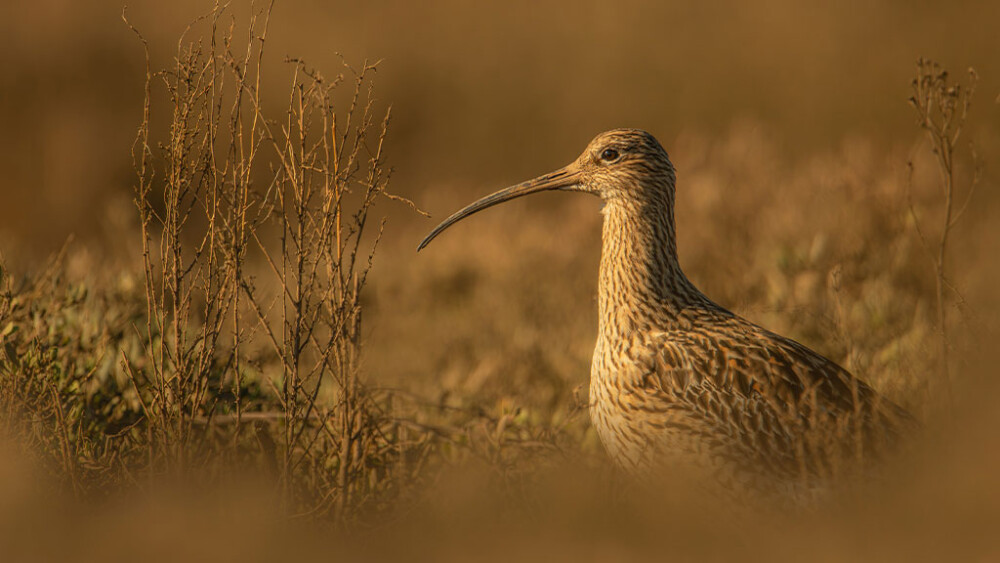
Header image: Eurasian curlew © Ben Andrew/WWT
For 80 years, we’ve worked to protect wetlands and the wildlife that depend on them. From the huge flocks of wintering birds to the summer emergence of dragonflies, every species has its own story. Our determination to keep telling these stories has helped bring species back from the brink of extinction and rejuvenate lost wetlands. While the threats to wetland species remain, we’ll continue to take action to help.
WWT: our conservation history
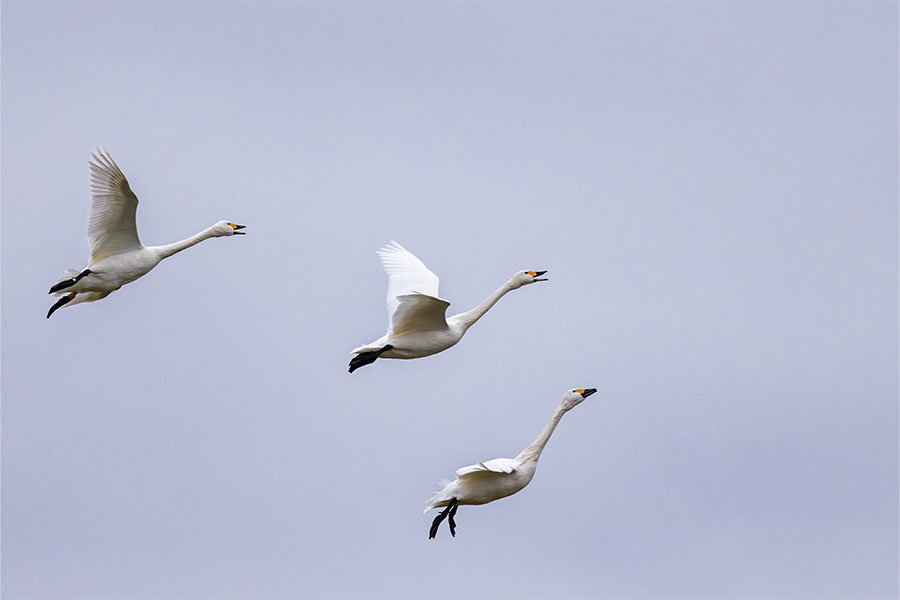 Bewick’s swans in flight at WWT Slimbridge © Billy Heaney/WWT
Monitoring the Bewick’s swan
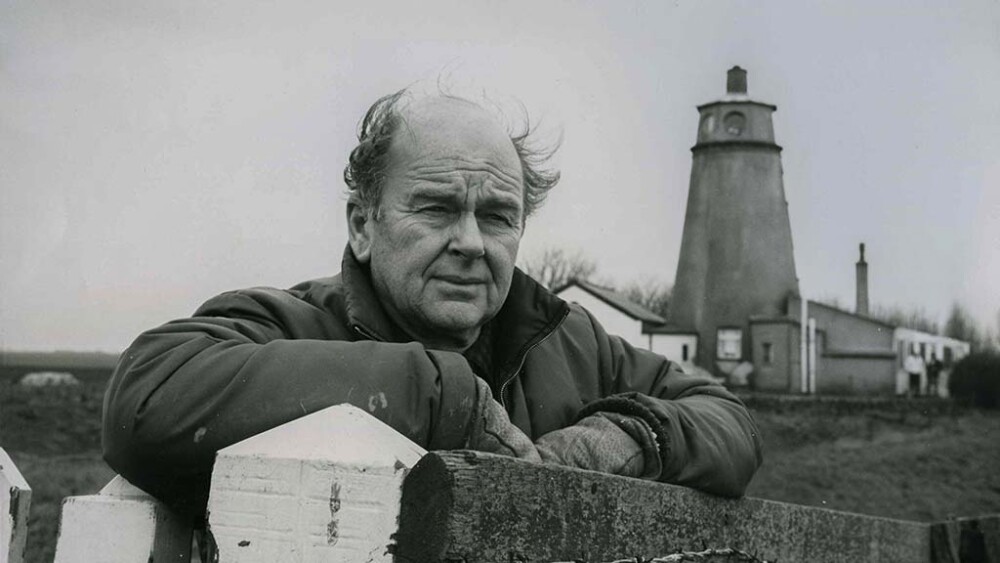
Sir Peter Scott founded WWT in 1946, and while many birds captured his imagination, it was his fascination with the Bewick’s swan that led to a decades-long monitoring study at WWT Slimbridge.
Every winter Bewick’s swans would settle at Slimbridge, after a migratory journey spanning thousands of miles. Sir Peter Scott and his family liked to sketch the new arrivals and quickly noticed that they were able to recognise many birds by the unique pattern of yellow and black in their bills. While the drawings were the start, 60 years later we rely on the latest scientific breakthroughs to track the Bewick’s swans through GPS. Monitoring their migration routes and overall health, we've worked with governments and communities across Europe to ensure the survival of these birds and that their soft honking remains the soundtrack of Britain’s wetlands in winter.
All these years later, the Bewick’s swan has become a culturally significant symbol of our history – you’ll recognise it as the bird on our logo – and an emblem of the curiosity wetland wildlife inspires.
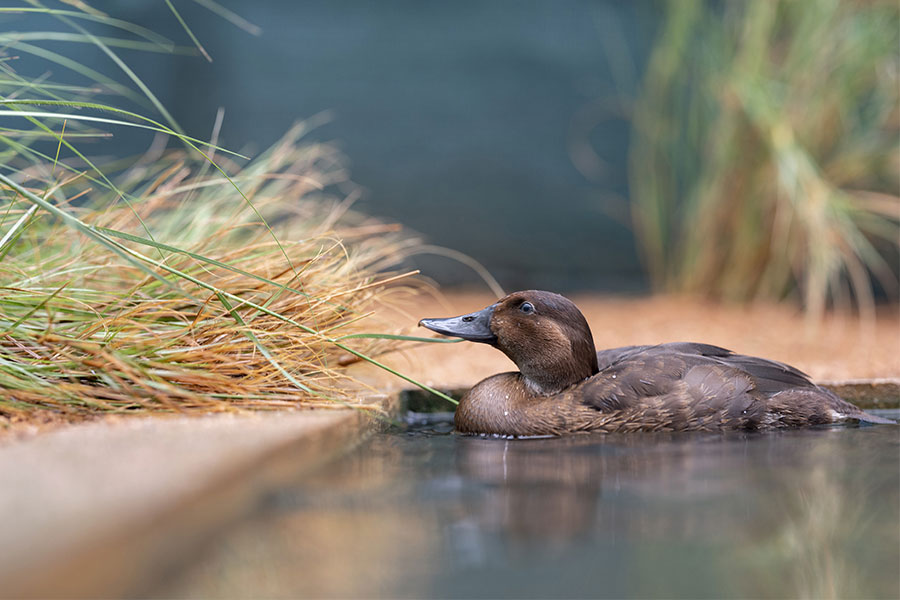 Madagascar pochard at Lake Sofia conservation breeding facility © Ben Sadd/WWT
Saving the Madagascar pochard
Once thought extinct, a small group of Madagascar pochard were discovered on a remote lake in Madagascar in 2006. The diving ducks were barely surviving, so we jumped into action, launching an operation to save the species and stop it disappearing altogether.
Factors like water quality, temperature and sedimentation were all affecting the birds’ ability to feed, so after finding a wetland with potential, WWT worked on a long-term community project to improve Lake Sofia for the local people and wildlife.
From small beginnings (a cardboard box with a plastic ice cream tub for a swimming pool) our conservation mission has grown to a permanent breeding facility in Antsohihy. Now, over 100 Madagascar pochard thrive there, with over 20 successfully released onto the lake, and new ducklings hatching in the wild.
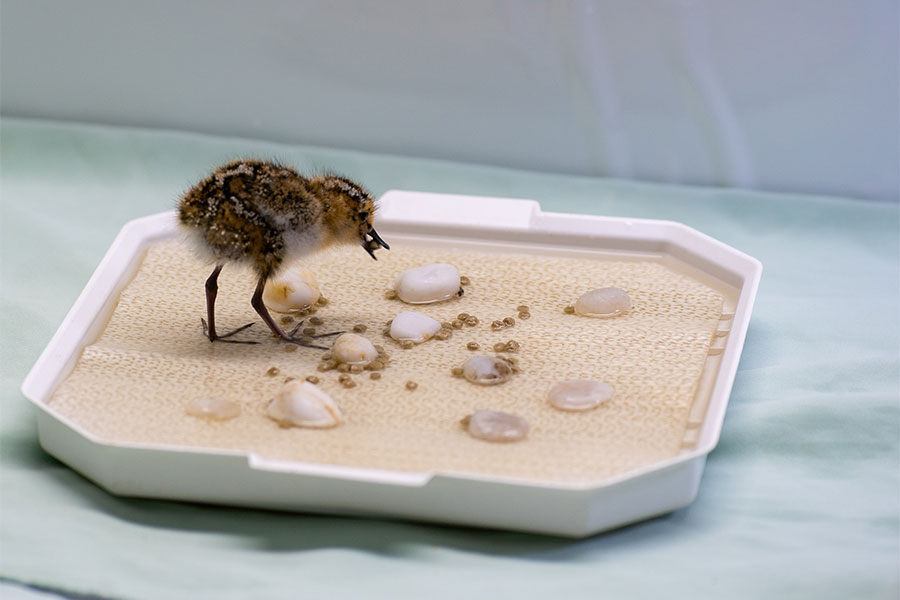 A young spoon-billed sandpiper chick in the conservation breeding centre at WWT Slimbridge © Amber Eames/WWT
Headstarting spoon-billed sandpiper
Another bird that faces a rosier future is the spoon-billed sandpiper. In 2011, WWT and Birds Russia began a headstarting conservation project to pull the critically endangered 'spoonie’ back from the edge of extinction.
Headstarting involves collecting and hatching eggs, then hand-rearing the chicks ready for safe release once they’ve fledged. The project, based in remote Arctic Russia has helped dramatically improve the odds of survival. Before we began, for every 20 eggs laid in the wild, only three chicks survived to adulthood. Now, 15 out of every 20 headstarted chicks survive.
Alongside headstarting, we’ve been tracking the spoonies using tiny satellite tags glued to the birds’ back feathers, discovering more about their migratory route and breeding sites. And, in 2011, as a safeguard against total extinction, an 'ark’ population of spoonies was established at WWT Slimbridge.
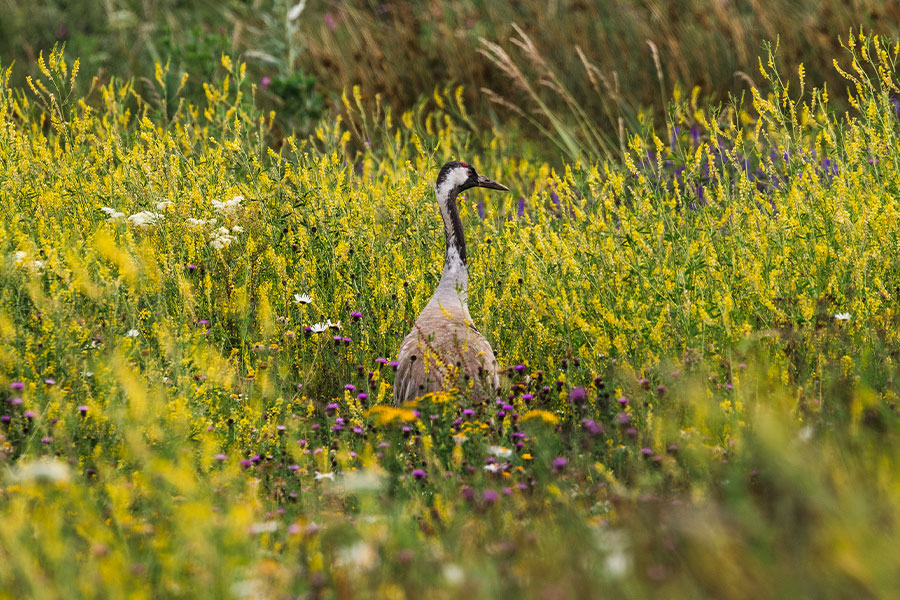 Adult crane on the South Lake at WWT Slimbridge © Becs Greenaway/WWT
The Great Crane Project
Cranes were once a familiar sight across Britian – and their ‘bugling’ call a familiar sound – but after years of overhunting they went extinct in the 1600s. Today, thanks to dedicated conservation efforts, the total UK population of cranes is believed to be around 250.
The Great Crane Project was a collaborative effort between WWT, the RSPB and Pensthorpe Conservation Trust, and funded by Viridor Credits Environmental Company, which ran from 2009 to 2014. Together we worked to hatch, hand-rear and release cranes in the Somerset Levels and Moors and, with the help of local farmers, create crane-nesting habitat across the landscape. Over the five years, we hatched and raised nearly 100 young cranes at our special 'crane school’ at WWT Slimbridge.
Today, more than 250 cranes live in the UK’s wetlands – the highest levels since we lost these elegant birds more than 400 years ago. It’s one of WWT conservationists most uplifting success stories, and something we’re proud to be a part of.
What are the current conservation projects at WWT?
We’re proud of our wetland conservation legacy, but the work continues. In a world full of new challenges we are focused on protecting the future of the amazing species that live in wetlands, through WWT’s ongoing conservation projects.
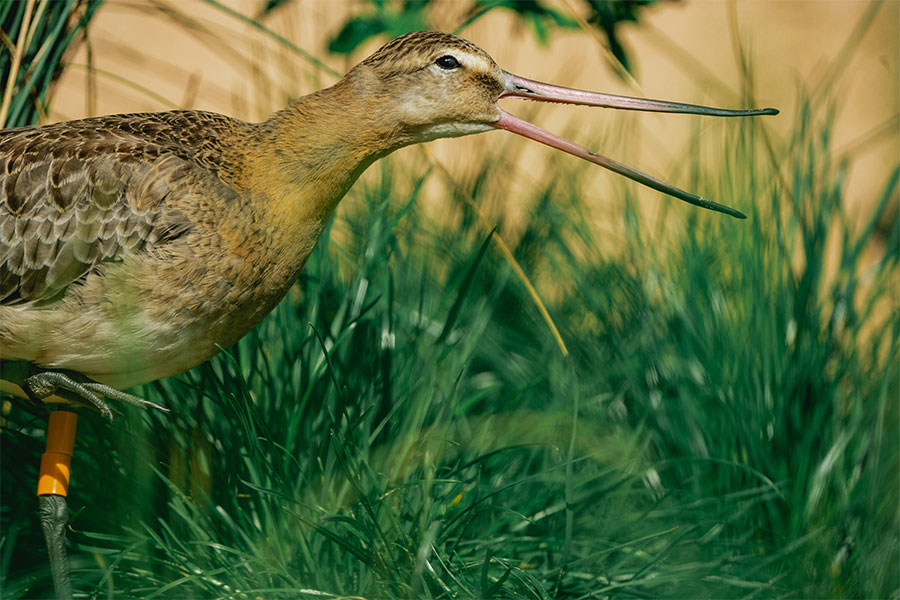 A black-tailed godwit at WWT Slimbridge, part of the captive breeding project, Godwit Futures © Jonathan Bull/WWT
Protecting the black-tailed godwit
In the last 25 years, the population of black-tailed godwits in Europe has halved. It’s a staggering decline and one WWT continue to work hard to reverse. Project Godwit ran from 2017 to 2023, in partnership with the RSPB, with funding from EU Life. Supporting chick numbers through headstarting and creating a new habitat in the Ouse Washes, we helped to boost population numbers by 80%. But our godwit conservation work isn’t done.
Following on from the success of Project Godwit, Godwit Futures began in 2023. The ongoing project will continue to support the UK’s breeding population and headstart more black-tailed godwit chicks. We’ve built brand new aviaries at WWT Slimbridge, providing the space and privacy the birds need to encourage natural breeding behaviours and improve breeding success. The aviaries are currently home to seven pairs of birds, and we hope to report back with some positive news soon.
We also continue to closely monitor the wild birds released as part of the Godwit Futures project at WWT Welney. And, with the recent support of £650k funding from Natural England’s Species Recovery Programme we’re now able to hatch and raise more black-tailed godwits and assess future release sites where these birds could one day take flight. The birds released as part of our headstarting project now make up 40% of the UK breeding population and, while the black-tailed godwits’ future remains uncertain, together we’re giving these special birds the best possible chance for the future.
The future of the curlew
Curlews are the most urgent bird conservation priority in the UK and protecting them is a team effort. Together with farmers, landowners, and conservationists, WWT is working to understand why Britain’s curlews are struggling to safely rear chicks. The changing landscape and threats from predators are ongoing challenges, but by locating nests, installing fencing to deter predators, and encouraging farmers to delay the hay cut while curlew chicks fledge are all steps towards reversing this decline in numbers.
As part of our Severn and Avon Vale project, we’ve been taking eggs from wild pairs of curlews, incubating the eggs and rearing the chicks in aviaries, before releasing them into the wild when they’re old enough to fly. We still need to find ways to help chicks survive when born in the wild, but headstarting is helping give the species a chance to recover. We’re not giving up on this iconic wader.
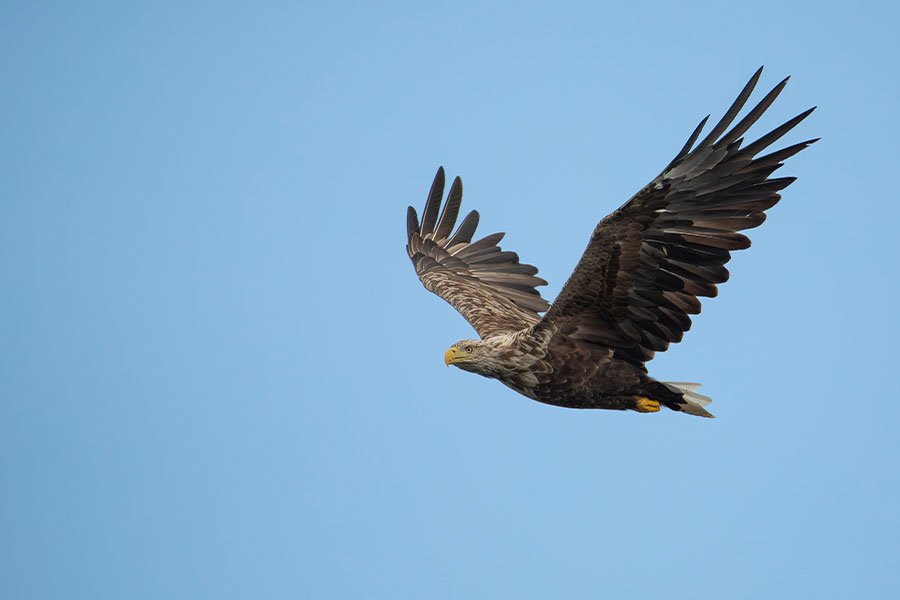 A white-tailed eagle in flight above the Isle of Mull © Ben Andrew/WWT
Re-introducing the white-tailed eagle to Wales
The white-tailed eagle is the UK’s largest bird of prey and plays a crucial role in supporting the delicate balance of healthy wetlands. After amazing comeback stories in England, Scotland and Ireland, we’re proud to be part of a pioneering partnership with Eagle Reintroduction Wales (ERW) and Gwent Wildlife Trust to restore these spectacular birds to south-east Wales and the Severn Estuary.
It’s early days for the project, but we aim to release up to 60 young white-tailed eagles and, over time, establish a breeding population in Wales once again. Alongside this, we’re getting local communities engaged and excited about the project and the prospect of welcoming this iconic species back to the Welsh landscape.
How you can help support wetland wildlife
The challenges facing wetlands today are real. Disappearing habitats and the climate crisis are putting pressure on our native and visiting wildlife, but we’re hopeful for the future. Everything from Sir Peter’s monitoring of Bewick’s swans to the headstarting of common cranes are chapters in WWT’s story, and with your continued support – through membership, donations or volunteering your time – we’re looking ahead to the next 80 years of conservation.