As 2025 draws to a close, we reflect on a year rich with remarkable wildlife moments and conservation successes.
From barn owls braving a difficult breeding season to the tireless efforts of our volunteer Toad Patrol, from record gull flocks and thriving sand martin colonies to the spectacle of fledgling marsh harriers and bustling cattle egret nests, each month brought its own story of resilience and wonder. Together, these highlights showcase the vibrancy of the wetlands and the dedication of our team and volunteers in safeguarding habitats for the future.
January - Barn Owls
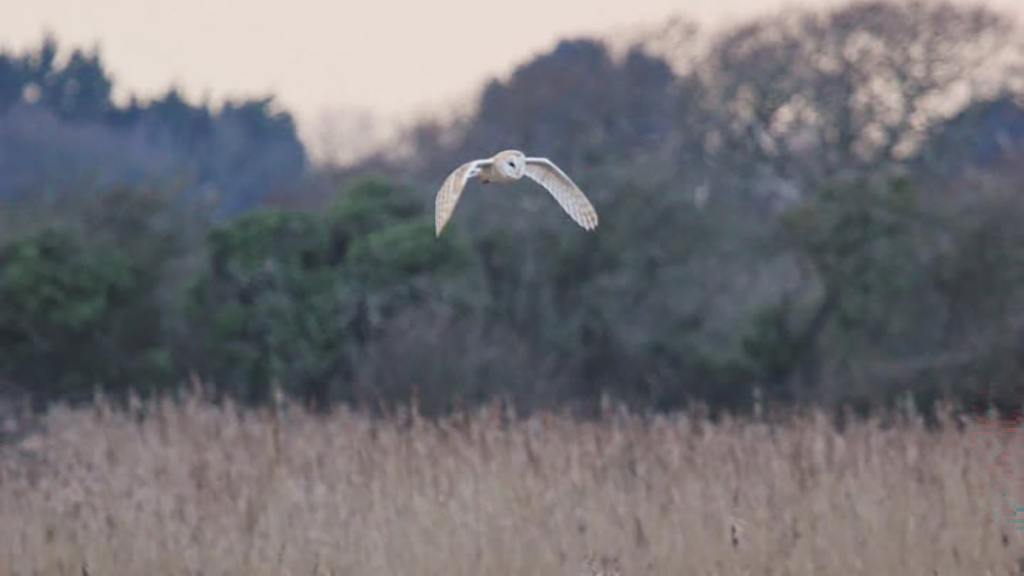
In the winter months, we often see barn owls flying off to hunt in the late afternoon from the Lapwing hide. Barn owls nest onsite, using the nesting boxes placed around the islands of the Wetland Discovery area. This barn owl was photographed by sussex.wildlife (Instagram).
2025 was a tough year for breeding barn owls in UK but a pair onsite raised three owlets. On July 4 a licensed ringer and our warden put leg rings on the trio who we named after the letters on their new DARVIC bands: ALFie, ALDo, and CLAire (originally marked as ALC).
February - Common Toads
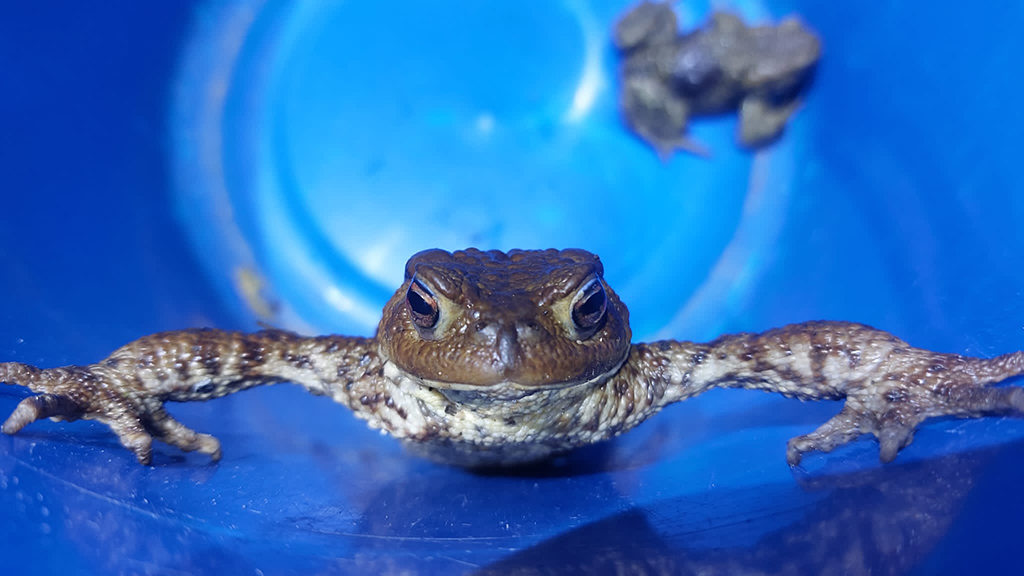
Milder, damp weather in February signals the start of migration for common toads. This instinct puts them in danger, as their drive to return to the ponds at WWT Arundel forces them to cross Mill Road at night. WWT Arundel’s volunteer Toad Patrol rescues toads attempting to cross the road.
Final numbers for our Toad Patrol in February and March show that we helped a total of 473 common toads, 223 smooth newts, and 358 palmate newts safely across.
This December, we are doing desilting works in the entry reedbed ponds to ensure this habitat doesn’t dry out during the summer months, when the toads are developing from tadpoles.
March - Mixed Gull Flock
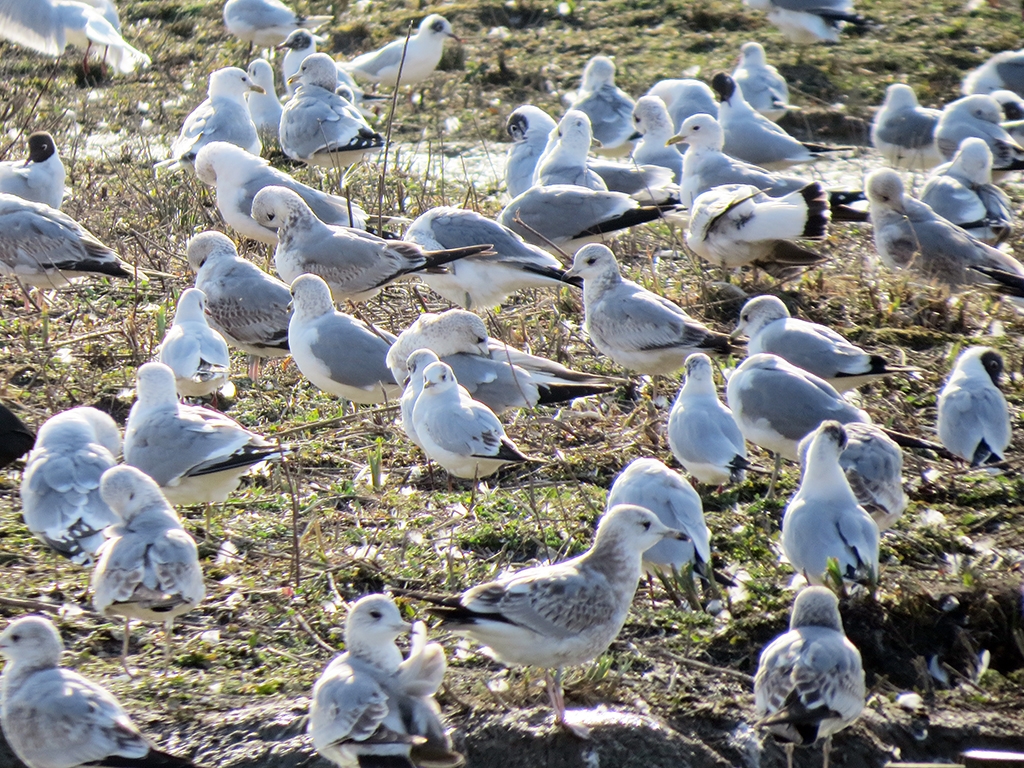
On Sunday 9 March we recorded over 4,000 gulls on the water, wet grassland, and islands between the Sand Martin Hide and the Ramsar Hide in the morning. It was the largest number of gulls we had ever seen on-site at once. There were over 2,000 common gulls and 2,000 black-headed gulls, with Mediterranean gulls and a great black-backed gull also in the mix.
Through the spring and summer months we have a small colony of black headed gulls who nest on the islands on our large lagoons.
April - Sand Martins return
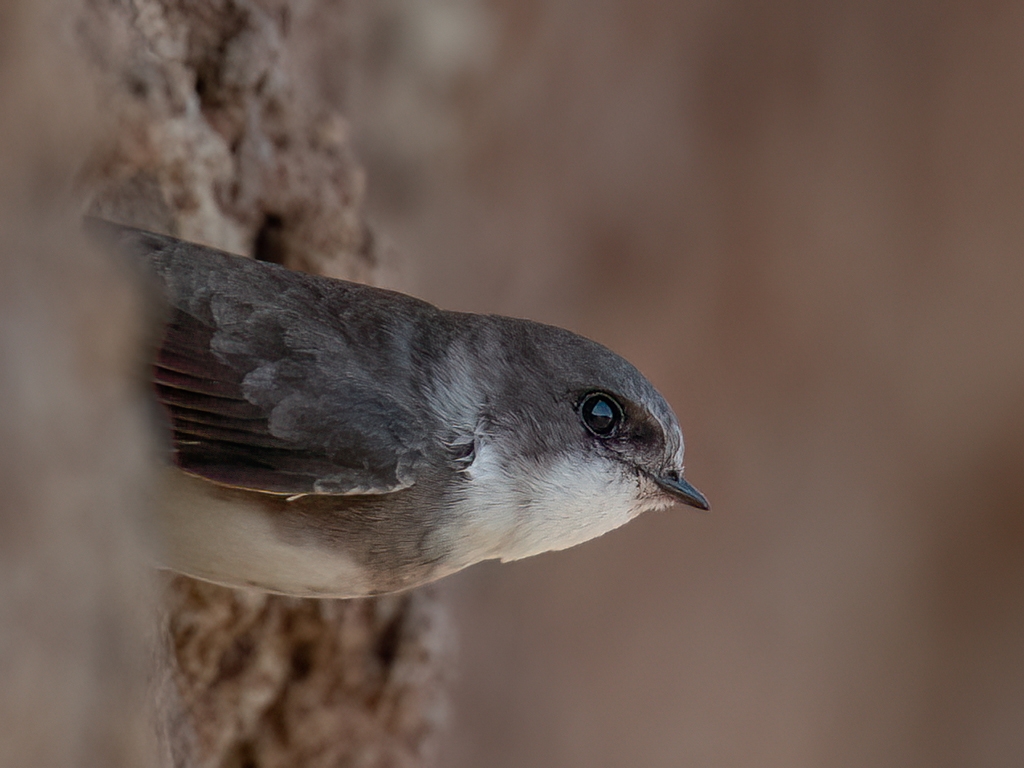
Most of our sand martin colony arrived in early April, returning from winter homes in Africa and Europe. 2025 was the colony’s most successful breeding season yet, with a record 150 nest chambers used by the birds. The Reserve Team inspected all 299 nesting chambers once the sand martins have migrated south.
Highlight in April: A spoonbill was spotted on 4 April 2025, on the right-hand island from the Sand Martin Hide by our senior reserve warden.
May - successful blue tit nests
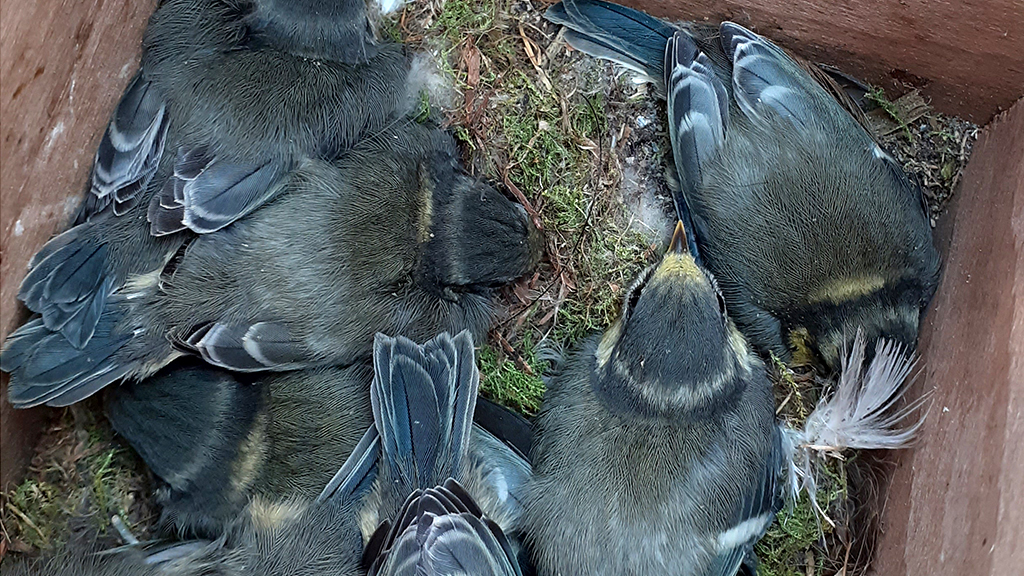
Blue and Great Tits had a much more successful breeding season in 2025, with many fledglings seen and heard flitting around trees. In 2024 when surveying for wildlife the wardens found many failed nest with abandoned chicks or eggs. Every nest found this year all the eggs hatch and all the chicks fledge. The success of blue tit families depends on the weather not too wet or too dry, so that insects appear at the right time for feeding their chicks.
June - Butterflies
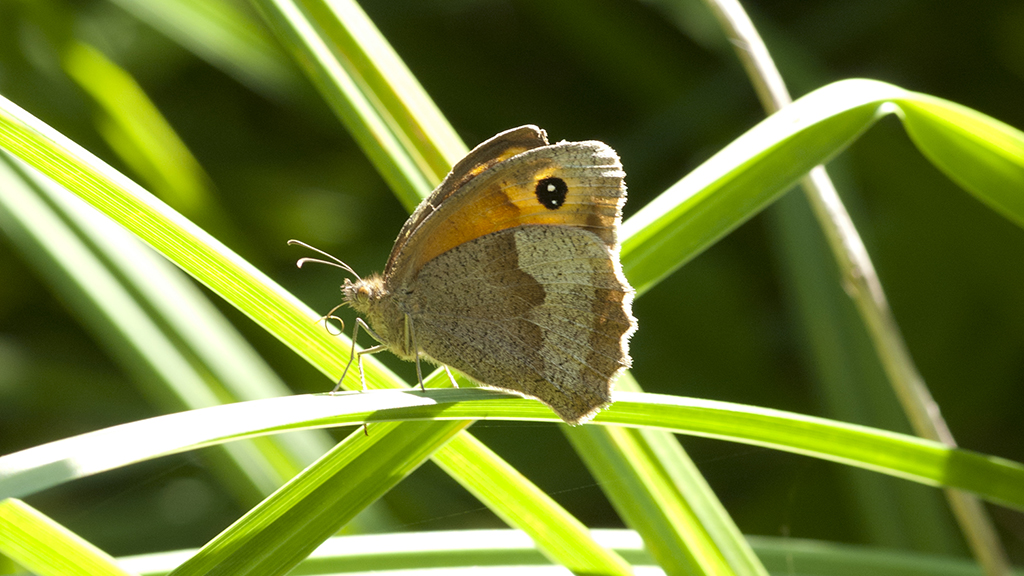
Our early surveys in 2025 showed that butterfly numbers were up from the previous year. In sunny June there are lots of Large Whites and Meadow Browns, as well as the usual Red Admiral, Peacock and second generations of Comma butterflies about.
In May among the expected Orange tips, Brimstone and Whites were a Dingy Skipper and a Painted Lady. The Painted Lady is a migratory butterfly that migrates to the UK from tropical Africa through successive generations en-route, in a kind of “migration relay”. This species’ migration is around a 9,000 mile round trip, undertaken by up to six generations.
Butterfly Conservation's results of the UK Big Butterfly Count in the summer of 2025 showed butterfly numbers were up from the record lows of 2024 there is still a lot of work to do to reverse declines.
July - Fledgling Marsh Harriers
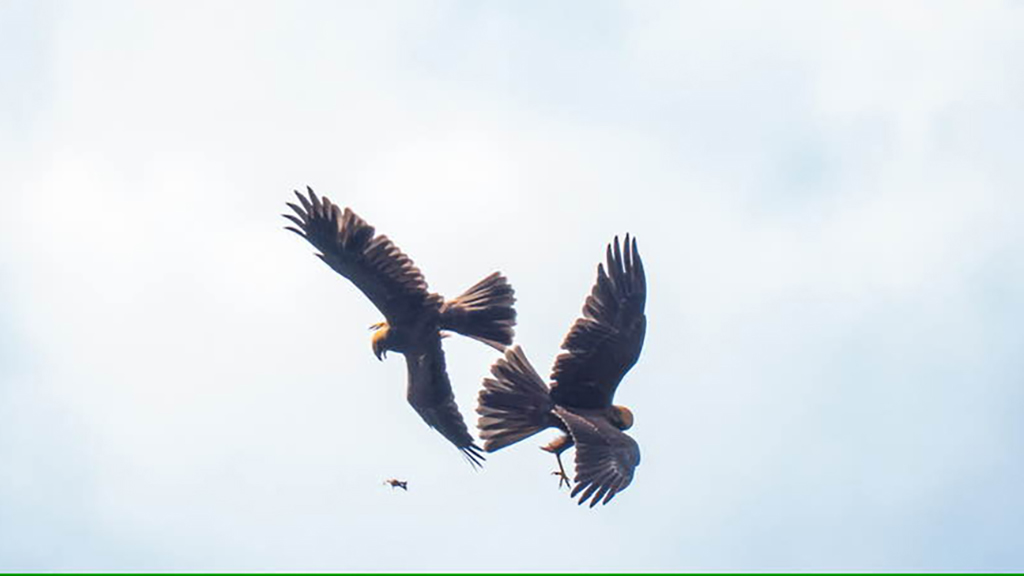
In July we watched a marsh harrier pair raising three youngsters in our SSSI reedbed this year. We have suspected the pair was nesting on remote parts of our site in past summers. This is the first time we have seen the juveniles harriers onsite. The fledged harriers took lots of noisy learning flights over the reedbeds, then further afield as they gained confidence. Their landing skills initially left a lot to be desired, with some rather awkward tree landings causing much amusement to staff and visitors.
August- Fledged Cattle egrets
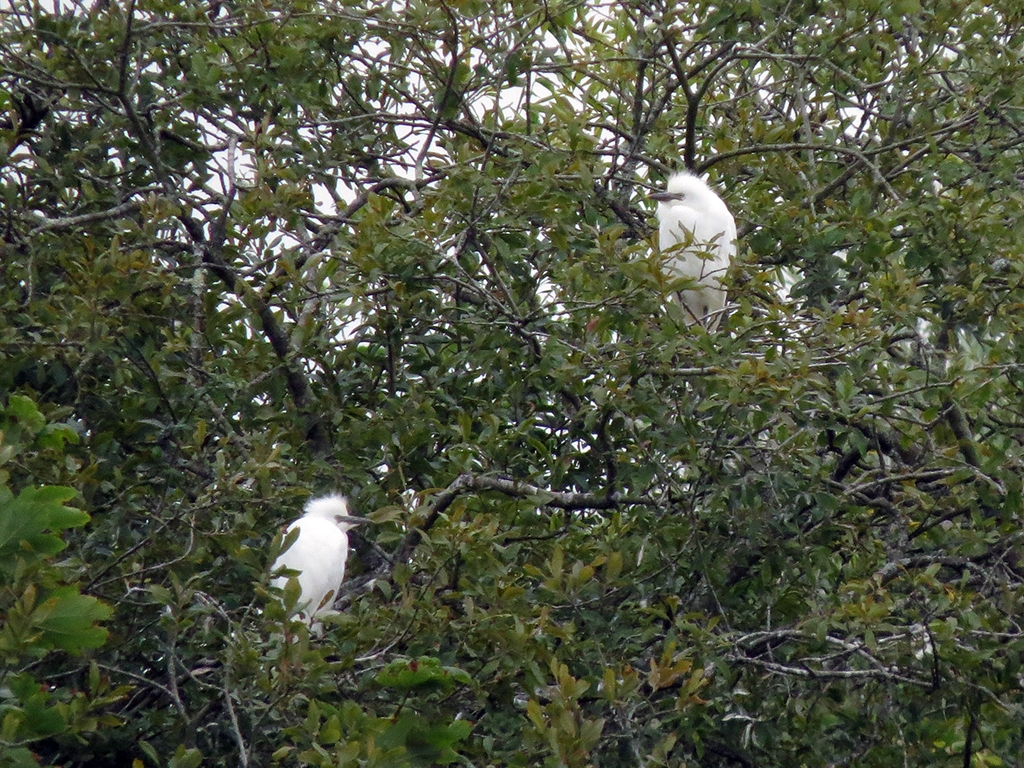
We counted at least 24 cattle egret nests in August. You could hear their constant chatter of the youngsters, especially from the path near the Wildlife Garden. Later that month we counted 16 juvenile cattle egrets on the islands , between the Ramsar and Sand Martin hides. The cattle egrets nested and hatched out much earlier this year - in 2024 they were nesting in September.
Currently cattle egrets are roosting onsite in the evening at the back of the Scrape hide.
September - Glow-Worms
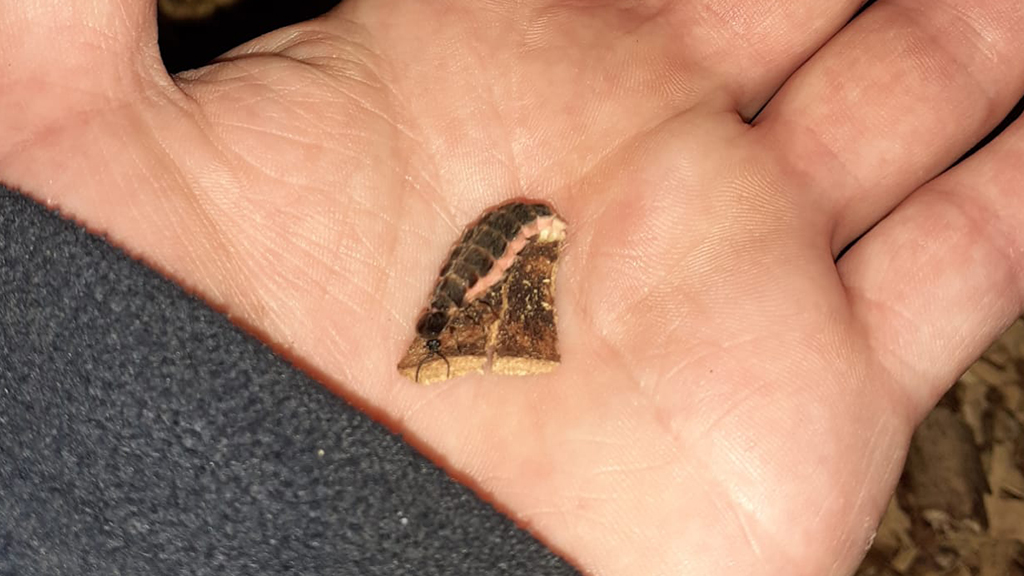
Reserve staff often find the female glow-worms around the plants on the edges of the car park, when thy pops in to conduct evening bat surveys. This year the staff have started to see glow-worm along the paths inside the centre's boundary, particularly on the hedges near the large nest platform for school visits. Glo-worms are visible July through September at WWT Arundel.
Glow-worms are actually beetles, but the females are flightless and appear much the same as the larvae. The females climb up stems, then emit a green light from their abdomen to attract a mate. Hatching larvae feed on slugs and snails for up to three years before becoming adults. Bio-luminescent glow-worms can emit light during all stages of life (including the egg!), but it is really the adult females who steal the show!
October - Osprey
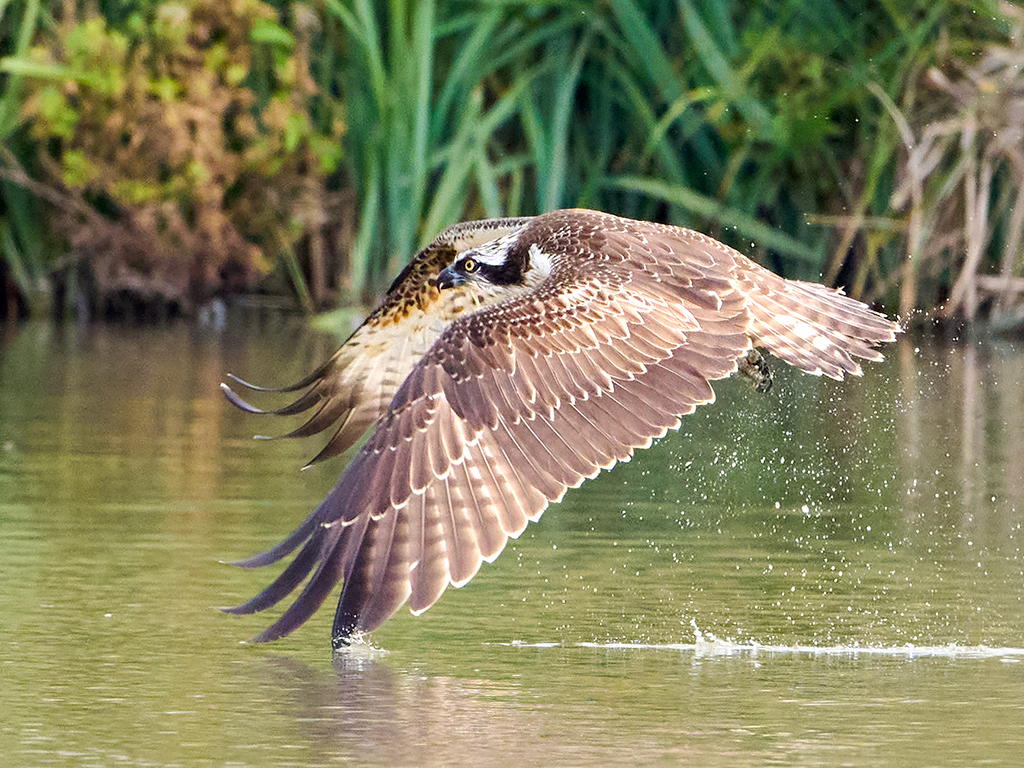
Osprey will hang about for a few days or a few weeks on the autumn passage. We do usually see osprey in the autumn but we have never recorded one stay on such extended visit to WWT Arundel before.
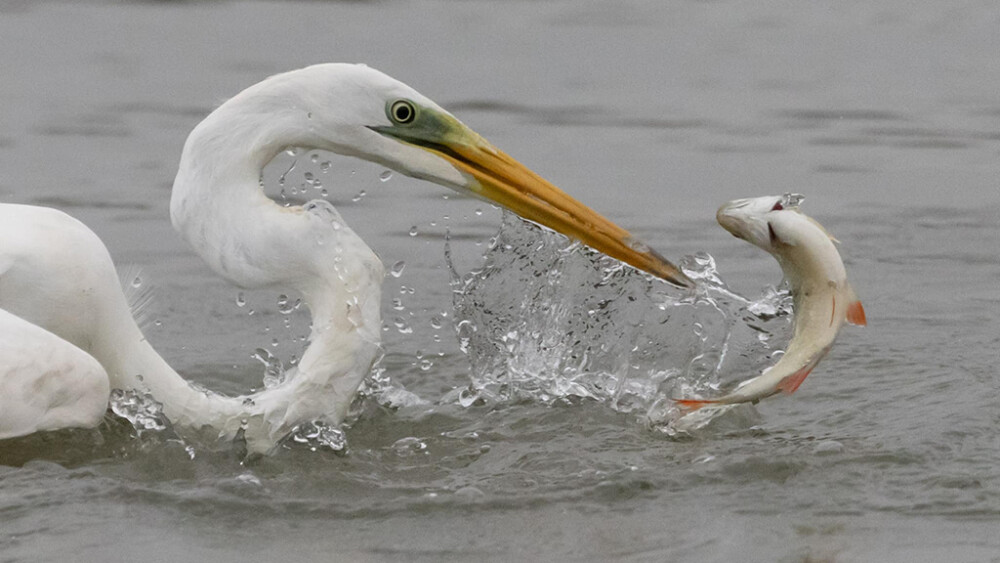
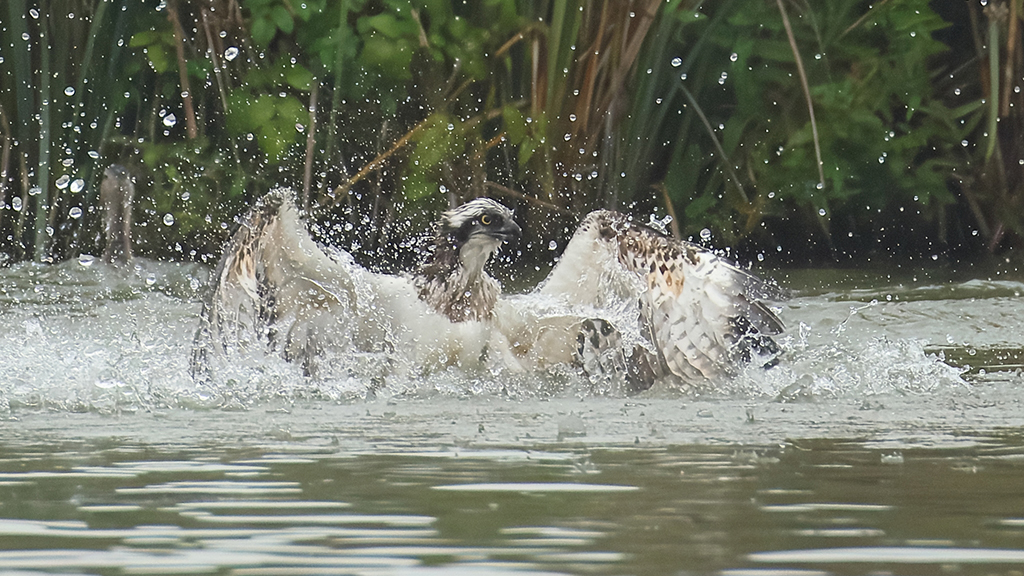
An osprey was recorded onsite at WWT Arundel Wetland for a full month this autumn. Osprey will hang about for a few days or a few weeks on the autumn passage. We do usually see osprey in the autumn but we have never recorded one stay on such extended visit to WWT Arundel before. First recorded by WWT staff on Sept 18, the osprey was spotted most days fishing onsite or carrying its catch up to its perch in the trees on the Offham hangar.
The osprey fishing at the top of the article was photographed by Mike Jerome.
November - Hen Harriers
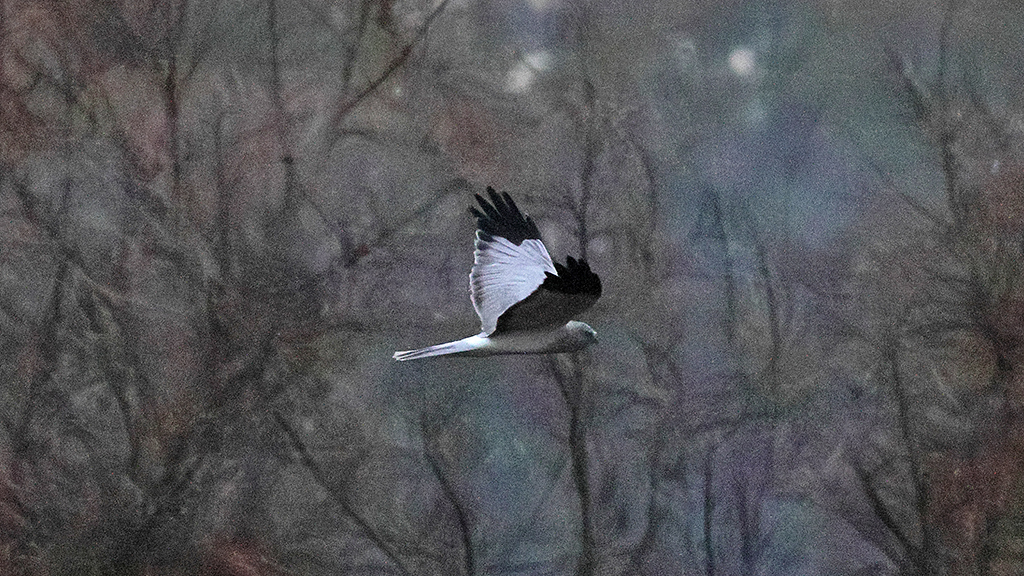
Visitors to WWT Arundel Wetland Centre this winter may be lucky enough to spot one of the UK’s most elusive birds of prey — the hen harrier.
In late November a few hen harriers began showing up to roost in the reedbeds during the late afternoon, alongside the marsh harriers. A total of two males and two ring tails have been spotted arriving for the roost, but not all at the same time.
Male hen harriers have pale grey plumage and black wingtips. Females and juveniles, known as “ringtails,” are brown and heavily streaked, with distinctive barred tail feathers and a prominent white rump.
The hen harrier (Circus cyaneus) is a medium sized bird of prey well known in the UK for both its beauty and its vulnerable conservation status. Despite being classified as “least concern” globally by the IUCN, the species is in critical decline in the UK. The population in the UK at dangerously low levels, making every sighting at Arundel Wetland Centre especially significant.
December - Firecrests and Goldcrests
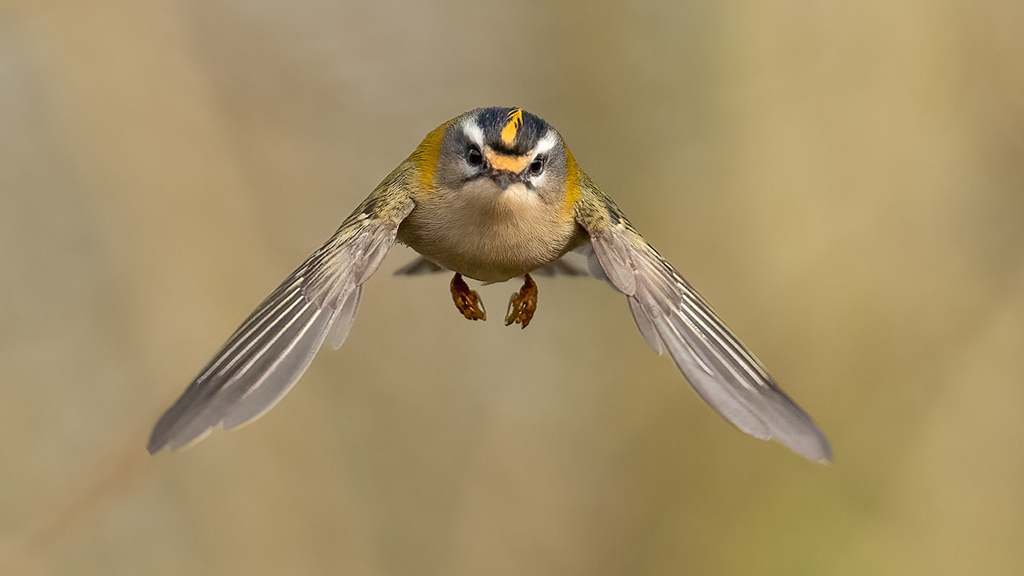
In December, firecrests and goldcrests show particularly well around hedges along the Tranquil trail and the approach to the Sand Martin hide. These fast movers flit through the tangled branches and can be tricky to photograph.
Firecrests have a striking white stripe above the eye and a dark line through the eye, giving a masked look. Goldcrests are missing the mask and look cute with a plain face.
2025 has been a year of resilience, surprises, and growth across the wetland reserve. From owlets taking flight to harriers and egrets establishing nests, from the subtle glow of September’s glow worms to the winter brilliance of firecrests, each season offers a connection with wetland wildlife. These highlights are a testament to the dedication of our staff, volunteers, and visitors who help protect it.