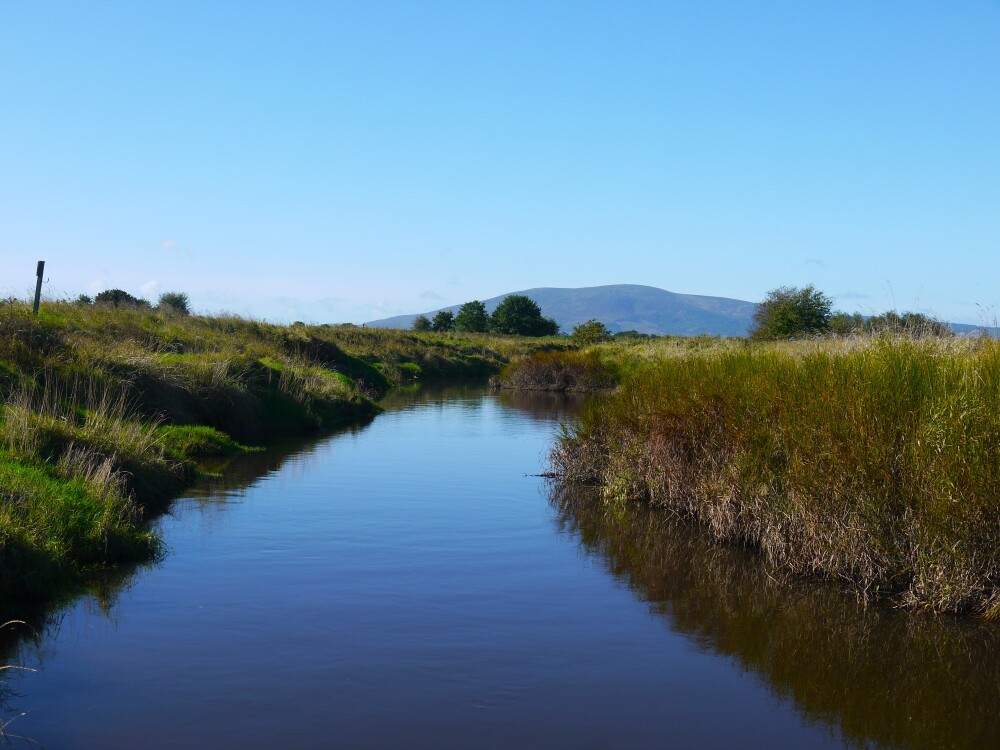
I’ve done my part for WWT Caerlaverock’s participation in the Rivers Trust’s Big River Watch data-gathering project.
Rivers can be havens for wildlife, provided they are healthy, biodiverse and protected. The Rivers Trust’s Big River Watch is designed to gather as much information as possible from citizens about the UK’s rivers, helping them understand which areas need restoring and protecting.
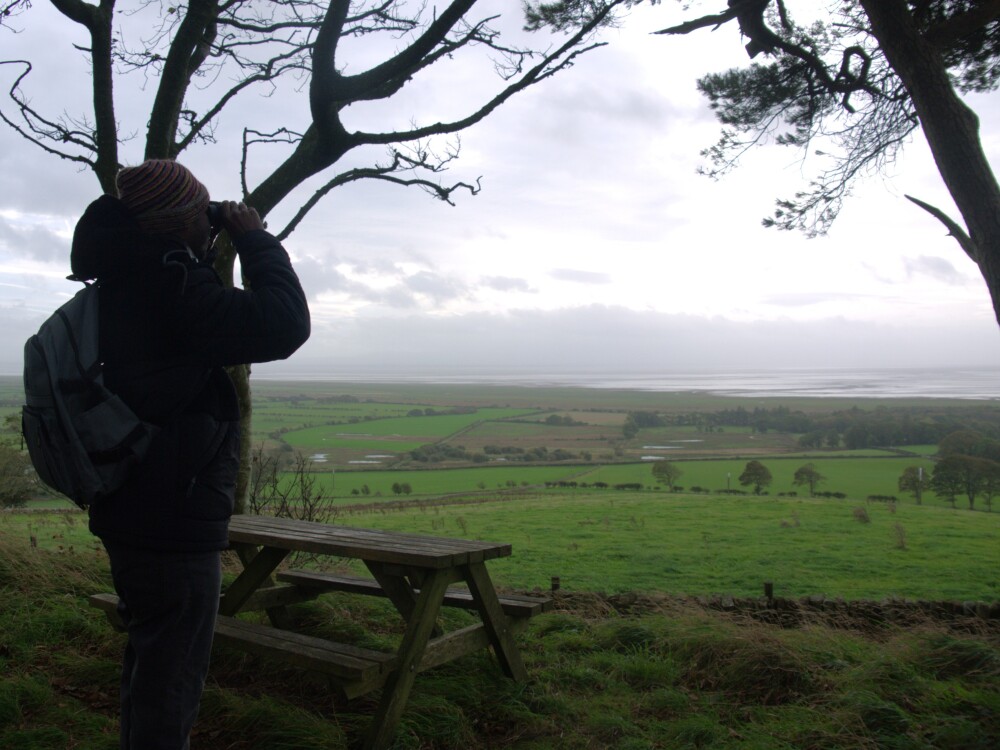
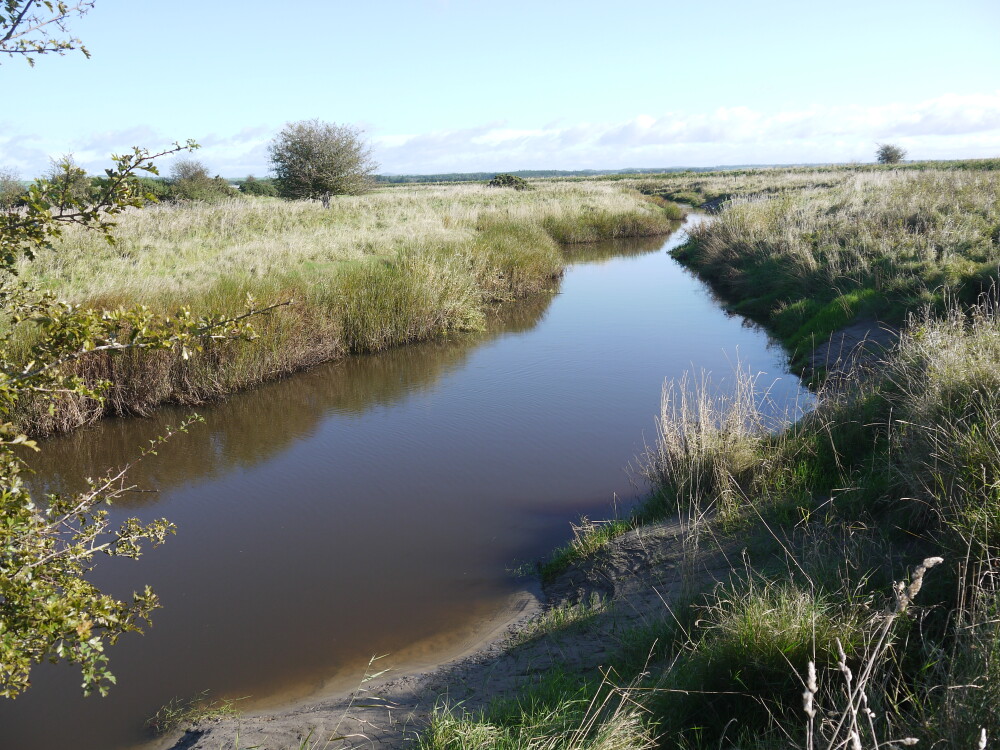
So, on a cold, sunny day this week, I wandered down to the river here at the reserve, the Lochar Water, to see what I could find and contribute to this important work. You can read our latest blog for more information about this lovely wee river.
Unlocking the Lochar for the Big River Watch
A walk through the meadows
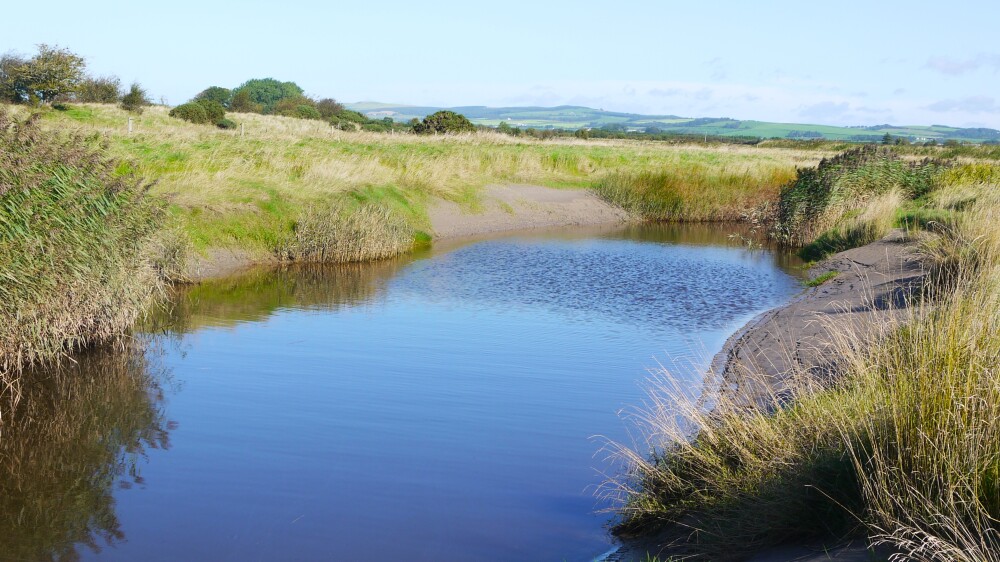
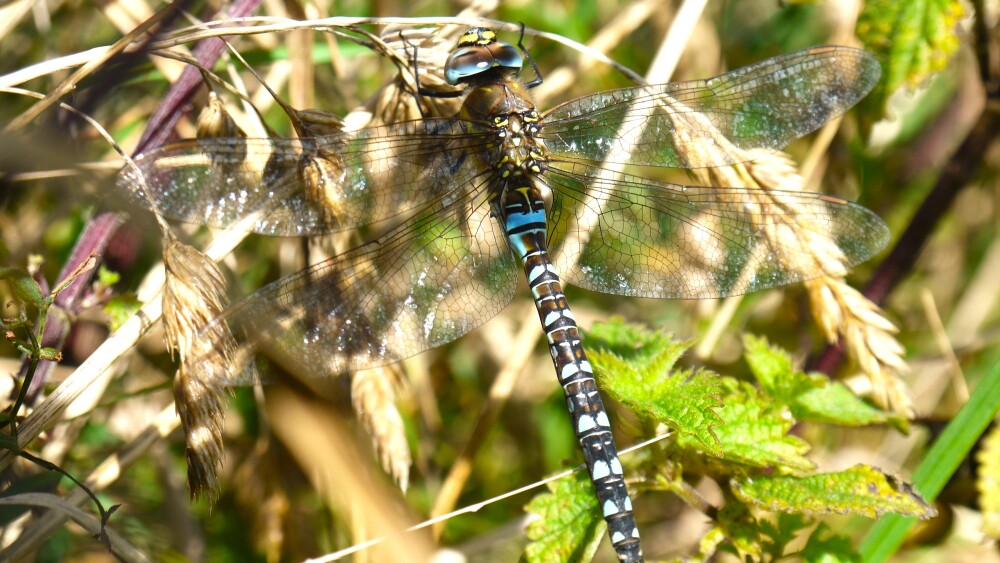
I started my walk in the meadows, now cut, with whispers of new growth already beginning to emerge. I was greeted almost immediately by a speckled wood butterfly (one of my favourites) and was delighted to see the Back Pond refilled and busy with mallards. I heard a loud humming shoot past and above me and realised the skies were alive with hawker and darter dragonflies, many of which were still mating.
The ground was wet and the grass was long – wearing wellies was a good choice for this walk. I caught a glimpse of our mute swan family in the back of the Teal Pond here, where the vegetation had been reduced less than 24 hours prior.
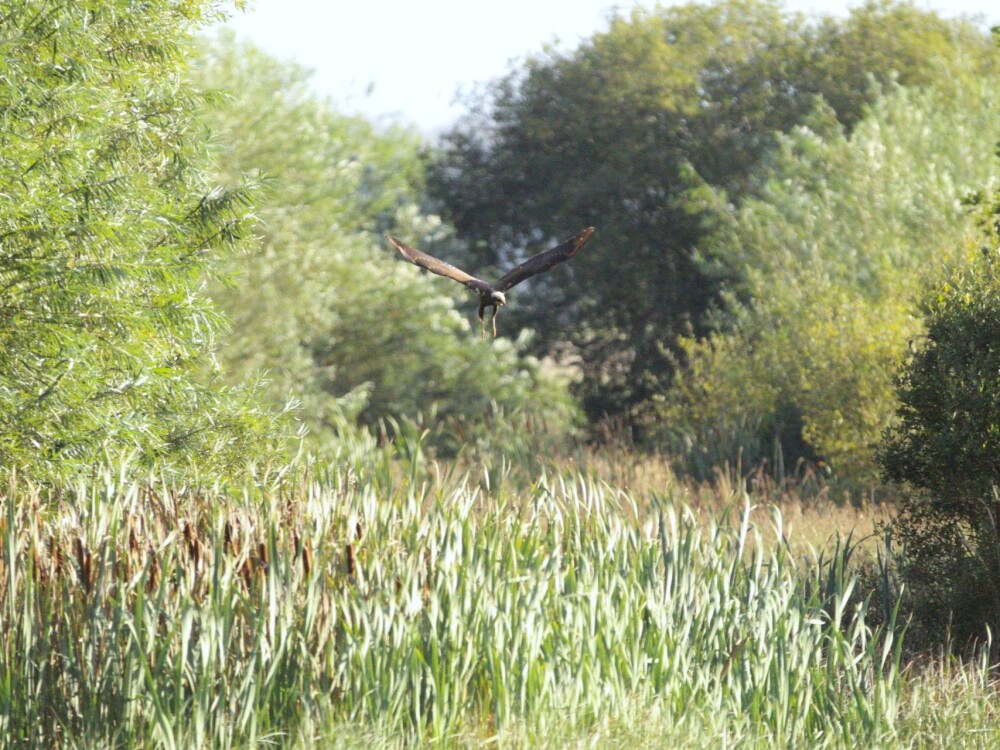
As I reached the river’s edge, a wave of calm washed over me. The soft sound of running water and the wind blowing through the rushes grounded me in the tranquillity of this part of the reserve. I could hear lowing cows in the distance, and the calls of three common buzzards overhead, my first birds of the survey.
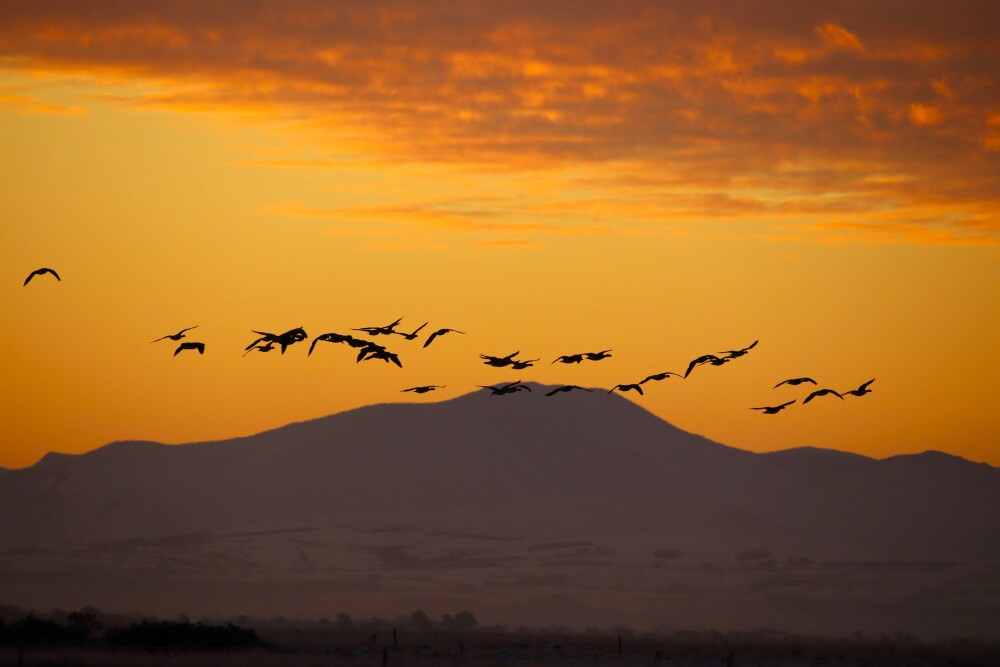
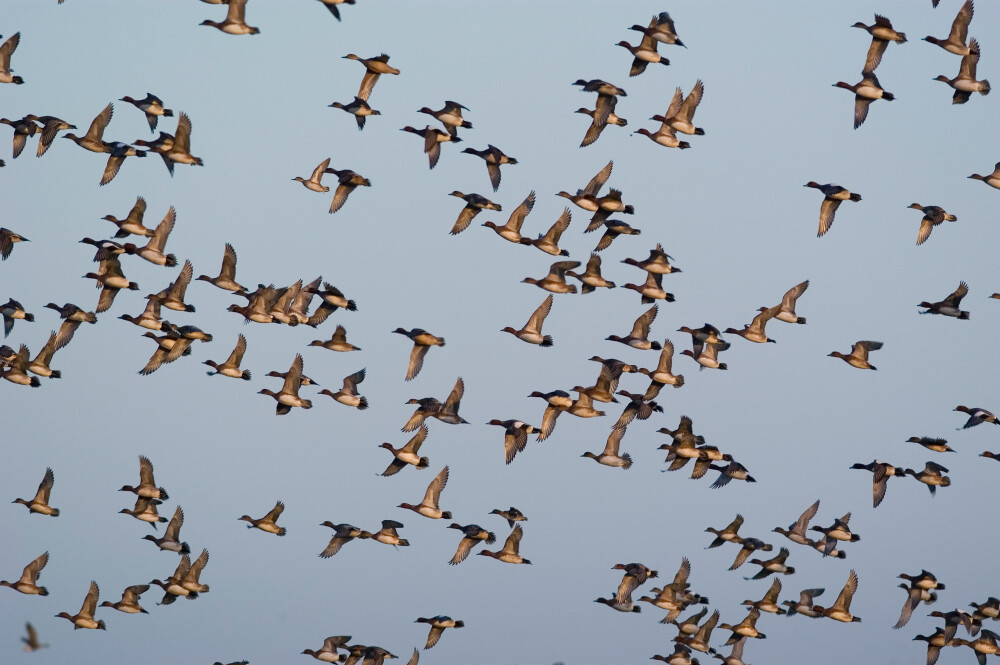
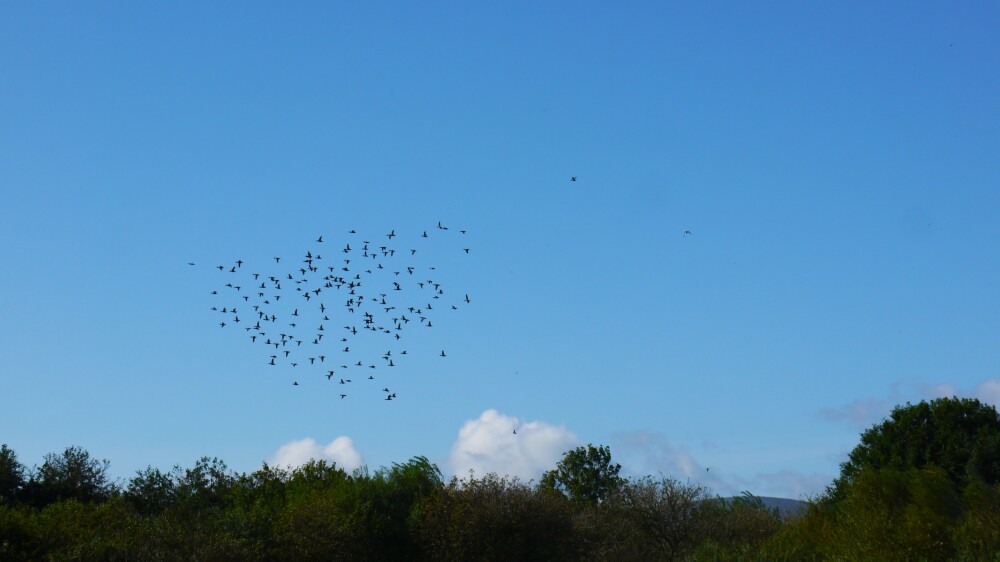
I walked on, and a flock of ducks took flight ahead of me – over 100 of them – I think they were teal, but the sunlight against their glistening wings made them hard to identify.
I noted that there were many dragonflies flying up and down the riverbanks, but sadly didn’t spot any of my all-time favourites, the banded demoiselle damselflies.
Following nature's tracks
The most exciting part of this journey was spotting the lengths of roe deer tracks in the mud. I decided to follow them along the river, tracing their footsteps through the vegetation. I could see where they stopped close to the river’s edge for a drink before continuing along the meandering water.
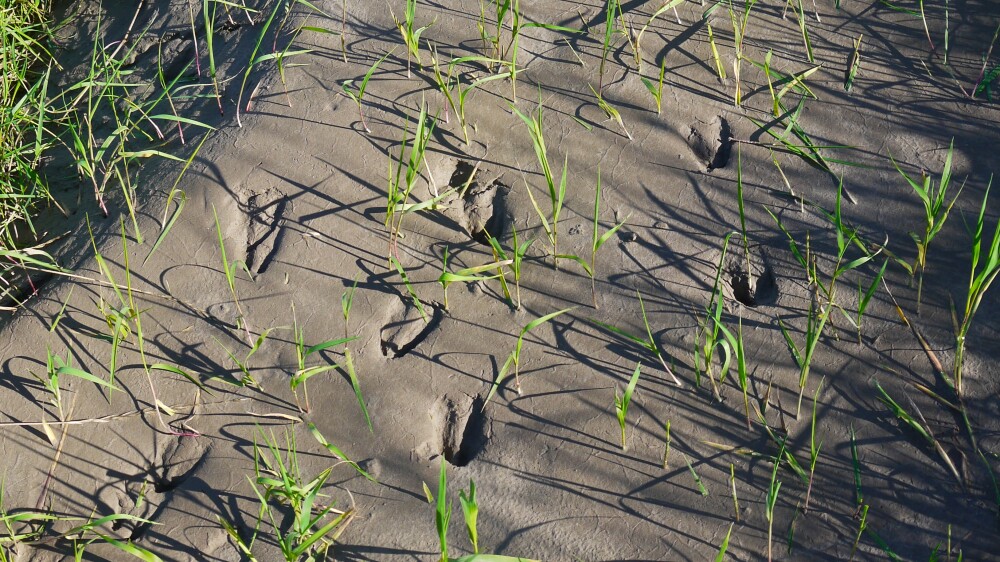
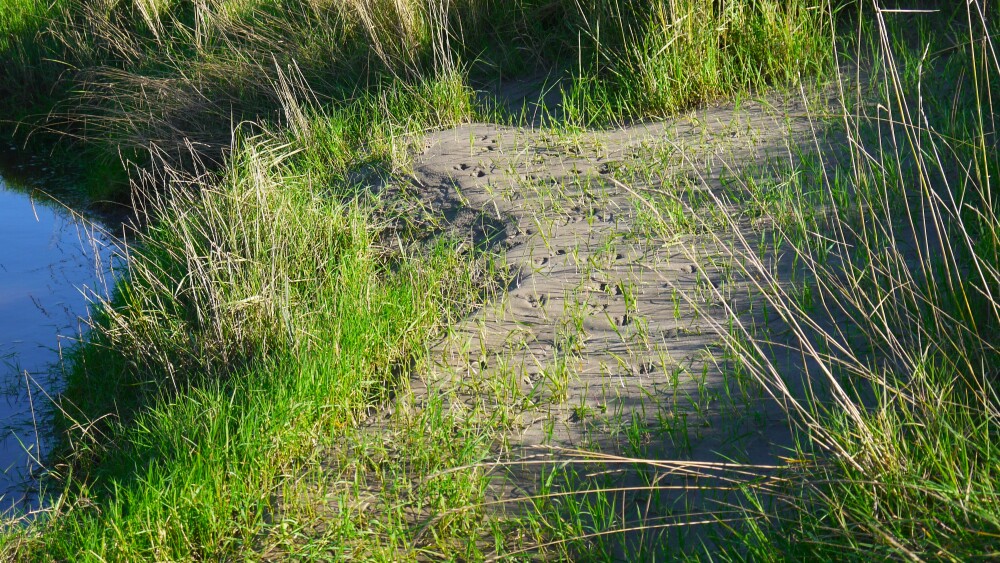
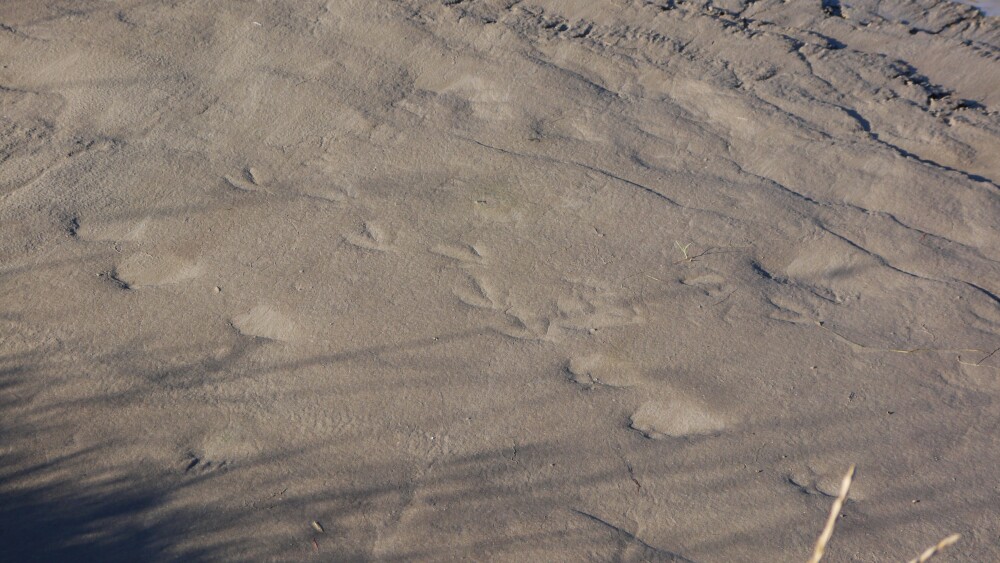
The tracks led me to a larger sandy bank, where I also spotted the duck prints. This must be where the flock had been resting before taking flight. Their prints were speckled along the water’s edge, not as clear as the roe deer, but unmistakably duck. I even spotted some badger prints too, as well as a potential fox.
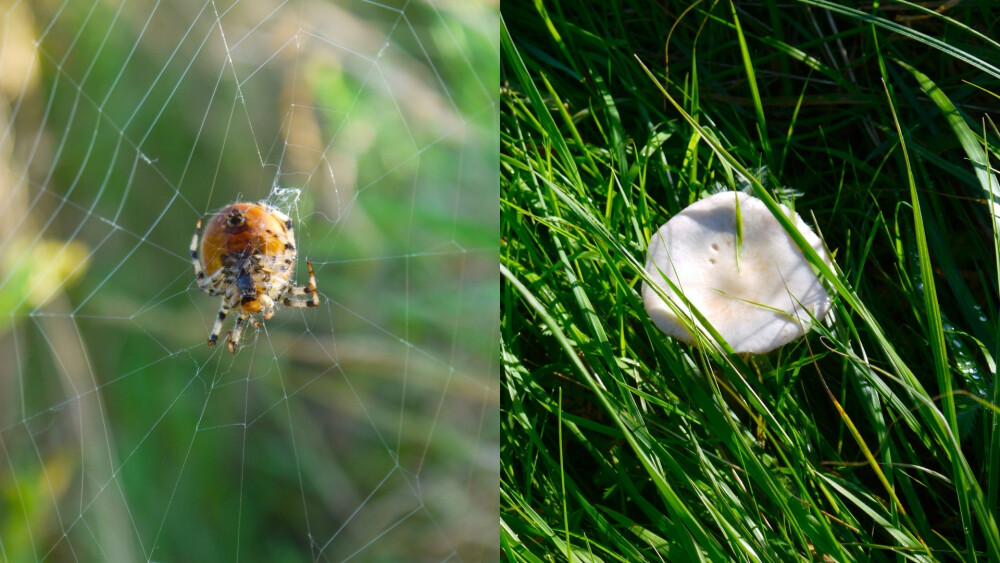
I saw some other interesting species while I was walking. This mushroom, Volvopluteus gloiocephalus, about the size of my palm, grew in the edge of a pathway along the river. As it turns out, this one is actually edible, but always best to leave them unless you’re 100% sure.
I also almost walked straight into the web of a four-spotted orb weaver (Araneus quadratus), which specialises in catching small, jumping insects close to the ground, like crickets. The females of this species also have remarkable colour-adaptive abilities and can change their colours to match the area around them.
Why our rivers matter
The Big River Watch is held twice a year, but people can submit river data through the app all year round. The more information given to The Rivers Trust, the more support they can give to preserve our incredible river network.
Rivers are vital habitats for many species, like waders, ducks, otters, fish, and more. My beloved banded demoiselle damselflies are found almost exclusively along rivers. Yet only 15% of the UK’s rivers are considered to be in good health.
Why don’t you take just 15 minutes of your time, before the weather gets really wet and cold, to help the Rivers Trust out?
There’s so much wildlife out there for you to see and learn about, all it takes is a little of your time, and the willingness to slow down, look closely, and enjoy it.
By Georgia Pope, Engagement Officer