Join volunteer Rhys Davies as he spends a morning in the Sir Peter Scott Hide, and discover how a little patience can be very rewarding when you let yourself be still in nature.
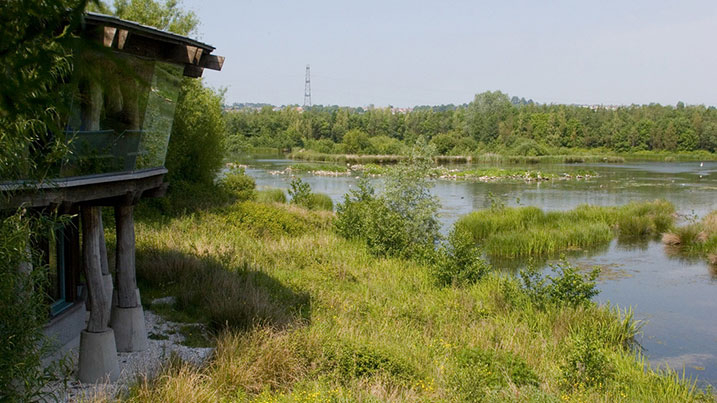
The world outside moves fast. Notifications ping, traffic hums, and our busy schedules push us from one task to the next. But as you step into the wooden frame of the Sir Peter Scott Hide, the clock stops. You aren’t just observing nature from a distance, you feel fully immersed in the habitat itself.
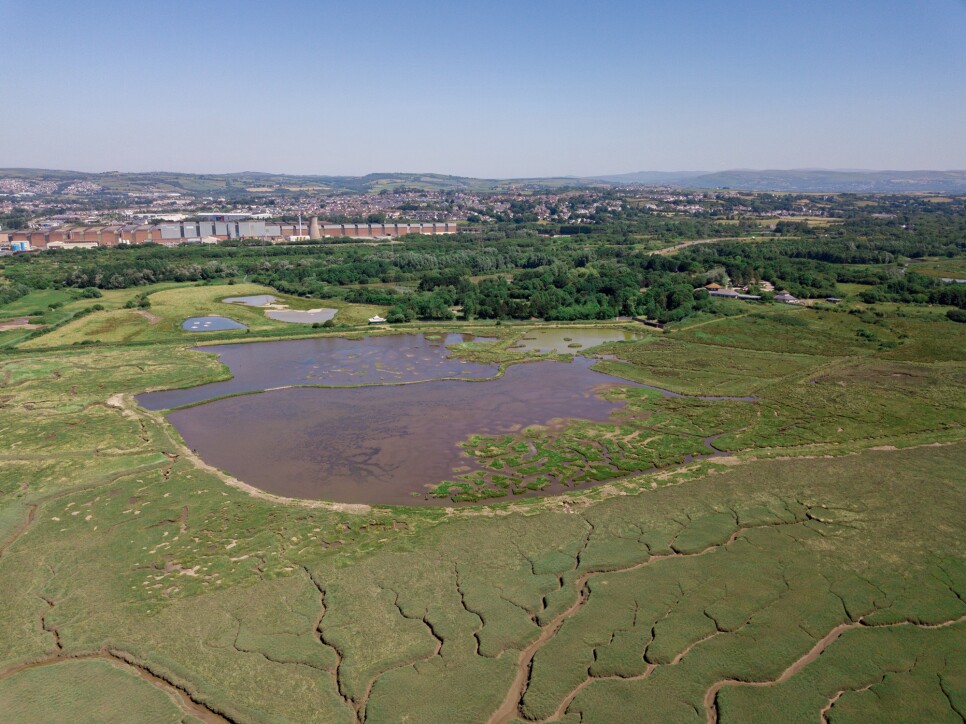
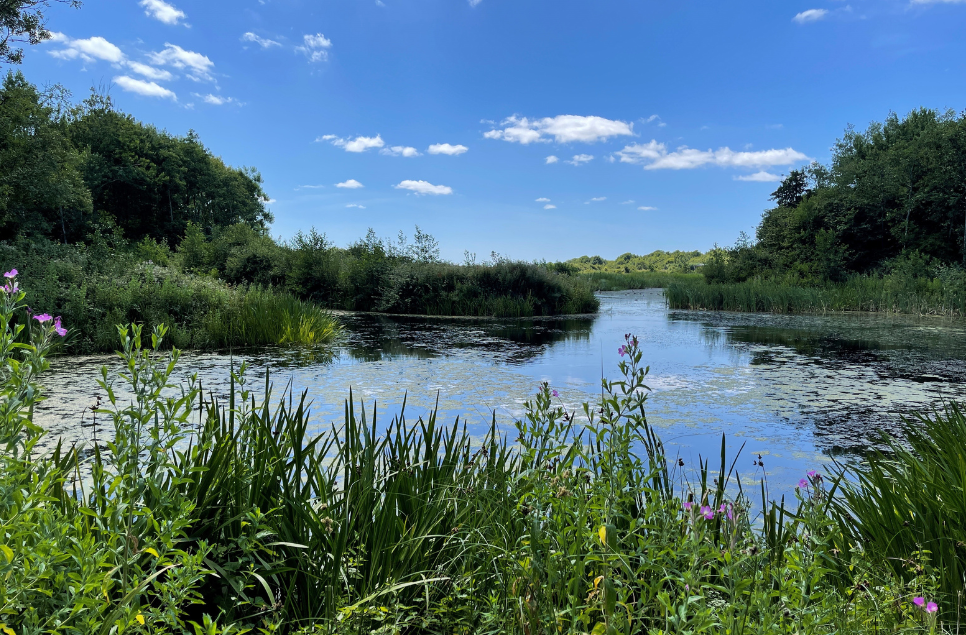
In the morning, Deep Water Lake is a sheet of glass reflecting the quiet Carmarthenshire sky. At first glance, nothing seems to be happening. The water looks empty, the reedbeds still. But this is where the art of wetland patience begins.
The First Twenty Minutes: Settling In
When a person enters a hide, nature notices. There is a subtle pause across the water. The secret to wetland watching is surviving those first twenty minutes without checking your phone or shifting restlessly on the bench. Slowly, nature forgets you’re there and the story unfolds.
The Unfolding: Sights and Sounds
The silence breaks from above with the heavy, rhythmic whump-whump of wings. A V-formation of Canada Geese sweeps low over the trees, their calls echoing across the reserve before they glide down for a splash landing at the far end of the lake.
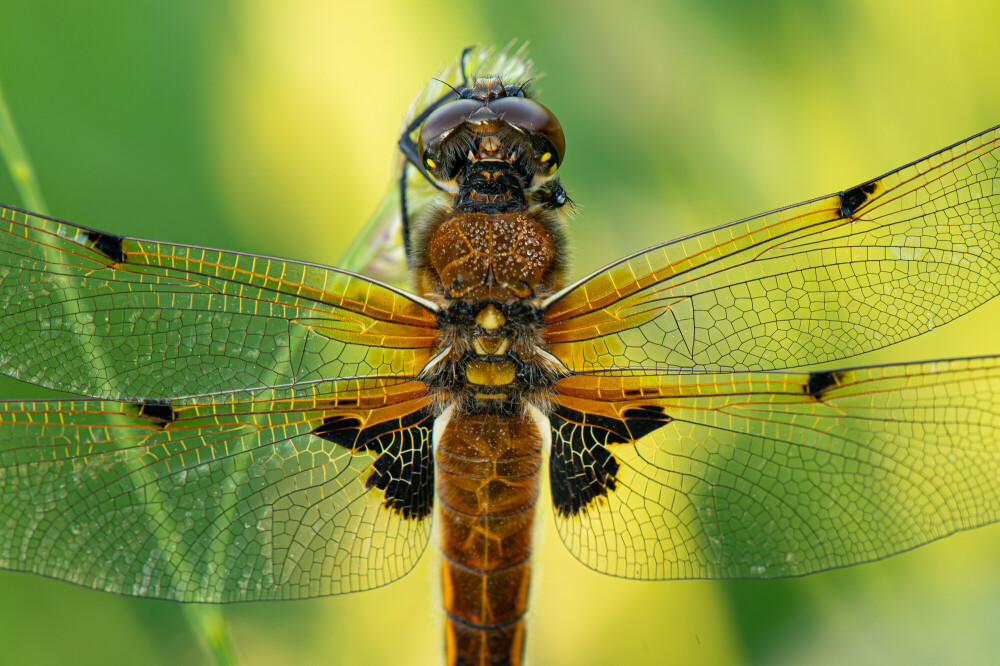
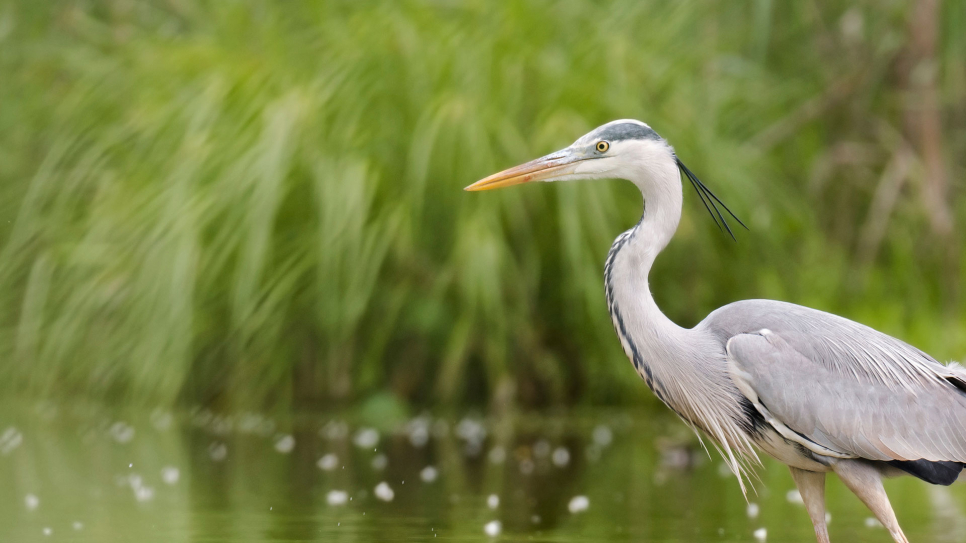
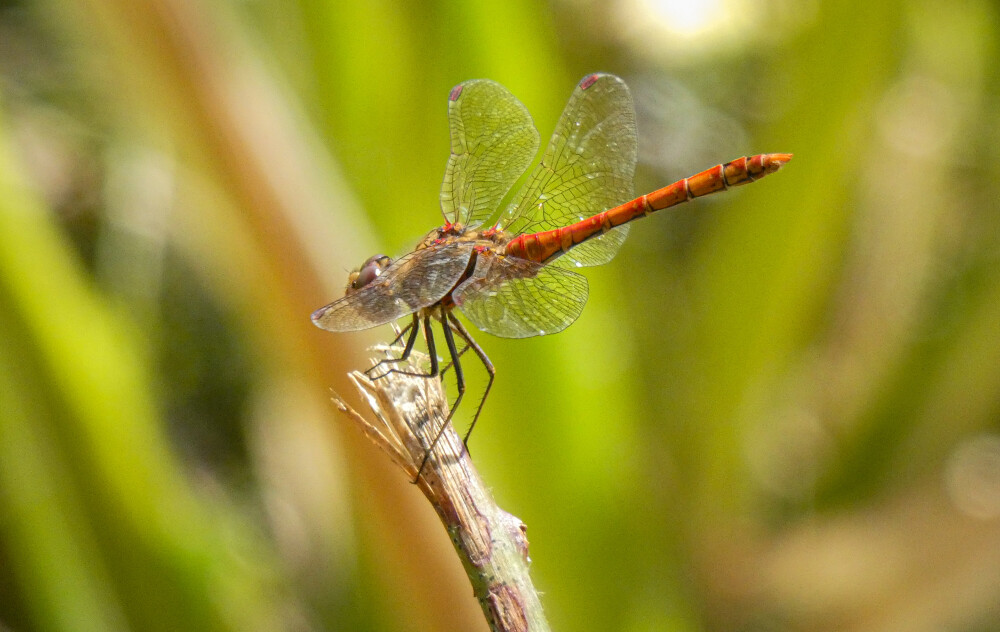
Patience softens your focus. You stop looking for the big events and start noticing the smaller details. Common Darters and Emperor Dragonflies hover just outside the window. Further back, a Grey Heron stands at the reed edge, so motionless it could be carved from slate, waiting ten minutes before its beak strikes the surface with lightning precision, sending a shower of silver droplets into the light.
On a sunlit rock out in the open water, a Cormorant stands with its wings spread wide to dry like a dark cloak. Along the muddy shoreline, a white Little Egret stalks through the shallows alongside Black-tailed Godwits and Lapwings. On the far banks, the reserve’s grazing goats move casually through the scrub at their own lazy pace.
Then comes the moment you always hope for but can never schedule: a sudden streak of electric turquoise shooting low across the water. A Kingfisher. It’s gone in a heartbeat, vanishing into the distance before your mind can fully register it, leaving only a ripple on the surface and a pulse of excitement in the hide.
Why Slowness Matters
Hours in the hide pass by in what feels like minutes. Leaving the hide and stepping back into the afternoon air, your shoulders are lower and your breath is deeper. You didn’t rush, you just sat still, watched the morning turn, and let nature carry on around you. The real magic of spending a morning in the Sir Peter Scott Hide isn’t just the birds ticked off a spotter’s list. It’s how much lighter you feel stepping back outside, knowing the world kept turning without you needing to check on it.
Rhys Davies