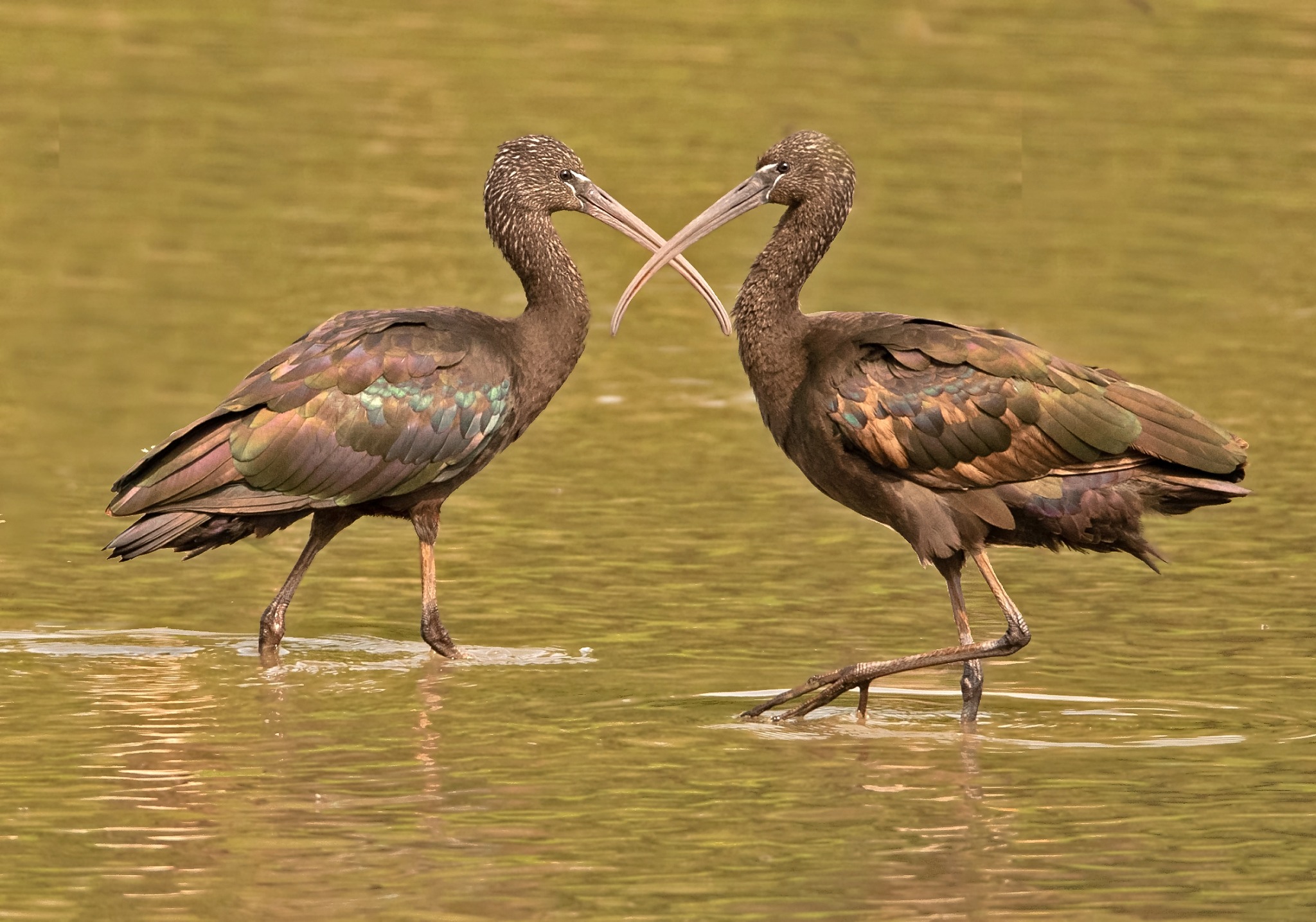
From the quirky-looking Egyptian Goose appearing on the Saltmarsh, to the Pectoral Sandpiper (a lifer for many visitors!), there's been a lot of unforgettable sightings over recent days.
Wildlife highlights 5 to 15 May 2026
Highlights: Pectoral Sandpiper, Glossy Ibis, Spoonbill, Mediterranean Gull, Otter, and excavating Sand Martin
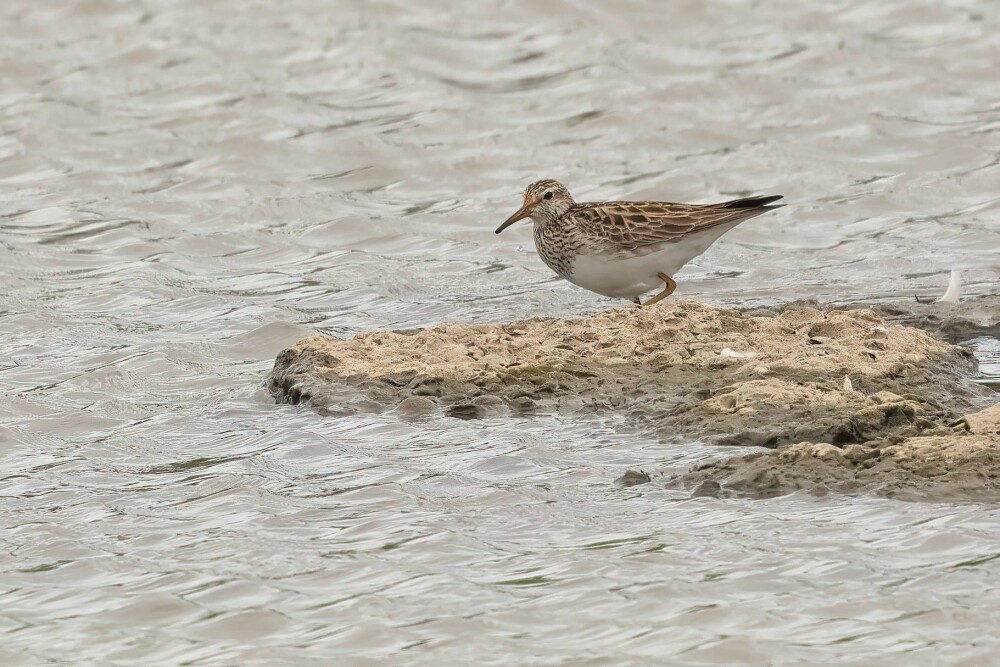
We’ll kick off this week with a real long-distance star: the Pectoral Sandpiper (Calidris melanotos), which has been frequenting the Freshwater Lagoon and was spotted by Gary Harper. This species typically winters in South America, then undertakes an astonishing migration of up to around 19,000 miles to breeding grounds in North America and Siberia. That makes it feel especially lucky to watch one feeding so calmly from our hides, particularly as Pectoral Sandpiper are more often recorded in the UK during autumn passage. This photo of the gorgeous Pectoral Sandpiper was taken by Jay Thomas.
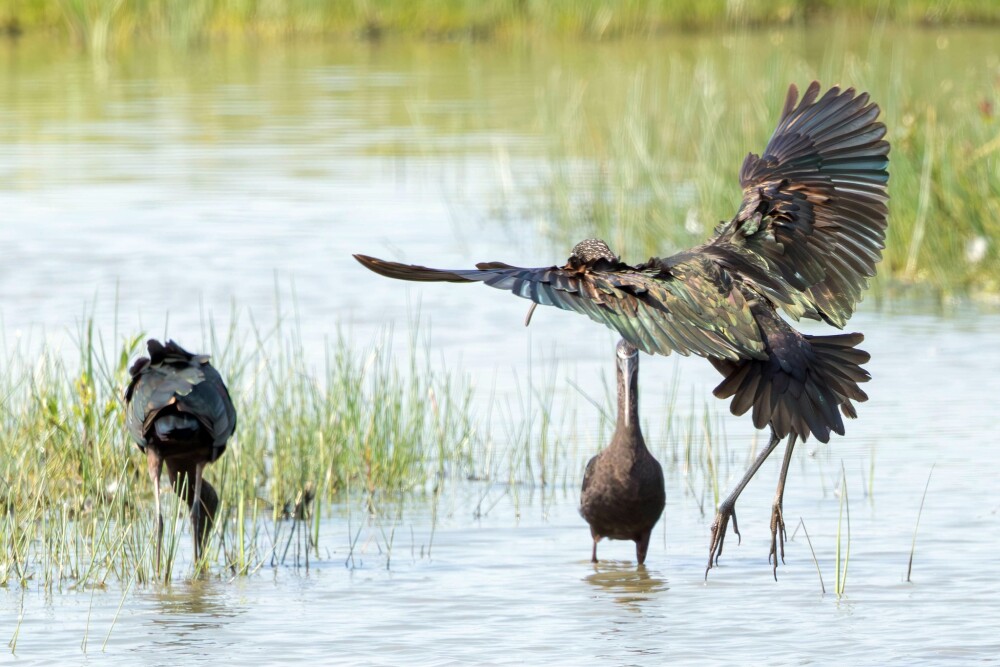
Another major highlight this week has been the Glossy Ibis (Plegadis falcinellus). Three were first spotted on the Freshwater Lagoon by Wayne Davies on Sunday 10 May, and they’ve continued to show well through the week. When sunlight catches them, their dark plumage can glow with an oily, iridescent sheen which is always a dazzling sight. They didn't linger for quite as long as we'd liked, but we're hoping they'll be back before moving on to breeding sites across Europe. Visitor Neil Fermandel captured this photo of the three birds that really illustrates that rainbow gloss.
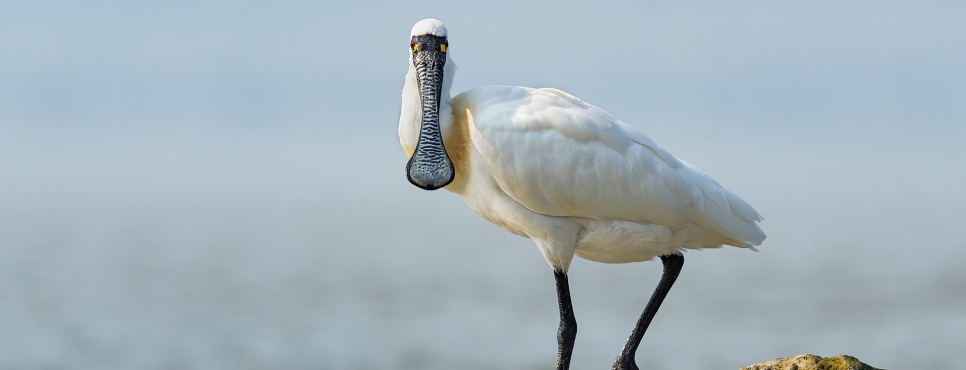
Staying within the same striking family group (the ibis and spoonbills share Threskiornithidae), we’ve also enjoyed visits from Spoonbill (Platalea leucorodia) this week. Their spoon-shaped bill and specialised feeding style of sweeping side-to-side through shallow water makes them instantly recognisable and endlessly watchable. They’ve been a treat out on the Salt Marshes, and one was also spotted on Deep Water Lake on Monday 11 May. With an amber conservation status in the UK, every sighting still feels especially significant. Spoonbills rarely breed here in the UK, but breeding attempts (and successes) have increased in recent years, and it’s hard not to daydream that one day they might choose WWT Llanelli as a future nesting site.
The Egyptian Goose (Alopochen aegyptiaca) was spotted on the Saltmarsh on 8 May, bringing colour and character to the regular crowds of birds out there.
Elsewhere on the reserve, spring soundscapes and subtle woodland treasures have been building beautifully. A pair of Cuckoo (Cuculus canorus) have been recorded this week. Far easier to hear than to see, if you wander towards Swan’s Nest Maze or Water Vole City you might get lucky with a glimpse as well as that iconic call.
In exciting breeding news, our resident Deep Water Lake Kingfisher (Alcedo atthis) pair are thought to have successfully bred again this year, and this busy couple could even manage another two or three broods over summer if conditions stay favourable. Fingers crossed!
Also on and around Deep Water Lake, up to four Mediterranean Gull (Larus Melanocephalus) have been spotted, adding extra seasoning to the noisy throng of Black-headed Gull occupying their precious nests on the islands. Away from the raucous colony, if you’re exploring the paths early or late in the day, keep an ear out for Lesser Whitethroat (Sylvia curruca), which have been a frequent and cheerful presence on our dawn surveys. In the Woods, it’s also well worth scanning the trunks and branches of our lichen-smothered trees, for you might spot a Treecreeper (Certhia familiaris) spiralling up the bark.
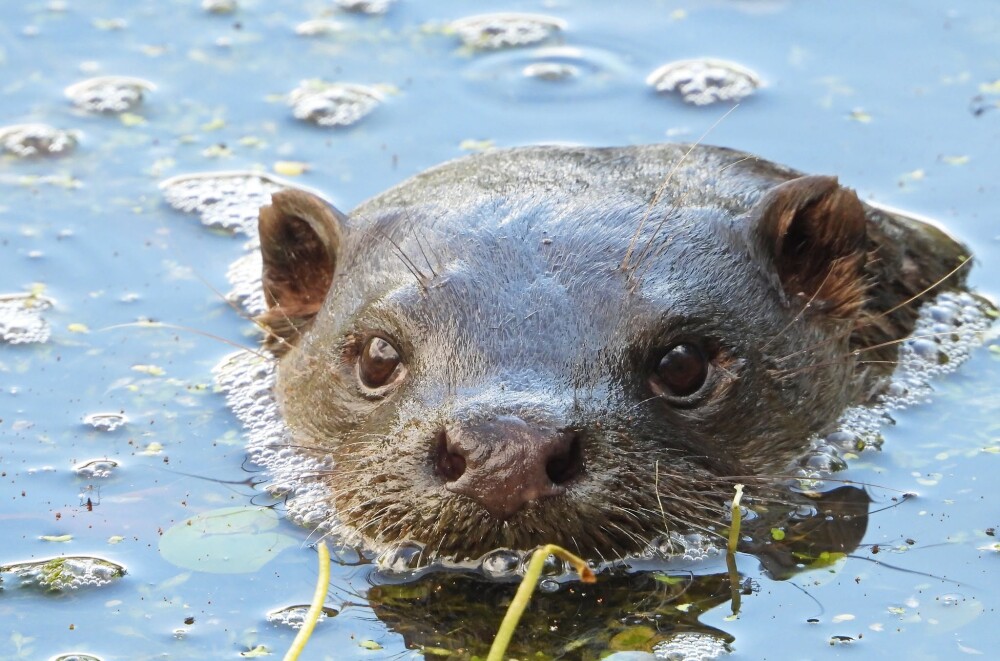
Outside of our feathered favourites, an Otter (Lutra lutra) was spotted on Tuesday morning, always a heart-lifting moment if you're lucky enough to see one. Damselflies are now appearing in abundance too, and with a few sunny spells (especially once this colder snap eases), more invertebrates, including Dragonflies and butterflies, will be quick to take advantage.
Finally, some visitors may have noticed our seasonal livestock out on the reserve. Each year we graze sheep, goats, ponies and cattle across different habitats. These four-legged habitat-managers help keep the landscape varied and healthy, which supports a richer mix of plant life, including orchids, and that diversity feeds into the whole wetland story. These plants support insects, and the insects support the populations of birds and… you see where this is going. We’re just excited to have some four-legged companions around for the summer, and we hope they add to your experience as much as they add to our important conservation work.
Featured Photo Credit: Two of the Glossy Ibis by Wayne Davies