E-great news! Cattle Egrets and Great White Egrets. Cuckoo pair, Little Ringed Plovers, Pochard ducklings, Bee Orchids, and the reptiles have enjoyed the heat this week - even if the rest of us are thankful for it being a little cooler, for now!
Elegant egrets, pottering plovers, chirping chicks and ornate orchids, this week has been a fine example of what early summer has to offer!
Wildlife sightings from 16 to 29 May 2026
Apologies for the delay in this report, folks - half term has been keeping us away from our desks!
Highlights: Otter, Little Ringed plover, Bee Orchid, Black-headed Gull, Pochard, Swift, Sand Martin, Kingfisher, Slow Worm, Broad Bodied Chaser, Marsh Harrier
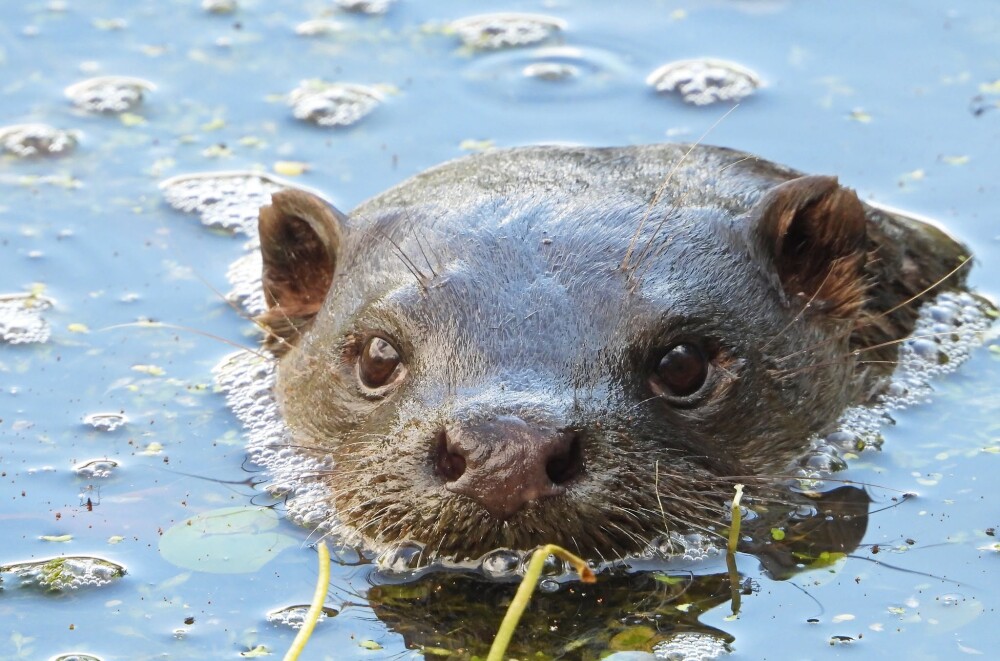
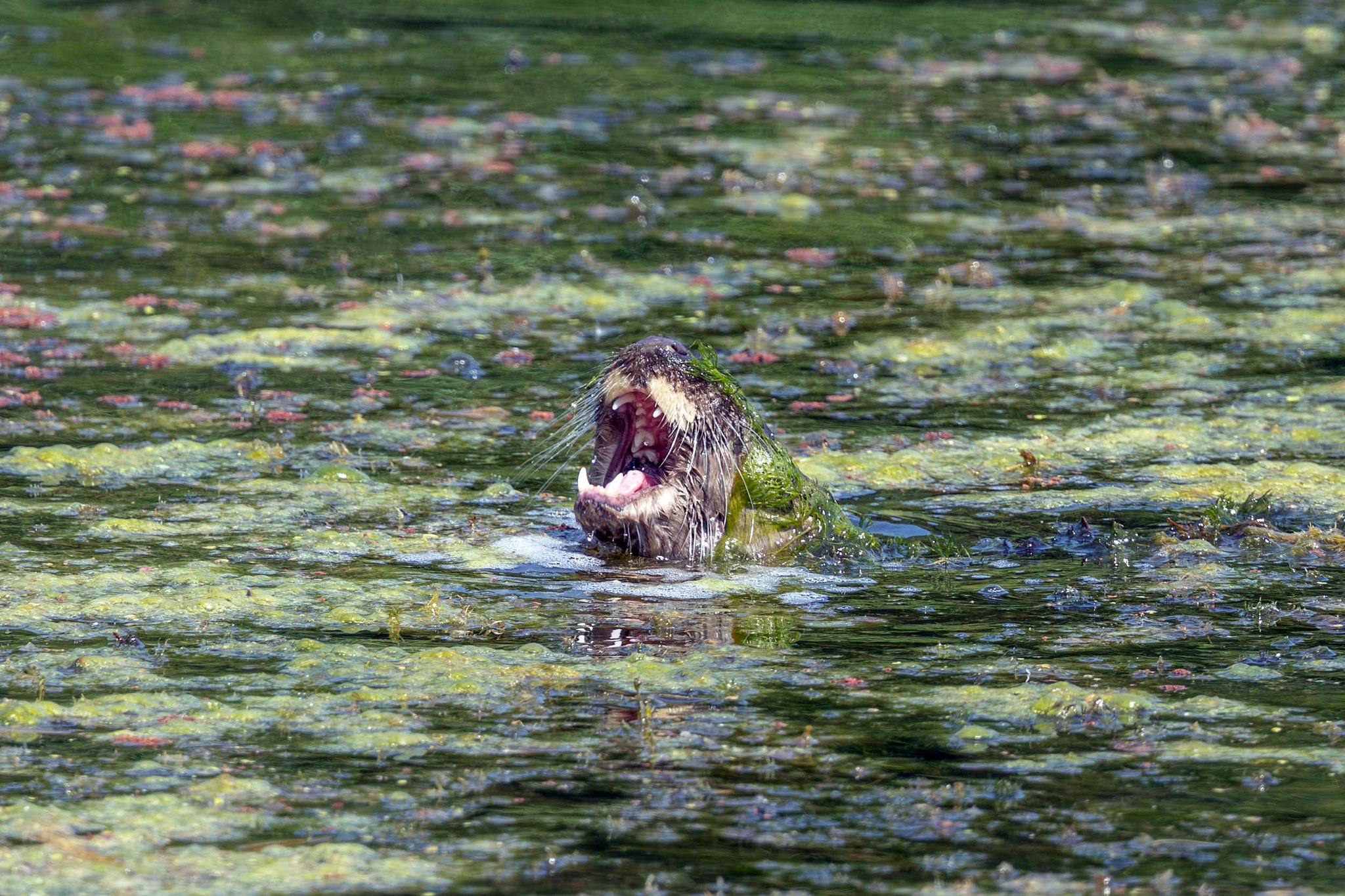
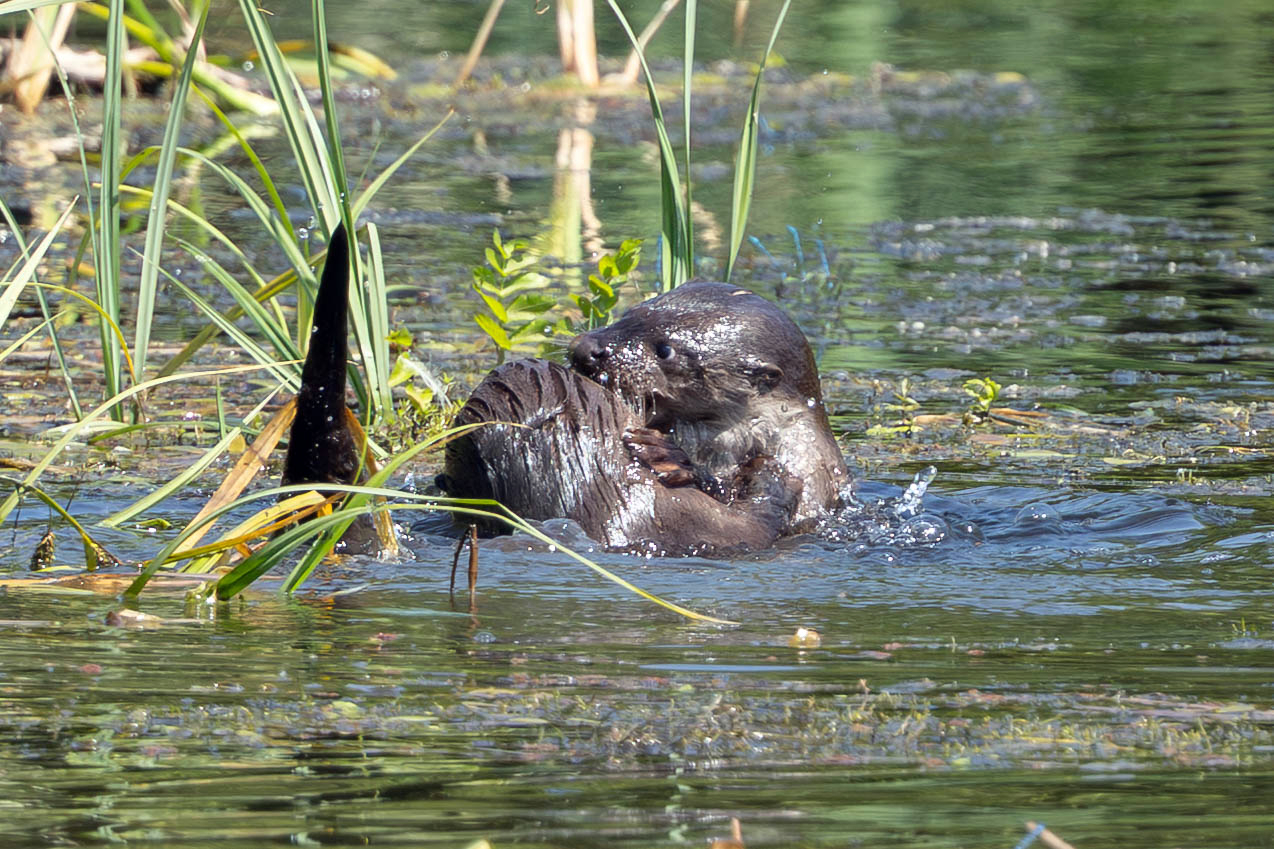
The hot weather at the start of the week saw many of the birds and mammals taking it easy in the heat. Visitor and photographer Neil Fermandel was lucky enough to watch two Otter slinking through the cool waters of Deep Water Lake on 25 May, and managed to capture these great shots.
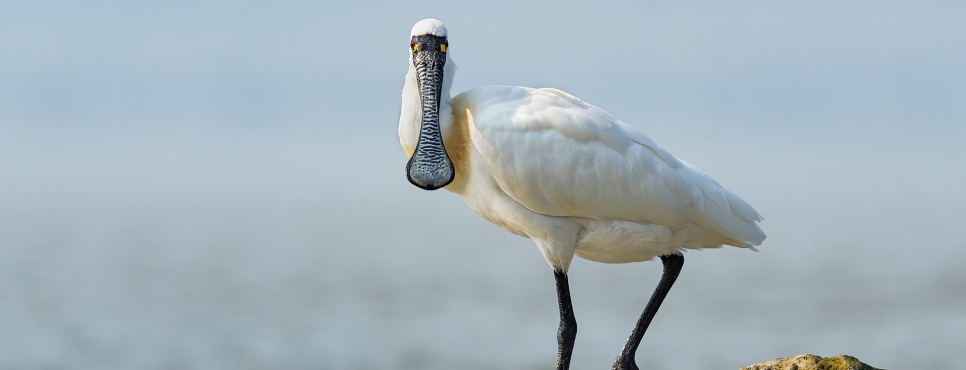
Swooping in early this week, three Cattle Egret (Bubulcus ibis) and two Great White Egret (Ardea alba) were both spotted on the Saline Lagoon. The great white egrets were also spotted on Deep Water Lake a little later in the week. Both these species have amber conservation status in the UK, so we always feel like we’re doing something right when they come by each year.
Two Little Ringed Plover (Charadrius dubius) have been spotted this week, too. They may well be the same pair that were spotted on the Freshwater Lagoon throughout much of April, but it’s always hard to know for certain. Either way, we’re simply happy to have them around, and our enthusiastic team are always on the look-out for nests and potential chicks (fingers crossed!).
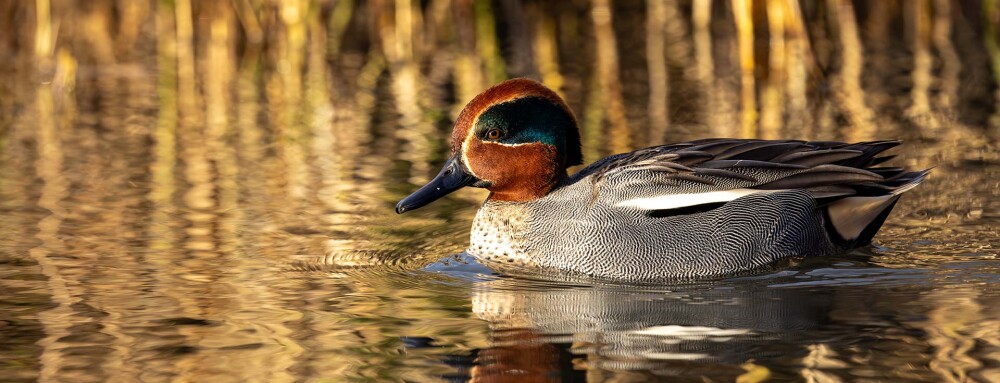
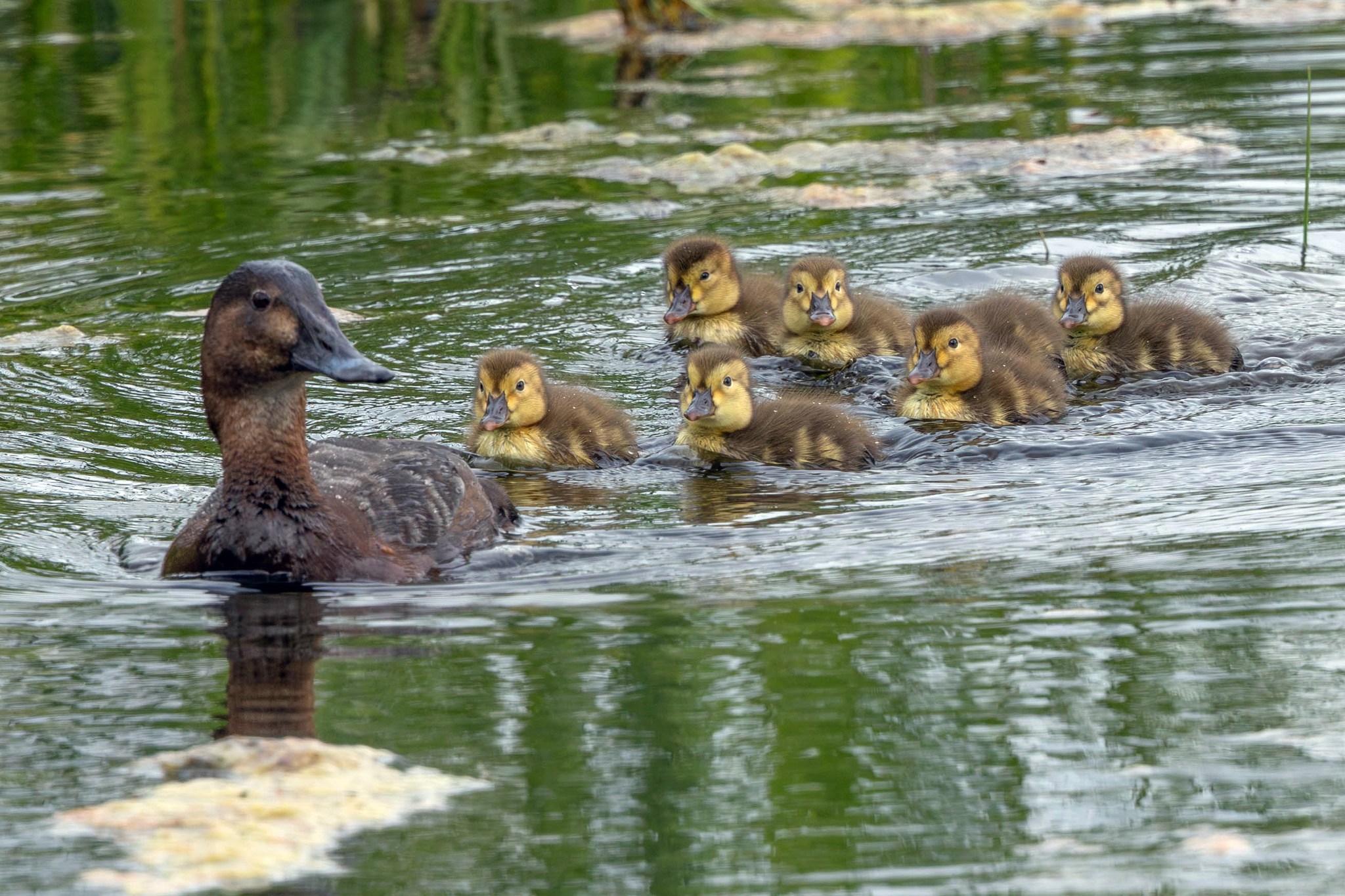
Pochard (Aythya ferina) ducklings were spotted paddling between the reeds of Deep Water Lake by our reserve warden, Peter Phillips. Pochard have a red conservation status in the UK, and they are one of our target species here at Llanelli, so seeing their ducklings always gives us a real sense of achievement and hope. Neil Fermandel was again in the right place at the right time for this shot!
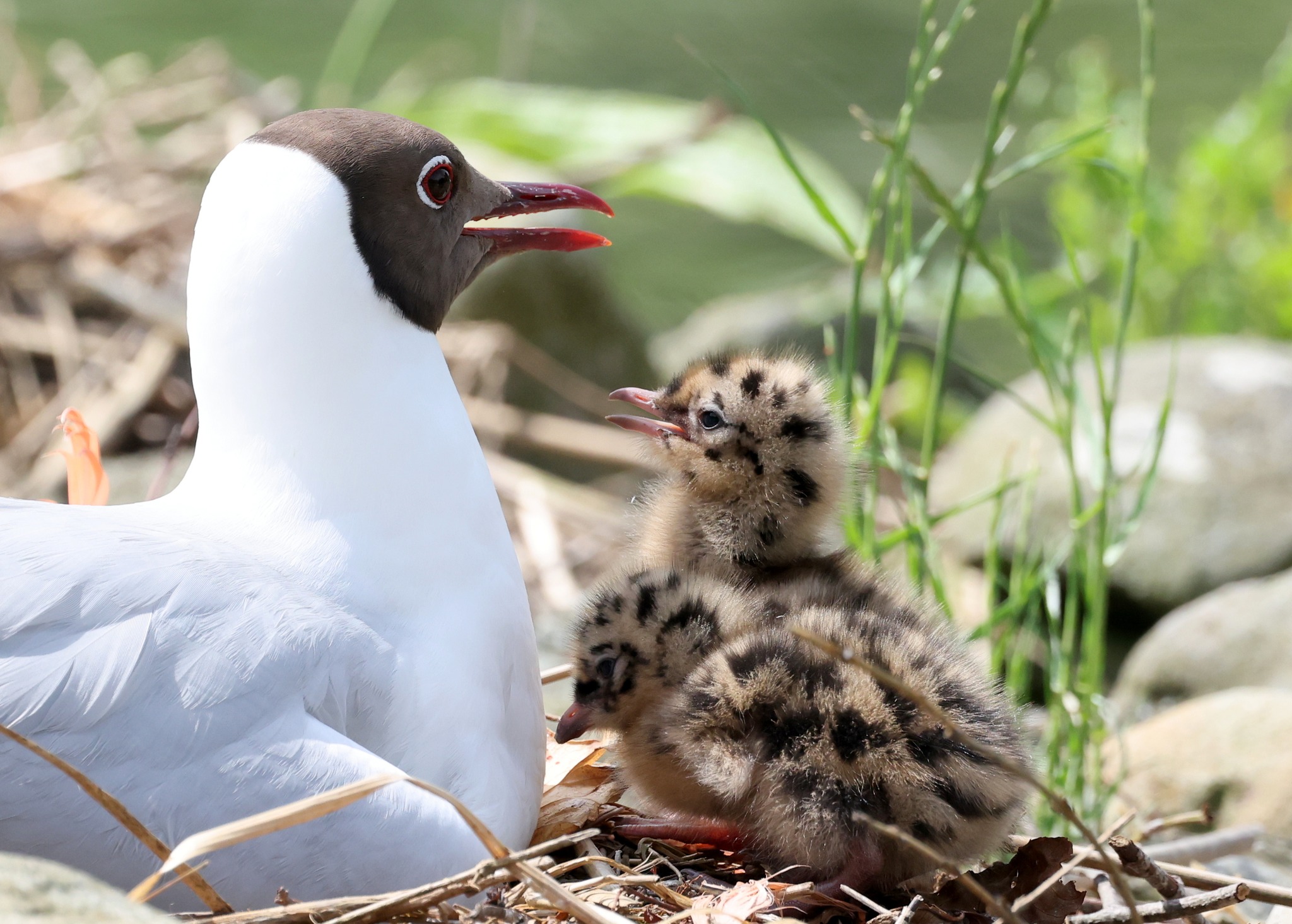
Similarly, a large number of the Black-headed Gulls (Chroicocephalus ridibundus) out on Deep Water Lake have successfully bred this year, with their spotted chicks seen popping their heads out of the nest and even going for a little wander under the watchful eye of their parents. They’re particularly visible from the Sir Peter Scott hide. They grow up quick, so be sure to pop by soon! Our featured image of a Black Headed Gull with its chicks was taken by photographer Jessica Crumpton.
It also appears that the pair of Cuckoo (Cuculus canorus), which were mentioned in last weeks sightings, have taken up residence on the Millenium Wetlands, at least for the time being. Working so close to many impressive species, it’s easy for us to assume most people have seen species like the cuckoo, but our reserve team have come across a number of enthusiastic birders and wildlife enthusiasts who were ecstatic to see these birds for the first time. If you’ve not had a chance, take a stroll towards the Swan’s Nest Maze, and keep an eye on the tops of the tallest trees.
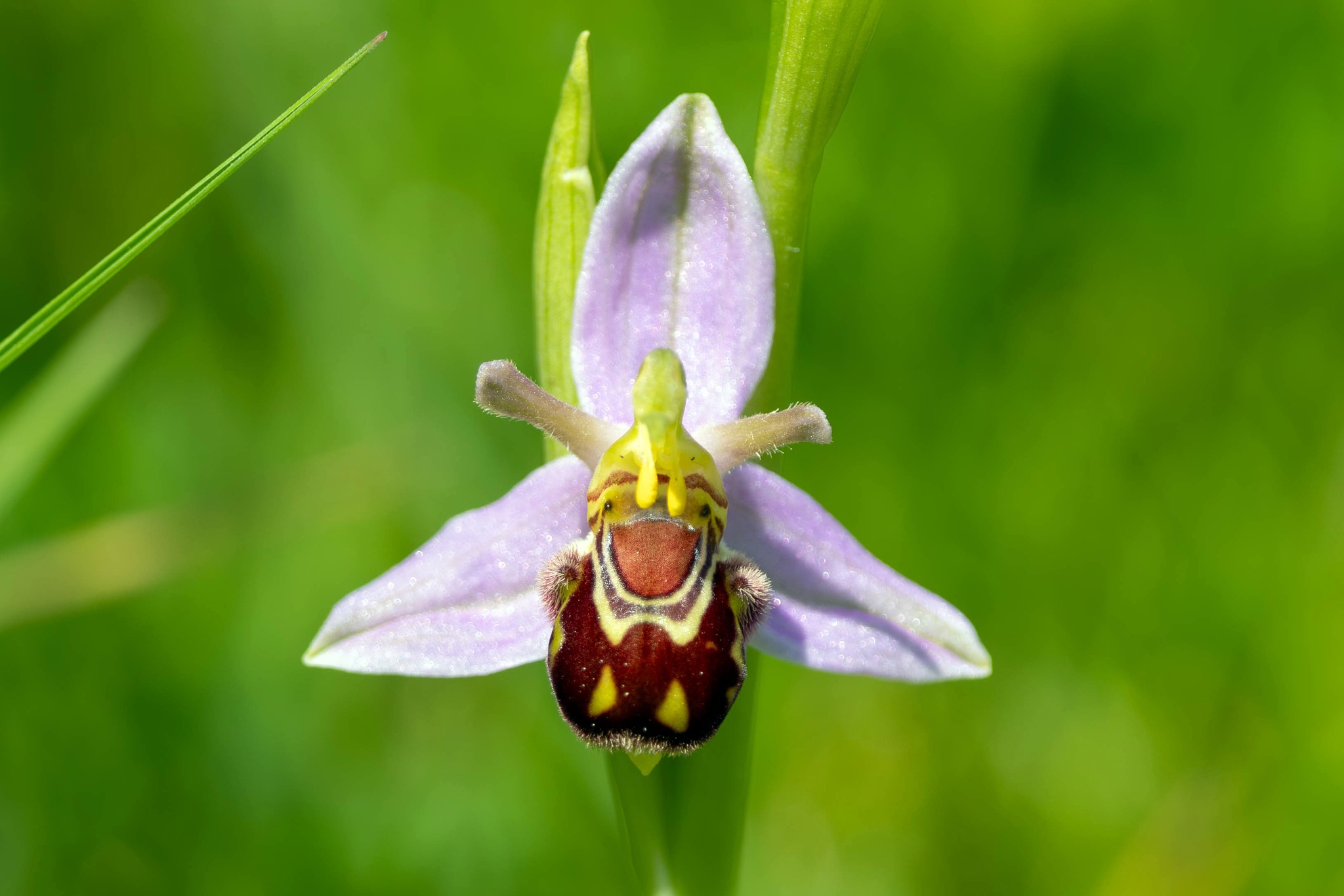
While you may need to walk a short distance to the cuckoos, other species can pop up right under our noses. Bee Orchid (Ophrys apifera) were spotted this week, growing along the edge of the path just outside the entrance to the Goodhalls Hide, so keep an eye out for these splendid mimics when walking around the grounds. This flower usually blooms in June, but perhaps due to the heatwave this week, they emerged just a little early.
Another shout out to Neil Fermandel for sharing this close-up of one of the Bee Orchids:
Reptiles have also been emerging in greater numbers due to the heat. If out on the Millenium Wetlands, look out for exposed logs, bare patches of path and large rocks in the sun. You may catch a Common Lizard scuttling into the grass. Our volunteer, Stephen Chambers, spotted a Slow Worm basking in the sun, right in the middle of the path! If you’re very lucky, you may even spot a Grass Snake, one of which was seen earlier this week.
There’s regular sightings of a Marsh Harrier (Circus aeruginosus) out on the Millenium Wetlands, and numerous passerines, from Reed Bunting (Emberiza schoeniclus) to Greenfinch (Chloris chloris), can be seen or heard every day!
The fine weather has also brought out beautiful insects (and arachnids!) and plants across the wetlands, including Common Blue Butterfly, Azure Damselfly, Broad Bodied Chaser, Thick-Legged Flower Beetle, Crab Spider, Longhorn Beetle, Red Admiral Butterfly, Speckled Wood Butterfly, Southern Marsh Orchid, Ox-Eye Daisy (with a spectacular display by Top Pond), and Cucumber Spider.
Featured Photo Credit: Black-headed Gull family by Jessica Crumpton