The wetlands are alive with sound, movement and colour. From secretive warblers buzzing from dense cover to outspoken gulls settling into their breeding colonies, every corner of the site is offering something special right now.
Wildlife highlights 11th to 21st April 2026
Highlights: Cuckoo, Little Gull, Pink-footed Goose, Mediterranean Gull, Avocet, Grasshopper Warbler
One of the most evocative sounds of the season is coming from the Eastern Scrapes, where a Grasshopper Warbler has been reeling away with their mechanical, insect-like song. These elusive birds are always a thrill, rewarding patience and careful listening.
Nearby, the Freshwater Lagoon is proving to be a real spring hotspot, hosting a Little Ringed Plover pair delicately picking their way along the margins, alongside two Little Gull whose dainty flight and dark underwings continue to charm visitors with spectacular views from the hides.
Around 35 Sand Martins have been hawking low over the water across the Dafen Scrapes and the Freshwater Lagoon, swooping and gliding with incredible agility as they scoop insects from the air. Adding to the spectacle, two Common Sandpipers have been showing beautifully right in front of the Observatory, offering close-up views as they bob along the shoreline.
Gull numbers are building steadily across the site, with an impressive 279 Black-headed Gulls recorded. Of these, 15 were on the Saline Lagoon, 28 at Dafen Scrapes, 41 on the Freshwater Lagoon and a remarkable 195 on Deep Water Lake. A Mediterranean Gull has been spotted amongst the bustling Black-headed Gull colony on the stone islands by the Peter Scott Hide, its bright red beak and bold eye markings making it a real highlight as birds settle in to breed.
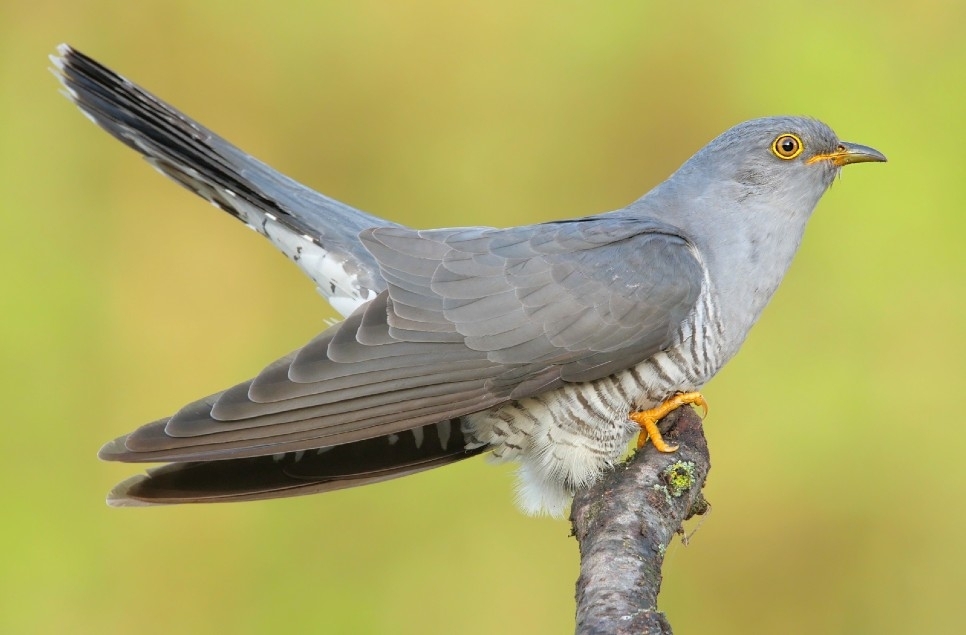
The Millennium Wetlands are alive with classic spring sounds. Two Lesser Whitethroats are singing persistently, while the unmistakable call of a Cuckoo has been echoing across the area after a male and female were first seen near the British Steel Hide.
A Marsh Harrier has also been quartering the reeds here, gliding low and purposeful as it searches for prey.
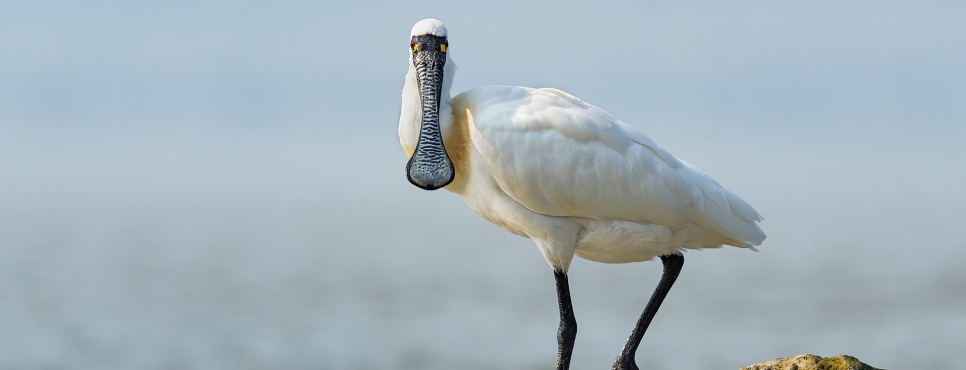
There have been some memorable sightings from the British Steel Hide too, including a Pink-footed Goose and two elegant Avocets, their black-and-white plumage and sweeping bills always drawing admiration.
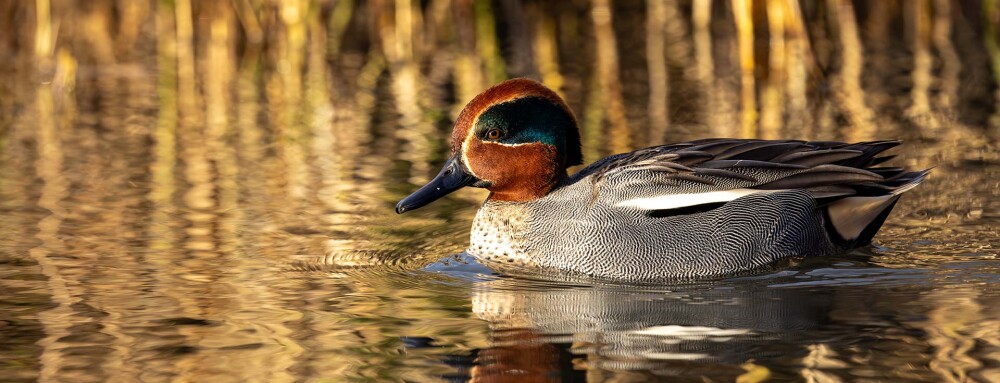
Meanwhile, Deep Water Lake continues to deliver surprises, with Kingfishers flashing electric blue across the water and Pochard adding splashes of warm chestnut to the scene.
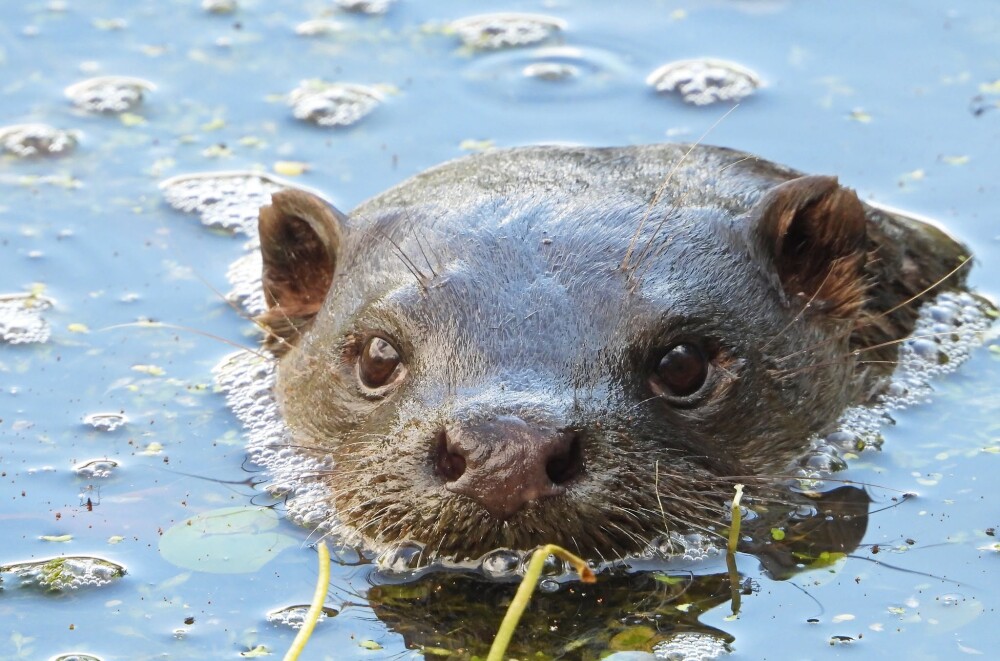
Adding to the magic of it all was an Otter seen in front of the Heron’s Wing Hide yesterday morning – a fleeting but unforgettable reminder of just how wild these wetlands truly are.
With so much activity across the reserve, now is a wonderful time to visit. Bring your binoculars, take your time, and let spring unfold around you.