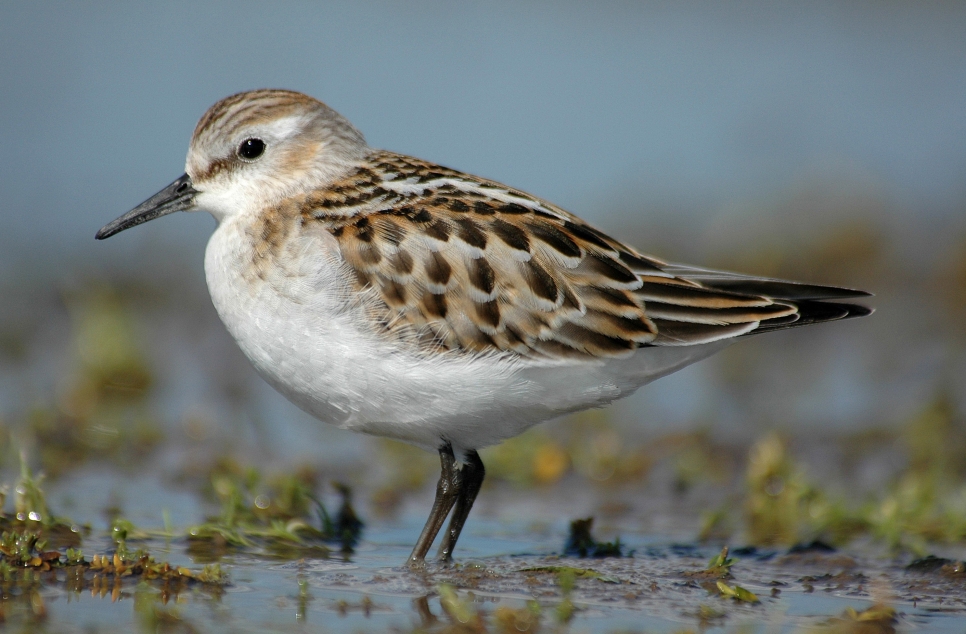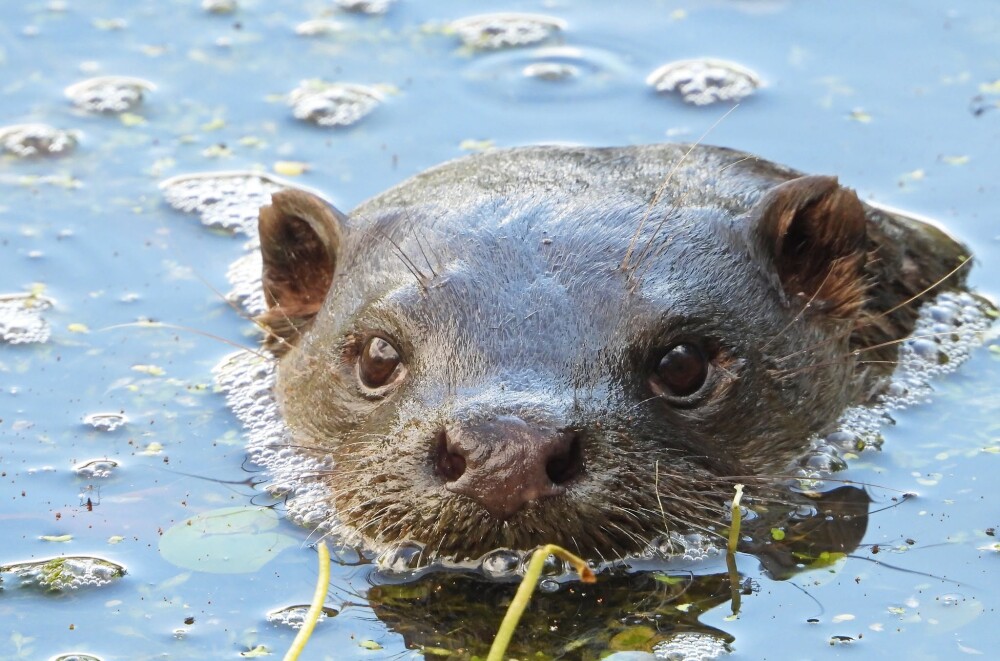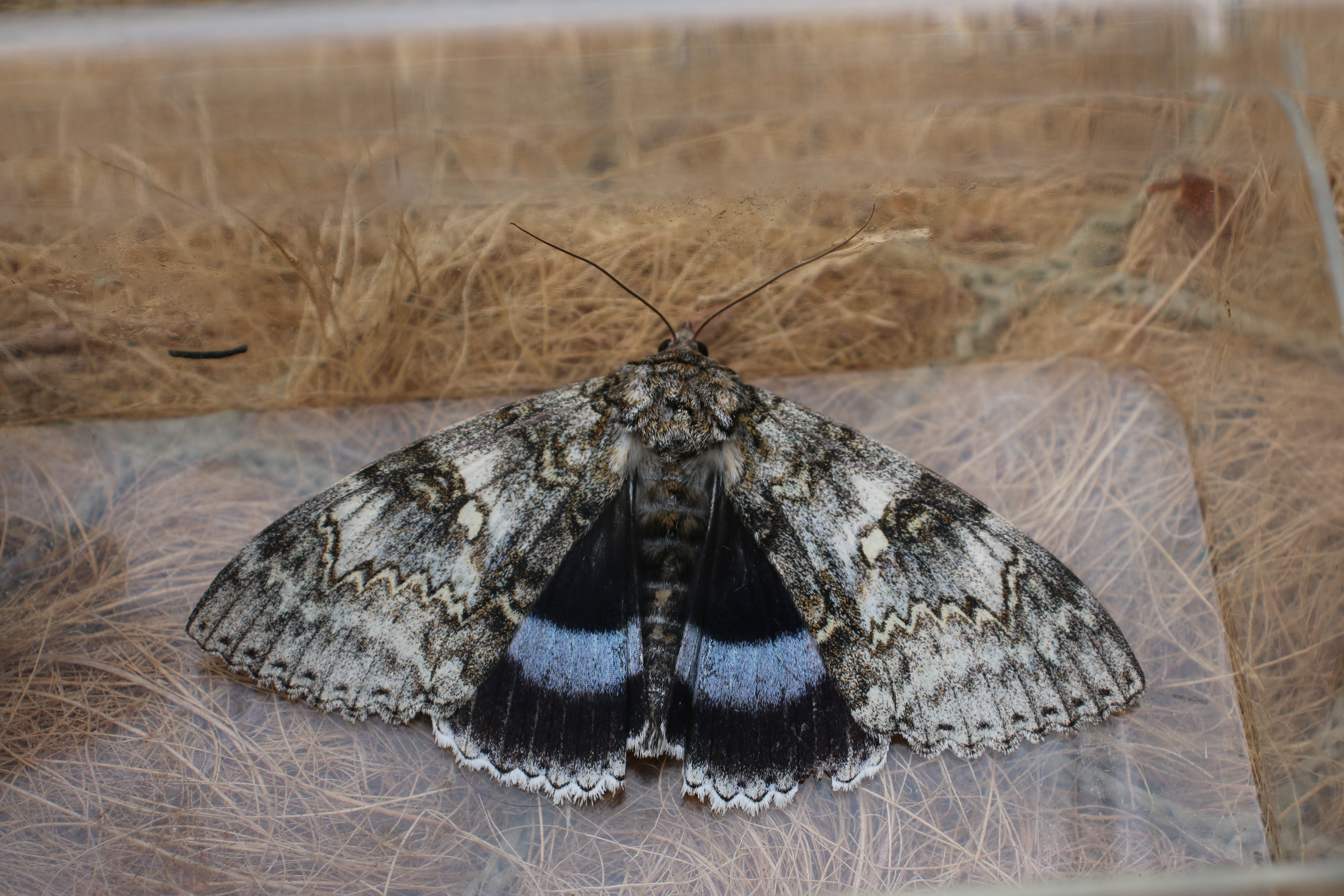
Among the standout unusual sightings, the ducks are arriving back for the winter, with numbers growing steadily across the wetlands.
Two Glossy Ibis (Plegadis falcinellus) were a welcome arrival on the Saline Lagoon this week. This striking species was only around for a couple of days, before moving on again. Although, it’s highly likely we’ll be seeing more of them, as their numbers have been steadily increasing in the UK with each passing winter.
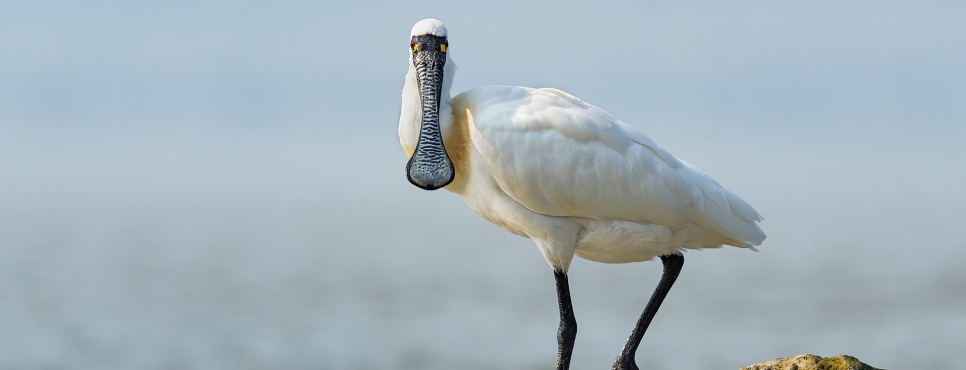
Last week we had ten Spoonbills (Platalea leucordia) and this week we have thirteen! We’re hoping this year we might be able to break our record of seventeen. They’re also quite a regular sight on the Saline Lagoon, so if you’ve not seen one before, take a short walk to the British Steel Hide on your next visit and see them for yourself.
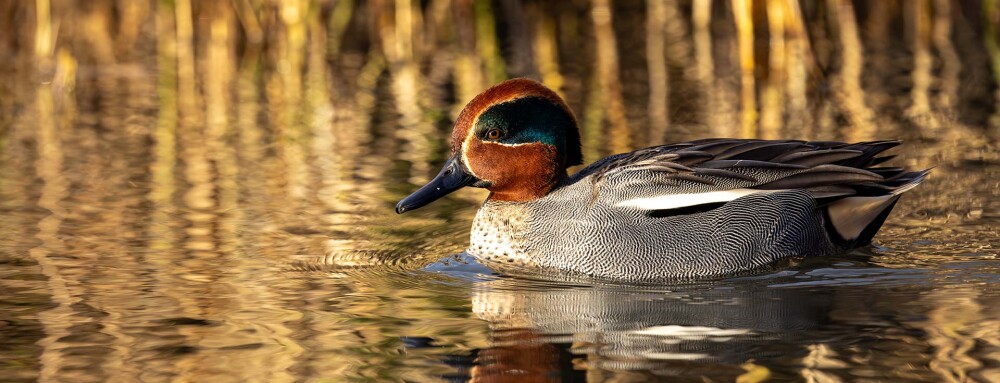
Last week, we wrote about the increasing numbers of Teal (Anas crecca), and while there are still plenty of teal around, they seem to be sharing their favourite spots with Wigeon (Anas penelope). They’ve been spotted on Deep Water Lake and the Freshwater Lagoon. Similar to many species of duck this time of year, the males are recently out of their eclipse plumage. Keep an eye out for the males’ golden stripe that runs from their pale blue bill, up between their eyes and then over their head.
Every now and again we get a Peregrine Falcon (Falco peregrinus) soaring over the Millennium Wetlands or our lagoons. This week happened to be just such a week. It’s always a thrill seeing one of these incredible raptors, but if they spook the birds on the ground, a sighting can become a spectacle.
Our long-time volunteer, Stephen Chambers, was fortunate enough to see thousands of birds take to the sky as a peregrine falcon came soaring over the Saline Lagoon this week. But once the peregrine falcon had moved on and the birds had settled, a Marsh Harrier (Circus aeruginosus) arrived on the scene, stirring the birds up into the sky once again in another spectacular flapping frenzy.