The recent calm and sunshine will have no doubt been a relief for many of the species here at WWT Llanelli, who will have spent the earlier part of the week hunkering down against wind and rain.
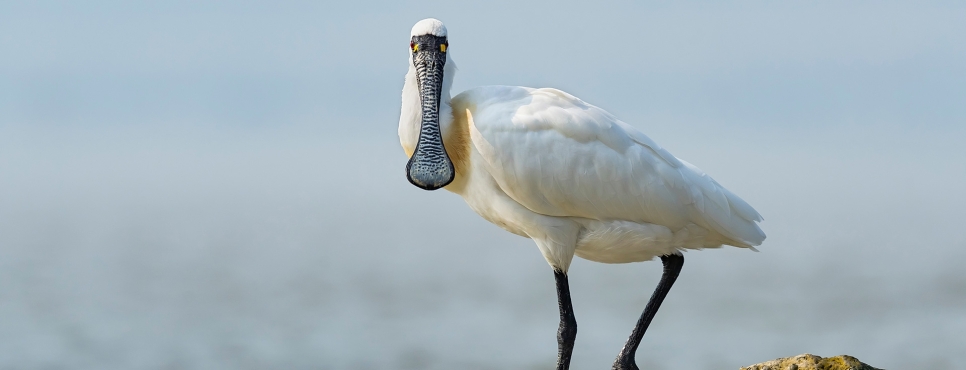
The Spoonbills (Platalea leucorodia) have been feeding in the sunshine out on the saline lagoon. I counted nine myself, but there could well be more (17 is our record)! Though the spoonbills tend to keep to themselves, only a short distance away, was the usual huddle of Black-Tailed Godwits (Limosa limosa), Knot (Calidris canutus) and Redshanks (Tringa totanus).
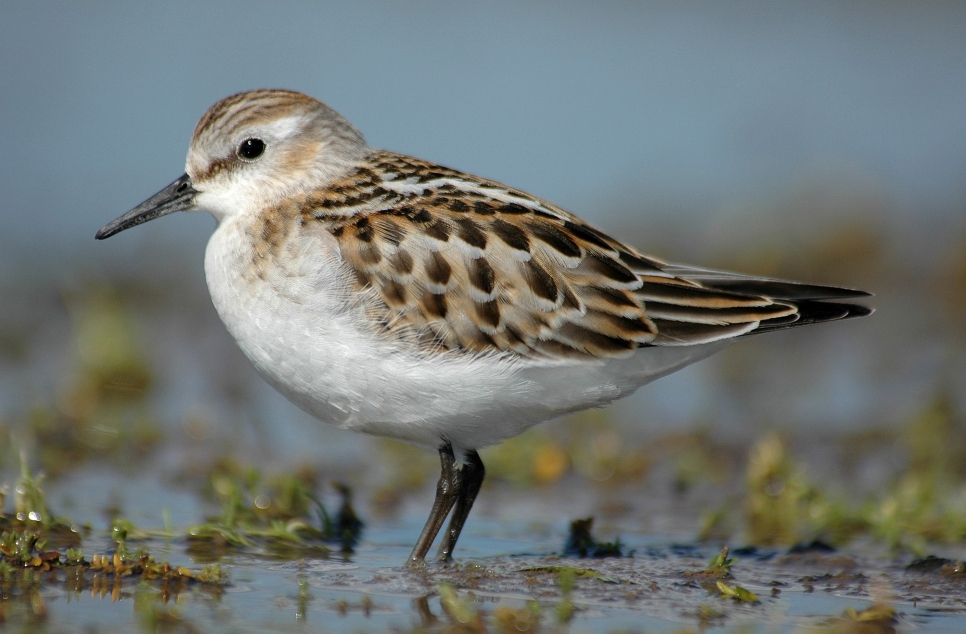
But hovering around the edge of the busy groups were a good number of Dunlin (Calidris alpina). Much like the Little Stint (Calidris minuta) in the last sightings blog, dunlin have incredibly beautiful plumage, boasting silvers, ambers and numerous shades of brown, all while remaining rather understated. They also have red UK conservation status, so it’s always a welcome sight seeing them!
Another local, but sometimes overlooked, are Greenshank (Tringa nebularia). Much about a bird’s characteristics can, of course, be objective. But I’m not the only one who thinks there’s something quite prim, or perhaps more elegant, about greenshanks, daintily walking through the shallows and often keeping to their own little groups. Not to mention their impressive olive-grey plumage.
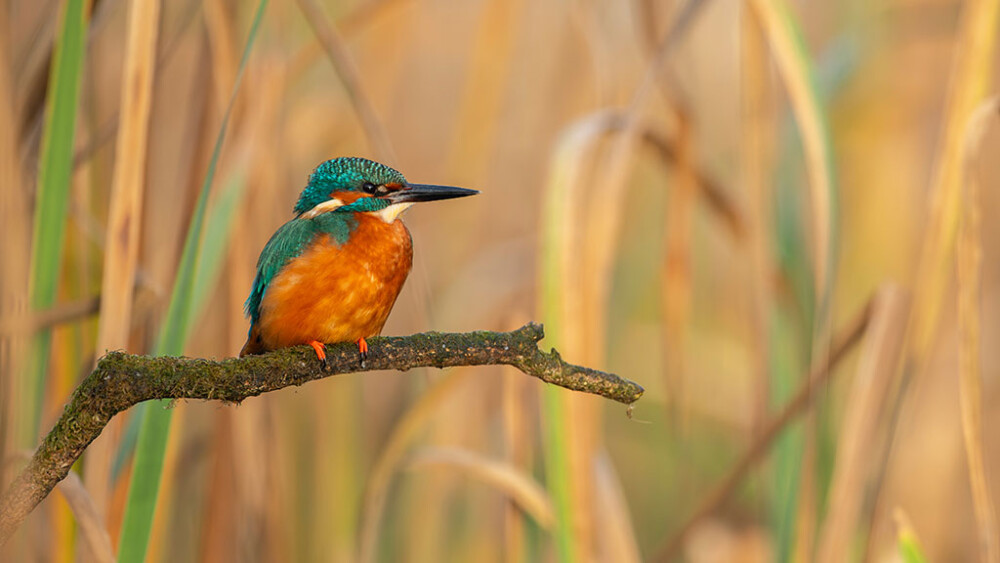
Kingfishers (Alcedo atthis) are often seen out on the reserve or flitting around our lagoons, but they seem to have been particularly busy and bold this week. Perhaps having struggled to hunt and feed during the high winds and rain, they were especially keen to fill up on minnow and sticklebacks!
Lastly, there’s still a little bit of summer warmth left in the sun, especially round midday, and despite the colder nights and a recent spell of miserable weather, I’ve seen a number of Common Darters (Sympertrum striolatum) and the odd Red Admiral (Vanessa atalanta). One of our volunteers also spotted a Peacock butterfly (Aglais io). These hardy inverts must have spent a good while clinging to the underside of a leaf or under the peeling bark of an old tree, waiting for some sun to stir them again. But for some species, like the red admiral and peacock butterflies, this is just the beginning. These butterflies will often overwinter, entering a kind of hibernation known as ‘diapause’. In this state they can wait out some of our harshest weather and reemerge when the days begin to warm again.