
Whether rain, shine or blizzard, our reserve team do a daily count of the wild animals on our site.
In these monthly blogs, we look at that data from years gone by and explore trends, observations and records, and talk about how we manage the site and how it impacts those animals.
With the start of summer upon us, we seek shade amongst the trees and look at some regular smaller woodland birds and the great spotted woodpecker.
June here in the UK usually brings warmer weather as spring ends and summer begins and although the occasional rain shower, heavier downpour or thunderstorm may threaten to dampen a bright day, it’s generally a great month to be outside in nature. Here at WWT Washington, the wetland birds are incredibly active at this time of the year, rearing young and defending nests down on Wader Lake and at the saline lagoon. The ponds and reedbeds are traditionally full of life too, agile insects such as the azure and blue-tailed damselflies dart by and waters are full of frogs, newts and invertebrates. This all makes June a great month for exploring the outdoors, reconnecting with nature and soaking in some of the sun.
When a cooling break is needed from the direct sunlight however, we can seek shelter beneath the shady canopy of trees across the site.
It would be impossible to take a walk through the 10.8 hectares of woodlands here and not see or hear birds, considering we have recorded 61 different passerine species (sometimes called perching birds or songbirds) across the last 10 years, from finches and tits to flycatchers, wagtails and warblers - the woods here are always brimming with life. So much so that selecting just a handful of these birds to focus on for an article was difficult, but looking at the data for June, there are a few which deserve to be mentioned.
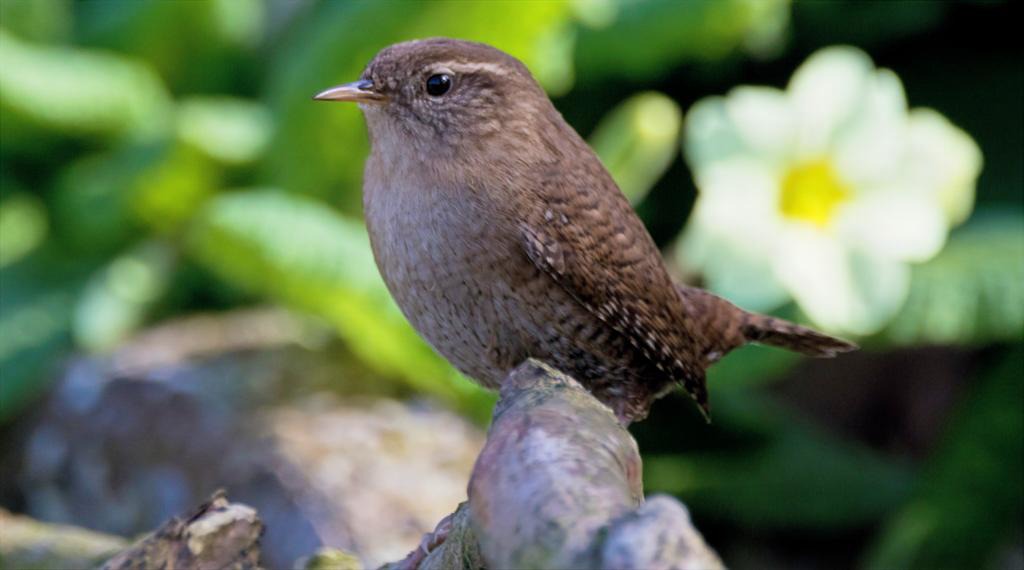
The wren is a small, round songbird with chestnut brown feathers and a short tail which is often seen cocked up. Incredibly loud for their size, the wren is often heard rather than seen, with its “tik-tik-tik-tik” warning call, puffed up feathers and tail sticking up vertically, the pugnacious wren is a common sight in gardens, hedgerows and woodlands.
Interestingly, the wren is the most numerous breeding wild bird here in the United Kingdom - 1 out of every 8 breeding birds is a wren! Nesting and breeding throughout spring and summer, the wren has around 11 million breeding territories across the country. A resident species, meaning they don’t migrate, wren can be seen right through the year - although in winter many wren spend a lot of time hidden in dense vegetation and hedgerows to avoid the cold and predators.
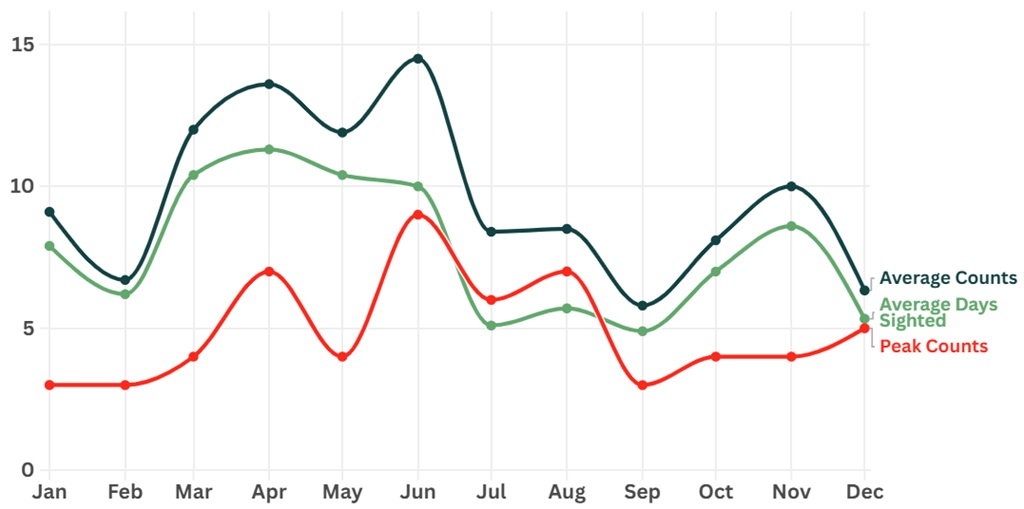
The graph below shows average wren activity across the year, based on data collected over the past decade. Average Counts shows the number of times wrens were recorded across the site and reach their highest point in June. Average Days Sighted, reflecting how many days in each month wrens were recorded during daily surveys, are highest in April, though June remains a strong month as well.
Peak Counts, which shows the maximum number of wren counted at a single time is also highest on the 2nd of June 2022. This group was observed in the gully running from the Wet Woodland down to the River Wear, between Wader Lake and the saline lagoon meadow, and consisted of one adult accompanied by eight juveniles.
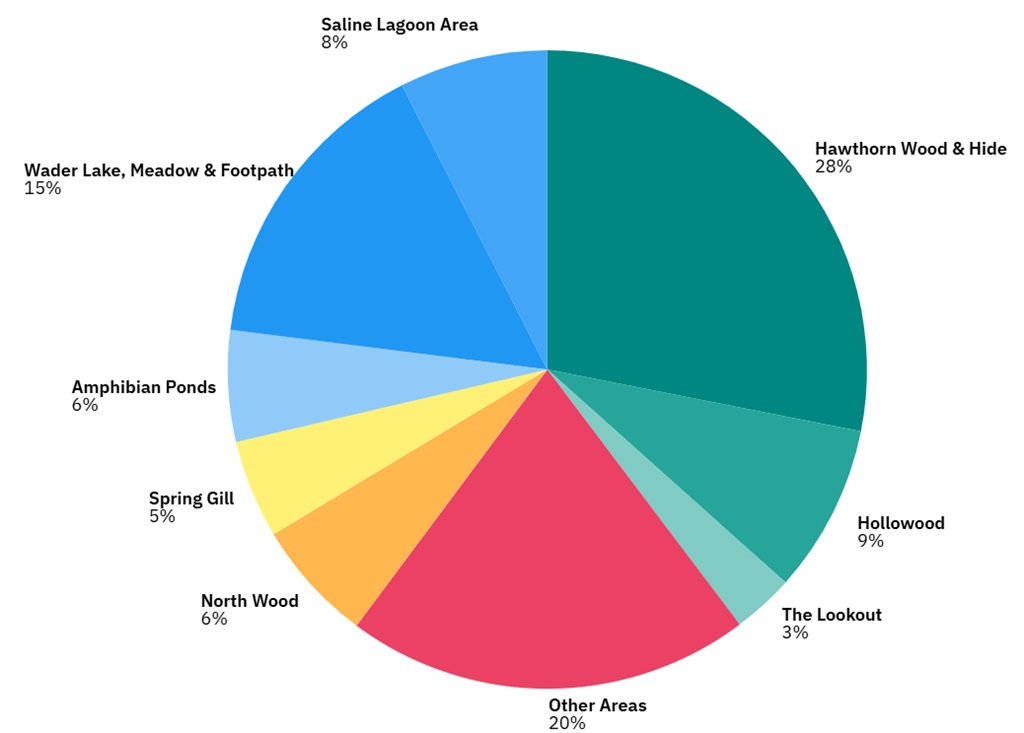
Readers of previous Data Dives will not be surprised to find out that the Hawthorn Wood and the feeding station at the Hawthorn Wood Hide, are the prime spots for seeing wren, accounting for 28% of all sightings. Looking at the chart below, we can see that the second most favourable spot for seeing the wren was the Wader Lake area (particularly the footpath hedgerows between the hides). The “Other Areas”, while counting for 20% of the sightings contains almost 30 other locations around the site. Meaning that while the wren are clearly widespread throughout the reserve, they can be seen most around the Hawthorn Wood Hide feeders and the Wader Lake hedgerows.
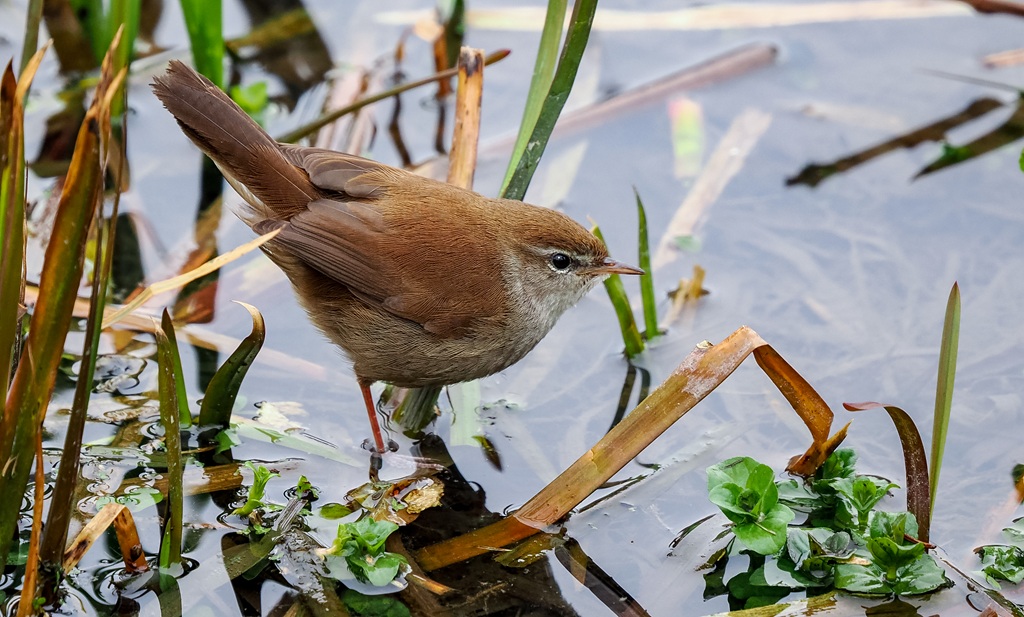
June has also welcomed some rarer visitors here at Washington, such as the Cetti’s warbler (pictured below), a small wren-like bird with a loud song, recorded only twice on the daily sightings in the last ten years. Once in June last year when it was spotted around Wader Lake on the 14th of June and another was recorded at the end of February this year. Curiously, Cetti’s warbler are the only British breeding passerine bird to have 10 tail feathers instead of the usual 12.
Yellowhammer have been sighted 3 times across the last ten years, in May and July of 2016 and then the June of 2018. A small yellow finch whose population is declining rapidly in the United Kingdom, the yellowhammer is on the BTO red list (most threatened birds needing urgent action). It is also one of 19 birds which make up the UK Farmland Bird Indicator - which is used to show the effect farming practices have on the ecosystem. Over the last 50 years, birds within this group have seen a collective rapid decline, mostly due to modern farming methods.
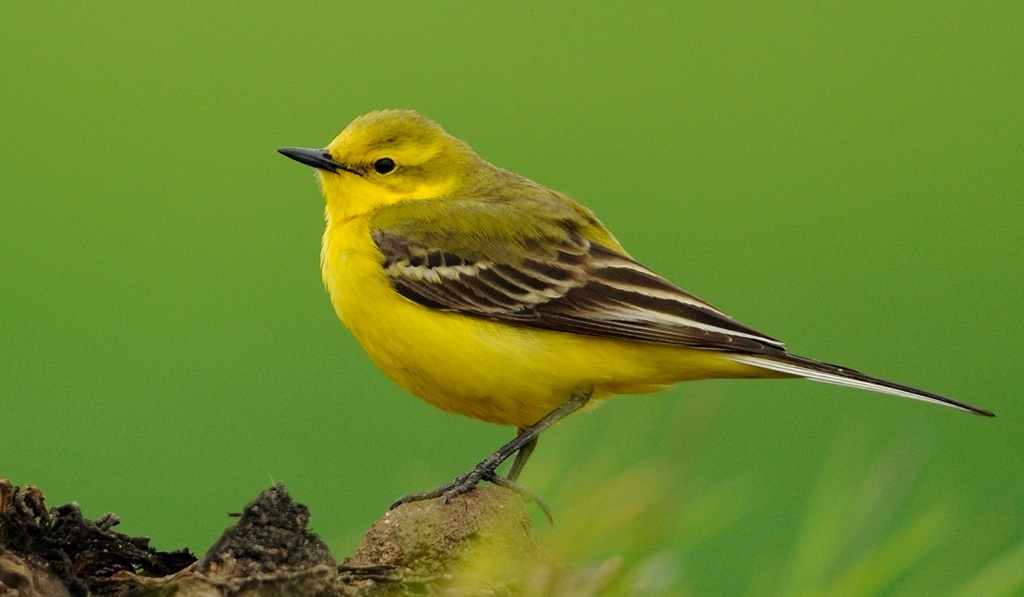
Another rare yellow bird which we have recorded twice across the last decade is the yellow wagtail (pictured below), seen in April of 2021 and June of 2018. A migratory summer visitor, the yellow wagtail arrive at our shores in April from trans-Saharan Africa. While found in Ireland during migratory passages (periods when migratory birds move location) it is now extinct there as a breeding bird and their population has declined across the UK by almost 80% since the 1970s – which, like the yellowhammer, appears to be strongly linked to agricultural practices, along with increased development of open green space which have reduced and fractured their ideal habitats.
It's important to remember that the data analysed comes from the daily bird count, which is conducted at a specific time in the morning. So while some birds are only being sighted on one or two days, it’s best to consider that they will likely have been around the site on more days, just not where or when the count was taken.
While the leafy trees can make it difficult to spot some of our smaller birds during June, it can also be a great month for seeing these birds fledging. Last year we recorded 208 passerine juveniles across 11 different species during the month of June – including 6 juvenile willow tits! In the last ten years, 2024 was the best for juvenile passerines recorded, with 379 in June and 395 in July - 17 different passerine species had juveniles present during July 2024.
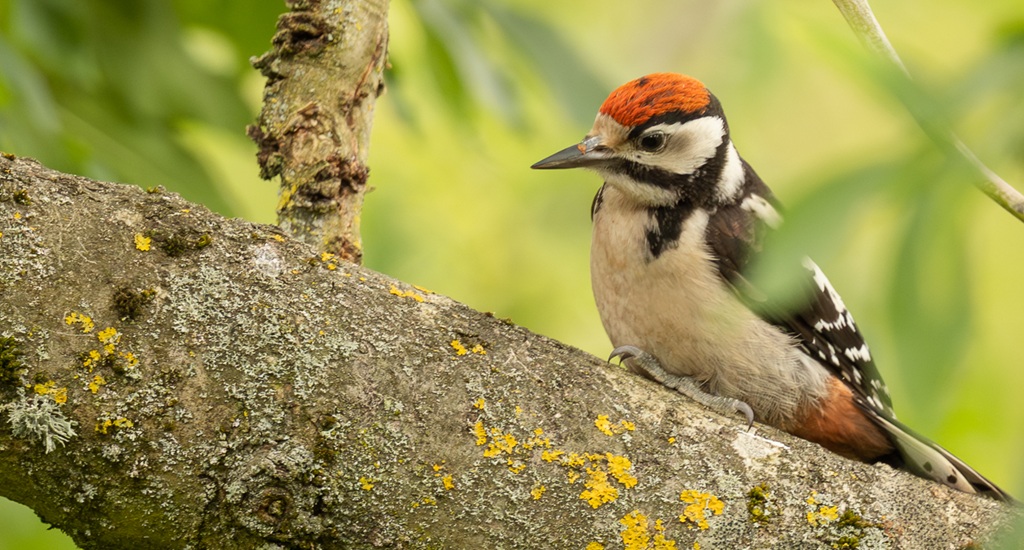
Another common sight (and sound) throughout the year here, particularly in Hawthorn Wood, is the great spotted woodpecker. A native to Great Britain and a few small -but expanding- regions in Ireland, the great spotted woodpecker population has increased across the British Isles since the middle of the 20th century, the UK breeding population has gone up by around 380% since the late 1960’s.
Often heard drumming against the trees, one of the great spotted woodpeckers favourite foods are the insects found under the bark of dead wood, as well as tree seeds and other birds eggs and chicks. In fact, it is thought that the abundance of dead wood following the 1970’s Dutch elm disease epidemic that killed millions of elm trees, particularly in the south, has spurred the population growth of the great spotted woodpecker.
Great spotted woodpeckers are cavity nesting birds, meaning they nest in holes, rather than building a nest in branches or on the ground. Some cavity nesters, including the great spotted woodpecker, drill their own holes to nest in whereas some other cavity nesting birds will find and use pre-existing holes and crevices. Almost all birds which use garden nest boxes are cavity nesters!
Woodpeckers are capable of intense pecking and drumming against trees and the great spotted woodpecker is one of the fastest pecking woodpecker species, with up to 40 pecks per second when drumming against the tree, which they do to drill holes for nesting, communicate and mark their territory. While they mark their territory mostly audibly -sending their drumming noise echoing out across the woodland- they also leave marks on the trees which lets other woodpeckers know that they’ve been there.
As well as hearing the great spotted woodpecker we can also see physical evidence of them here on site. Wood chips can often be found below the trees where they’ve been drilling and nest holes can be seen up on the trees - last year we found a new woodpecker hole in Middle Wood!
While almost 80% of all sightings are recorded around Hawthorn Wood and the hide feeding station, great spotted woodpecker have been spotted amongst all the woodlands across the site. Occasionally even being recorded at the bird feeders just outside the visitor centre. The chart below shows the average frequency of great spotted woodpecker across the year, which uses a combination of both peak counts and days sighted (or heard) to display a prevalence across the year. June is an excellent month for the great spotted woodpecker, and usually when their young are seen fledging from nesting holes.
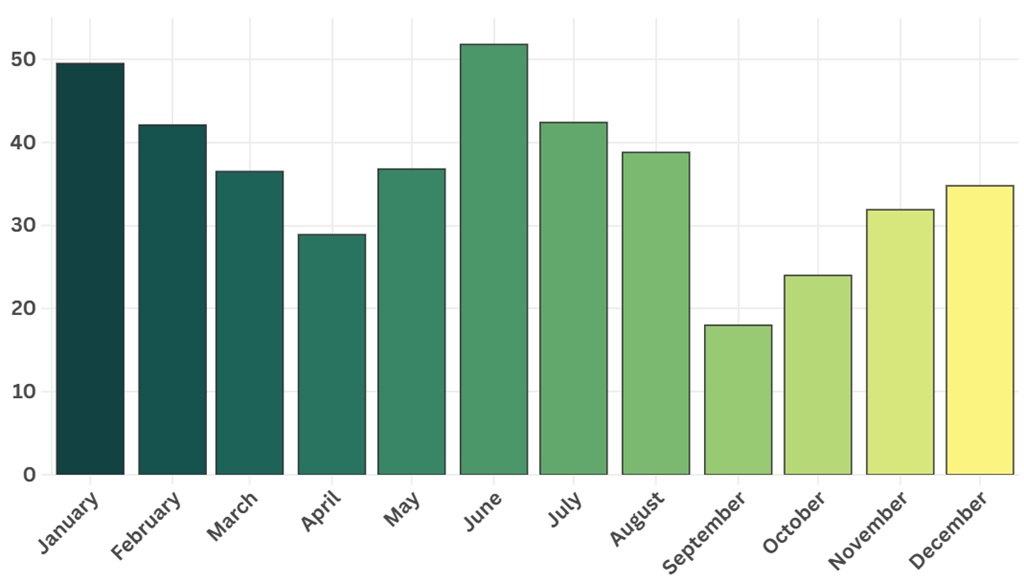
Last year, we saw juvenile great spotted woodpeckers at Hawthorn Wood Hide feeding station across the whole summer, starting on the 1st of June right until the 8th of August. When we record juveniles there’s often only 1 (occasionally alongside an adult), but sometimes we see 2 or even 3 juveniles being sighted together, suggesting a healthy breeding population on site.
Woodpeckers are a solitary bird, meaning they’re rarely seen in large groups and this is reflected with the daily counts, two thirds of our great spotted woodpecker sightings were only a single great spotted woodpecker, and the largest groups counted (5 or 6 birds together) were parents spotted with their fledglings throughout the summers, usually around Hawthorn Wood Hide.
Another regular June sighting, particularly in our woodlands is the endearing long-tailed tit.
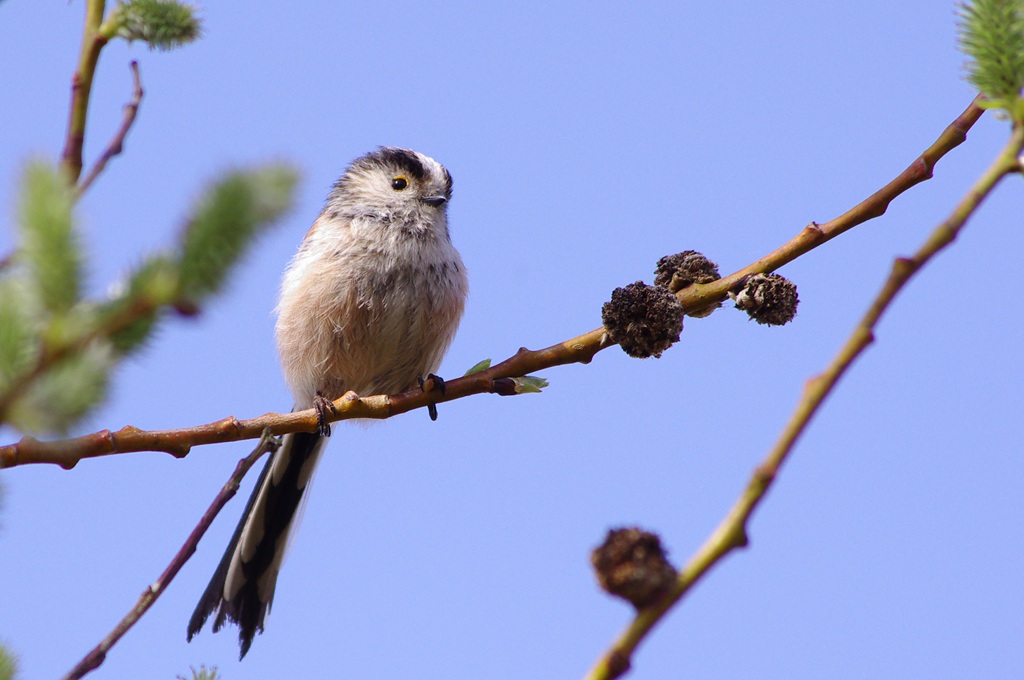
With a tail that is longer than its body, the aptly named long-tailed tit is a small perching bird found year-wide across the United Kingdom (apart from some tall mountain peaks and distant Scottish islands). The long-tailed tit are on site all year round, with sightings higher during the winter months - they’re much easier to see when there’s no leaves, but can also be seen in large flocks during the summer.
The long-tailed tit are a very co-operative species when it comes to breeding, where younger birds will help breeding birds to raise chicks. Breeding and nesting takes place in spring and by the start of summer the young have fledged making the start of summer a great time to see long-tailed tits visiting the feeders or flitting around the woodlands.
The graph below shows peak counts per month across the last decade. We see that our highest single count was a group of 50, recorded on the 6th of June 2019 at Old Oak Meadow. Interestingly, a group of long-tailed tit is called a volery or zephyr, or sometimes a snuggle, describing how they huddle together, often to keep warm during the colder months.
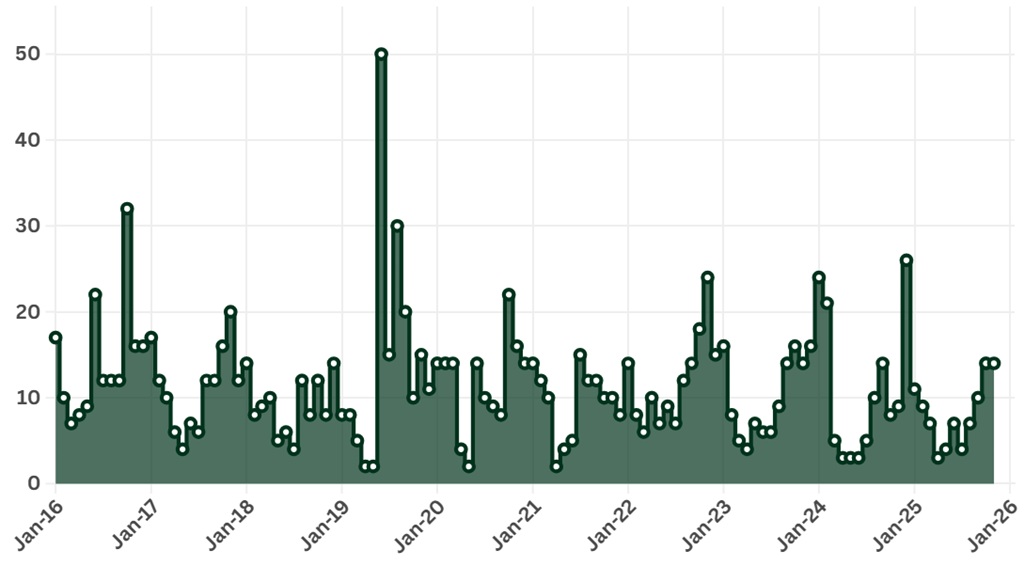
The long-tailed tit are spotted across the whole site, regularly seen at the Amphibian Ponds, throughout the woodlands and at the Lookout, which looks out towards Middle Wood.
Unsurprisingly however, over 50% of long-tailed tit sightings were recorded in Hawthorn Wood and at the feeding station at Hawthorn Wood Hide, making this an excellent spot to cool off in the shade and see how many different passerine birds you can count - perhaps you’ll see a great spotted woodpecker or a snuggle of long-tailed tit and maybe even a wren or two!