Whether rain, shine or blizzard, our reserve team do a daily count of the wild animals on our site.
In these monthly blogs, we look at that data from years gone by and explore trends, observations and records, and talk about how we manage the site and how it impacts those animals.
We’re back to birds this month and taking a look at two solitary hunters, the kingfisher and the buzzard
September heralds the beginning of autumn, some trees have started to change their colour and brightly coloured berries are beginning to pepper the hedgerows. This transitional period in nature is an extremely important time for many wetland bird species; as the weather turns colder, migratory birds prepare for their long journeys either to or from our shores. Summer visitors will begin to fly south while our winter visitors begin to arrive from even colder places like Iceland and Scandinavia. Pink-footed goose, a predominantly migratory winter visitor to the UK, are often seen in September flying overhead in large flocks, in 2024 we recorded 600 pink-footed geese on the 13th of September. Curlew numbers begin to swell towards the end of September as some early winter migrators join the summer population. We also see jackdaw moving in larger flocks during the autumn and winter, starting around September – but we’ll be taking a closer look at these crow-like birds in next months article!
As well as large flocks of migrating birds, WWT Washington also provides habitats for more solitary birds, from owls and raptors to snipes and rail, but perhaps the most iconic solitary bird found near rivers and wetlands, would be the kingfisher.
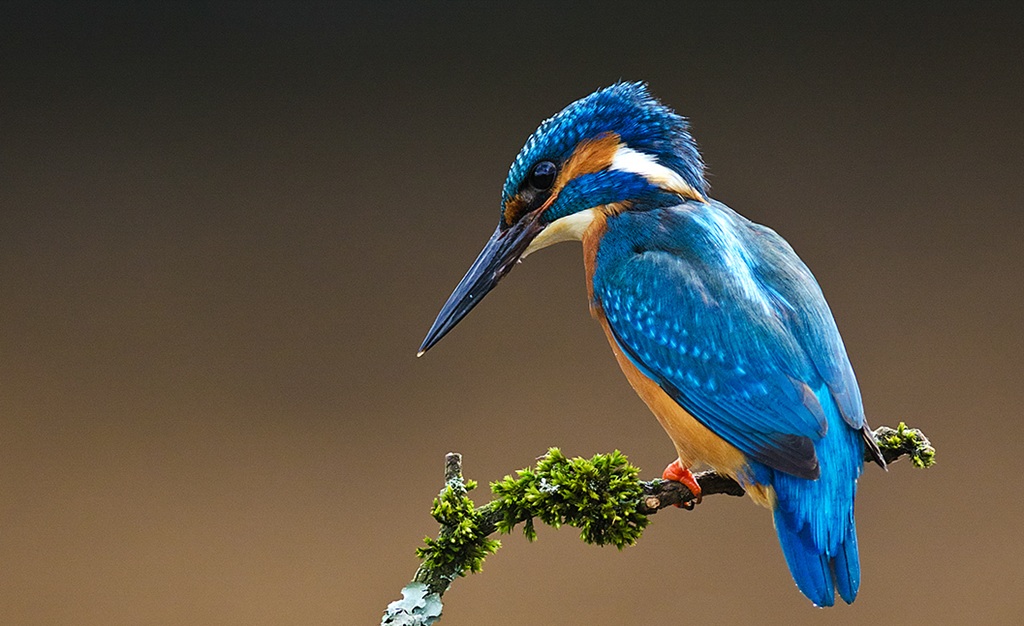
A small, vibrant bird which, as the name implies, is an excellent fisher, the kingfisher spend their days perched on low hanging branches above the water, or on trunks, posts and poles that jut out from the waters surface, watching for small fish below. Upon spotting a fish, the kingfisher will dive down into the water and grab the fish with their precise, slender bill. Despite being so brightly coloured, with striking orange and almost iridescent cobalt-blue feathers, the kingfisher is quite often heard rather than seen. This beautiful little bird has fairly distinctive high-pitched calls that are used for mating, territory marking, communication and signalling alarm.
Kingfisher are a year-round resident to the UK, meaning they don’t migrate to or from overseas. Interestingly however, some kingfisher that were ringed in the UK have been found on the continent, mostly northern France and the Netherlands but some have been found as far away as central Germany and Poland, suggesting some have travelled across to Europe.
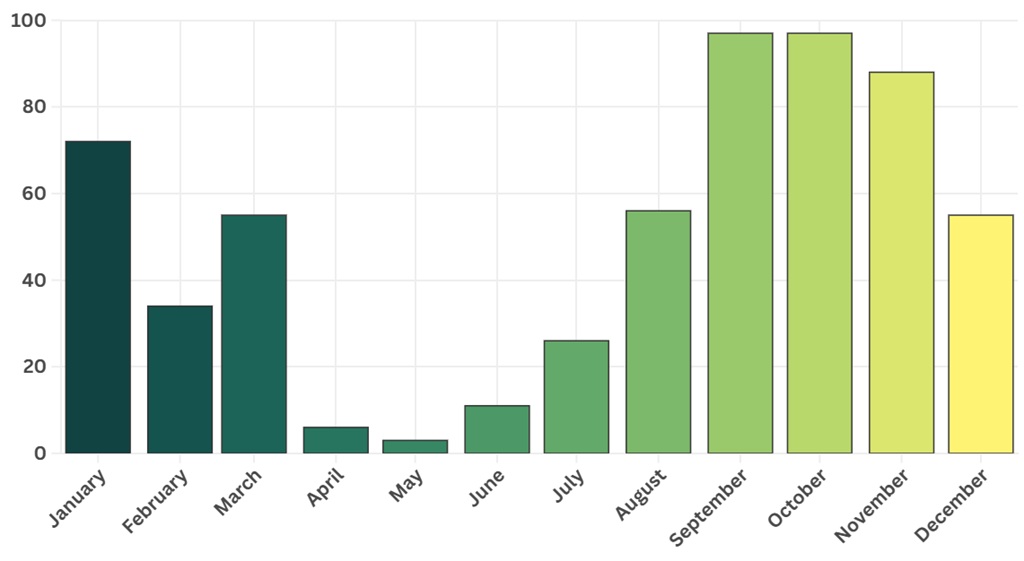
The graph below displays the times per month kingfisher were recorded on the daily count over the last 10 years - we can see that kingfisher are spotted all year, but are most prevalent towards the end of summer and into autumn. Most notably in September and October, this is explained by the end of the nesting period. The kingfisher are no longer either incubating eggs or caring for chicks so the parents are more active around the site. Also, the fledglings are now also out of the nest and finding their way, spreading out to new territories and exploring for good fishing spots.
The kingfisher prefer still or slow moving water and their diet consists of small fish (mostly stickleback or minnow), and small aquatic invertebrates and crustaceans like shrimp, all of which are found within healthy wetland ecosystems.
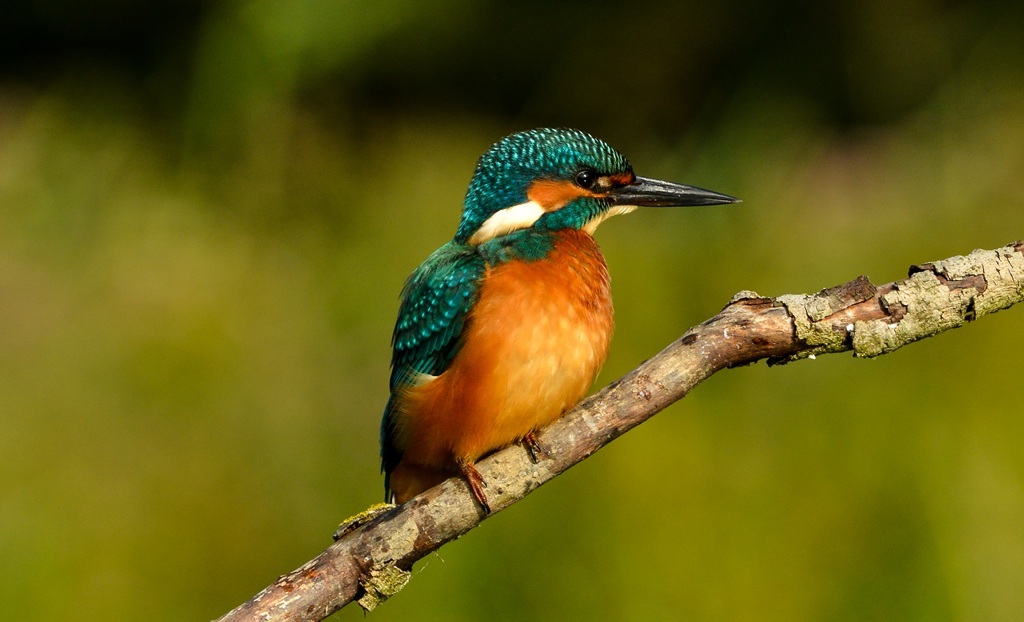
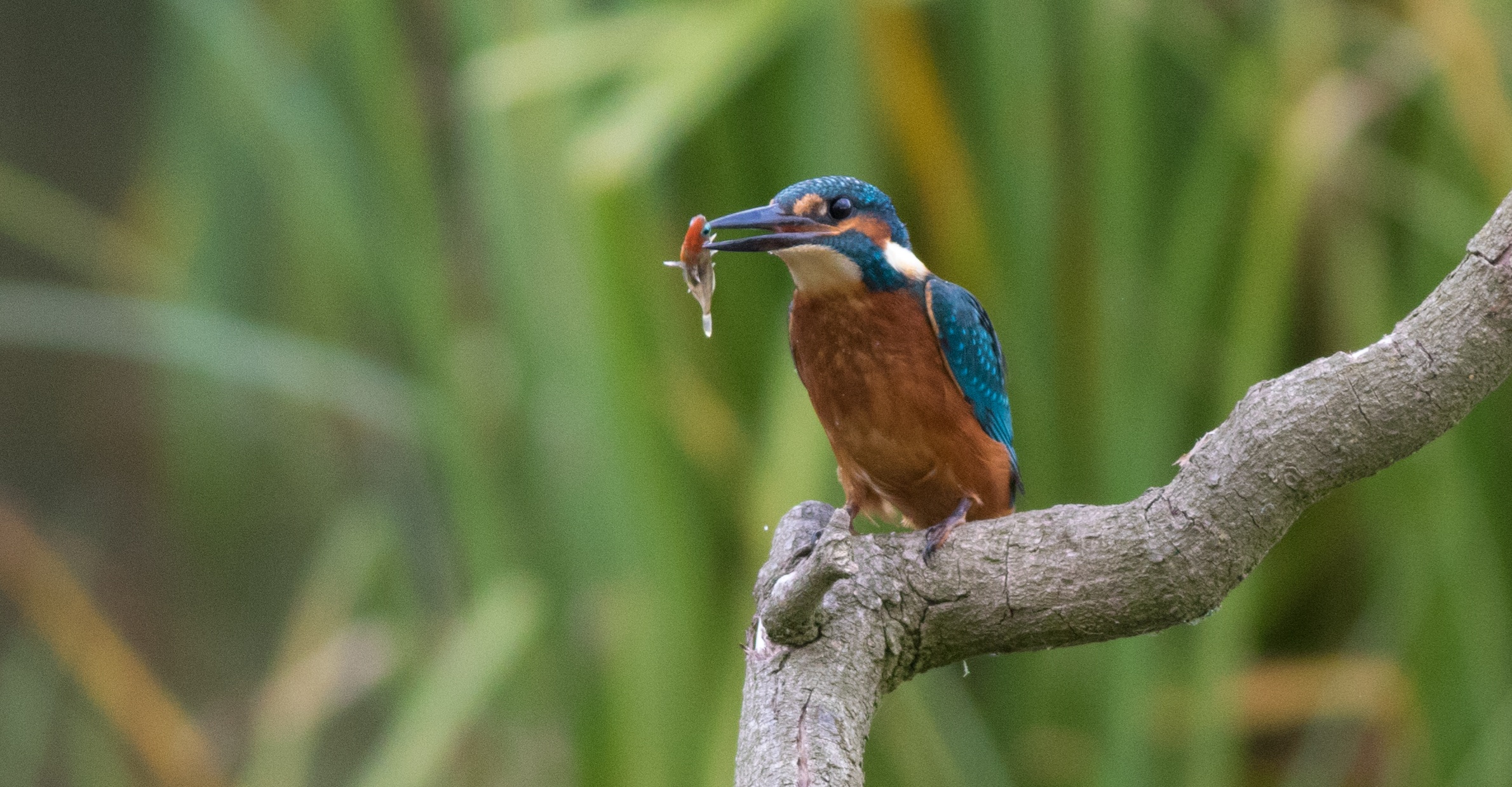
The kingfisher pictured below is the same one from our Data Dive thumbnails – this photo was taken a few moments after the diving one we used, it caught a fish!
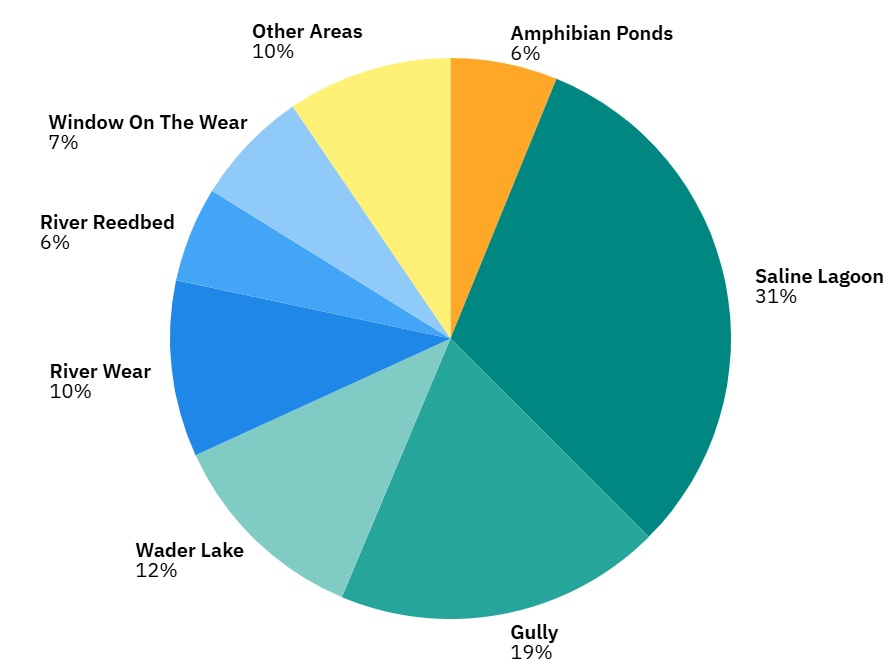
Kingfisher are found widespread across the site, wherever there are ponds, streams and lakes or out on the river Wear. Looking at the graph below we can see that the majority of sightings take place at Saline Lagoon. Other large bodies of water, such as Wader Lake, the Amphibian Ponds and the river Wear (Window on the Wear sightings are usually out on the river too). Another location we often see kingfisher is the gully, a stream that runs from our Wet Woodland, alongside our Otter Exhibit and down into the river Wear. Kingfisher nest in steep banks (similar to sand martin) and were recorded for the first time nesting on site in the high banks of the gully back in 2023. Unfortunately this nest was lost to flood damage which caused the bank to collapse.
However, because of the recorded sightings and data gathered from the nesting kingfisher in the gully. The reserve team built a special kingfisher nesting bank on the edge of Wader Lake to attract breeding kingfisher. This artificial bank is visible from Northumbrian Water Hide.
Looking back at the historical data, kingfisher have been present on site since we opened in 1975 but with only 3 sightings across the whole of the first year. A decade later in 1985, numbers had increased slightly, with 12 days across the year where kingfisher were recorded. Thirty years later in 2016 we recorded kingfisher on 39 days of the year. Our most prolific year for kingfisher was 2019, where we recorded kingfishers on 96 days of the year, averaging about one sighting every 4 days.
While numbers of kingfisher have been steadily growing, distribution of sightings throughout the year remains consistent – with September seeing the majority of sightings during most years since 1975.
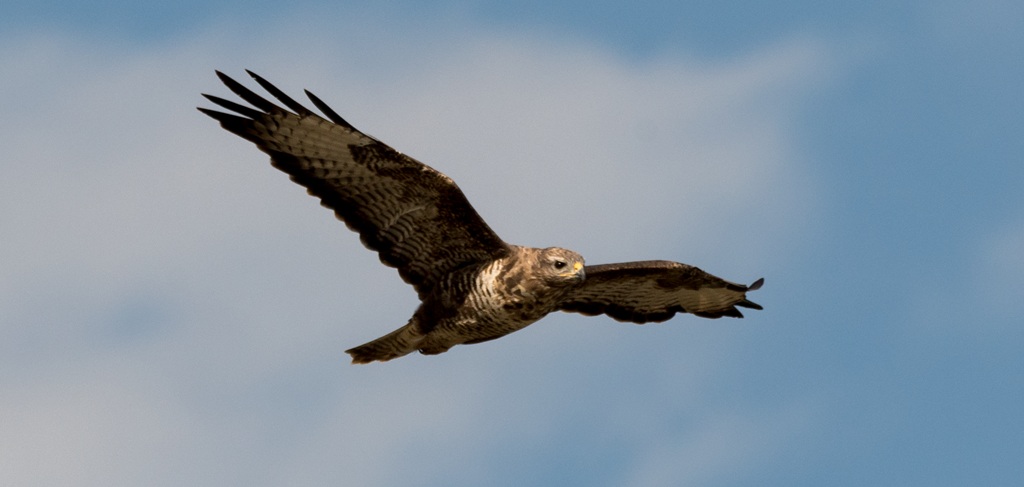
Another solitary bird seen often on site is the buzzard, a fairly large bird of prey with a short tail and rounded wings. They can often be spotted perching in trees or fence posts or circling up in the sky looking for prey.
The buzzard was an endangered species here in the UK in the 19th century, mostly due to hunting from gamekeepers, who viewed them as threats to pheasants and grouse (despite them being a predominantly a scavenger). After several decades of intense persecution, at the start of the 1900s there were as few as 1000 breeding pairs left, and regionally extinct in Ireland.
Another 50 years later, in the mid-1900s, their population was once again severely affected by a myxomatosis outbreak, killing a huge percentage of rabbits in Britain, which are one of the buzzard’s primary food source. At the same time, pesticide use surged in farmland (mostly organochlorines - particularly DDT), which entered the food chain and caused eggshell thinning, particularly in birds of prey like the buzzard, further threatening their survival.
After becoming a protected species by law, reduced persecution from gamekeepers and healthier agricultural practices becoming more widespread, the buzzard has flourished. In the last 75 years, their population has grown and spread across most of the country and back into Ireland. Unlike the golden eagle and red kite which were reintroduced to Ireland by humans, the buzzard repopulated naturally, flying across from Scotland.
The graph below shows the times per month buzzard were recorded on the daily count over the last 10 years and we see a similar story to the kingfisher. Buzzard sightings are year-round, but with an obvious decline across the summer and then more activity around September and October.
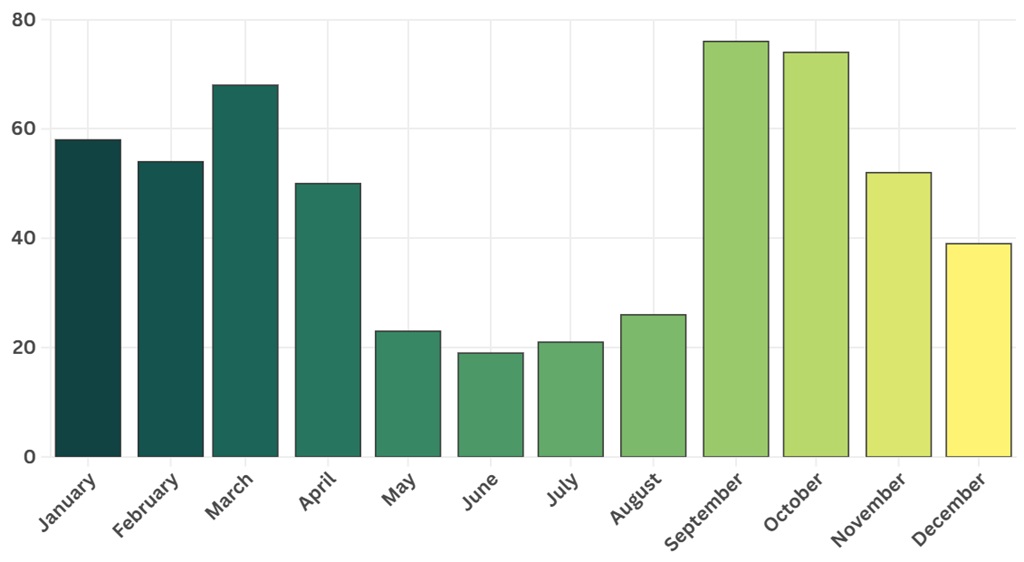
This summer dip is attributed to the nesting season, where the birds will either be sitting on eggs or actively rearing their young. Buzzard are an extremely territorial and a monogamous species - a breeding pair will find a territory and remain in the area for life, nesting and breeding each year. During late winter and early spring, the buzzard will aggressively defend their territories, putting on dramatic aerial displays and becoming vocal, fighting off intruders, this is likely why sightings increase around March. The September and October spike, like the kingfisher, can be explained by the end of the nesting season, the parents are no longer restricted to the nest and fledglings are now flying and being sighted. The fledglings remain with the parents for 6 to 8 weeks after nesting, further contributing to increased counts. Afterwards, they will disperse and be actively chased off the territory by the breeding pair, potentially explaining more sightings towards the end of September and October.
September is also the time of year when the reserve team cuts the Wader Meadow (something we’ve mentioned in previous Data Dives), to make the area more appealing to autumn migrators looking for a place to rest. This also plays a part in explaining the increase in buzzard sightings as with the long grass cut back, more of their prey are exposed and easier find. The buzzard has an incredibly adaptable diet, mostly a scavenger eating things that are already dead. They eat everything from smaller birds, to mammals such as rabbit, mice and vole. The buzzard is not as fast as some other birds of prey like the kestrel or sparrowhawk, meaning they do not usually actively hunt fast prey, but can often be seen eating invertebrates like earthworms and beetles.
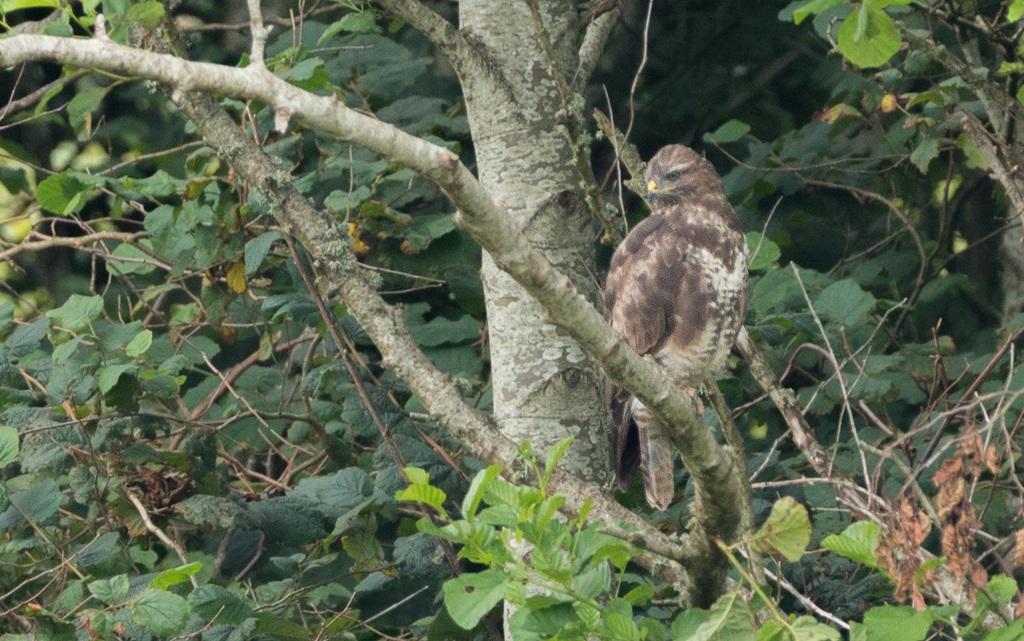
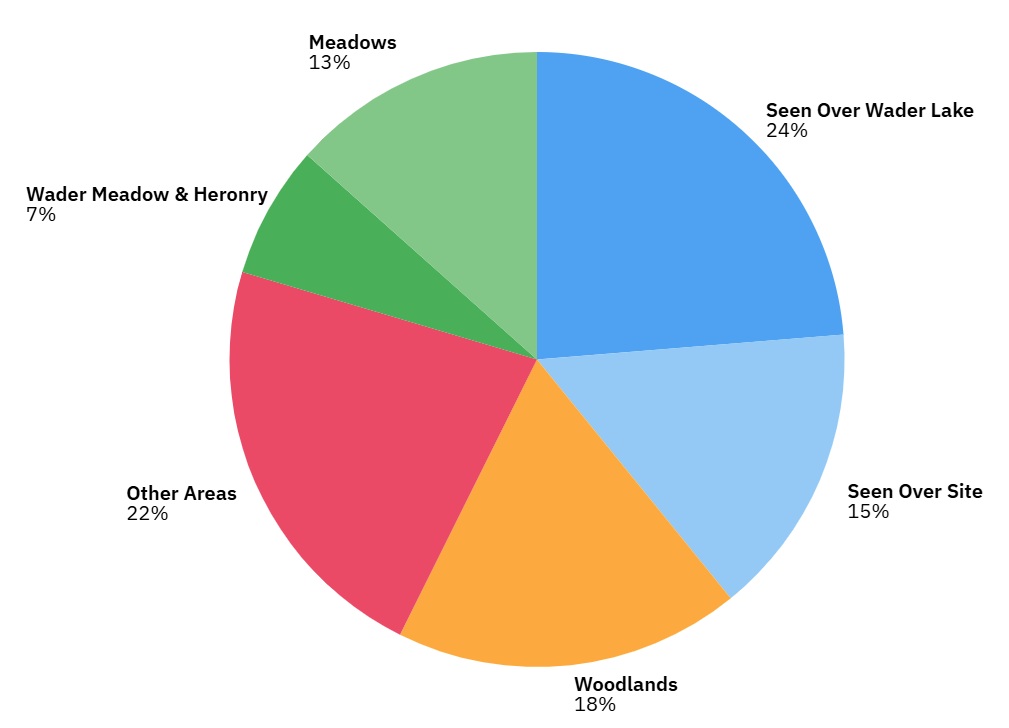
The locations which we see buzzard have changed dramatically across the last few decades, with sightings mostly only being birds spotted circling high up or rarely seen perching on nearby power pylons, we now see them being more active down within the site. Our woods and meadows regularly see buzzard activity - usually perched in a tree, on a nearby fencepost or hunting for invertebrates amongst the grass. Wader Lake and the surrounding area, particularly Wader Lake Meadow and the Heronry now sees plenty of buzzard activity. Back in 2022, buzzard activity around the Wader Lake areas (along with several storms) caused a fair bit of drama for the grey herons. Reserve warden Kate wrote an excellent article about the Heronry at the time – Tales from Heron Hedge – Definitely worth a read if you missed it back then!
The chart below shows the habitats and locations where we’ve seen buzzards across the last 10 years. While most sightings are still predominantly of buzzards flying across or circling over the site, the meadows and woodlands account for 38%. Other Areas sightings include footpaths around Wader Lake and the saline lagoon, feeding stations (particularly at Hawthorn Wood Hide) and both the Amphibian and Dragonfly Ponds.
While birds of prey like the buzzard may not be a wetland bird specifically, its story over the last 200 years is not only a stark reminder of the destructive effect humanity can have on individual species, but also a massive testament to the impact of conservational efforts. Without those changes to law and farming practices -spearheaded by conservation- in the latter half of the 20th century, the buzzard would’ve been well on it’s way to extinction in the United Kingdom. Instead, the buzzard is now the most numerous bird of prey in the country with over 60,000 breeding pairs – and a frequent sight at Washington in September!