The recent passing of our Asian short-clawed otter Musa sparked an outpouring of love and stories about him. It truly lifted all of our spirits at the saddest of times.
With his kind nature, gentlemanly ways and love for his family, he really was a wonderful otter. He had an incredible 17 years with WWT and the timeline of his life is filled with milestones and memorable moments. Read on as we take a look back at some of them…
Musa was born in October 2009 at WWT Martin Mere – WWT Washington's sister site in Lancashire. He was one of a litter of three cubs born to parents Thai and Ned.
Musa's sister Mina moved to an organisation outside of WWT but in June 2011, Musa and his brother Rod made the journey to WWT Washington together, forming the centre’s first otter exhibit.
The siblings were a huge hit with the team when they arrived and visitors loved them just as much. Who could resist their cheeky charm!?
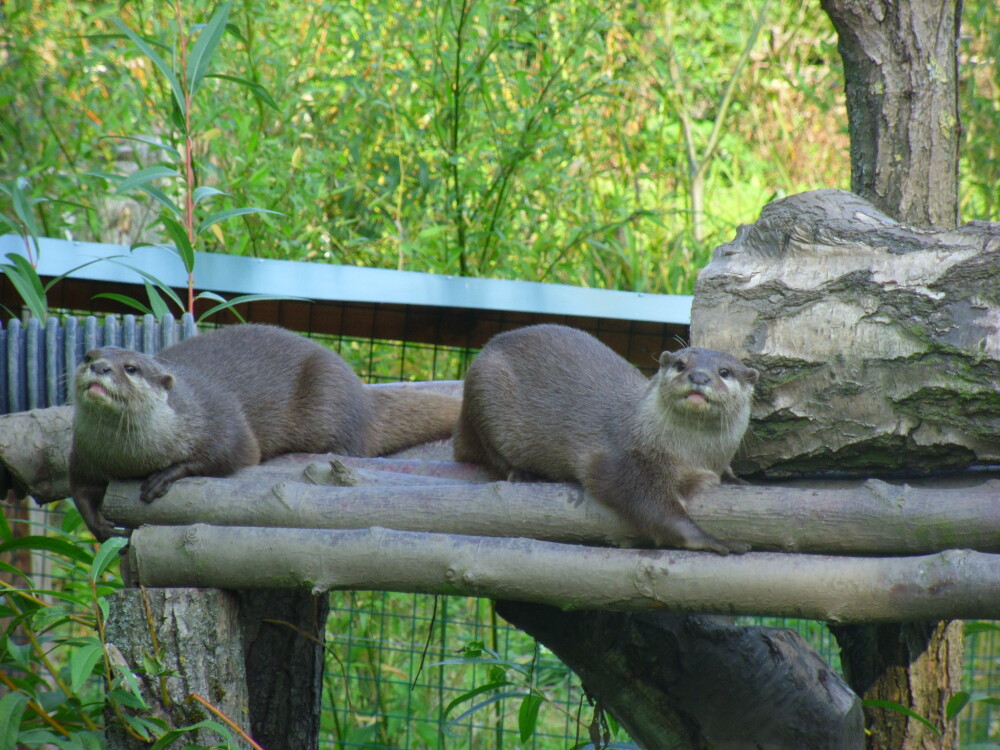
Above: Rod and Musa
They didn't always get on though. In fact, Musa had a missing toe on one of his back feet where Rod bit him! (So yes, while otters appear very cute, this highlights the fact they are still wild animals and must be treated appropriately and with respect).
After settling in over the next year, the decision was made to find mates for the boys.
In keeping with best zoological practice, Asian short-clawed otters are managed by a studbook keeper to ensure there is a good genetic mix within any breeding programme. This means that animals are moved around and matched up with suitable non-related individuals.
And so, in October 2012, fellow Asian short-clawed otter Mimi – then just one year old and born at Chessington World Of Adventures – was introduced to the brothers as a potential partner.
It was pretty much love at first sight between Musa and Mimi and, with her choice clearly made, Rod was moved to WWT London that December.
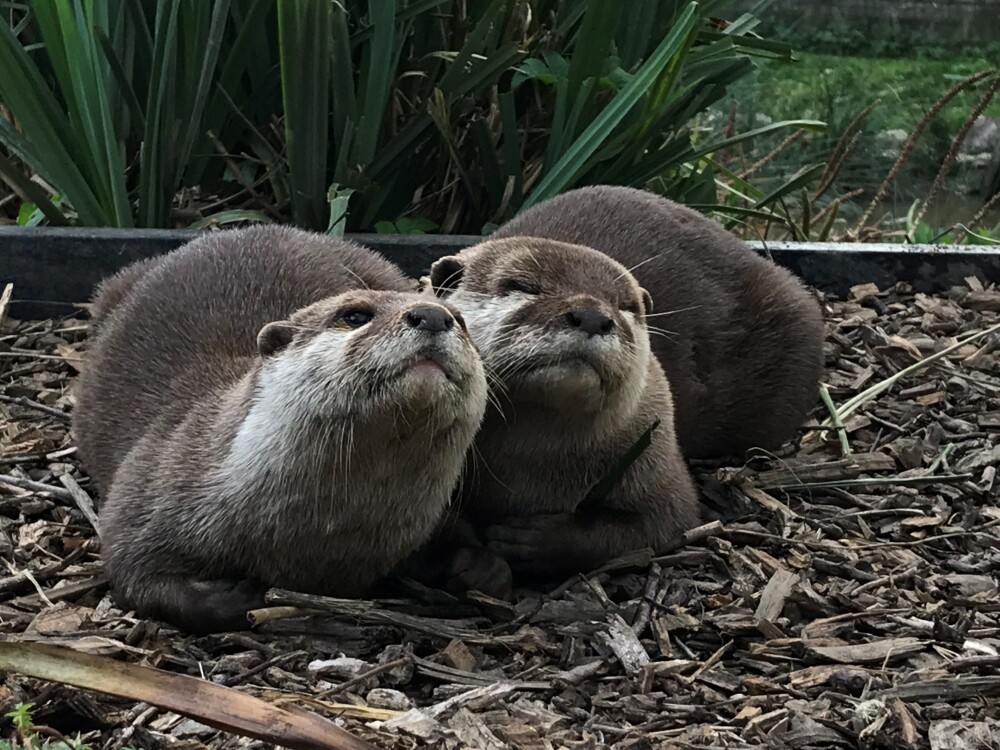
Above: Musa and Mimi
The new couple were inseparable from the start and formed an incredibly close bond, often seen feeding and grooming together. As well as being an absolute gentleman, Musa was also a very generous otter and liked to gift Mimi with food; something he’d continue to do for the rest of their lives together.
On May 22 2015, they became first-time parents after Mimi gave birth to a single female otter cub, affectionately nicknamed "Little Squeak". She was eventually given the name Ruby, in celebration of WWT Washington’s 40th birthday that year, and was a welcome addition to the family.
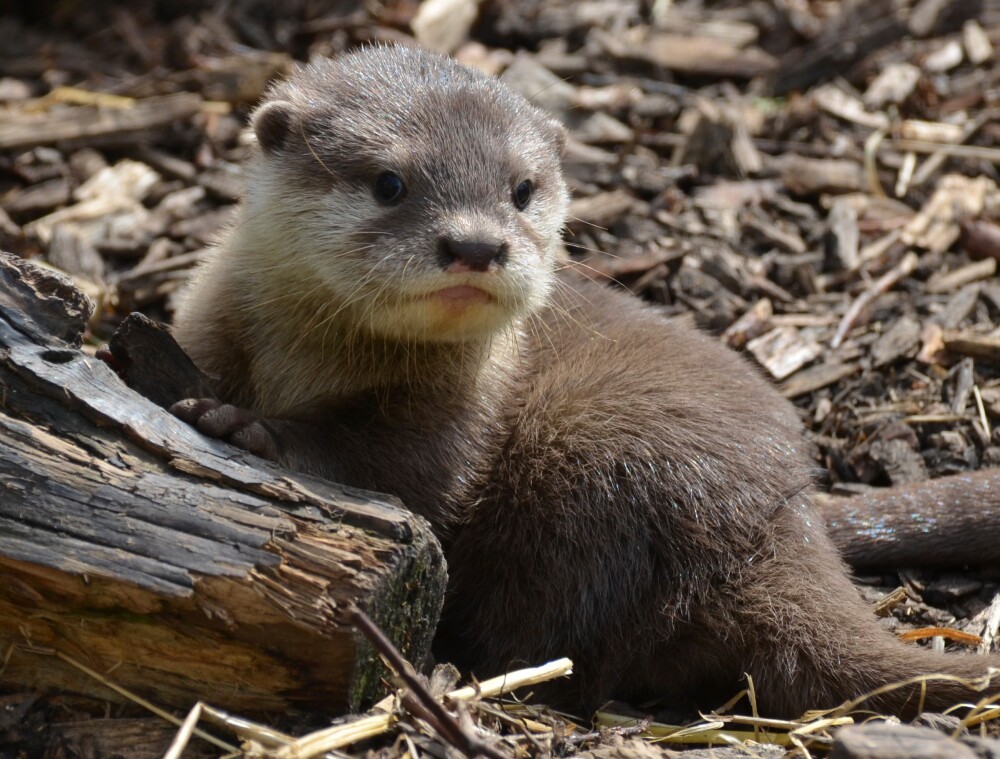
Above: "Little Squeak"
Less than a year later – on March 3 2016 – a further four otter cubs were born. New youngsters Ash, Tod, Pip and Sam were well looked after by their doting parents and big sister, who could often be seen taking food into the holt and removing old bedding, replacing it with fresh straw.

Above: Mimi with Ash, Tod, Pip and Sam
Another year went by and on March 16 2017, Musa and Mimi welcomed Buster, Rita, Irene and Shirley, bringing their total offspring to nine. A very proud moment indeed.
Just a few weeks later, first-born daughter Ruby headed off to a new forever home at Peak Wildlife Park, where she met a partner of her own, Jude. Referred to affectionately with the moniker 'Juby', the pair would go on to make Musa and Mimi grandparents!
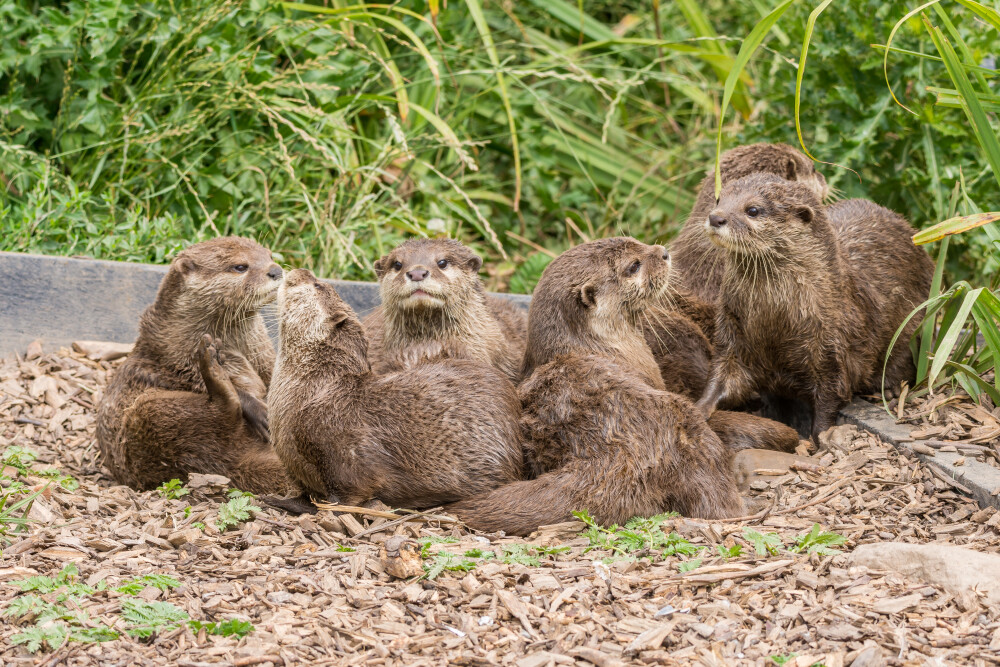
Above: the family group in July 2018
Gradually, the rest of Musa and Mimi’s cubs also left the holt to start their own families across WWT’s other sites and beyond, with all but one remaining – Buster.
It was felt that keeping their youngest son here in a cosy family unit would be best for all and it proved to be a great decision, with visitors and members enjoying watching them grow happily together in the years to follow.
In 2022, Musa celebrated becoming a teenager, with a 13th birthday cake filled with lots of fishy treats. His absolute favourite food though was minced beef, as well as the occasional boiled egg and prawns! Read the story we shared at the time.
Heartache was to come though when, in March 2025, we were devastated to unexpectedly lose Mimi after a short illness.
She was a wonderful and much-loved otter, as well as being incredibly important to conservation. Her contraceptive implant, which allowed her body to rest after her pregnancies, made her a pioneer for her species.
At the time, Buster had been living separately from his parents due to some disagreements with Mimi. But following her death, father and son were reunited once more, in what was a highly emotional moment for both them and us!

Above: Musa and Buster
For the next year, the two lived peacefully side by side, and were often spotted swimming together, rolling in their sand or enjoying a good pebble juggle; something Musa particularly excelled at.
And earlier this month, Musa hit an incredibly important milestone when, on his 17th birthday, he officially became the oldest Asian short-clawed otter across the whole of WWT.
The occasion saw him enjoying a tasty minced beef cake before frolicking happily with Buster in a colourful ball pit gifted to him by his keepers. He then finished off the party in true old man style - with a well-deserved afternoon nap.
It was a brilliant day for all concerned and how lucky we are that its joy is preserved on video because just one week later, following a short age-related illness, Musa sadly passed away.
Those happy, care-free moments – now captured forever in time – serve as a fitting final farewell to Musa and his very well-lived life.
Today, Asian short‑clawed otters are classed as vulnerable on the IUCN Red List. They face constant threats from poaching, illegal trafficking for the pet trade, pollution and habitat loss.
So seeing engaging characters like Musa and Buster up close is an important reminder of why conservation work matters and that their species needs our support. Thank you dear Musa, for helping us tell your story.
While the loss of his dad has undoubtedly been significant, Buster is currently doing as well as can be expected and continues to be closely monitored and supported by his humans. His welfare is our absolute top priority and when he is ready, we will introduce him to a new companion to share the rest of his life with.
Here’s to it being just as long and as happy as his father’s.
Ready to visit?
If you'd like to come and see Buster for yourself, why not visit WWT Washington this winter?