Nature is an amazing thing, but it does sometimes need a bit of a boost.
Nestboxes are a great way to help your local wildlife thrive in spring, so this #NationalNestboxWeek, why not think about introducing a box to your garden?
Britain’s breeding birds are finding suitable nesting space harder to come by for a variety of reasons. Increased woodland management, tree removal, over-tidying green spaces and even modern buildings with fewer nooks and crannies; they can all have a negative impact on birds looking for suitable spaces and shelter to lay their eggs and raise their young.
As a result, there has been a decline in the numbers of many birds that are able to successfully breed, but there is something that you can do to help.
Introduce a nestbox
Bringing a nestbox into your garden or yard can not only help the local populations of a variety of birds, but can also give a big boost to the national numbers and overall success of key bird species.
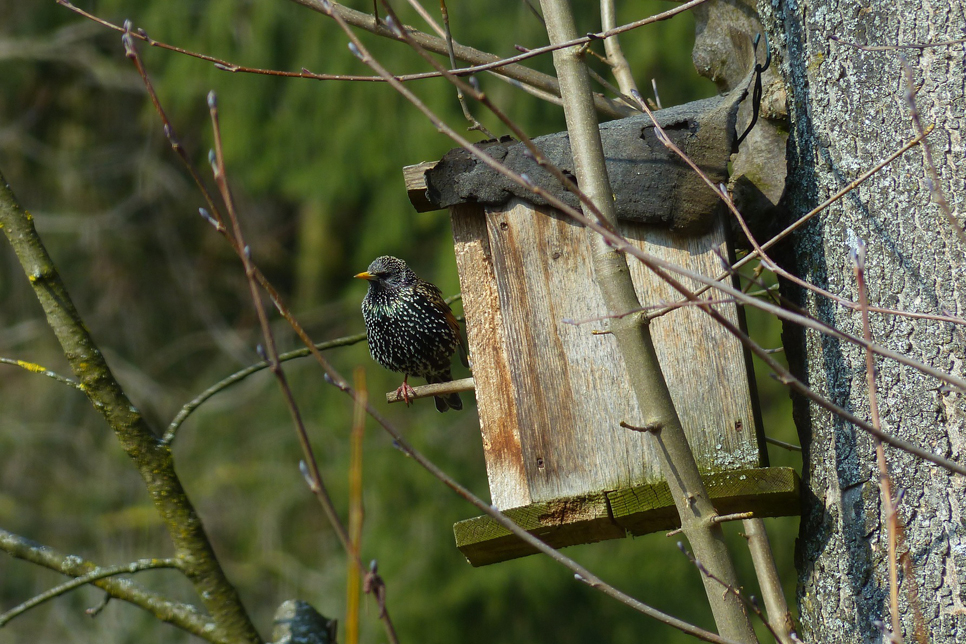
Bird boxes are used by all sorts of birds. Typically species such as blue tit, great tit, house sparrow, wren and starling; but also a variety of larger birds such as stock dove, kestrel and even owls. They can all hugely benefit from the additional protective space of a nestbox.
If there's a key species you’d like to encourage into your garden, do some research on the best box to buy for their needs, while keeping in mind that it also needs to be suitable for your outdoor space.
There's a huge array of boxes made from varying materials all with different openings and sizes that will attract different birds to them. Check out https://www.nestboxweek.com/which-birds-use-nestboxes for some great information about this.
Your nestbox location
Once you’ve decided on the box you’d like to go for, next you need to pick a spot that is suitable to host it. February is a great time to put up a box as many birds are beginning their courtship rituals and will be house-hunting for their family abode.
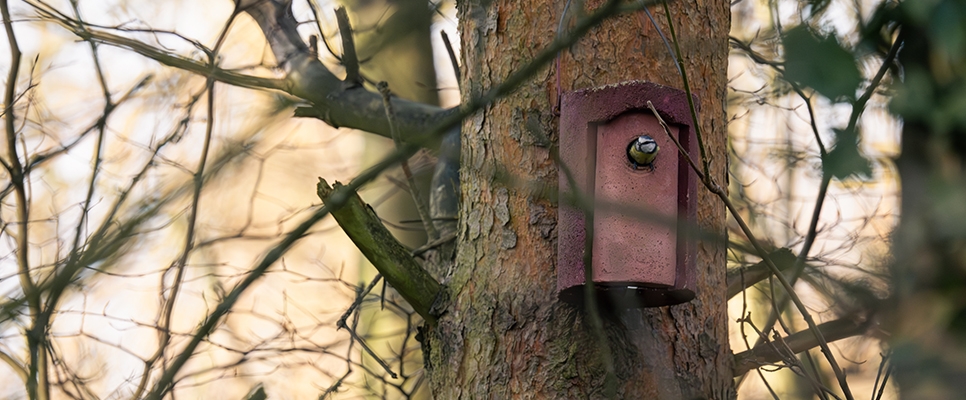
It’s always an exciting prospect to introduce a nestbox in the hopes that a feathered friend will take residence, but you need to make sure it's in a safe place with good conditions. Don’t be tempted to put it up somewhere which gives you the best view from your window – the chances are it won’t be the most suitable place for birds.
Aim for a north-east facing opening. Shaded areas are ideal or if not, try somewhere with some shrubs nearby but not too close so the opening isn’t obstructed. Always put the box in a vertical or even angled slightly forward position to best protect it from the elements, such as rain and strong sunlight. Try not to put them too low to the ground - 1m or above is best. Bear in mind any pets or children that may be in the area and also think about things like squirrels or larger birds (depending what type of box you go for), possibly adding a protective plate.
Lastly, try and place them away from busy areas such as feeding stations and even nearby nestboxes - give them space! The regular noise from passing birds to feeders or even competing breeding pairs in a nearby nestbox could upset birds who are looking to settle.
Other things you can do
Breeding birds need to stay hydrated. By adding a water bath and regularly topping up and cleaning the bath, you can help them find a safe place to drink and bathe, particularly during dry weather spells and hot days.
Another thing you can do once spring hits is to grow flowers and plants which attract insects. These are perfect for feeding a growing feathered family, as well as providing working adult birds with lots of sustenance, providing plenty of foraging and hunting opportunities to stay strong and healthy.
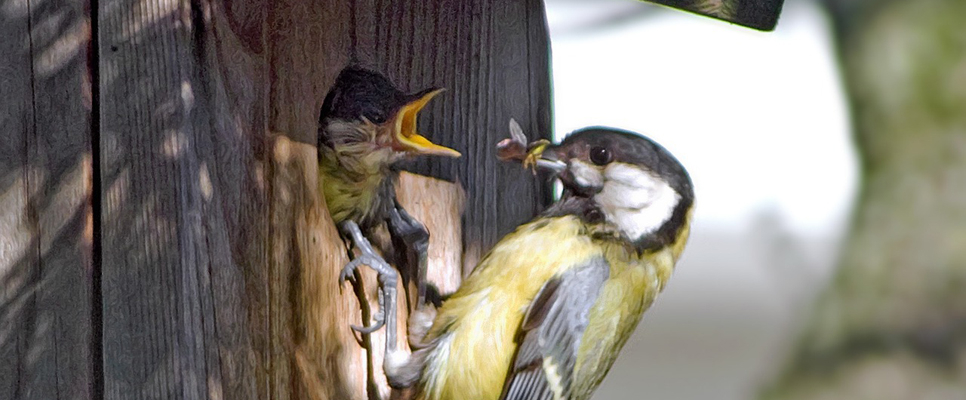
Nestboxes can benefit us too!
Not only do nestboxes offer birds a safe space to breed, they can also help us connect with nature in a new and exciting way which is hugely beneficial for our mental health. Watching birds flitting in our own gardens or back yards can be incredibly rewarding and offer us a chance to relax while giving nature a little helping hand.
For more fantastic information and ideas, visit https://www.nestboxweek.com/
Ready to buy?
We have a small number of nest pockets (suitable for species such as wrens and goldcrests) and other bird care products available to buy in our gift shop, so pop in on your next visit. Plus there's 10% off at the moment! If you’re not able to get to our shop or want to see more of a variety, why not check out our online shop where there are other nestboxes available.
How we help here at WWT Washington
Our reserve team are dedicated to helping our local population of breeding birds thrive. We have a habitat management plan that aims to maintain existing nestbox spaces, while introducing a variety of other boxes for birds such as great tit, blue tit, kestrel and tawny owl. These boxes can be seen all throughout our wild reserve so keep an eye out during your next visit.
As well as traditional nestboxes, our team also increases natural nesting opportunities for key species including willow tit - a fast declining species that is now red-listed. These birds favour nesting space in dead wood; excavating holes in tree stumps and wooden posts. By strategically placing disused tree stumps and other dead wood around site, we encourage these birds to find a suitable space, while drilling small holes helps give them a head start in their breeding efforts.
Ready to visit?
If you've been inspired to explore Washington Wetland Centre this spring, find out more and plan your visit online.