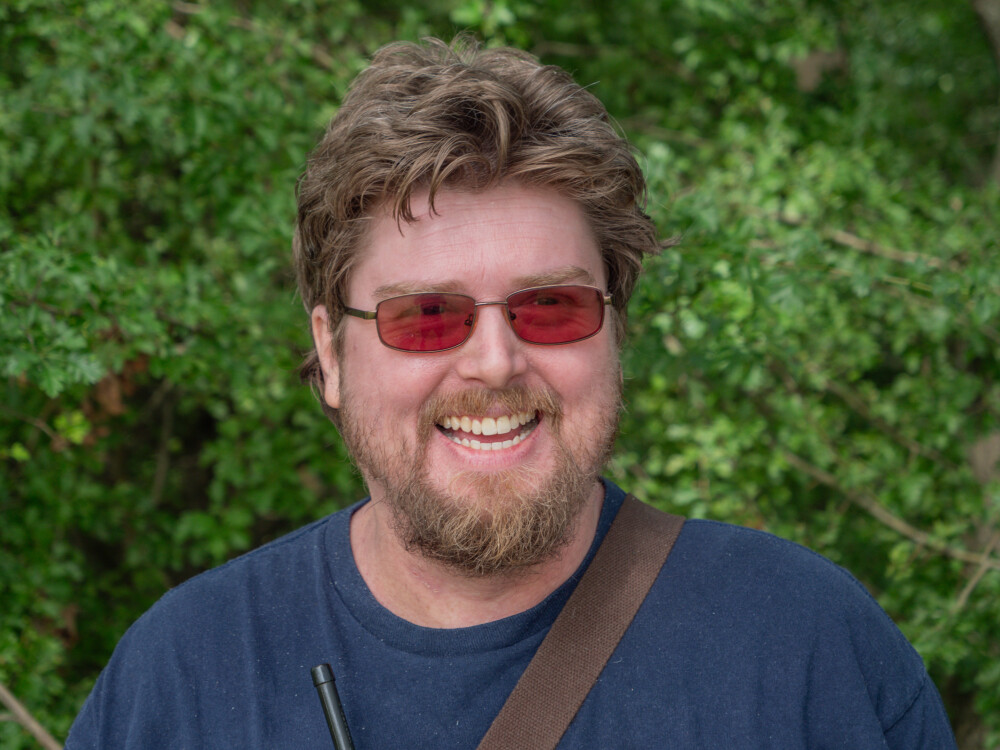
Some volunteer roles at WWT Washington involve working with visitors, helping with school activities or being outdoors on the reserve - jobs that are easily observed in action.
But behind-the-scenes, one of our key roles quietly plays out without anybody seeing it happen. Its results however, are incredibly important to us all.
Meet Adam Conway, WWT Washington's Data Entry volunteer. It's thanks to Adam that the reams of information collected about our site - from daily wildlife sightings to annual surveys to historical trends - is properly collated, easily accessible and able to inform our future working. Truly invaluable stuff.
And if you love our monthly Data Dive blogs and the fascinating stories they contain, well, they're down to him too!
Read on to learn more about Adam and the amazing things he does for us...
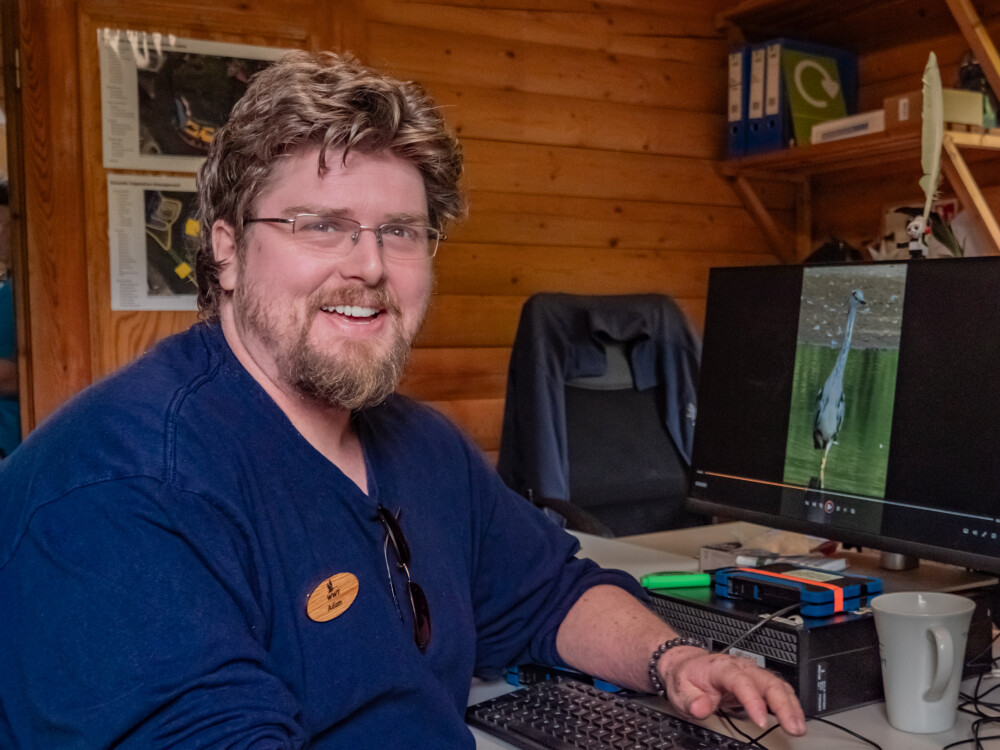
Hi Adam. Thanks for talking to us and giving us some insight into your role. First things first - how long have you volunteered for WWT Washington?
I started here in the autumn of 2024, helping with the entry of data for the reserve team.
And what does your data entry role entail?
Okay, so I know this will probably sound incredibly dull and tedious, but essentially the role started as manually entering data from a paper sheet onto a computer.
However, considering what the data actually is – daily sightings records and volunteer wildlife surveys containing the data of all recorded wildlife here at WWT Washington – it is incredibly interesting!
Logging the records of what wild birds, mammals, amphibians, plants and fungi have been noted is an amazingly compelling undertaking.
Also – considering I arrived here with an embarrassingly low knowledge of birds – not only was I cataloguing the nature seen on site but also learning about them, asking questions and discovering the intricacies of life amongst the wild and wetland birds.
Fairly early on in my time here, I feel the reserve team realised I was pretty computer savvy (I worked as a web developer in the past) and asked if I would like to start collating specific data from our extensive records for specific purposes.
My first project was to create a heatmap that highlighted the sand martin nesting season for our brand-new sand martin nest bank; showing which nest boxes were favoured across the season using the data from surveys performed by visitors to the site.
After that, my role has slowly changed to become more of a mix between the raw data entry and creating graphs, charts and maps from the data to help the reserve team with various tasks or reports.
But the main focus of my time here, alongside the data entry, became to build computer tools to help expedite the computer-based duties of the reserve team.
As an example of one of these tools: data was arriving from different sources – from the daily sightings logs to volunteer recordings – and it all needed to be consolidated into one location.
Data across these logs and recordings were not uniform however, so things like grammar, names of animals and locations across the site were not identical.
We found that we couldn’t just copy and paste the data straight over because the system wouldn’t allow, for example, “Pink-footed goose” to be input, instead it had to be recorded as “Pink footed goose”. What one person called “Saline Lagoon Meadow”, another would call “Saline Meadow”, or “Lagoon Meadow”, but these all referred to the same location, which had to be entered a specific way.
The system at the time was very rigid and all entries had to be exact. Manually editing each line of the data across all the records was incredibly laborious; we had several years of data to work through and were barely covering any ground.
Instead, I created a tool which would automate this process, taking the raw unedited data and changing the spelling, grammar, location names etc. to match what the system wanted.
We’d only have to tell it what to change once and it would remember; automatically changing that in the future when we used it again. It would learn over time and become more efficient, the more changes that it corrected.
Now, we barely have to tell it to change anything, as it corrects and formats most things automatically from memory. So what would’ve taken us an hour or so in the past can now be completed in a few minutes.
While the role initially started with pure data entry, it has definitely evolved over time to incorporate more data analysis, data infographic production and general computer wizardry. It’s all incredibly engaging and enjoyable.
What inspired you to become involved in volunteering here?
While trying to keep this as light as possible, I suffer from social anxiety and after a major loss in my family in my late twenties, found myself in a lonely depression.
I figured that having an interesting task to keep my mind busy and an opportunity to meet people and make friends would probably be a sensible goal to aim for.
So I began looking for volunteering positions that were more computer based rather than, for example, front of house staff or catering, where my social anxiety would probably have been too overwhelming for me to be of much use. That was when I saw the Data Entry volunteer position here at WWT Washington being advertised.
Despite not having the in-depth knowledge of wildlife that the incredible people who both work at and visit the site have, I’ve always enjoyed spending time in nature; usually just relaxing in my garden watching small birds or taking a walk along the beach or in the woods with my dogs.
I also have fond memories of looking through wildlife books in my childhood and remember visiting WWT Washington on several school trips. I even had my 9th birthday party here.
I was confident I could do the work that they were asking for and, while not entirely confident my mental health was up for it – but with a borderline unhealthy amount of anti-anxiety medication in my bloodstream – I applied and was offered the role.
What are the most rewarding aspects of your volunteer role?
Feeling like I’m being useful is probably the most rewarding aspect. Having some sort of purpose and being able to use my skills to help the reserve team achieve their tasks.
It’s also very rewarding seeing how much time has been saved whenever we use one of the tools I’ve created. Every time we compile a full month of data and have it all squared away and organised is also quite a fulfilling moment too.
Volunteering here has also been a major driving force in overcoming and controlling the majority of my mental health problems - which has been fantastic. I’ve grown in confidence and am now capable of doing fairly mundane things that I genuinely struggled with (or completely avoided) in the past.
What kind of training/experience or education is required to become a volunteer recorder with the reserve team?
A knowledge of wildlife would certainly be a boon I’d wager (the reserve team have spent far too long trying to teach me about birds) and being somewhat computer literate wouldn’t hurt either.
Having said that, considering how brilliant the reserve team have been at explaining what to do and how to do it, I feel that you could probably rock up with little more than a can-do attitude and an eagerness to learn and still be able to help out with data entry.
What advice would you give to someone aspiring to volunteer with WWT?
Jump at the opportunity and throw yourself into it. Not only is it a fantastic place to work (we get free entry and can go watch otters!), but the people here are phenomenal. Everyone is so incredibly kind and supportive, it’s a wonderful place filled with wonderful people!
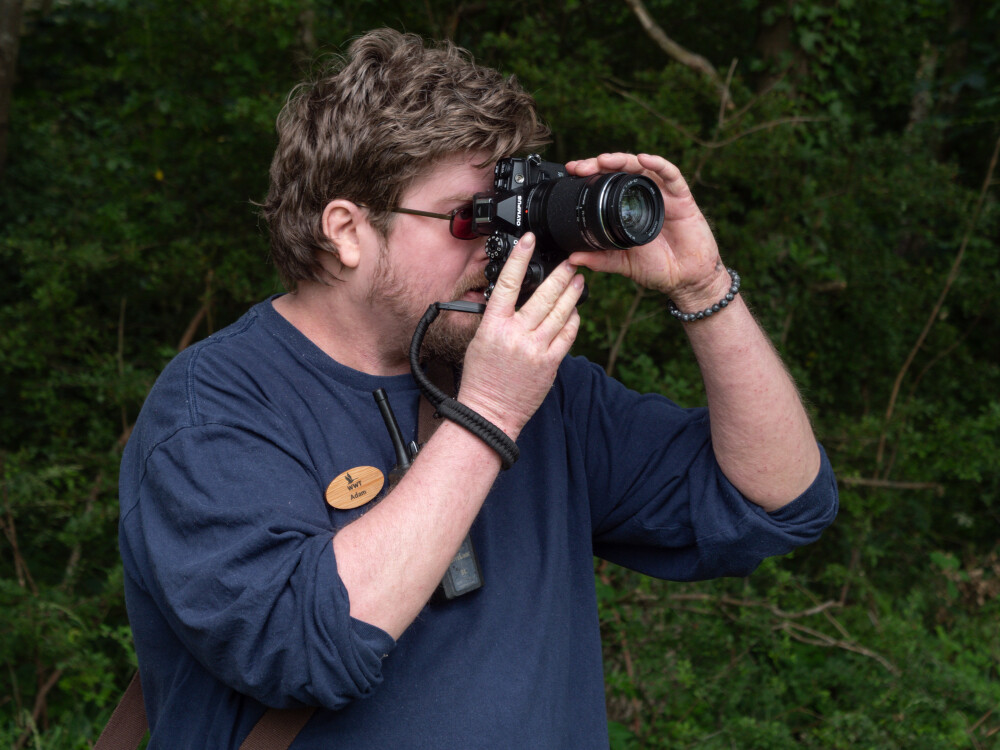
You recently crossed over and did some work in our marketing team for a while alongside your volunteer work in the reserve. Can you tell us a little more about that?
During my time volunteering I was learning more about all the animals on site, particularly out on the reserve, and the more I asked about curious things I’d found in the data, the more interesting stories I discovered.
Working in the marketing team gave me the opportunity to share these stories, such as interesting findings from the data or remarkable records – like the 0.1% of global curlew population we had on site or the curious May data surrounding the redshank.
Using the data from the reserve team to build monthly Data Dive blogs for the website has been an amazing project. From researching which animals to talk about, building the graphs and charts and selecting photographs to use and then actually writing the articles; it’s been great fun.
It also made me realise just how connected the different departments here are. All working together to keep the place running smoothly and share it with the public, whether through organised events, educational visits, online media or simply talking with visitors and mentioning what’s been happening.
It has been refreshing to see the site from a different side (figuratively and literally - the offices are on opposite sides of the main building). And seeing how information coming from different departments was used by the marketing team was fascinating.
Was there anything that surprised you about working in a different department here or any unexpected benefits?
Working in marketing let me be more present amongst the wider team. Considering the volunteer role is one or two half-days a week, I am mostly hidden in an office somewhere, quietly beavering away on a project for my data entry role and then gone before lunch. But with the marketing role I was around the site a lot more and got the opportunity to see more of the wider team.
Working with different members of staff in a different office was also a wonderful experience. I do genuinely miss having a valid reason for spending time around them - without simply being a momentary distraction when I pass by that office.
If you could swap roles for one day with another volunteer role, what would it be and why?
Oh gosh, how do I pick?
Having worked in the marketing department while writing articles I also got the opportunity to look through the wonderful pictures our volunteer photographers have taken and it always filled me with a little envy – it’s one thing getting to see the pictures sure, but being out walking the site and taking them, I imagine that’s incredibly rewarding! So potentially a day of photography?
Or maybe I could venture completely out of my comfort zone and see what chaos I’d end up causing while working trading in the shop or catering in the cafe - juggling people skills, engaging with visitors, working the till… Crikey, I doubt I’d survive a single day.
But considering I’ve also worked as a woodworker in the past, I feel like I could probably be the most use (outside of an office) in maybe a maintenance or groundskeeping role – building fences, repairing gates, putting up event signs across the site etc. So yeah, probably that, I’ll fix fences and build goose houses for a day!
Do you have a favourite animal on site?
I suppose I could be somewhat cheeky and pick my actual favourite animal, the seal. Any species of seal will do - I adore them all - and because I have access to all the data, I can say that we have had seals visit the site. Well, they’ve visited the river that runs alongside us. Last year, there were 3 days when we had common (harbour) seals and grey seals spotted here!
But I understand that seems like too much of an easy win and perhaps not in the spirit of the question (similar to someone picking dogs because they see them being walked along the path beside the site). I should be picking something that has been around for more than just 3 days of the year and is, you know, some-what wildfowly and/or wetlandy. Something more fitting to the site – and it’s not like there’s not enough choice – over the last 10 years we’ve recorded 159 different species of birds alone – and that’s not including our fantastic collection birds - as well as wild mammals and amphibians!
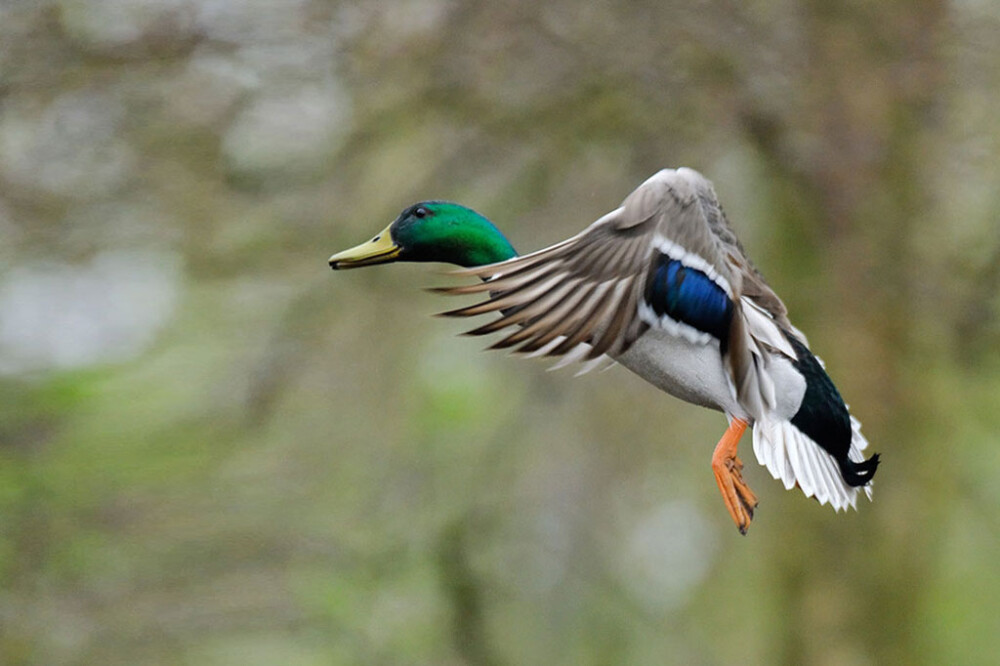
So, out of the plethora of nature here on site (and fighting the almost unbearable urge to pick our gorgeous Asian short-clawed otters), I will pick the mallard as my favourite animal on site.
I know – it’s probably a fairly lame choice given the competition, but there’s something about them that I find so endearing. I love the way they seem to be everywhere and laze around the place with an unintentional arrogance, fully aware that you’re walking along the path towards them yet still acting affronted when they finally must move from their asphalt mattress.
I love how they can appear so unexpectedly too. You can be exploring the woodlands when a sudden rustling nearby draws your attention – and from beneath the trees appears a random mallard, waddling out from the undergrowth like a lost loaf of bread with feet.
I mean, it’s difficult to not feel affection for a somewhat clumsy looking bird with a seemingly constant vacant expression, that flies with its neck stretched out like a professional sprinter - desperate to be the first across a finishing line.
What’s the best spot-on site to you? (great views, relaxing vibe, or just a good place to spot something interesting)
I think probably the patch around Filter Reedbed and Hollowood. There’s an area just inside Hollowood which looks out across the reeds and it feels like a very unique place, where the woodland goes right up to the water and transitions to reeds.
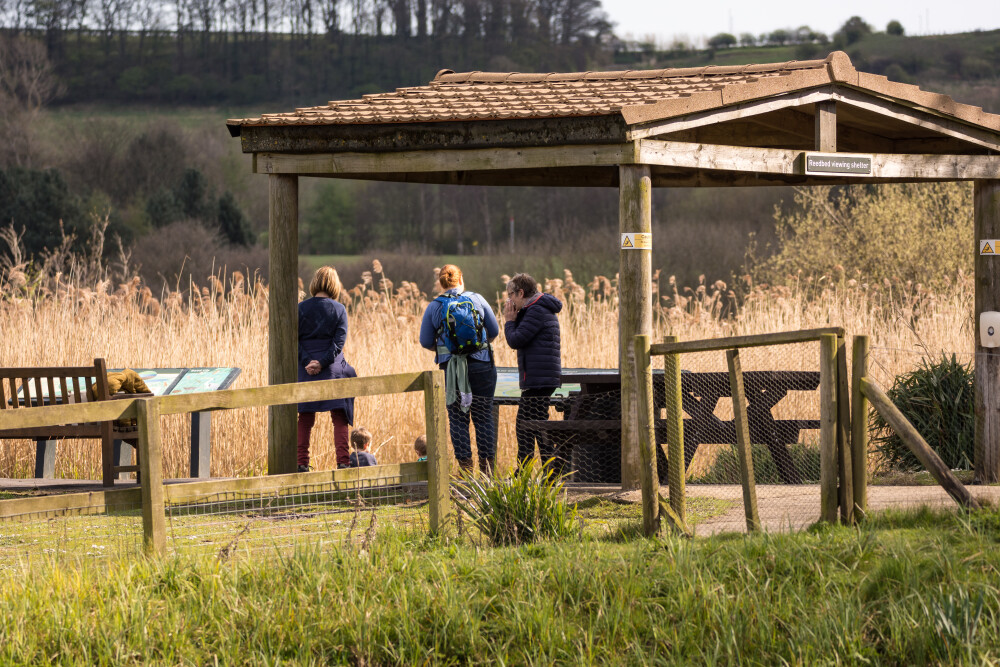
Also, just before you enter Hollowood there’s a seating area beside the Reedbed, which is a great spot for just chilling out in nature. It has a roof too, so even if it’s raining you can still get some fresh air and take in the view.
There’s also a poignant comfort to take from being so close to the remembrance garden, the place where we have plaques and epitaphs of people who have sadly passed away, but that WWT Washington meant a great deal to – and that meant a great deal to WWT Washington. Knowing how well cared for both the site and the animals here are… something just feels right anytime I see their names.
Finally, and you can be completely honest about this, of the reserve and marketing offices, which is the best to work in!?
Ha! Okay, that’s risky business asking such a loaded question…
The reserve office will always hold a special place in my heart. From the over-stacked shelves of wildlife books, boxes of dried owl pellets and of course the vast collection of folders containing the historic wildlife logs, to the random stuff strewn across the desktop - trail cameras, gloves, jars of frogspawn - everywhere you look there’s a story to be told. Not to mention the fantastic people that work there, that took me under their wings and taught me so much.
The marketing office has a lot going for it too though - never quite knowing when Gill the Centre Manager was going to burst into song was a thrilling experience. And getting to hang out with Leanne and help with the social media was great fun. It’s warmer too - you guys are not constantly going in and out of doors, letting the cold in!
Ultimately though, I never really minded which office I worked from; as long as I was around the wonderful people that make visiting, volunteering and working here such a fantastic experience!
Dang, what a boringly safe and diplomatic answer… :-)
Ready to visit?
If you'd like to come and see the amazing animals and habitats that Adam mentions for yourself, why not visit WWT Washington this autumn?