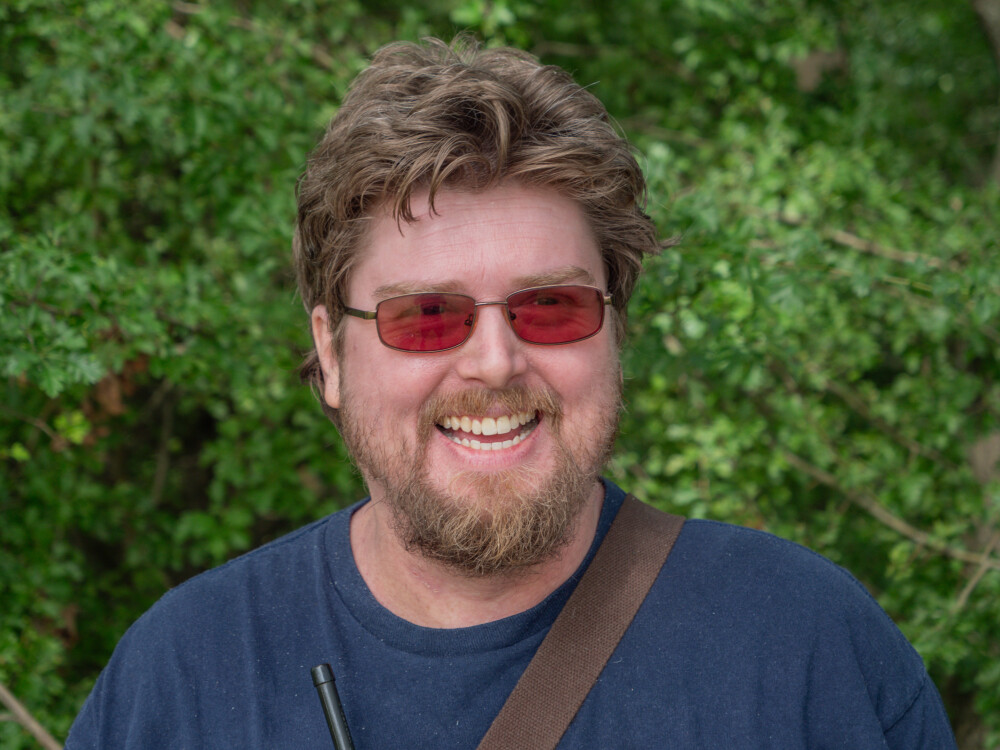
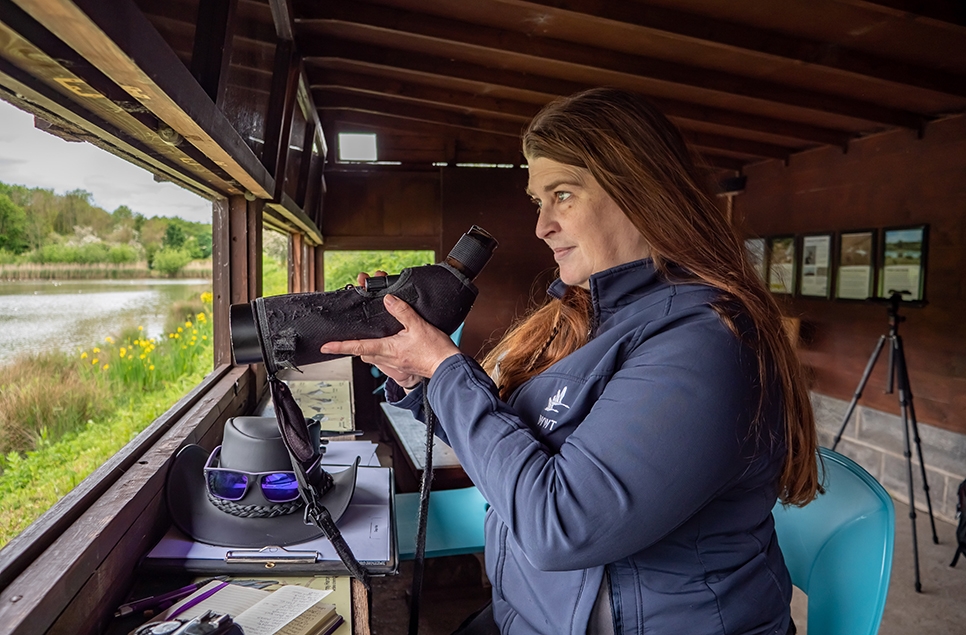
With almost 15 years of volunteering for WWT Washington under her belt, Melissa Young has become an integral part of our wetland family.
From habitat management, to surveying, to public events – she’s helped us with it all!
Read her blog to see what she gets up to during her time here as our biodiversity volunteer and keep an eye on our event pages for the walks and hide sessions that she’s running over the summer and beyond.
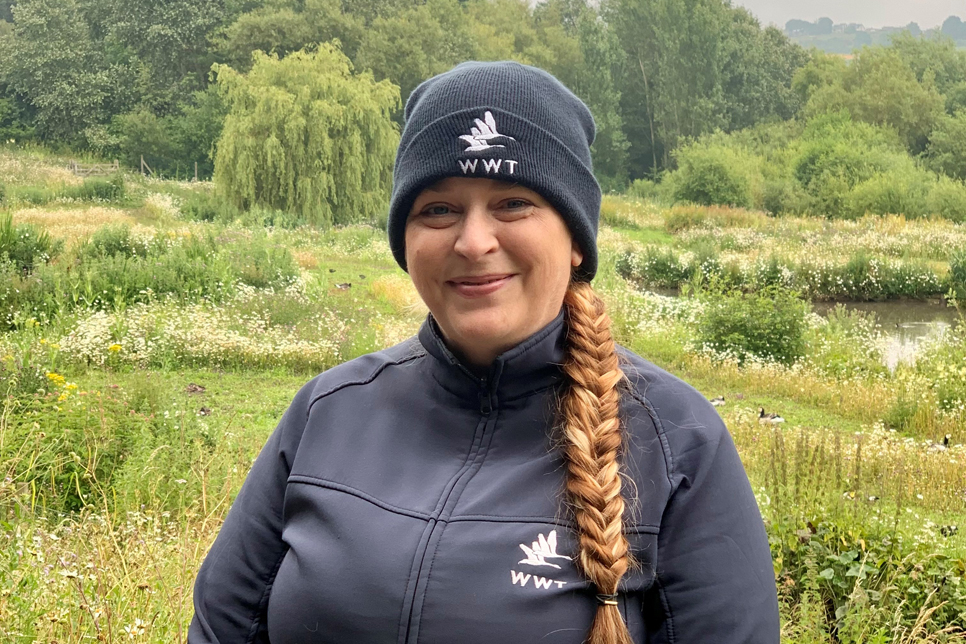
Hi Melissa. Thanks for talking to us about your role at WWT Washington. To start, how long have you been volunteering here and what inspired you to become a volunteer in the first place?
I first started volunteering in 2012, with what was then the ‘Sunday Gang’. We met on the first Sunday of every month to do practical tasks around the reserve, such as strimming to help with reserve management. After about a year of that I asked if I could become more involved with survey work and act as a guide in the hide, and that’s what I’ve been doing ever since!
I’ve always had a passion for wildlife having grown up in a farming family on Salisbury Plain. My earliest memories revolve around playing in chalk streams looking for bullheads and crayfish or wandering over the fields listening to skylarks and being taught all the plant names by my grandparents.
I wanted to work with animals, so did a degree in animal psychology to move into enrichment work at zoos, a plan scuppered when I discovered I was allergic to rodents. Instead, I became a marketer and used my free time to visit lots of reserves as well as joining the local bat, badger, botany and bird groups to satisfy my never ending thirst for knowledge (otherwise known as nosiness) as it frustrated me not knowing what things were called or why they were acting in the way they did.
Over time, I found myself teaching others the things I knew, and I found this helped me learn more myself as the questions people asked me trigged thoughts and questions of my own. That’s why combining biodiversity surveys and guide in the hide at Washington is such a great opportunity for me – I can carry out studies into the nature on site and learn more with inspiration from visitor questions and interests.
What does your volunteering role entail?
I usually volunteer once a week and my role can be quite varied.
On the 1st and 3rd Saturday of each month I aim to help our visitors through Guide in the Hide. This entails spending time in hides around the site or just speaking to visitors as I move between the hides, answering questions, pointing out something that might be unusual and helping them develop their own passion for wildlife. That’s one of the bits I love the most – seeing people’s enjoyment at discovering something new or seeing something they’ve always wanted to for the very first time.
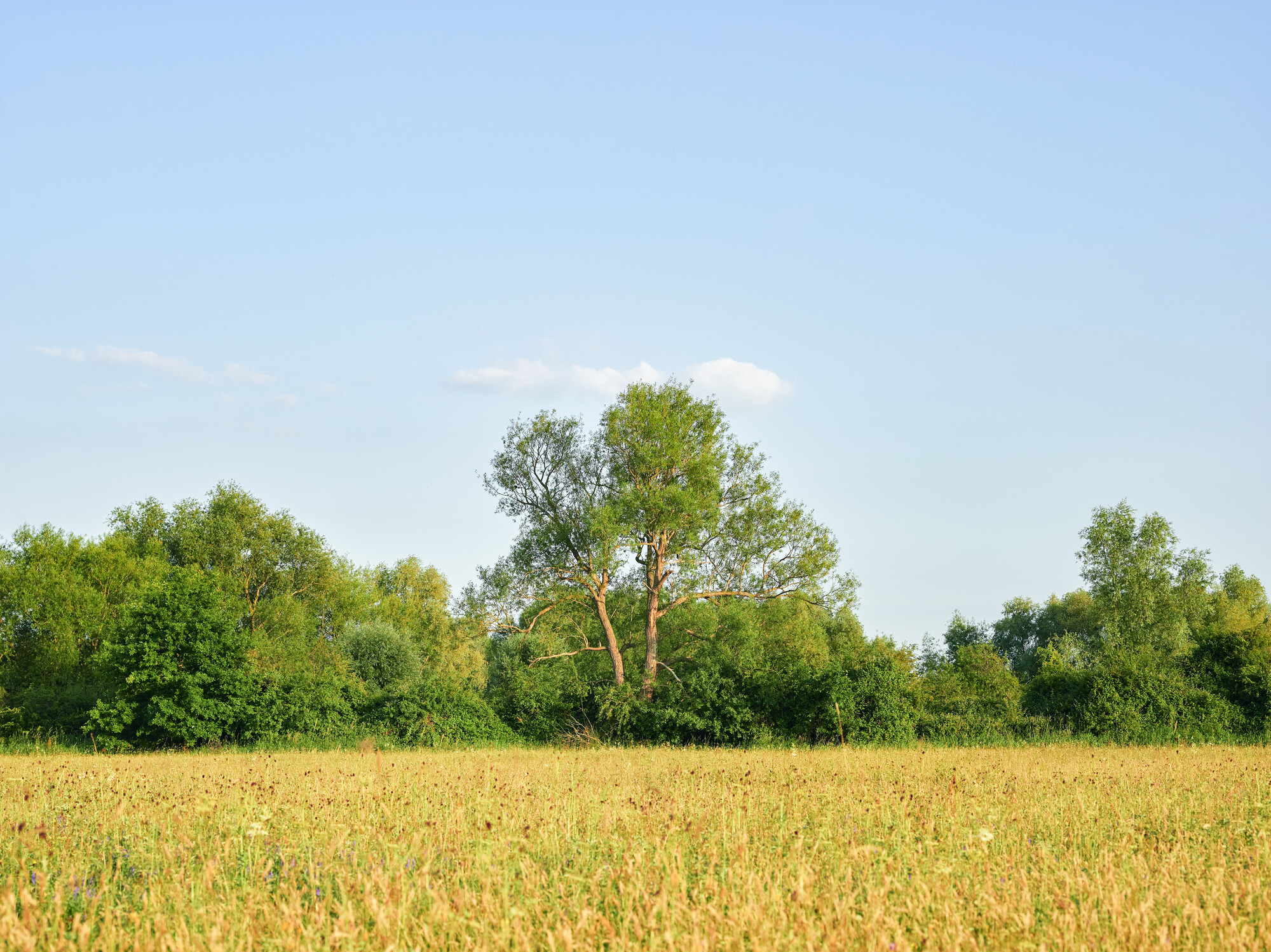
I also record the wildlife on site - counting birds from the hides, recording everything from inverts and fungus to mammal tracks and signs around the site. When I’m not acting as a guide I can be found carrying out survey work such as bat box checks (I’m a class 2 licence holder), newt surveys, fungus surveys, small mammal surveys and heronry counts. I also get involved with wild walks, either leading groups around the site or assisting our wonderful rangers with their walks. (Below: Top Meadow, which features in Melissa's grassland walk).
Can you describe a typical day for you as biodiversity volunteer?
I arrive early and get myself set up with my survey equipment for the day. I’m noting and recording stuff from the moment I get out of the car, looking at the plants in flower, the bees and butterflies feeding on those, and the birds singing overhead.
I’ll then check in with the team so I know what is around, what’s different and what has been spotted that may be of interest to visitors. The rest of the day is spent out in the grounds counting the species of interest that day. That evening I’ll do that data part, updating spreadsheets and creating maps which our awesome data volunteers then upload and use to create an overall picture of the site, showing which species are doing well, which need more help and how things are changing over time.
What’s the most rewarding part of your role?
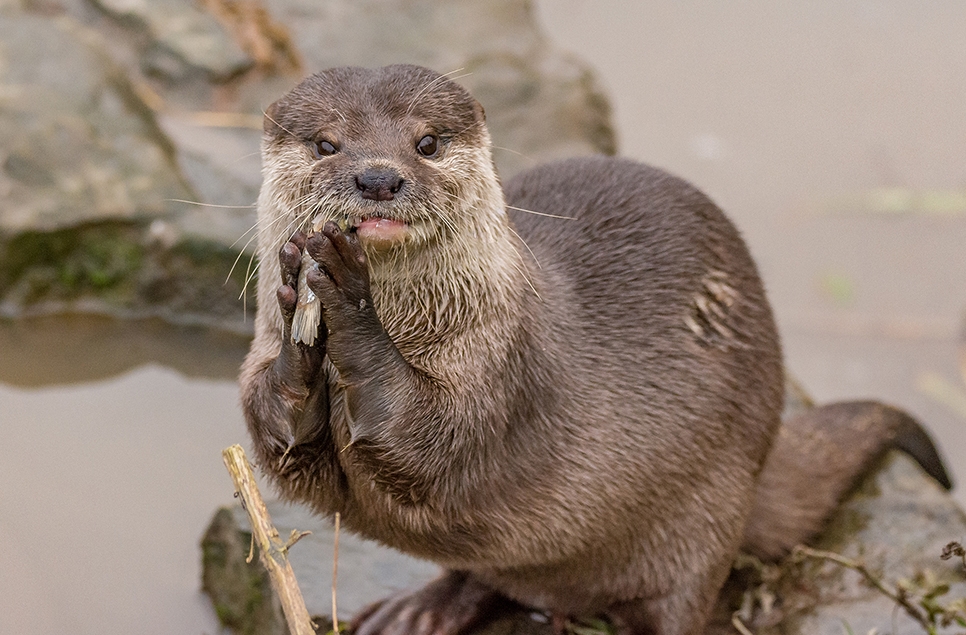
Aside from being out in nature, which is something I love, it is seeing the wonder spark in our visitors. There’s something so special about seeing something for the first time, but when you’ve been doing surveys as long as I have, those firsts get fewer and farther between. That’s why I love seeing other people’s joy at their first sight of a wild otter, a rare plant, the flash of a newts’ tail in the pond or a bat flying overhead. Their joy makes me happy and hopefully I’ll have helped inspire someone new to develop their own passion for nature. After all, if everyone just did one little thing for wildlife each day the world would be a much more awesome place.
If you could swap roles for one day with another WWT Washington team member, who would it be and why?
I love my role so this is a tough question. I’m literally living my best life each time I’m in and there’s not much I’d change apart from the cold winds and heavy rain every now and then – but even that makes you appreciate the sunny days more!
If I did do a swap for the day I’d probably want to do something still outside but more hands on – so working with the grounds and maintenance team. I’m sure I’d learn some great tips for DIY tasks, which is always helpful, and maybe get inspired to start making my own animal houses and camera boxes etc., which I don’t currently have the confidence in my woodworking skills to do.
Do you have a favourite species on WWT Washington’s reserve and why?
Again, this is one I’ve thought long and hard about and I can’t pick a favourite. So, I’ll give you a top 3, and even that is hard!
- Bats – amazing little fur balls that eat 3,000 midges a night and have some mind boggling adaptations for such tiny creatures. They are what got me started down the road to ecology and there’s so much more to learn about them. I don’t think I’d ever get bored of them.
- Dog’s Mercury – a really understated little plant that most people overlook, but it’s the sign of spring that I always look for. Once I see that I know the sunny days are not too far away.
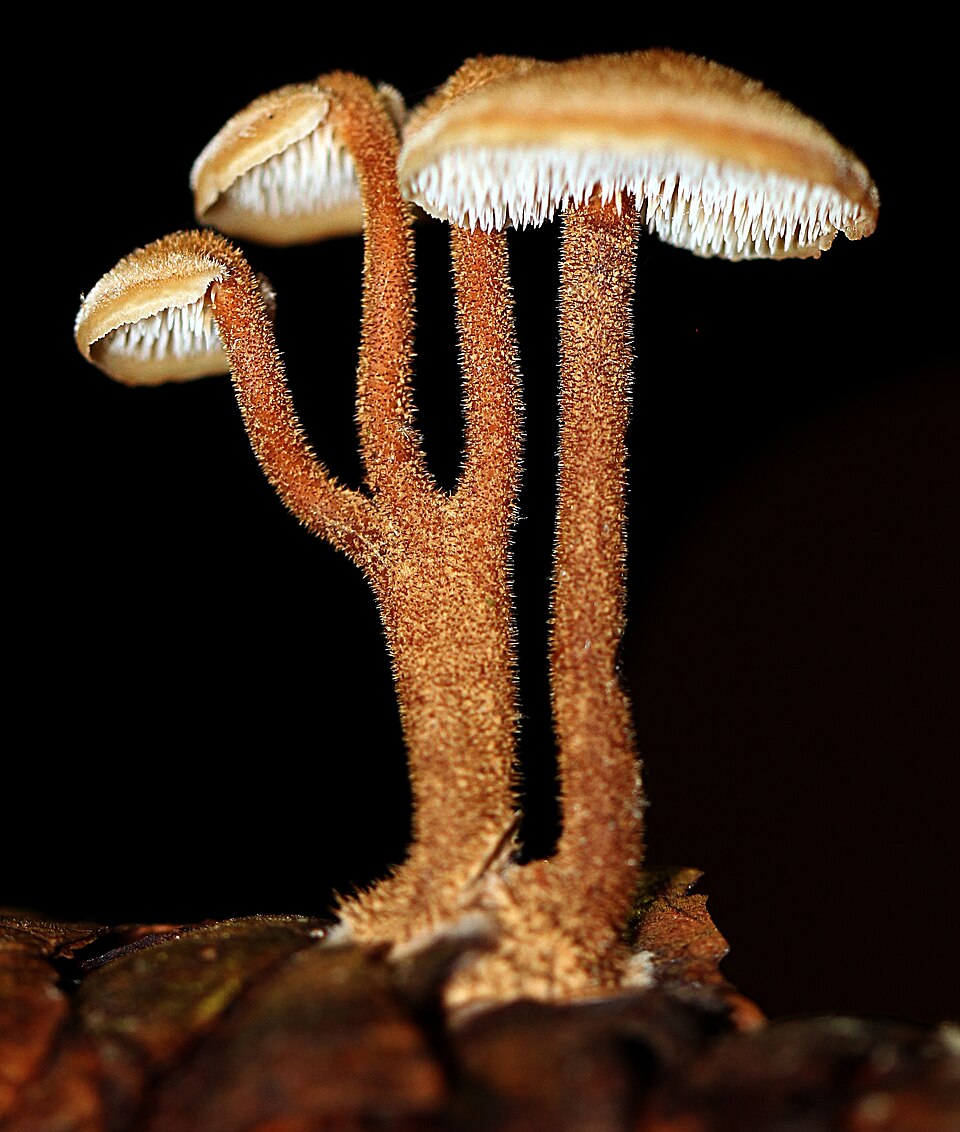
- Ear Pick Fungus – This little dude grows on pine cones and I’ve only found it on site once, but it made my millennium. It’s so odd looking and so small that seeing it is a real treat. (File pic below. Credit Alan Rockefeller via Wikipedia).
Where’s your favourite location on site and why?
Hawthorn Wood – it’s the best bird hide in England. I would say the UK, but there’s one in Scotland in a bar that serves cake and has pine martens and red squirrels so sorry Washington, but you’re still my favourite.
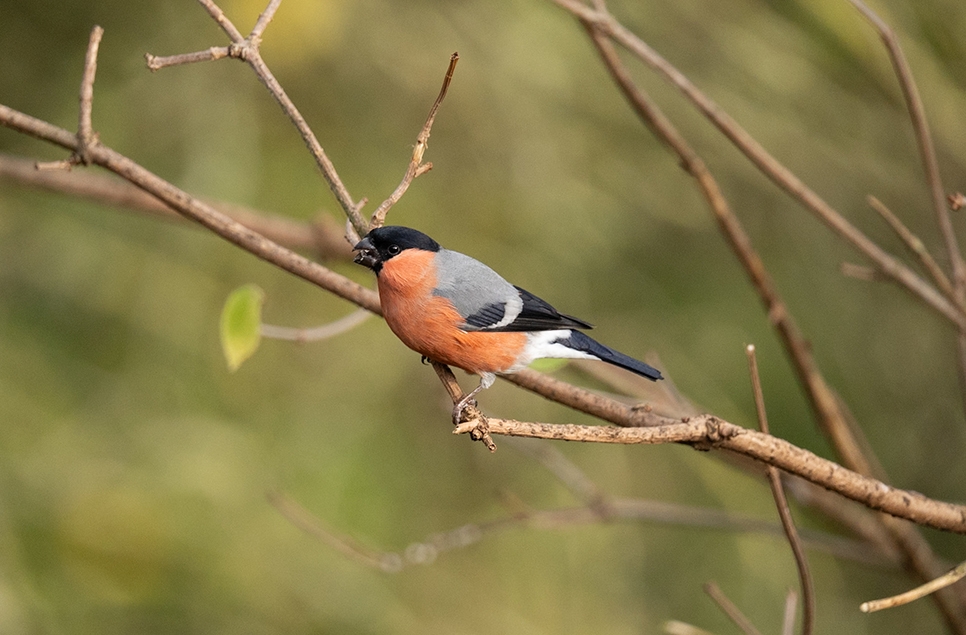
There is always something happening at Hawthorn Wood, even during the quieter summer period when the birds are away nesting. At the time of writing this (in April) I’ve recently seen sparrowhawk, a weasel, willow tits, bank voles, cheeky squirrels and a bevy of bullfinches. (Below: a bullfinch at Hawthorn Wood).
It’s also the place where wildlife can really engage visitors, whether you’re just starting out on your bird watching journey or are a seasoned professional. As it is so well visited, the birds are used to people coming in and out, bumping around and talking. This makes it a great place for kids too, as there is no requirement to be silent and still. Now we’ve got cushions there I find it hard to tear myself away sometimes!
Do you have any advice for someone hoping to get into volunteering at a nature reserve?
Volunteering is one of the most rewarding things I’ve done, and the team of staff and volunteers at WWT Washington are like a family to me now – so I’d thoroughly recommend the experience to anyone.
If you’re not sure what you want to do, start with a group activity such as maintenance. You’ll soon find the right mix of activities for you, whether that’s carrying out vital tasks in the background through cleaning or maintenance, to being more public facing with a role on the front desk or in the collection carrying out talks.
The great thing about WWT is that there are so many different volunteering opportunities and everyone is so welcoming and accommodating, allowing you to bring your own unique skills and abilities to make the organisation a better place for visitors, animals and wildlife all round.
Ready to visit?
If you'd like to come and see the amazing animals and habitats that Melissa mentions for yourself, why not visit WWT Washington this summer?