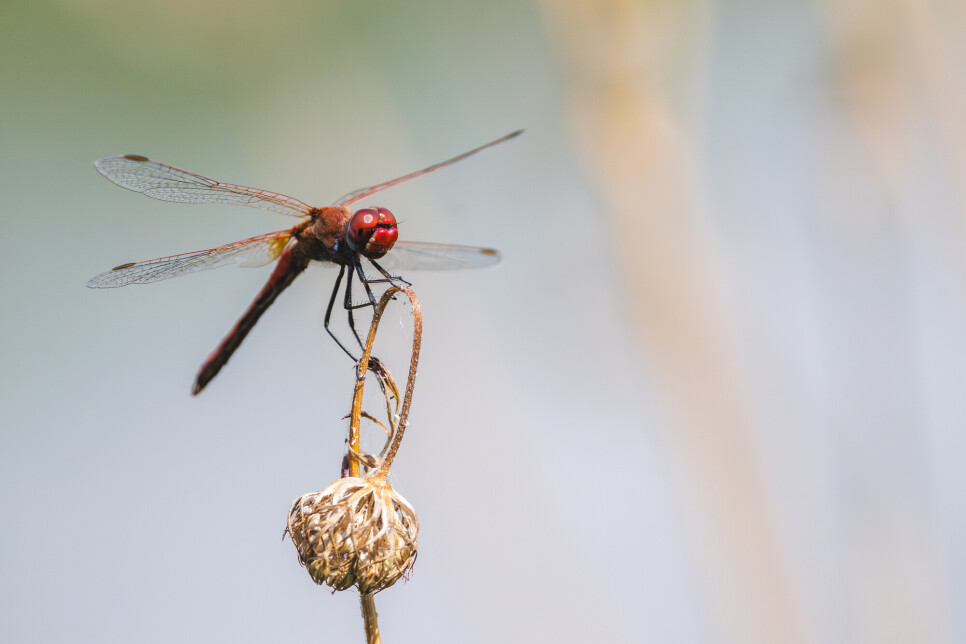
This summer brought a diverse range of dragonfly and damselfly sightings across WWT wetlands, with rare and newly recorded species delighting visitors at sites across the UK.
The sightings came during an unprecedented summer of extreme weather, with the UK experiencing heatwaves and its warmest summer on record.
Almost 200,000 people visited WWT wetlands during the Dragonfly Festival, giving families and wildlife enthusiasts the chance to discover these colourful wetland species up close and learn more about the habitats they depend on. Dragonflies are among the most lethal and successful hunters on Earth, with some species catching up to 95% of the prey they pursue.
At WWT Washington, the rare willow emerald damselfly was spotted - a species first recorded at the north-east reserve in 2025. WWT Martin Mere recorded two new species – the Norfolk hawker and the small red-eyed damselfly. The Lancashire wetland's new 68-metre stretch of stepping stones also provided visitors with the perfect opportunity to see black-tailed skimmers darting across the water.
At WWT London and WWT Caerlaverock, there were sightings of the elusive red-veined darter. The species is a particularly exciting and unusual visitor to the capital’s urban wetlands, while the sighting at WWT Caerlaverock marked a new record for the Scottish reserve. Dragonfly Hotspot, WWT Caerlaverock, also had a bonus sighting of breeding black-tailed skimmers - first recorded on the reserve in 2025.
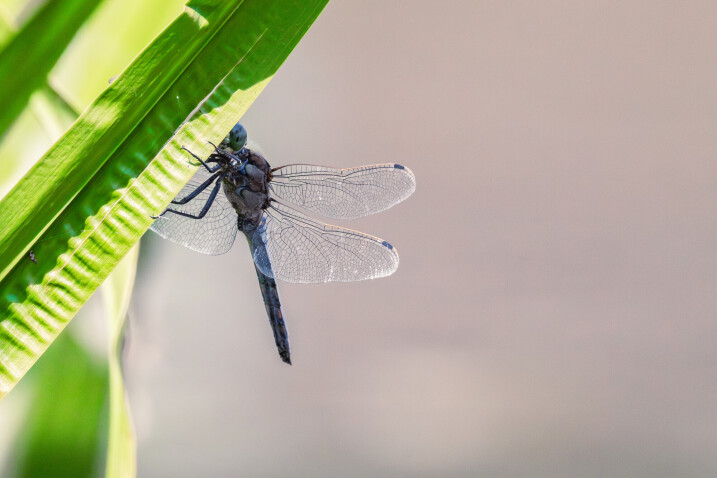
Black-tailed skimmer © Becs Greenaway / WWT
WWT’s Head of Reserve Management, Leigh Marshall, said:
"Working in collaboration with the British Dragonfly Society, it’s been an inspiring journey helping to promote this incredible creature.
“We've had to carefully manage water levels across our wetlands during an exceptionally hot and dry summer, making sure we maintain the conditions dragonflies and other wetland wildlife need. Despite the challenging conditions, it's been fantastic to see our wetlands attracting such a diversity of species, including new records for several of our reserves.
"Dragonflies depend on a range of wetland habitats throughout their life cycle, so careful habitat management is essential to provide the right conditions for every stage of their development.
“These exciting sightings show just how important it is that we protect and restore healthy wetlands, so they can continue to support the wildlife that depends on them.”
Engagement Officer at the British Dragonfly Society, Lauren Kennedy, explained:
“Across the UK, we’re seeing more dragonfly species arriving from continental Europe and established species expanding their range northwards as our climate changes. Sightings like these are an indication of how quickly dragonfly communities can respond to changing conditions and give us a fascinating insight into how Britain’s dragonfly fauna is changing.”
Other notable sightings this season included emperor dragonfly, migrant hawker and hairy dragonfly at WWT Castle Espie in Northern Ireland. At WWT Welney, three southern migrant hawker dragonflies were spotted on the Norfolk reserve – a species first recorded there in 2025.
At WWT Slimbridge, at least 24 species of dragonflies and damselflies were recorded this summer, with most breeding on the Gloucestershire reserve. Species highlights included the Norfolk hawker and southern migrant hawker, as well as lesser emperors.
WWT reserves are working in collaboration with the British Dragonfly Society county recorders where they have provided invaluable dragonfly monitoring techniques to help WWT manage their wetlands.
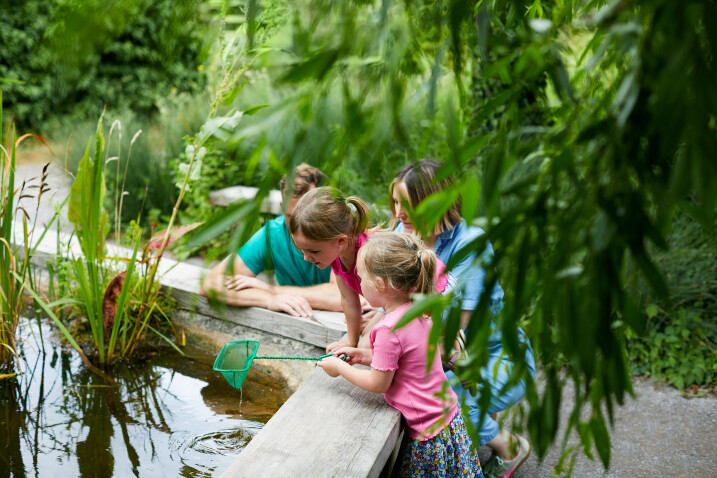
Family pond dipping at Dragonfly Festival © Jim Johnston / WWT
Strong visitor numbers during the summer Dragonfly Festival provide vital support for WWT's conservation work to protect these habitats. Income from visitors helps the charity continue to manage and restore wetlands across the UK and around the world, creating sanctuaries where wildlife can thrive as the climate changes.