It's been a summer of extremes.
Wildfires. Drought. Oppressive heat. And with a record-breaking El Niño on its way, an autumn of flooding looks set to follow.
From Bristol to Bradford, the UK’s cities and urban areas – home to over 80% of the population – are often on the sharp edge of climate breakdown. Urban centres can be up to 6°c hotter than surrounding areas during heatwaves, while homes and businesses are increasingly at risk of flooding. In 2026, our resilience has been put to the test, and it’s clear that our towns and cities are unprepared for this new world of climate extremes – some are even at risk of being wholly abandoned.
Everywhere you look, we need hope. Resilience, both social and ecological, in the face of a changing climate.
And that’s where wetlands come in. A missing piece to the puzzle, where water meets land.
It may sound counterintuitive, but bringing water back to our cities offers a solution to so many of the climate risks we face. When the rain falls, the damper and more permeable the land, the more it can hold water and slow its flow. While so much of our cities are full of concrete, the blue spaces within them provide essential buffers during wetter weather – boosting our resilience to drought and floods while providing a refuge for people and wildlife alike.
Wetlands can cool city air by an average of 4.7°c through natural evaporation and the shading provided by their plant life. Emerging evidence suggests that even standing by water can make people feel cooler – no wonder just ten minutes in a wetland can be enough to boost your mood.
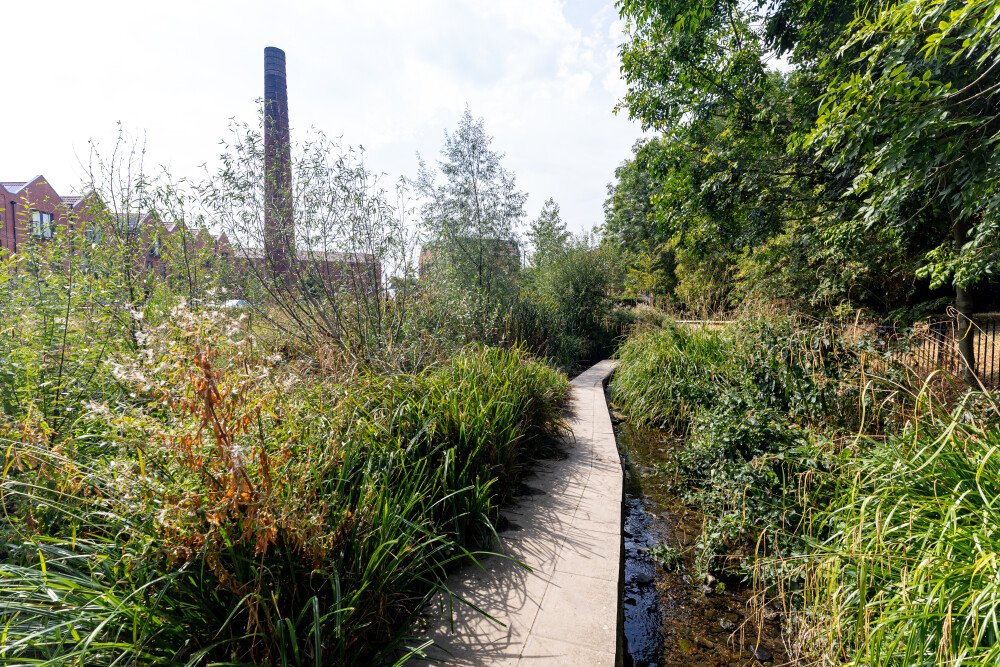
From the humble pond to the rivers running through – and under – our cities, wetlands are closer than you think. Look around at the place names where you live and you may find traces of lost wetlands in plain sight. Marshes, ponds and brooks remembered in the names of streets, even where the water itself long disappeared.
As our towns and cities grew, many wetlands were drained, filled in or built over. An obsession with concreting over the public realm ensued. In 2026, only a third of households in England are within a 15-minute walk of blue space. The number of properties at high-risk of surface water flooding has tripled in the last eight years.
Restoring and supporting our natural wet spaces is one of our biggest solutions to the climate crisis, yet we’re not even close to realising its potential. Now, there are more reasons than ever to welcome wetlands back alongside the places we call home.
That’s why we want to help make the UK’s first Wetland City. And we are starting in Bristol.
A Wetland City is a city that works with water, rather than against it. It’s one that recognises and celebrates our blue spaces as essential infrastructure. It comes about through collaboration, shared ownership and building a climate-resilient future together.
As an international scheme created through the Ramsar Convention on Wetlands, there are currently 74 Wetland Cities in 27 countries across the world. Yet despite having the world’s highest number of Ramsar-designated wetlands – from the soaring Severn Estuary to the lowland Fens of East Anglia – the UK is yet to have a formally-accredited Wetland City.
As the UK’s wetland charity, we want to change that. Our ambition, alongside our partners, is to make Bristol the UK’s first Wetland City, in the process paving the way for other cities across the country to get designated too. This week, we launch that ambition.
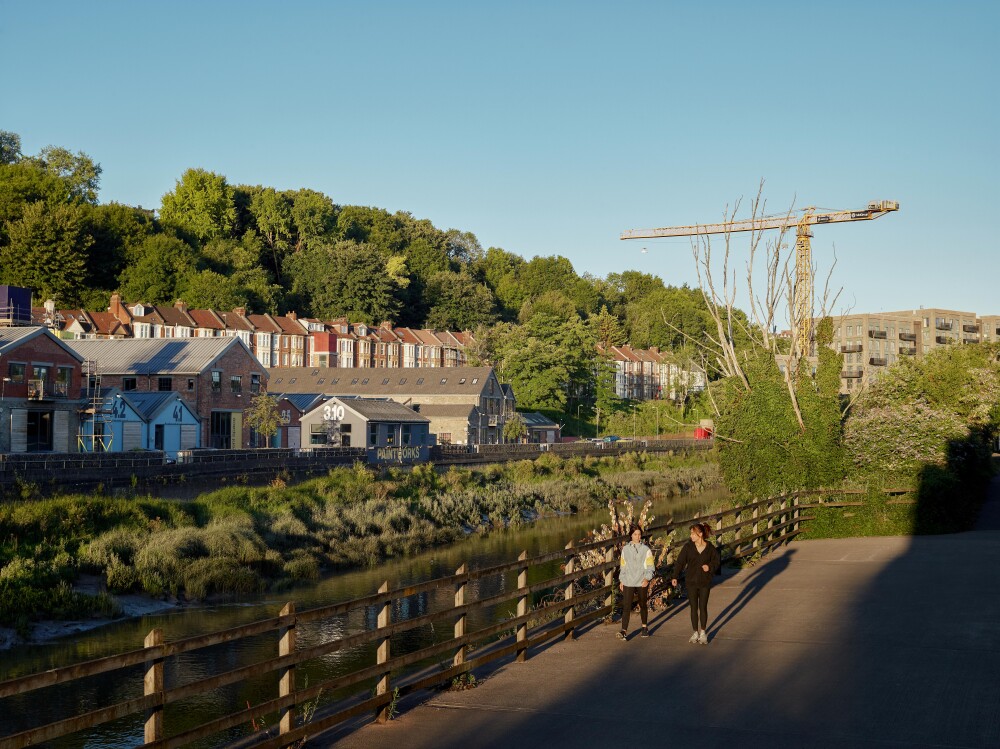
We’ve got over 200 wetland projects planned for Bristol already; from restoring ponds in urban parks, rivers and brooks to creating new mini wetlands that capture and redirect rainwater to help reduce flooding.
We’re standing on the shoulders of the incredible work that’s already taking place, working with a range of community groups to restore lost rivers, build new wetlands and bring more people closer to water.
This is an ambitious, five-year programme that meets the scale and urgency demanded of us right now. And Bristol is just the start – a blueprint for other cities across the UK, many of which are already exploring and restoring their watery heritage. Through the superpowers of wetlands, we will build more resilient cities, towns and streets, preparing us as a nation for the new climate to come. And connecting more people with nature along the way.
But it’s going to take all of us to get it going. If you care about nature, if you love your local blue space, if you want to be part of something bigger, join us. Together we can restore wetlands like our lives depend on it – because they do.
Sarah Fowler, Chief Executive, WWT, the wetland charity