Mixed weather may have dictated the sightings slightly over recent days, but there was still plenty to see on both sides of the wetlands. Read on for all the info from reserve warden Sam!
Wildlife sightings from 30 May to 7 June 2026
Highlights: Barnacle Goose, Marsh Harrier, Passerines Fledging, Otter
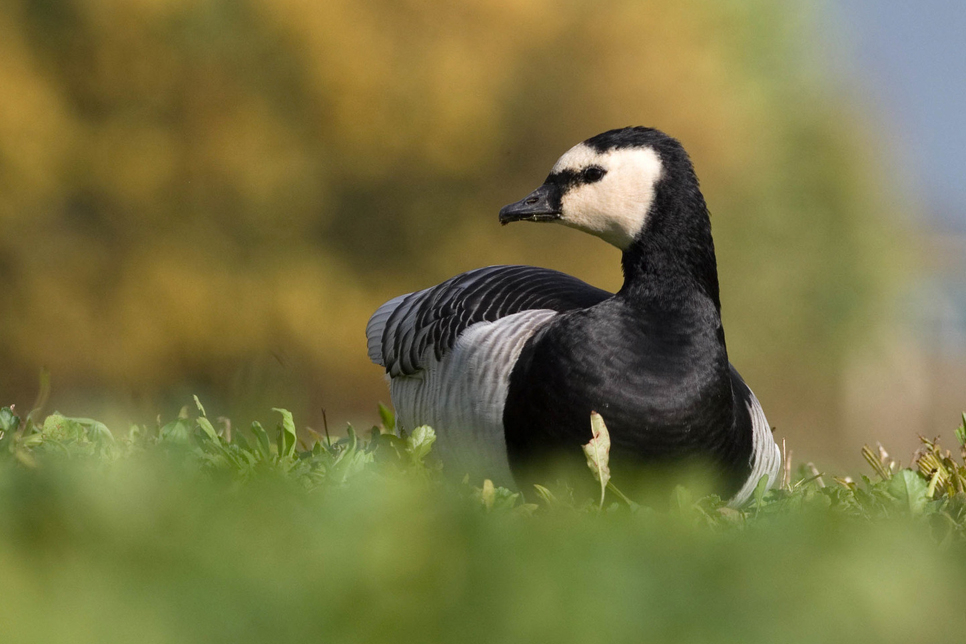
A Barnacle Goose (Branta leucopsis) was spotted out on the saltmarsh on Wednesday. Spending their summers in Greenland and Svalbard, where they breed and take advantage of the incredibly long summer days, Barnacle Geese are usually a winter visitor to the UK. So why was there one out on the marsh? Well, for a few decades now, populations of non-migratory Barnacle Geese have been increasing in the UK. But these aren’t lazy lay-abouts who can’t be bothered to make the 4,000 mile round trip to Greenland or Svalbard! They’re simply what we call “naturalised” or “feral” populations, some may even refer to them as “resident” populations. These naturalised populations are increasing in size, and some organisations, including WWT, are keeping a close eye on them and their influence on other populations of wild birds. If you’re interested find out more here.
On the topic of residents, there have been a few sightings of Marsh Harriers (Circus aeruginosus) this week out on the Millennium Wetlands. In fact, both this year and last year, they’ve been cropping up out on the reserve in winter and summer. Without long-term monitoring, it’s impossible to know for certain whether we have any resident harriers. But whether we do or not, it’s still incredibly encouraging to see Marsh Harriers so regularly out on the reserve. As their name suggests, this species are wetlands specialists and their demands for good habitat are high, particularly if we want them to stick around! So it’s a real compliment to see that they’re fond of our carefully managed and protected habitats.
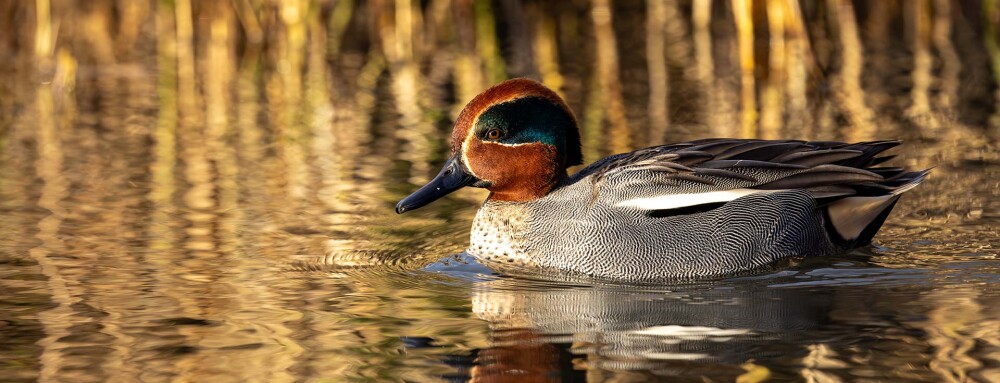
While Marsh Harriers might be sticking around, the bright plumages on many of our other beautiful duck species here at WWT Llanelli are not! Unlike most other species of bird, which gradually lose and replace their feathers throughout the year, ducks moult most of their feathers at once. This often leaves them unable to fly. So when the breeding season is over and they no longer need their bright plumages to impress a mate, they enter what is known as an “eclipse plumage”. This is a more drab, female-like plumage that is better at keeping a flightless duck hidden until their primary feathers regrow. You can see this in species regularly found at WWT Llanelli, such as Tufted Ducks, Pochard, Shoveller and Wigeon, all of which either lose dominant plumage features, or replace them with duller colourations - so it's the perfect challenge for testing your ID skills! It's also a great time to take a look at the collection birds such as the Eider, Smew, and Mandarin, who all look dramatically different as they moult. It may also seem like there are less ducks in the collection, as the males lay low or hide in shrubbery whilst they can't fly.
But whilst ducks are losing their flight feathers, many passerine chicks are gaining theirs! Our reserve team have been monitoring our little bird boxes dotted all over the Grounds and the Millennium Wetlands. A number of these nests, usually occupied by Blue Tits (Cyanistes caeruleus) and Great Tits (Parus major) have already fledged, but stay tuned over the next week or two, when we’ll have all the data and have a good idea of how many successful nests we had, and keep an eye out while walking around. You might spot a little fledgling making its maiden flight!
There have also been lots of Swallows (Hirundo rustica) swooping across the site, with many adult birds seen collecting insects non-stop to form a nutritious bolus to take back to their chicks.
While it’s been a little rainy and rather windy this week, the invertebrates have been hunkering down, but they soon get to work when the sun comes out. Taking advantage of a calmer and sunnier moment, our reserve team spotted a Small Tortoiseshell (Aglais urticae), Comma (Polygonia c-album), Painted Lady (Vanessa cardui), plenty Speckled Woods (Pararge aegeria) and more, all while undertaking their weekly butterfly survey.
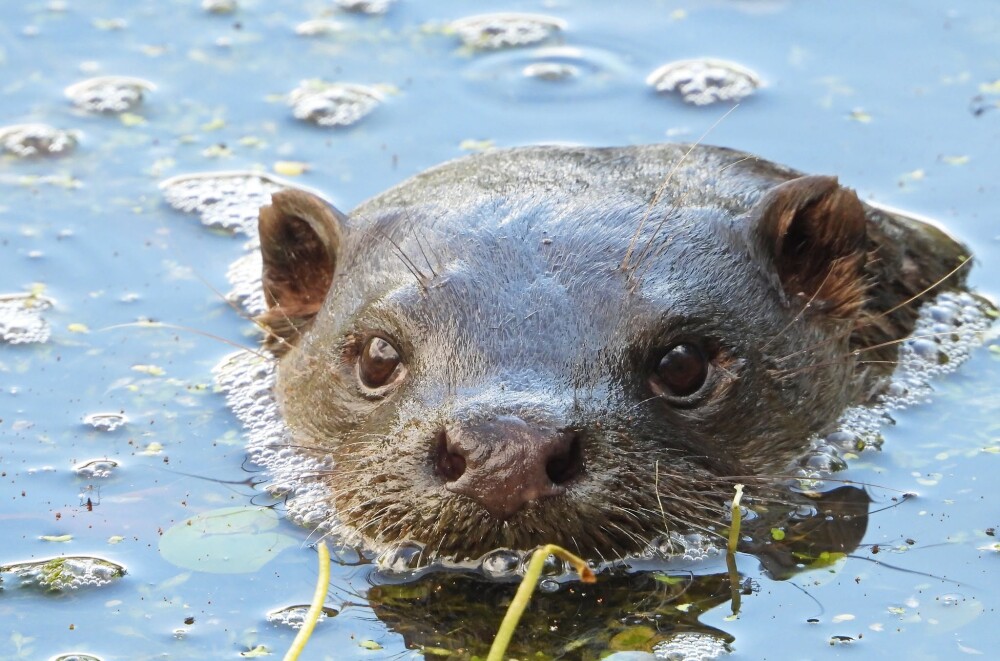
Once again, the Otters (Lutra lutra) have also been busy this week. We’ve had a number of sightings, mostly around Deep Water Lake. One was visible for almost an hour on Thursday, swimming and diving around the islands. So, if you’re on the Millennium Wetlands and hear the Black-headed gulls (Chroicocephalus ridibundus) making a particularly loud ruckus (understandably they don’t love having this potential predator near their chicks), head over to the Heron’s Wing Hide or Sir Peter Scott Hide and you might spot one of them foraging for food. A top-tip; if you see a neat line of little bubbles rising to the surface, follow them and a head might pop up, or even watch the Black-headed Gulls, as they swoop and dive within centimetres of an otter’s head!