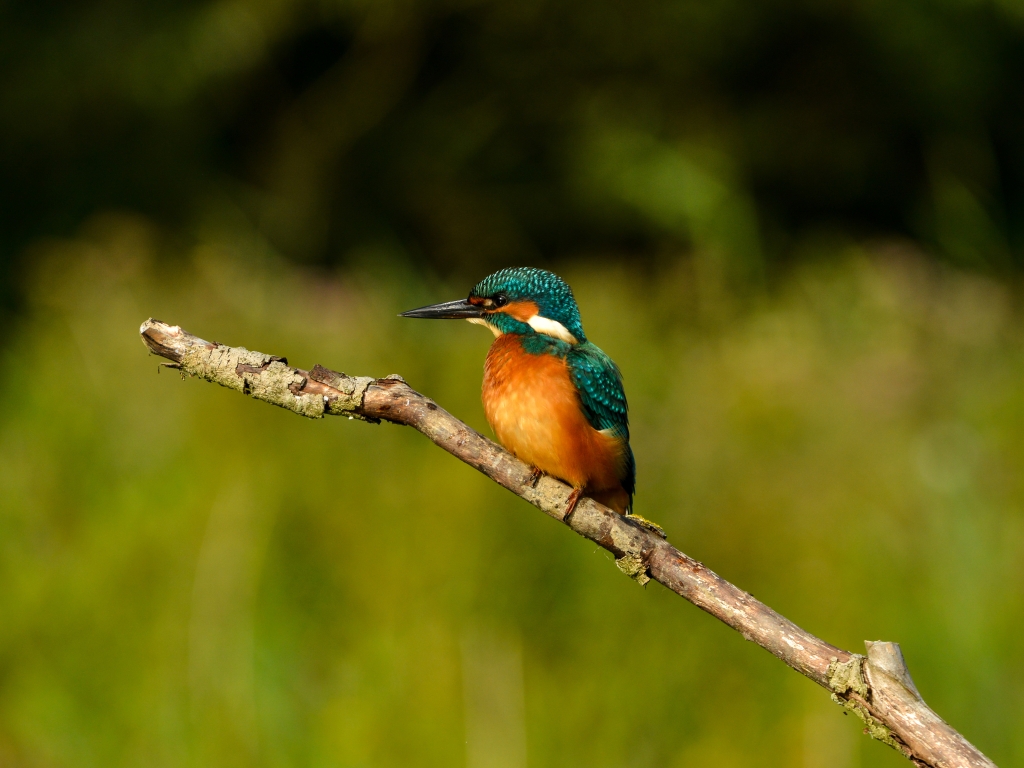
Look out for yellow legs, bright flashes of blue, or ripples appearing out on the lake - you might just get lucky and spot some of our recent wildlife superstars!
Wildlife sightings 5 to 9 August 2026
Highlights: Goshawk, Kingfisher, Otter, Wood Sandpiper
A Wood Sandpiper (Tringa glareola) has been frequenting the Saline Lagoon and Dafen Scrapes this week. This species is likely popping by on it’s southerly migration towards Africa. There are a few pairs known to breed in the UK but they hang out quite a bit further north in the Scottish Highlands! Keep an eye out for a sandpiper-sized bird, but with yellow legs, speckled plumage and a distinctive eye-stripe.
A Goshawk (Accipiter gentilis) was seen a handful of times this week, particularly over the Saline Lagoon. Marsh Harriers and Peregrine Falcons have been a bit more common recently, so it was nice to have things mixed up a bit with this remarkable bird of prey. They often keep to woodlands, where their incredible agility allows them to weave through tree canopies in the pursuit of prey. Their wingspan is often larger than some might expect, almost as large as a common buzzard’s. A telling feature to keep an eye out for is their white “eye-brow” marking just above the eye.
We’ve also had good news from down on Deep Water Lake. Our resident Kingfishers (Alcedo atthis) have had a second brood! Kingfishers can have up to three broods a year, but given the exceptionally dry summer this year, we think that two is a great success. Take a stroll down to the Sir Peter Scott Hide or keep really quiet as you approach the viewing screens on the way up to Black Poplar Wood. You might glimpse a flash of blue and orange or even find yourself lucky enough to watch one diving for fish!
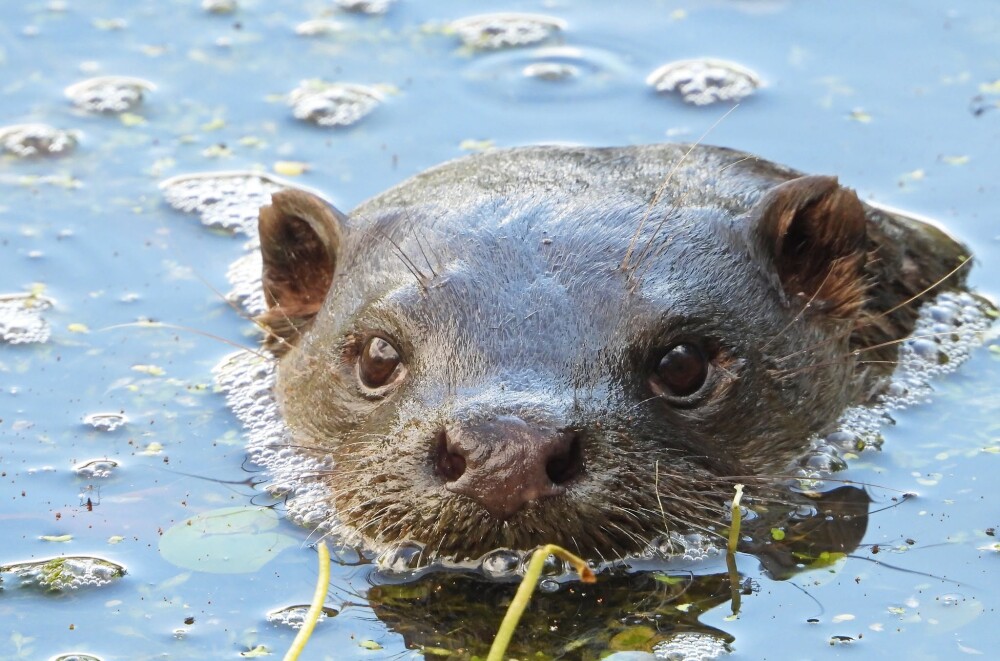
After being fairly elusive for the past month, Otters (Lutra lutra) have returned this week with regular sightings from staff, volunteers and visitors. And yes, otterS! It’s likely a mother with a grown-up pup, or two. Eurasian otters can care for their young for up to a year. During this time, the mother works tirelessly to impart of life’s experience onto her pups to give them the best chance of survival in the wild. We wish them plenty of luck and hope to see more of them in the future!