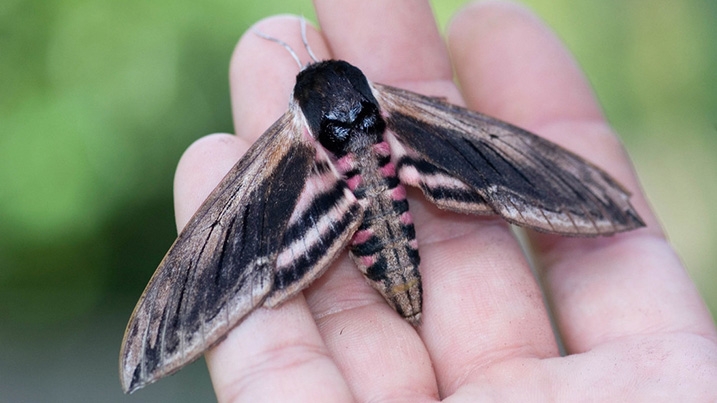
Kingfishers, juvenile Grey Herons, Treecreeper, even littler Little Grebes, a Privet Hawk Moth and a couple of otters for good measure.
Wildlife sightings from 1 to 6 July 2026
Highlights: Spotted Redshank, Greenshank, Snipe, Kingfisher, Treecreeper, Privet Hawk Moth, Otter
A Spotted Redshank (Tringa erythropus), often blending in among the godwits on the Marsh or Dafen Scrapes, has been regularly spotted this week. It is most easily separated from the godwits by its notably dark plumage. Similar to many species this time of year, this Spotted Redshank is likely just at the start of its gradual migration southward, where it will likely overwinter in the Mediterranean or even parts of Africa.
A number of Greenshank (Tringa nebularia) have also appeared on the Marsh this week. Greenshank tend to keep to themselves, hanging around in small groups. Their yellow-green legs are a good place to start with their identification. But if their legs are submerged then they tend to have a dark bill, often with a slight upcurve. Their plumage tends to be dark grey on top, from their tail all the way to their head, but pale white underneath, from rump to bill.
We also received an unexpected visit from a Snipe (Gallinago gallinago) on Sunday. While it is uncommon to see a snipe on our Marsh this time of year, it isn’t unheard of. It could be an unsuccessful breeder, and with no mate or chicks, it may have started its migration early. They’re a beautiful species of bird, often appearing almost stripey, particularly on their head. Otherwise, they have a mottled brown plumage on the tail and wing, with a pale underbelly and distinctly long and straight bill.
While we haven’t had confirmation of a second brood among our resident Kingfishers (Alcedo Atthis) out on Deep Water Lake, there’s been plenty of activity from the adults. If you take a walk along the “Northern Loop” (head for Black Poplar Woods), then make sure to make a few little detours down the small adjoining paths, which lead to some of our discreet viewing screens. These screens can provide superb views of the kingfishers. Volunteers, visitors and our own team have seen them hunting a number of times this week.
Grey Herons (Ardea cinerea) are a common species in the UK, and certainly common here at WWT Llanelli. However, many of us will think of a grey heron as a solitary species, standing alone in the shallows hunting for fish and eels. But when it comes to breeding, grey herons get together in colonies called “heronries”. They typically nest at the top of tall trees. This week, on the Freshwater Lagoon, we saw three juvenile herons, identifiable by their “dark crown”, rather than the white crown displayed by the adults. These juveniles were accompanied by two adults, and it was a treat to this species in a slightly different light!
A Treecreeper (Certhia familiaris) was also spotted feeding their young just behind the Sir Peter Scott Hide. While they are not strictly a rare species, they’re incredibly well camouflaged and aren’t the loudest of passerines. This can make them difficult to spot and incredibly rewarding to when you do manage it, especially if they’re feeding young.
Speaking of young, a pair of Little Grebes (Tachybaptus ruficollis) can often be spotted from the Sir Peter Scott hide, and they’re currently caring for a handful of chicks which can be seen paddling around a little “raft nest”. It’s an adorable sight and the chicks grow up fast so if you want to see them you’ll have to pop by soon!
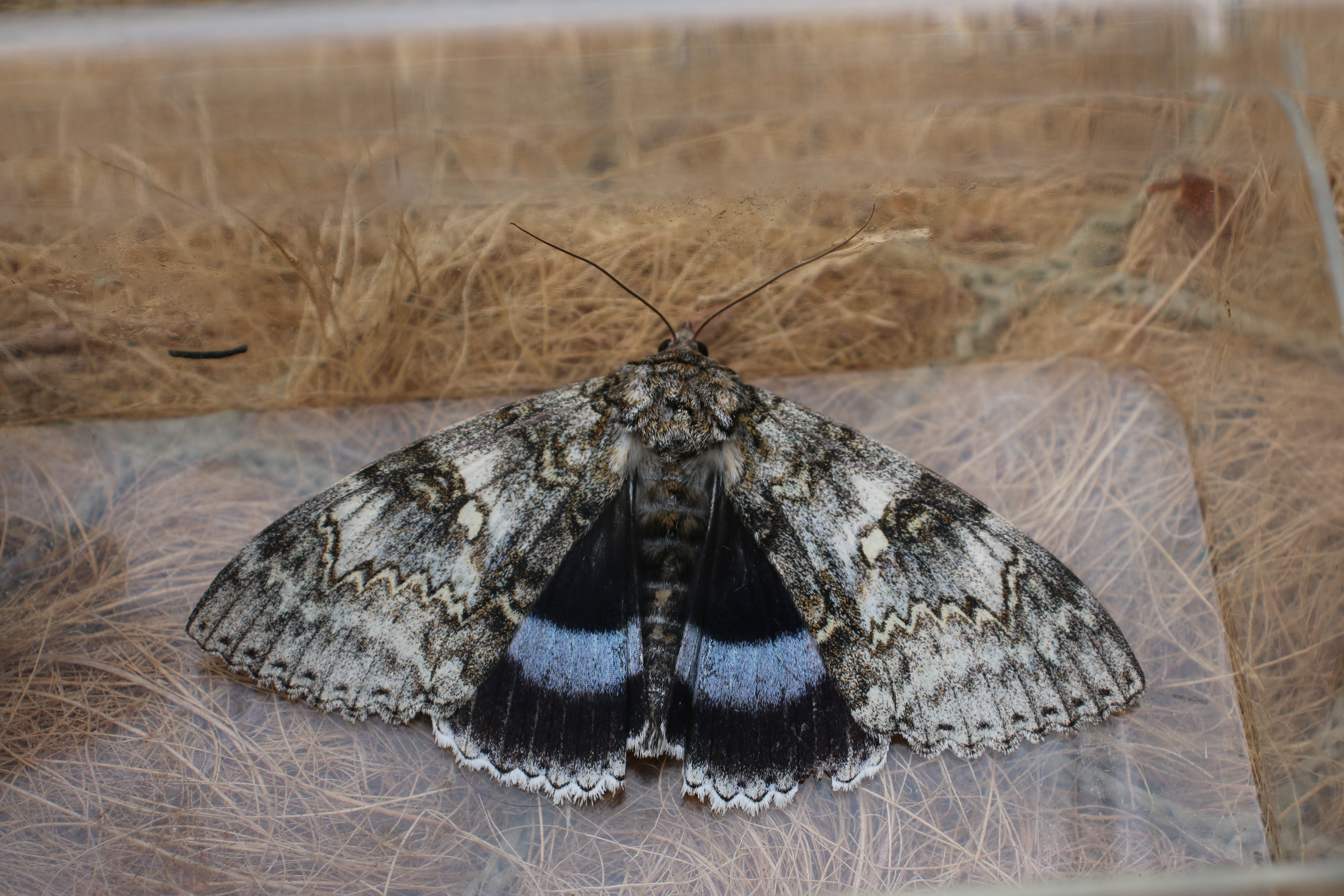
Our volunteers have also been busy with moth traps the last couple weeks. This week they caught a real stunner. A Privet Hawk Moth (Sphinx ligustri)! This species is the largest moth in the UK, with a wingspan of up to 12cm. It’s also incredibly pretty, with silvery-grey wings and a striped pink and black abdomen.
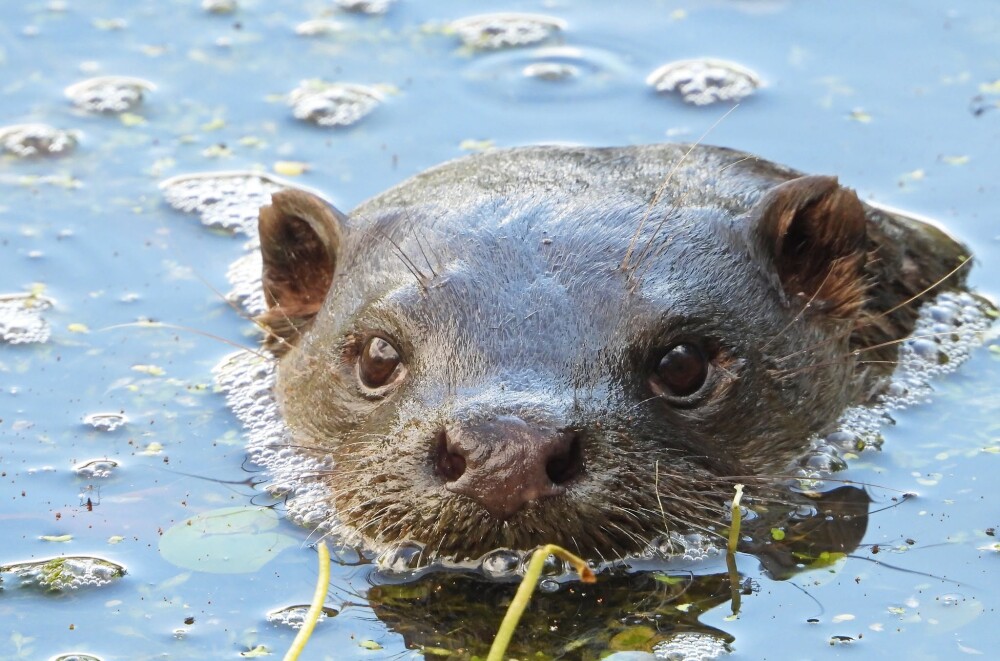
Lastly, over the past week or two Otters (Lutra lutra) have gone relatively undetected, but this week we’ve had a handful of sightings, including two being seen at once! As usual, they were spotted out on Deep Water Lake diving and hunting in the rich waters.