Whether crawling, flying or feeding (or both!) it’s been a fascinating week of sightings.
Wildlife sightings from 8 to 14 June 2026
Highlights: Peregrine Falcon, Mute Swan cygnets, Bar-tailed Godwit, Peacock butterfly caterpillar congregations
As soon as the weather cleared up on Saturday, a Peregrine Falcon (Falco peregrinus) found a good vantage from which it could investigate the Dafen Scrapes and Freshwater Lagoon. Peregrines certainly aren’t averse to many of the species found here at WWT Llanelli, and a week of highly changeable weather may well have left it with quite the appetite!
On a more cheerful note, Mute Swan (Cygnus olor) cygnets were spotted regularly this week on the Millennium Wetlands, up at the Lily Pond. It’s hard not to find these grey balls of downy fluff adorable, but be sure to give them a bit of space. Their parents are understandably defensive of their young, especially with a peregrine falcon on the hunt!
On Tuesday we also had the second visit this month from a Great White Egret (Ardea alba), where it spent the day out on Deep Water Lake. We don’t know if it’s the same one, but we’re incredibly lucky to be able to view this remarkable species with relative regularity each year!
A sneaky Bar-tailed Godwit (Limosa lapponica) was also spotted blending in with it’s black-tailed cousins on Friday. This species can be hard to tell apart from the Black-tailed Godwit (Limosa limosa), but some things to look out for are a slightly upcurved bill, shorter legs, distinct streaks on the wings, or a reddish breast in the males, which extends from their neck to under their tail feather. With Amber conservation status in the UK, we’re always happy to see this species on our marsh or lagoons. Next time you visit, be sure to try and spot one (or more!) in the shimmering flocks of black-tailed godwits.
Less sneaky, and certainly more abundant on the reserve, are some alien-looking colonies of Peacock butterfly (Aglais io) caterpillars. More technically, these colonies are known as “communal webs”, where the newly hatched caterpillars benefit from safety in numbers. They are particularly fond of common nettle (Urtica dioica), so keep an eye out for a dark mass clinging to the tops of these plants. It’s a fascinating sight!
We’ve also had our first sightings of Emperor dragonflies (Anax imperator) and Four-spotted Chasers (Libellula quadrimaculata) this week. As soon as there’s a sunny spell, many species of dragonfly will emerge to soak up the sun, patrol their territories, or hunt for prey. Head round to our new Pond Walk, found within the Millennium Wetlands, for your best chances of seeing a variety of species. Watching them catch prey ‘on the wing’ is always a thrill!
We also wanted to mention that you may notice a little bit of extra movement on the banks surroundings the Freshwater Lagoon, or among the scrapes of Deep Water Lake. This is because we’ve recently had livestock released into these areas. There are eight sheep on the lagoon, and six goats on the lake. These livestock are useful little habitat managers and help us keep the length of grass and other plants relatively low, so your view of the next spectacular bird to land on our site isn’t obstructed by overgrown grass! (However, we can only apologise if there is a sheep in the way, but they’re generally quite shy).
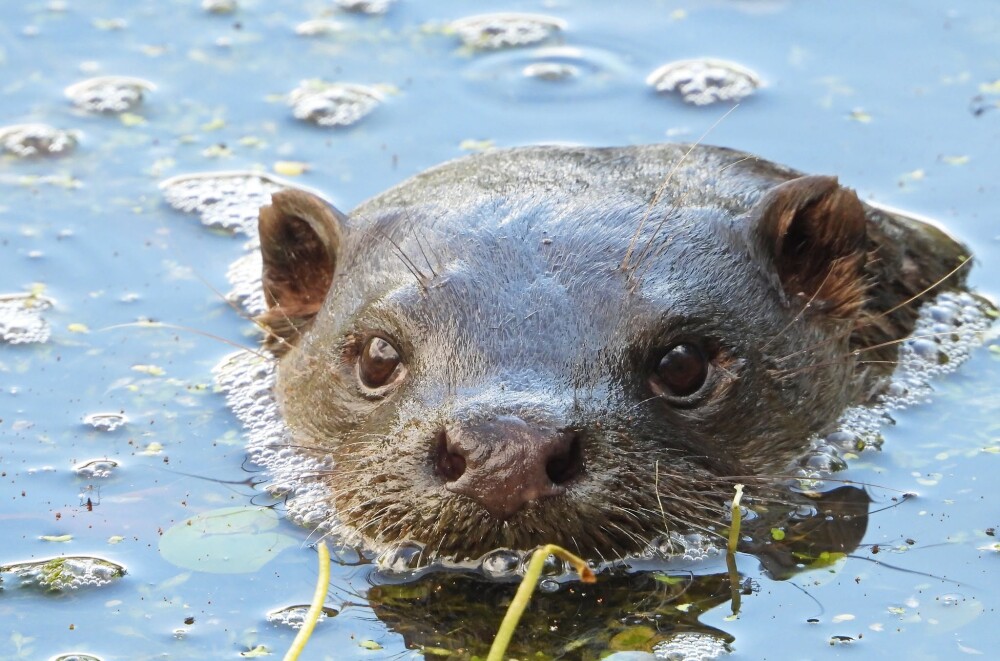
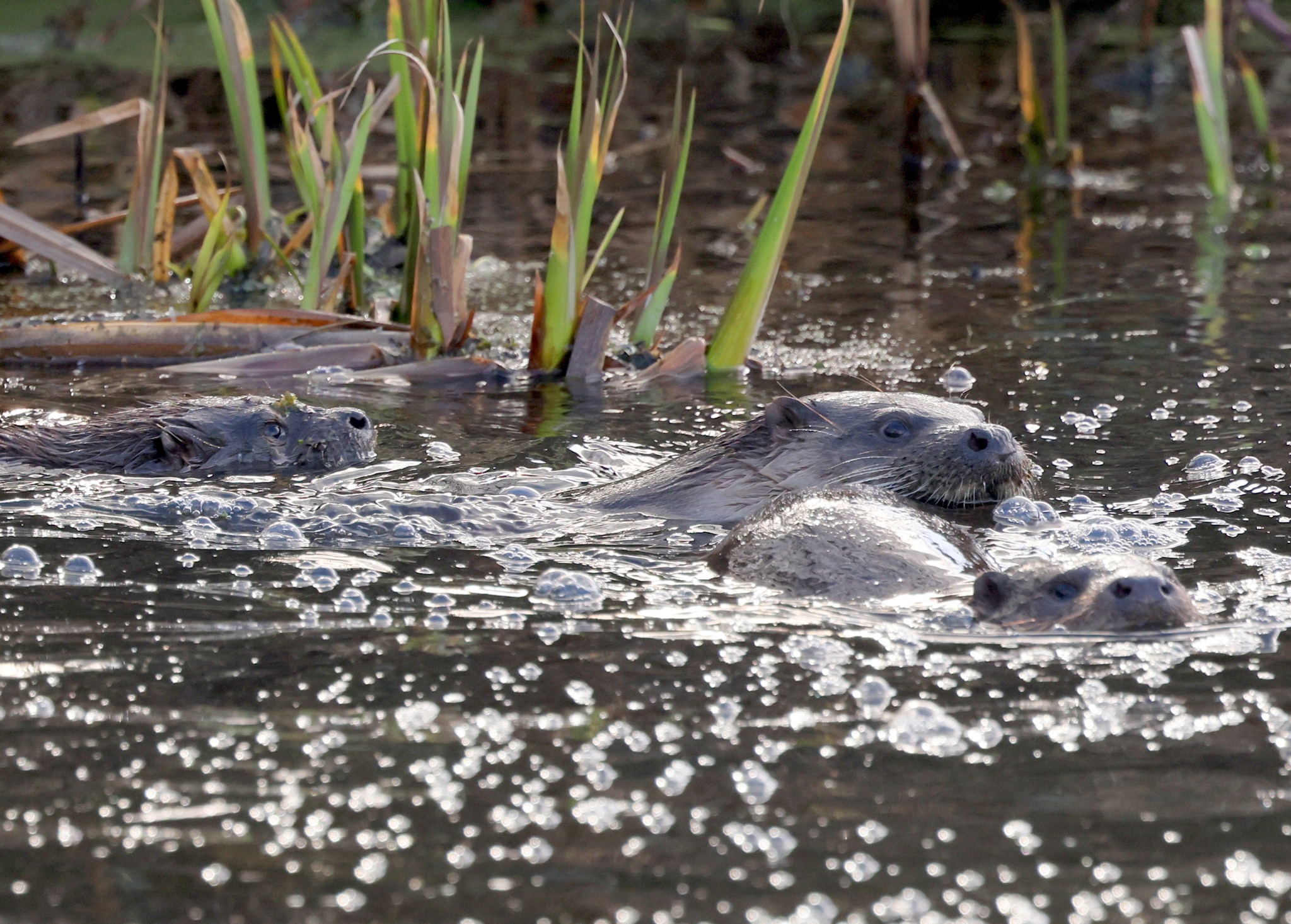
Lastly, Otters have been spotted multiple times this week. They seem to be particularly active at the moment, so if you’re otterly obsessed with them, or have never been fortunate enough to see them in the wild, stake out the Heron's Wing or Peter Scott hides when you get a spare hour or two. Most members of staff and the volunteers know of some good spots to see them, so be sure to stop for a chat.
Featured Photo Credit: Otter family by Jessica Crumpton