This week has taken out us out on the marsh, into the woods and incredibly close to some impressive species.
Wildlife sightings from 23 to 30 June 2026
Highlights: Sandwich Tern, Green Sandpiper, Cattle Egrets, Willow Tit, Red-eyed Damselfly, Puss Moth caterpillar
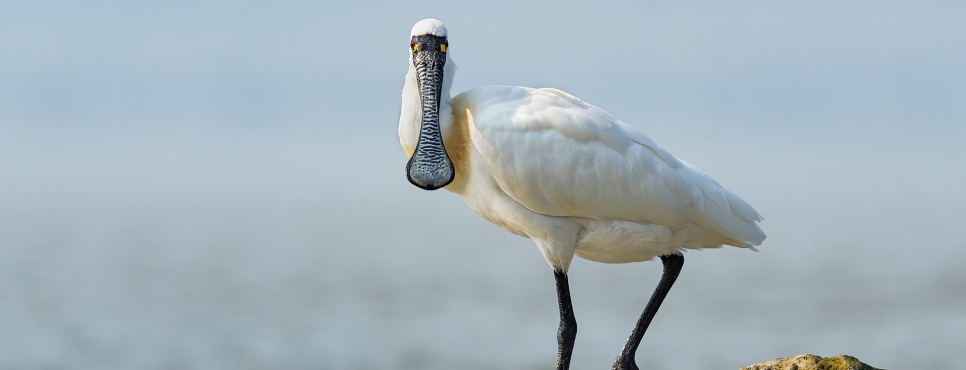
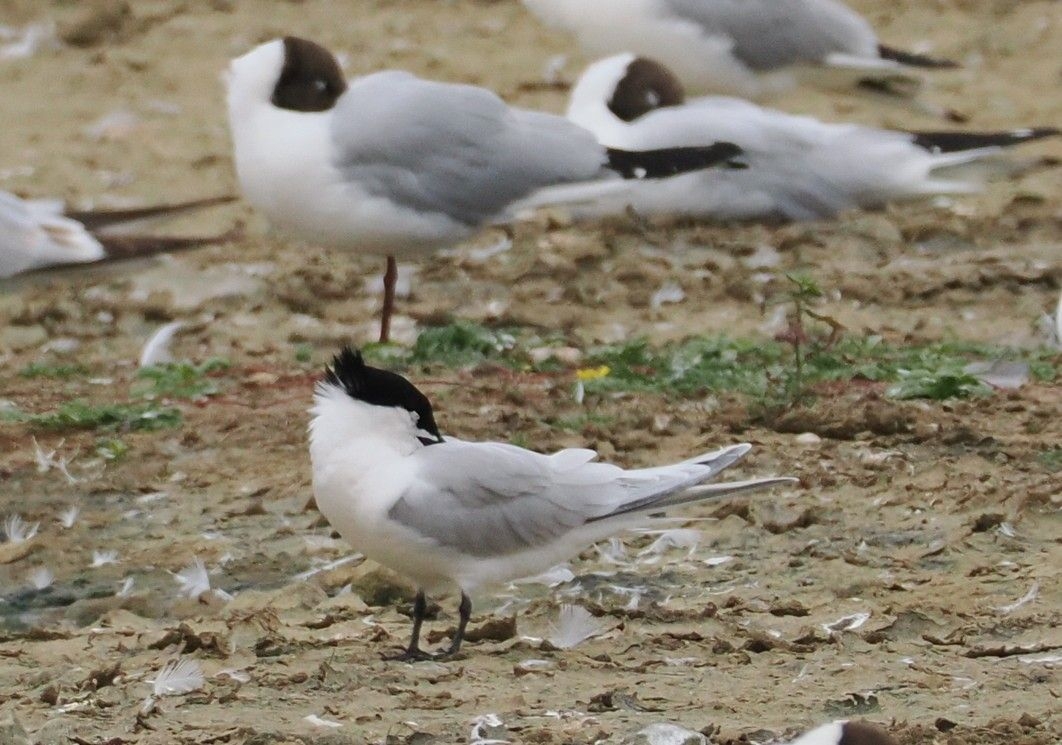
Five Sandwich Terns (Thalasseus sandvicensis) were spotted on Thursday last week from the British Steel Hide. Particularly in the summer, this species have a dark and rather spiky-looking plumage on their heads. They also have a vibrant - almost yellow - tip to their bill. In the winter, their dark head plumage fades and they’re left with what can appear to be a bit of a tonsure (that medieval-looking monk haircut). It’s likely this gang of five terns were beginning their long migration all the way down the Atlantic coast, which can sometimes take them up to 6,000 miles, all the way to South Africa!
While the sandwich terns seemed to have moved on, a group of up to seven Green Sandpipers (Tringa ochropus) have been regularly spotted this week out on the Freshwater Lagoon. They tend to hang around the western end of the lagoon, with the best hides for spotting them being the Boardwalk Hide or West Hide. They’re very sweet looking birds and aside from their green legs (which can often be under water), they’re identifiable by their dark (also greenish) speckled plumage on top and contrastingly white plumage underneath. They’re also smaller than the godwit species commonly found out on the lagoon, and they often like to bob up and down as they move around and feed.
Both Great White Egrets (Ardea alba) and Cattle Egrets (Bubulcus ibis) have been spotted this week. While they’ve featured in many of our recent weekly highlights, we always feel like they’re worth mentioning, for while they may be fairly regular visitors here, they aren’t always as common elsewhere. So if you’ve not witnessed these spectacular species before, or even been unable to spot them this year, be sure to visit soon and take your binoculars to the British Steel Hide, or pop along to the hides and viewing station around Deep Water Lake.
Each year, enthusiastic and experienced volunteers use the Millennium Wetlands for bird ringing. Ringing enables organisations, like WWT, to gain a unique understanding of what bird species are using our habitats, and whether they’re returning or even breeding. Over the past few years the reserve team (and their volunteers) have been clearing small patches of our woodlands to encourage glades to form. These woodland glades are particularly favoured by Willow Tit (Poecile montanus), and this is a species we’ve been trying to encourage onto the Millennium Wetlands for quite some time. As you may have guessed while reading this, the bird-ringing team caught and ringed our first willow tit this year! It was juvenile, too, which shows signs of breeding nearby! We were very excited to get this news and it’s given us hope that perhaps willow tits will start breeding here in the coming years, if they haven’t already.
One species that is definitely breeding here at WWT Llanelli is the Red-Eyed Damselfly (Erythomma najas). This species saw a considerable decline towards the end of the 21st century, but has been recovering in the UK since the 90s and in Wales since the early 2000s. They can often be found close to the surface of the water, along the edges of our lagoons, lakes and ponds. The males are most easily identified by their distinctive red eyes, but they also have a small blue segment right at the end of their abdomen. The females have brown eyes, and their abdomens are dark on top and green underneath. They’re impressive little things and definitely worth watching out for while waiting for a Kingfisher or Pochard to appear!
Also, as noted in recent highlights, dragonflies have clearly been appreciating the unseasonably hot weather, and they’re currently ten a penny here at WWT Llanelli, especially when the sun is out. Dragonflies have existed, in much the same form as we see them today, for around 300 million years. This makes them one of the oldest living insect groups on earth (older than dinosaurs!). They’re also incredibly active and once you get to know them, you’ll soon see how much character the individual species can have, whether it’s inquisitive Emperors or low-flying Hairy dragonflies.
Find out more about dragonflies and damselflies with special events taking place as part of our Dragonfly Festival (18 July to 31 August 2026).
Last blog, we wrote about the large communal webs of Peacock Butterfly (Aglais io) caterpillars. Well, this week, Michael Evans (one of our volunteers) notified us of another fascinating species, the Puss Moth (Cerura vinula) caterpillar.
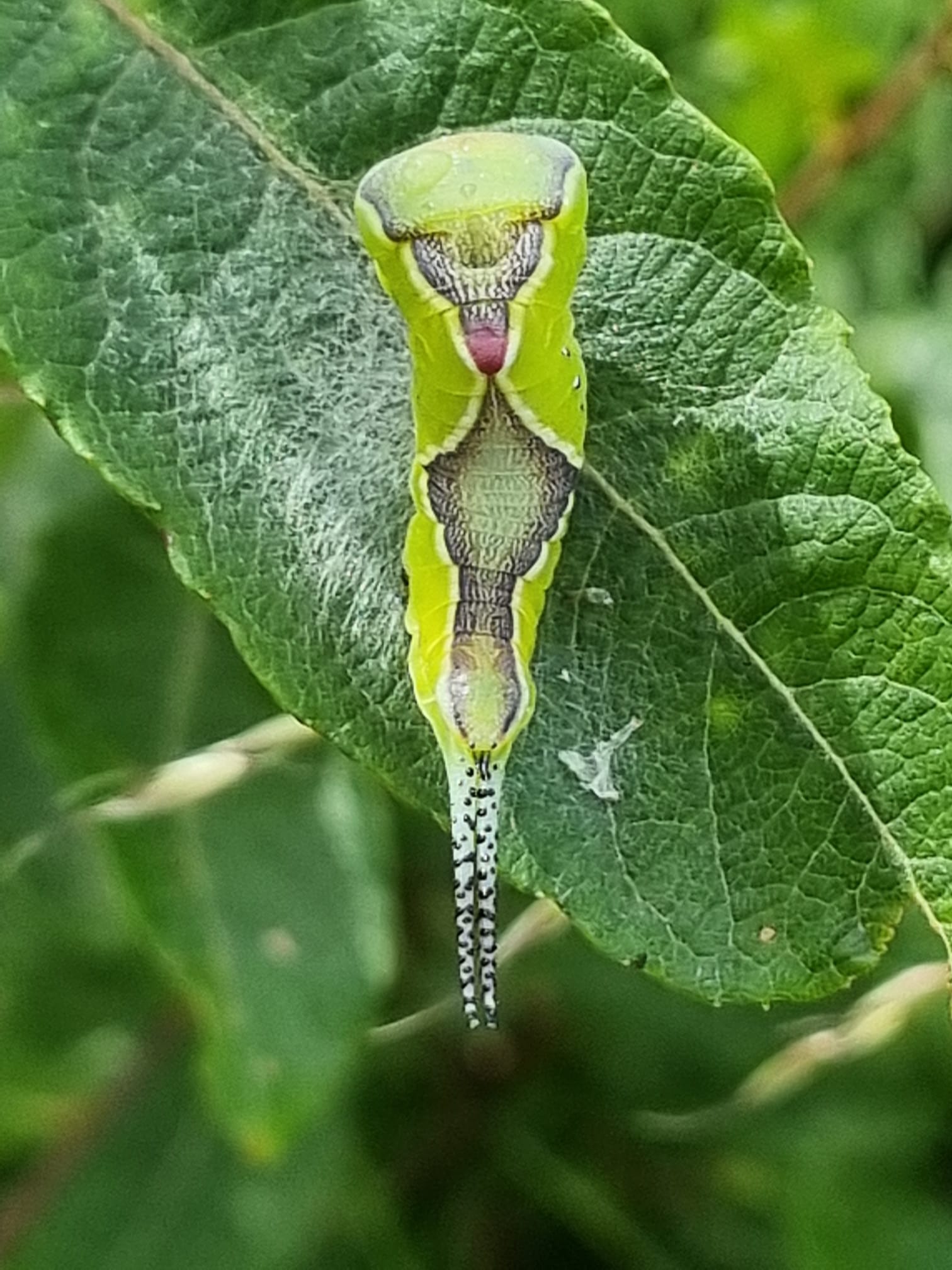
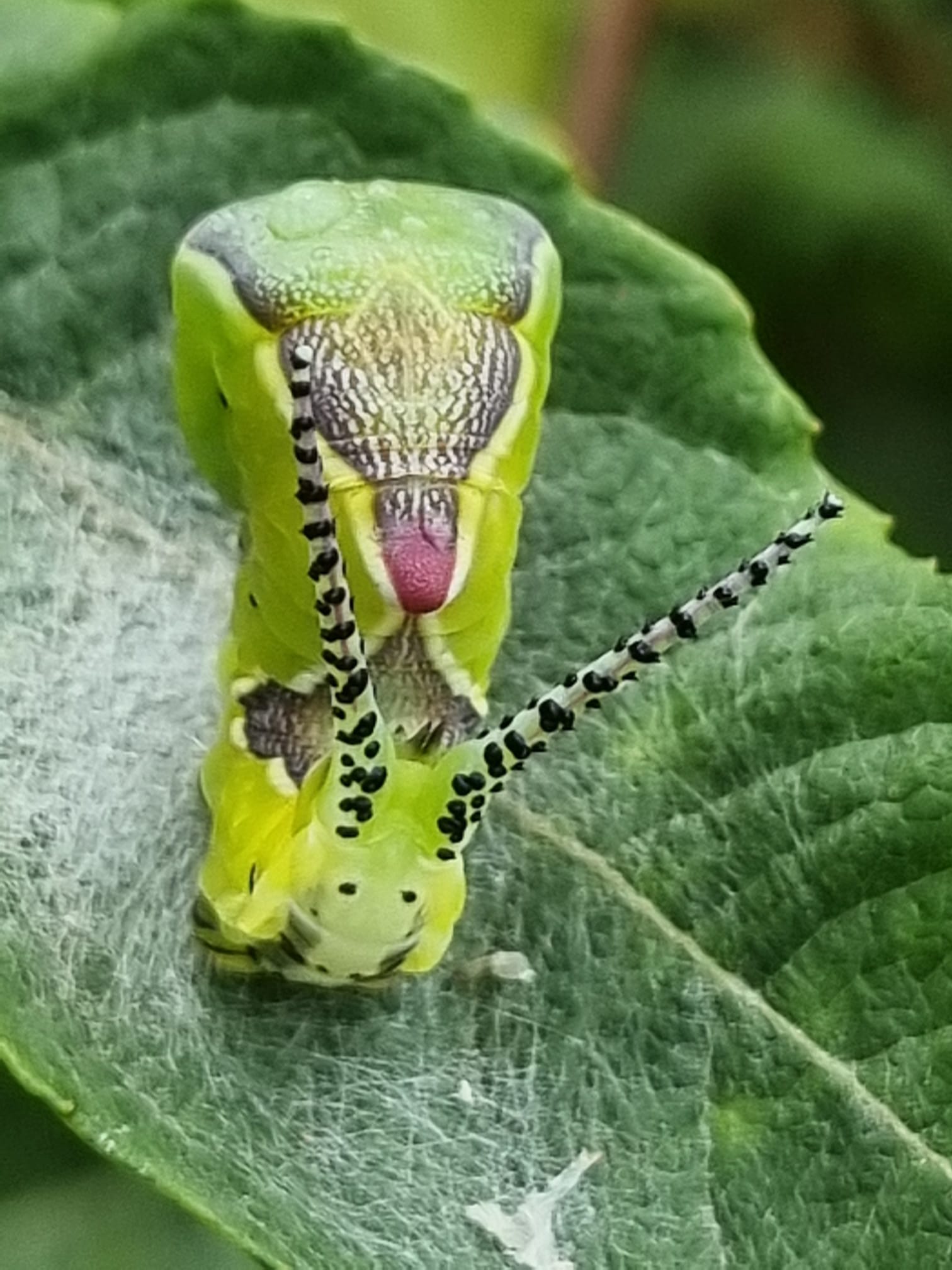
In appearance, the caterpillar vibrant green, white and red, with dark diamond patterns and spots. They also don horn-like projections behind the head and have two small whip-like tails, which can squirt acid when disturbed! It would be easy to think this caterpillar belongs in the rainforests of Central or South America, but instead you can find it right here, often feeding on willow leaves. They’re very well camouflaged but we also have an abundance of willow trees growing here at WWT Llanelli, so keep an eye out for these stunning caterpillars munching on a leaf during your next visit.
That’s it for our main highlights this week. However, a female Marsh Harrier (Circus Aeruginuosus) has been spotted numerous times this week (and for weeks/months before). Kingfishers (Alcedo Atthis) are also still active, having been spotted a number of times around Deep Water Lake, and butterfly species, such as the Meadow Brown (Maniola jurtina), Common Blue (Polyommatus icarus), Red Admiral (Venessa atalanta) and Ringlet (Aphantopus hyperantus) are also being spotted with increasing regularity.
There’s always something to see and do, so come on by and see what you might find!
Featured Photo Credit: Sandwich Tern by Paul Lewis