
These are the wetlands where you live - the ponds, streams, marshy corners and hidden pockets of water on our doorsteps. Places where water meets land, where connections form, and where people and wildlife thrive side by side.
Community wetlands are defined not by size, but by stewardship. They might be a pond in the centre of a housing estate, a restored dock basin managed by volunteers, a re-naturalised stream or a floodplain meadow brought back to life. Some are formal projects; others grow from neighbourly dedication. Together, they form a network of urban wild spaces restoring balance, beauty and resilience to the places we call home.
What do we mean by community wetlands?
Community wetlands can look very different from place to place.
Some are longstanding ponds, docks or streams that local people have taken into their care. Others are newly created - perhaps a pond dug in a shared green space, a canal edge brought back to life, a wet meadow restored, or a sustainable urban drainage system (SuDS) feature designed to slow water and welcome wildlife. Whether they cover a few square metres or stretch across a neighbourhood, what defines them is the people who plant, record, test, notice and protect.
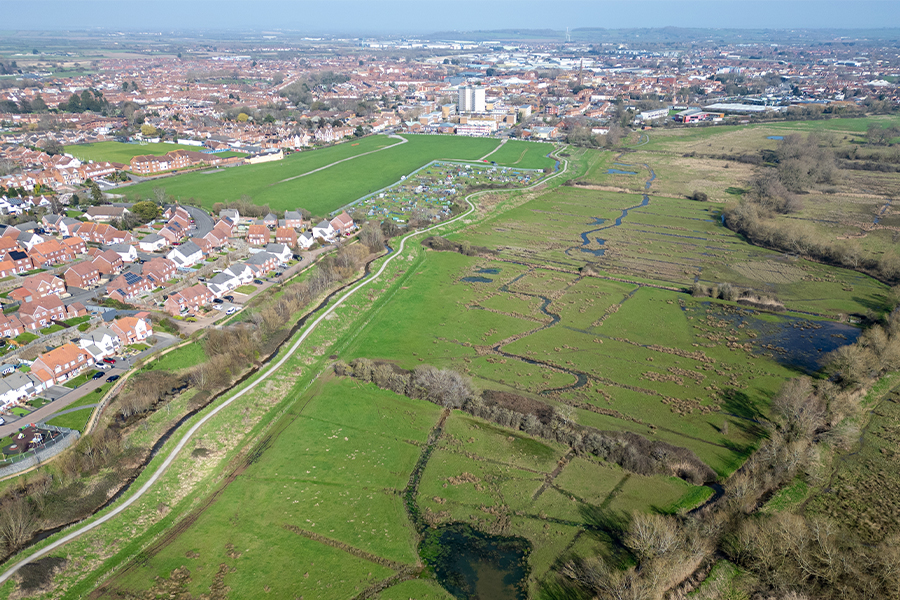 Bridgwater Meads © Sam Walker/WWT
Over time, these wetlands simply become part of everyday life, a familiar presence in the places people call home.
Why community wetlands matter
Wetlands are among the most productive ecosystems on earth, and even the smallest can brim with life. A single pond might shelter amphibians, aquatic insects, breeding birds and visiting mammals. Marginal plants steady the banks and offer places for eggs to be laid, while submerged vegetation becomes a nursery for larvae. When water spills into surrounding ground after rain, it creates the temporary, shifting habitats that many species rely on.
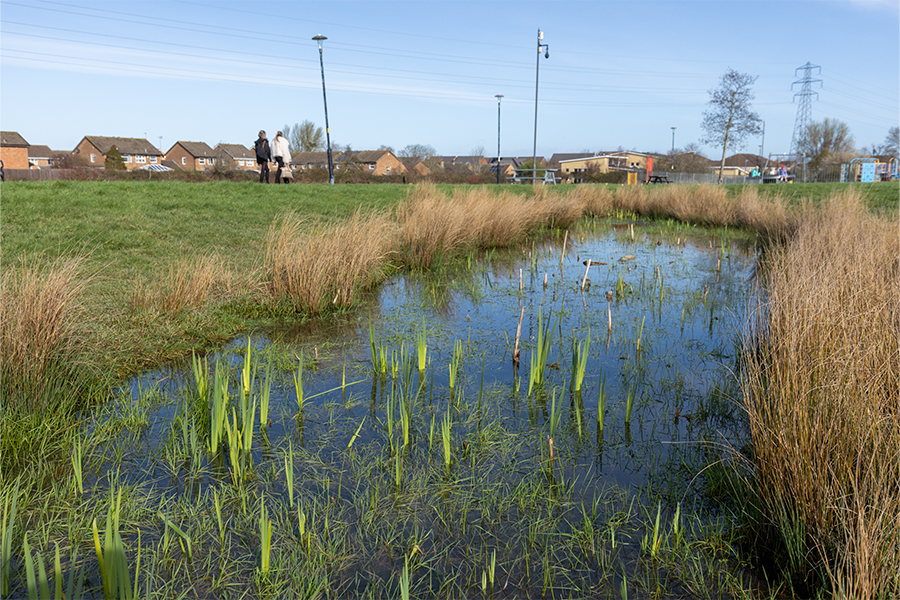 Springfields Park, Cheltenham © Becs Greenaway/WWT
In busy, fragmented urban landscapes, these community-cared wetlands often act as stepping stones. A dock lined with reedbeds can give fish and nesting birds a safe haven. A restored stream corridor can reconnect pockets of habitat that were once isolated. A cluster of neighbourhood ponds can collectively support species that would struggle to survive alone. And because people value them, these places often prove more resilient - when you’ve planted the reeds or counted the dragonflies, the wetland becomes part of who you are.
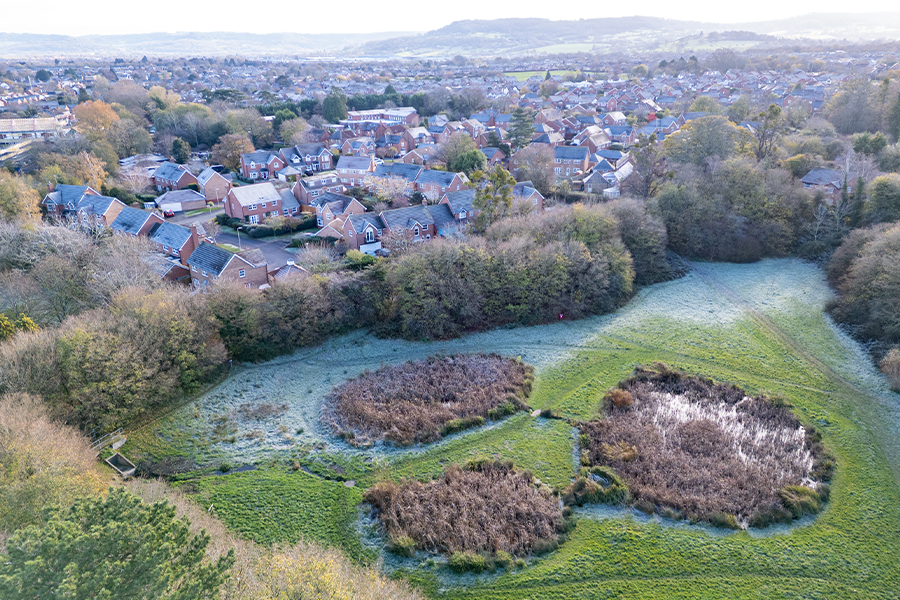 Community ponds at Barnwood, Gloucester © Sam Walker/WWT
Why they matter for people
Community wetlands don’t just support wildlife - they help shape healthier, more resilient neighbourhoods. Vegetation filters polluted runoff before it reaches rivers. Wet ground absorbs heavy rainfall, easing pressure during storms. Open water cools surrounding streets during extreme heat. In this way, community wetlands act as nature-based solutions, reducing risk while enriching the places we live.
Their social value runs deeper still. Working together to care for a wetland builds skills, confidence and shared purpose. Children return each spring to look for frogspawn, volunteers learn to identify species, and neighbours gain practical conservation experience. Spending time around wetlands has been shown to reduce anxiety, stress and depression. These places offer fresh air, beauty and calm, but also a sense of connection - a reminder that we’re part of something larger than ourselves.
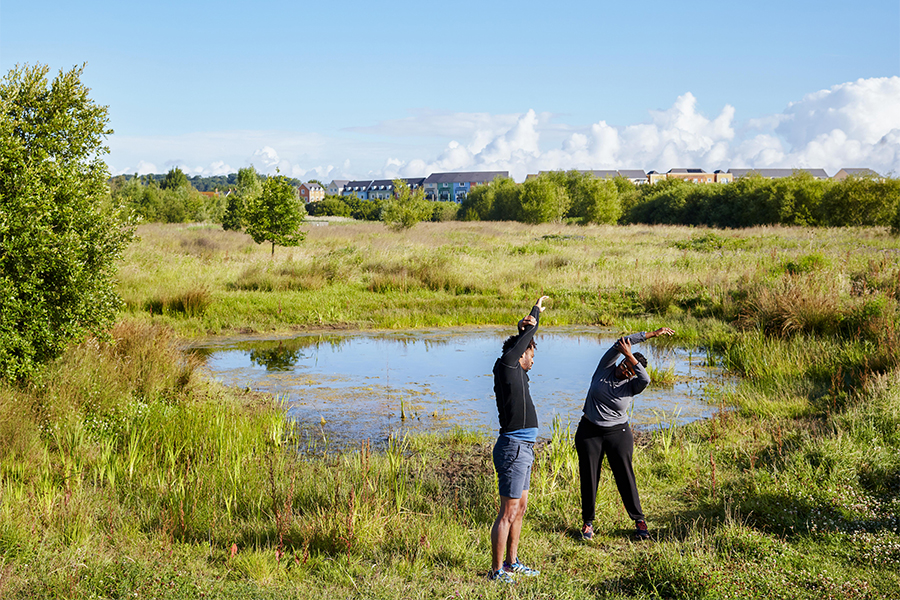 Urban wetlands as a recreational space © Jim Johnston/WWT
From small ponds to working docks
The strength of community wetlands lies in their adaptability. In one neighbourhood, residents might transform an ornamental pond into a thriving habitat, planting native species and adding log piles for insects. In another, volunteers may work with local authorities to enhance historic docklands, installing floating habitats and monitoring birdlife. Each project grows from the character of the place and the people who choose to care for it.
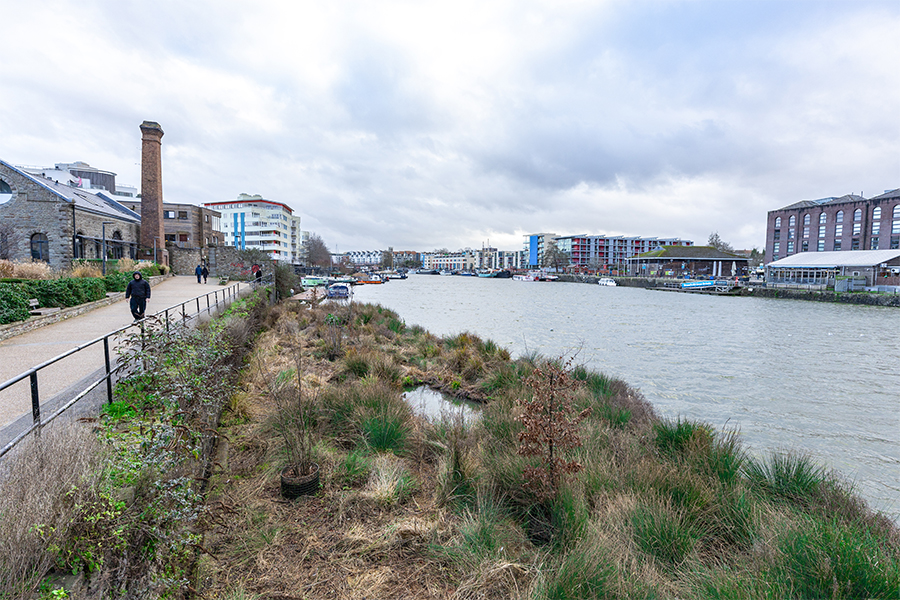 Floating wetland habitats, Bristol harbour © Sam Walker/WWT
Stories behind the water
Water has a way of calming us. WWT Ambassador Nadeem Perera reflects in the Waterlands podcast, “It just does something to us.” He also speaks about how confronting the climate and biodiversity crises can feel overwhelming: “Like you’re just one person looking at something too big to tackle.” But he reminds us that there is strength in unity.
On the banks of the River Lea in East London, Cody Dock offers an example of what community wetlands can become. Once a working dock for coal barges, it is now edged with reedbeds and managed by volunteers.
Reed warblers nest in the reeds. Sand martins use nesting holes built into the dock walls. Smooth newts and sticklebacks move beneath the surface. Dragonfly larvae -indicators of improving water quality - thrive in water once linked to one of Europe’s most polluted rivers.
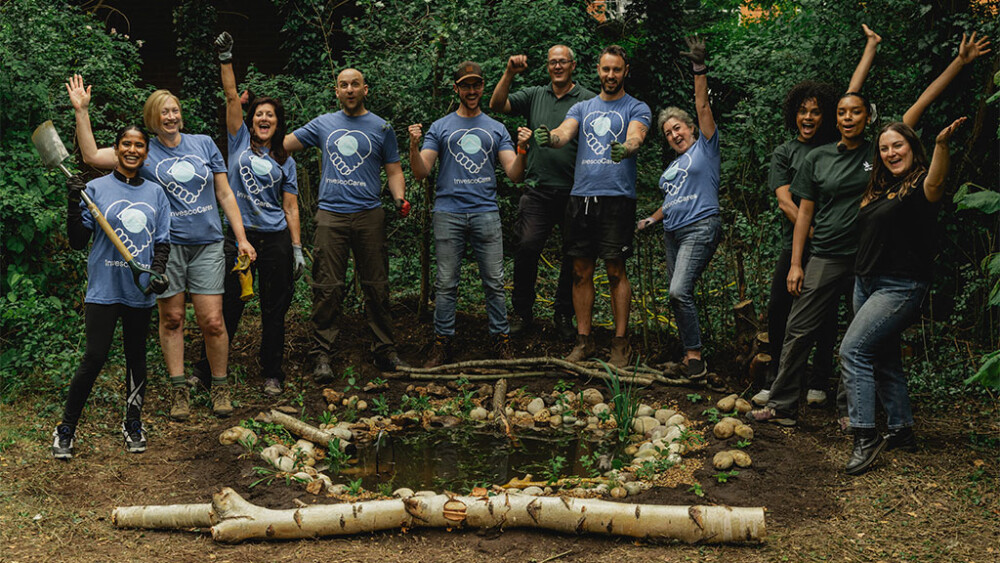
Volunteers monitor birds, test water chemistry and install habitat features. A new pond has been dug by hand for school groups to experience pond dipping - “a jewel box,” as one volunteer described it, never quite knowing what the net will reveal.
At Brandon Hill in Bristol, a small pond was the setting for a moment that changed the course of Nadeem Perera’s life. Watching a crow close to the water’s edge, emerging with a frog in its beak. This extraordinary wildlife encounter sparked a curiosity about birds that would grow into a lifelong passion for nature.
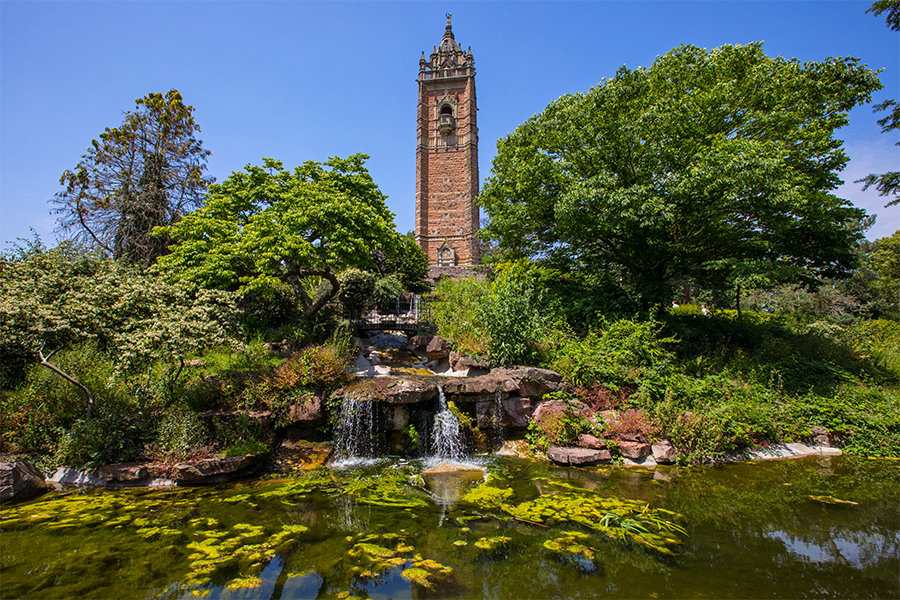 Brandon Hill park © chrisdorney/Shutterstock
Now co founder of Flock Together, Perera helps bring new communities into green spaces, addressing the under representation of people of colour in the natural world. The birdwatching collective recognises that nature is a universal resource and is dedicated to ensuring everyone feels welcome in it. Community wetlands embody that principle.
Wetlands where you live
Community wetlands show what’s possible when people and water come together. They remind us that nature doesn’t have to be distant or reserved for special places - it can be part of daily life, right here where we live. These are the moments we want everyone to experience: the flash of a kingfisher, the croak of a frog, the hum of a dragonfly.
At WWT, we believe wetlands should be woven into the fabric of our towns and cities - transforming run off into resilience, protecting communities from flooding, and bringing wildlife back into our neighbourhoods. Wetlands teeming with life shouldn’t be somewhere else. They should be right here, where we live.
And this is only the beginning. Watch this space - we’ve got big plans to help make it happen.
Header image: Wetlands integrated into housing design can be enjoyed by all © Jim Johnston/WWT