Introduction by WWT Head of Reserves Management, Leigh Marshall
Much of spring 2026 was characterised across WWT reserves by no rain and low temperatures, both day and night. This has been challenging for our wetland species. Even with teams working hard to move water around reserves, the soil is dry and insect emergence has stalled, making things that much harder - in particular for breeding waders. Our beloved black-tailed godwits, snipe and lapwing all need rich, muddy conditions to breed.
Our experiences also mirror the incredible challenges that farming communities and land managers up and down the country are facing. Ending the period with record-breaking temperatures across the country reminded us that the extremes of weather can make a bad situation worse. Our wetlands and the species in them take a hit, but also those of us who work outside in an effort to improve the fortunes of our precious wetland species.
It's not all doom and gloom, as you will read below – in conservation, you have to grab the silver linings. New birds are breeding, there’s been incredible migration witnessed and rarities are dropping in. Where we are able, WWT is making our wetland reserves the best they can be for biodiversity, in the face of great change.
Toads by the pondful at Arundel
Spring started with an abundance of common toads and their tadpoles in our newly desilted entrance ponds. It’s been wonderful to watch the spectacle unfold alongside visitors; even such tiny creatures can have a big impact on people.
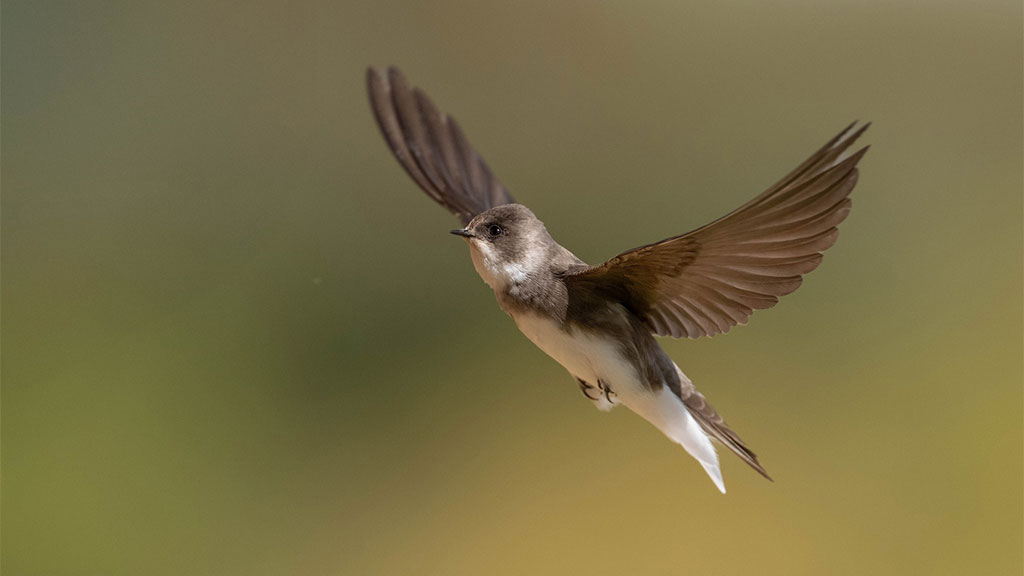
Sand martins are abundant on site this year, with first broods fledging at the end of May. We will see exactly how many nest chambers were used at the end of the breeding season, but last year it was 150 up from 83 the previous year.
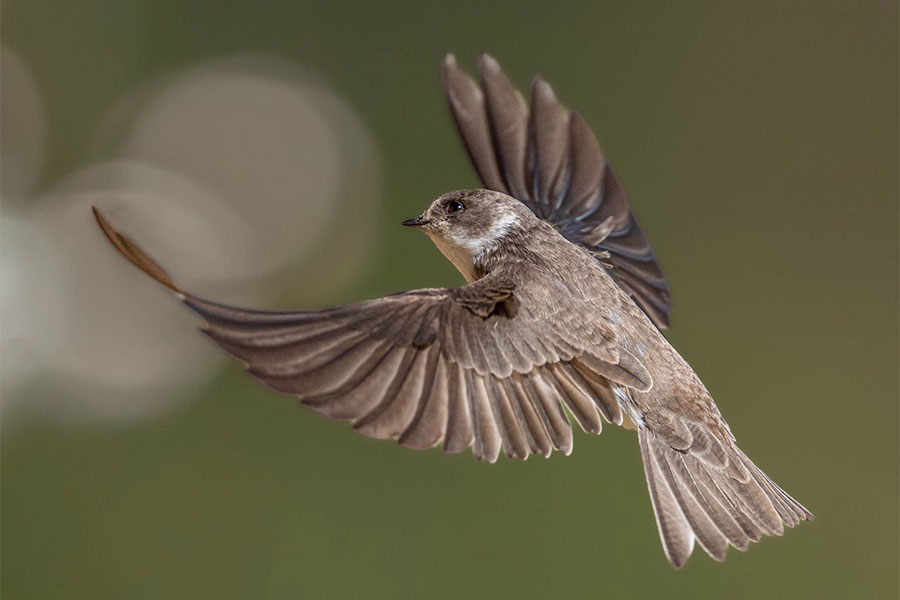 Sand martin landing at its Arundel nest site © Alec Pelling
A marsh harrier pair are nesting in the reedbed, with the very handsome looking male showing well throughout the day. There are two little egret nests currently, with cattle egrets soon to join them. The cattle egrets are quite late nesters here and are usually the last species on the reserve to produce young.
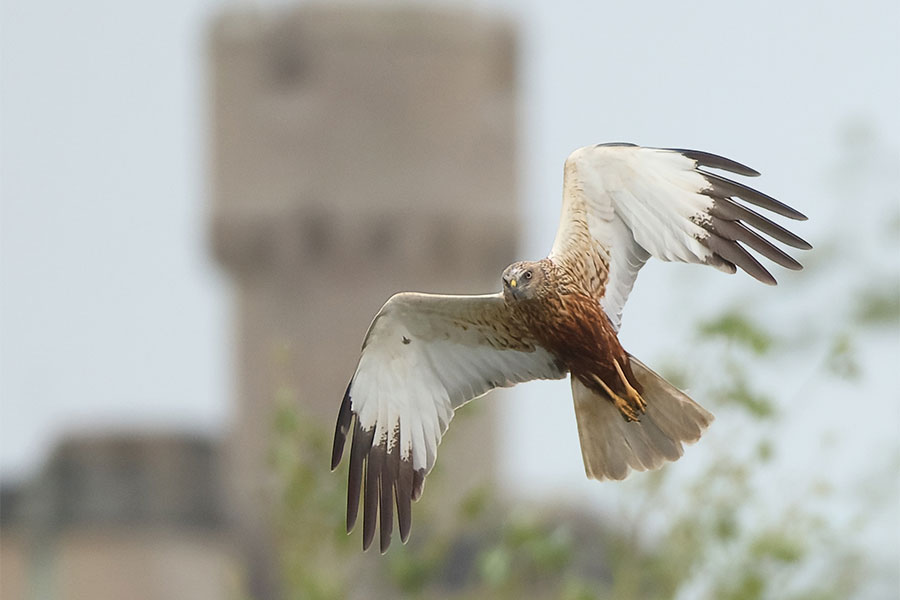 Male marsh harrier over the reedbed © Mike Jerome
We’ve been worried to see that warbler numbers are down, especially sedge warblers – we don’t know why. There has been a maximum of five singing this spring, with numbers usually in the high teens or low twenties. Lapwing numbers are also down again, with only three pairs on site, two of which are currently on their second attempt at incubating eggs. Thankfully, the usual two pairs of oystercatcher are incubating and should hatch young very soon.
On inverts, glow worm larvae are appearing daily in various places at the moment, which is always exciting! Despite the weather being less than ideal on the day, a public moth morning was well attended by visitors earlier this month. We still managed to trap 15 species, showing how diverse and delicate these animals are. There will be another public moth morning in June.
Caerlaverock’s not just about the birds
Spring is a time of great transition time at Caerlaverock. At the beginning of March, there were still whooper swans with us and plenty of barnacle geese, keeping a wintry feel to the site. But over the next few weeks they all gradually left us for their respective breeding grounds in Iceland and Svalbard. It has been wonderful to see the barnacle goose numbers fully recovered from the impacts of avian influenza in 2021/22, with this winter’s numbers back to their previous 2021 levels, if not a little higher.
But Caerlaverock isn't just about winter birds. There has been a real excitement as the spring migrants have started to return. Sedge and willow warblers are back early and in good numbers. Grasshopper warblers are a little thinner on the ground than usual, but it’s good to have reed warblers on at least one part of the reserve.
We’ve been pleased to see lapwing move onto some of the new wetland areas and there are some near-fledged chicks wandering round at present. Two recent colonists to Dumfries and Galloway, marsh harrier and Cetti's warbler are being seen more regularly across the site so it will be interesting to see how long they settle.
The birds are always interesting, but the most excitement this spring has been on the plant side of things. Our local plant recorder, Chris, visited in late April to check on the holy grass on the site and on a hunch (some sort of herb whispering, inner feeling) he looked in some of our gateways to see if one of Scotland's rarest plants was present.
And it was – mousetail – a relative of buttercups, found in disturbed ground. This plant was only recorded in Scotland last year, a few miles away near Gretna. Chris then found it this spring on another site nearby and wondered if Caerlaverock might also be home to it.
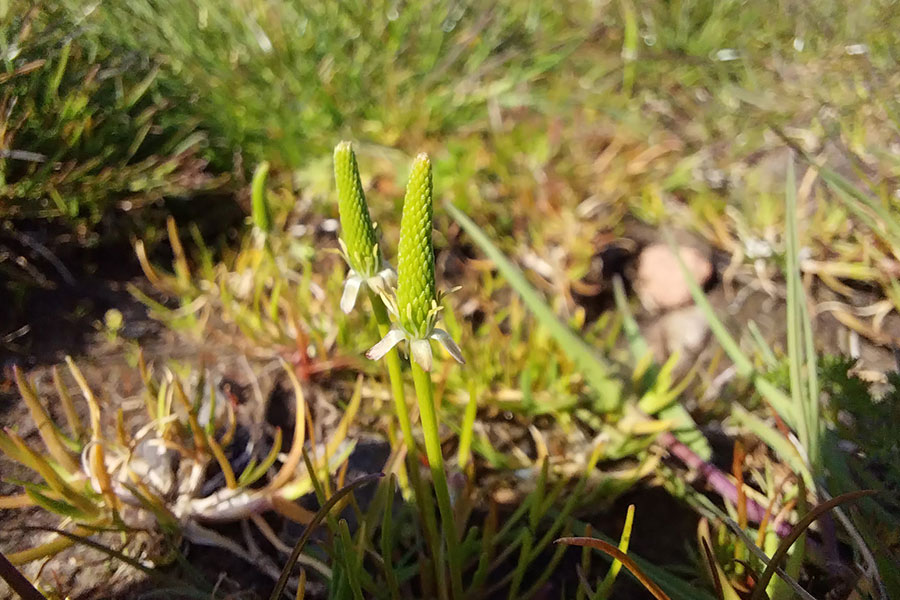 Mousetail (Myosurus minimus) at Caerlaverock © WWT
Subsequently, reserve staff found it at two other places on the reserve. So, one of Scotland's rarest plants found only in 3 locations. Another reminder, if we needed it, of just how rich in nature Caerlaverock is.
Seagrass meadows thriving at Castle Espie
Coming out of the winter season, we had good numbers of gadwall (40) overwintering on the reserve this year, and a peak of 590 pre-migration black-tailed godwit roosting on the reserve in April.
During May, oystercatcher numbers started to build, and little grebe is nesting here again for the first time in a couple of years. There has also been an increase in number of reed warblers recorded on site, reflecting the continued development of our reedbed habitats. Unfortunately, the grey herons did not return to the nest in the woodland this year.
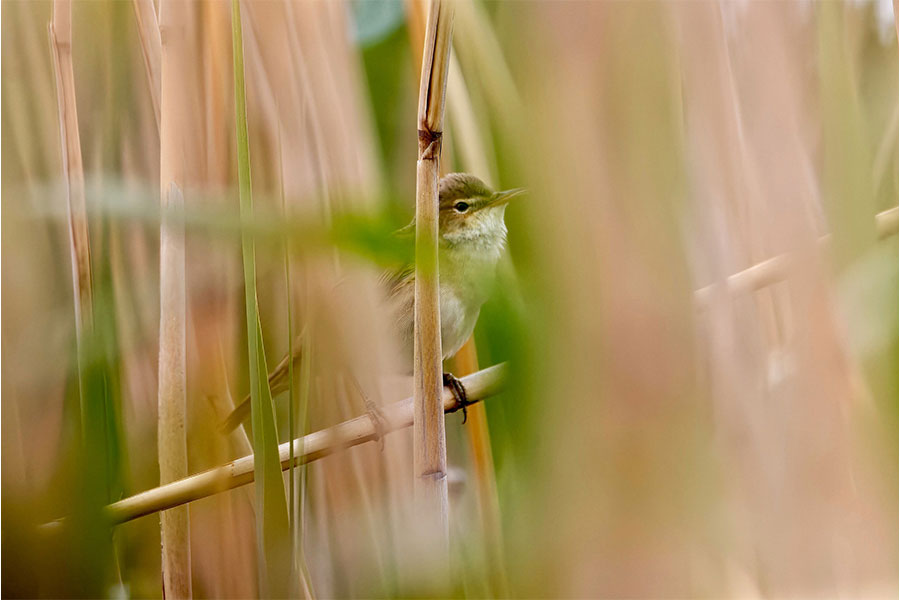 Reed warbler © Jonathan Clark/WWT
Our butterfly transect has commenced again this year; we recorded comma again, indicating that it has now established a breeding population.
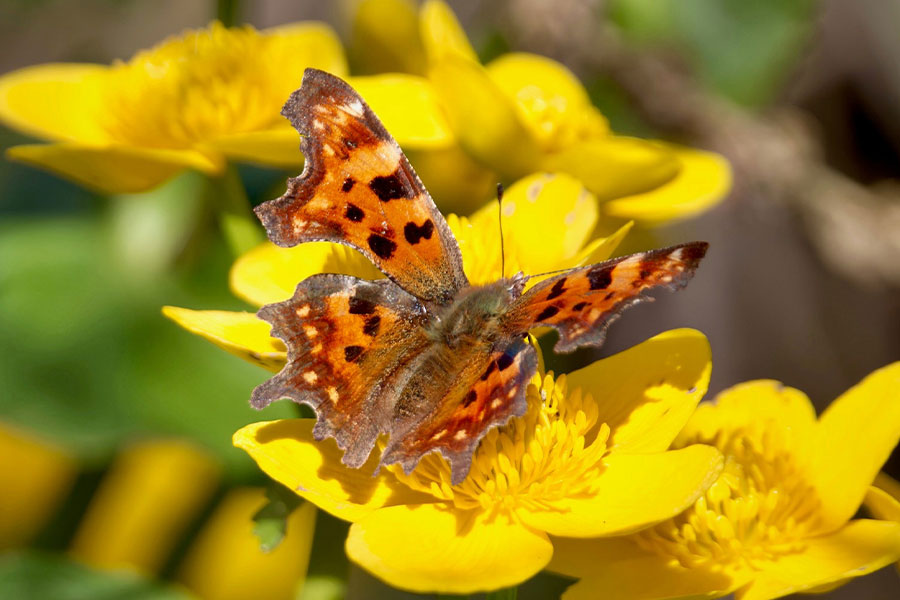 Comma butterfly © Jonathan Clark/WWT
Artificial tern rafts have been deployed, with interest mostly from common terns, but there has been a lot of movement in the birds; they are yet to settle. The number of breeding black-headed gulls remains low again this year, with a significant number nesting on the saltmarsh outside the reserve.
Research from Queens University Belfast has found that many seagrass meadows in Strangford Lough and along nearby coastlines are in poor condition. However at WWT Castle Espie the seagrass meadow is thriving. The key difference seems to be the water quality: reedbeds, wetland vegetation and willow trees on the reserve act as natural filters, ‘cleaning’ run-off before it reaches the sea. The research highlights the need for stronger protection and better management of pollution sources and recognising that marine conservation must extend beyond the shoreline.
Llanelli – a rarity magnet!
Migrant birds arrived early this spring, including swallows, sand martins, and a range of warblers bringing the wetlands to life with song.
Adding to the classic seasonal sounds, we had at least three cuckoos regularly in-song and some showing very well. Other exciting visitors included purple heron, American wigeon, glossy ibis, little stint, pectoral sandpiper and garganey.
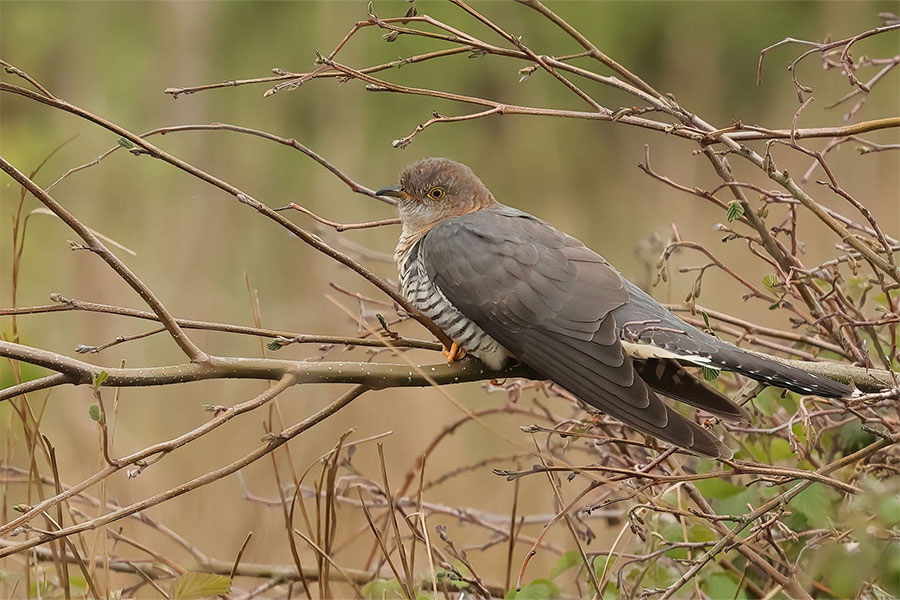 Female cuckoo © Neil Fermandel
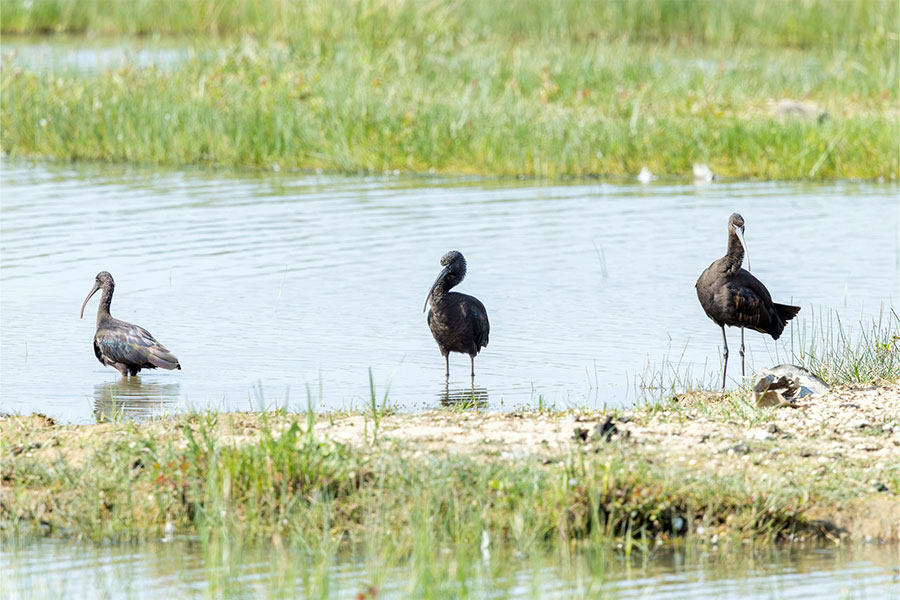 Glossy ibis group © Neil Fermandel
Courtship and breeding behaviour has been on show, from dancing great crested grebes to avocets pairing up, and little ringed plovers preparing to nest.
Spring colour has returned in the form of beautiful butterflies, such as orange-tip and brimstone on the wing. Wildflowers are present now too, with snake’s-head fritillary and southern marsh orchid in bloom. The first dragonflies and damselflies are now being seen too, signalling the shift from spring into early summer.
A full house at London
For the first time ever, our sand martin nest bank is fully occupied! All 95 nest chambers are in use. Many of the pairs that arrived in early April have already moved on to raising second broods – we're one of the top spots in the country to see breeding sand martin, with this nest bank existing for over 20 years.
While ringing the nestlings, we had the rare opportunity to catch an adult that had been ringed at the nest bank last year. This provides our first confirmed evidence of birds returning to the site year on year.
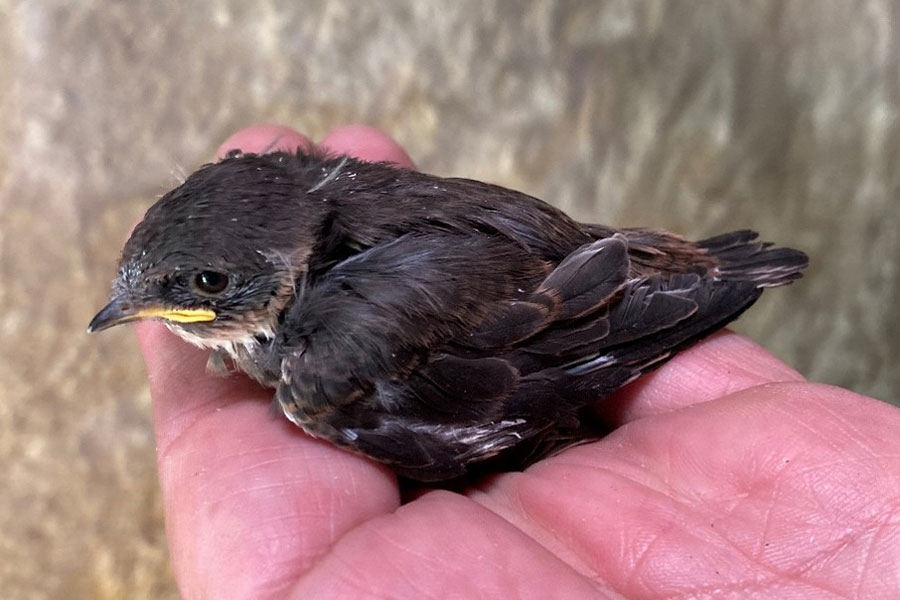 Sand martin chick © WWT
Off the back of the success of the sand martin nest bank, we’ve turned our attention to floating tern-nesting rafts. Constructed by our team of volunteers, these have now been installed on the Main Lake and the Reservoir Lagoon. Wonderfully, common terns have already shown an interest.
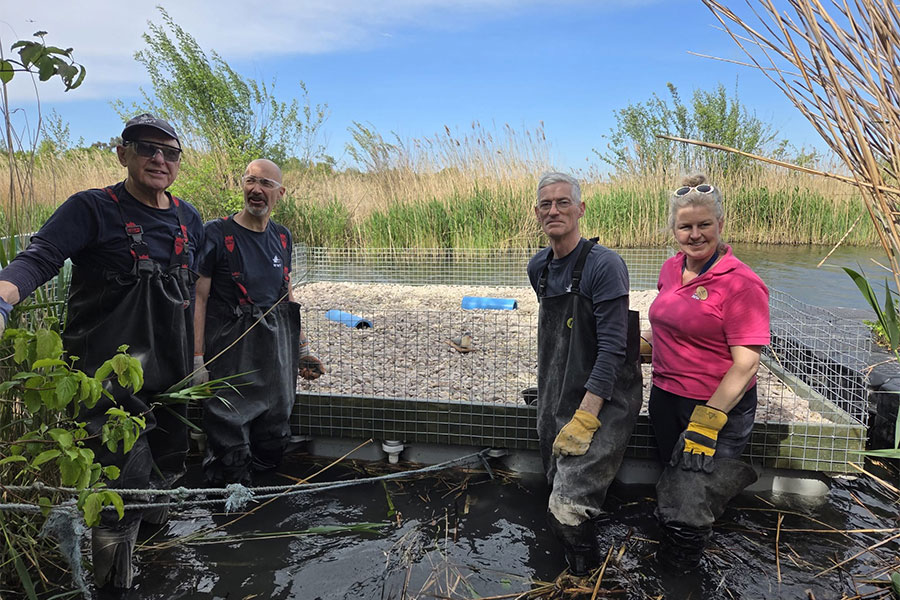 Tern raft installation © WWT
It’s also been a great spring for migrant waders on their way up to the Arctic. A spotted redshank arrived on 26 April, our first sighting of the species in ten years! On the same day, five wood sandpipers dropped by, remaining for four consecutive days; the longest stay we’ve recorded for this species here.
Hairy dragonfly is always the first of the season to emerge, with a peak count of 25 individuals at the beginning of May. We also recorded a beautiful young female demoiselle, which is an unusual sighting in London.
During a reptile survey in early May, 19 grass snakes were recorded, around double the number counted at the same time last year. Elsewhere, a new Dexter cow, Cocoa, has joined our conservation grazing team alongside the two existing cattle already on site. And rotovating work has been carried out on the marsh to create muddier habitat for waders, while also helping to break up areas of invasive Crassula overgrowth.
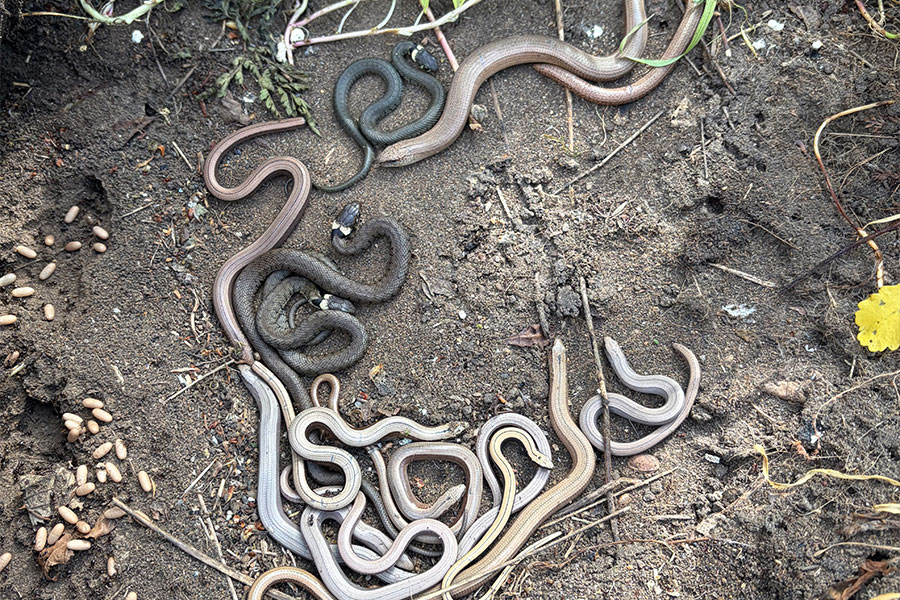 Small grass snakes among slow-worm friends © WWT
Booming brilliant at Martin Mere
It’s been a wonderful spring on the reserve so far, the highlight being three booming male bitterns! We have found one nest with four chicks. We wouldn’t have been able to achieve this without our funded project from our partners CMA CGM, where we’ve been working in the reedbed over the winter removing the scrub that is dominating and outcompeting with the reeds. The bitterns have definitely approved of our work.
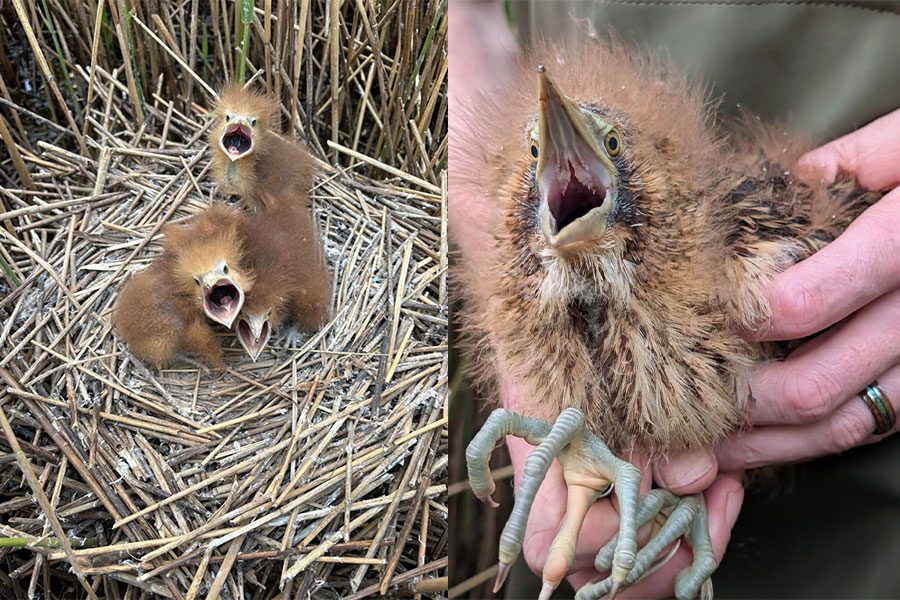 Bittern chicks © Louise Greenwood/WWT
Mediterranean gulls have attempted to breed at Martin Mere for the past six years but have never successfully hatched any young. This year, we have nine nests – so fingers crossed for our first ever chick. It’s been fantastic hearing the cat-like meow of these gulls calling around the reserve.
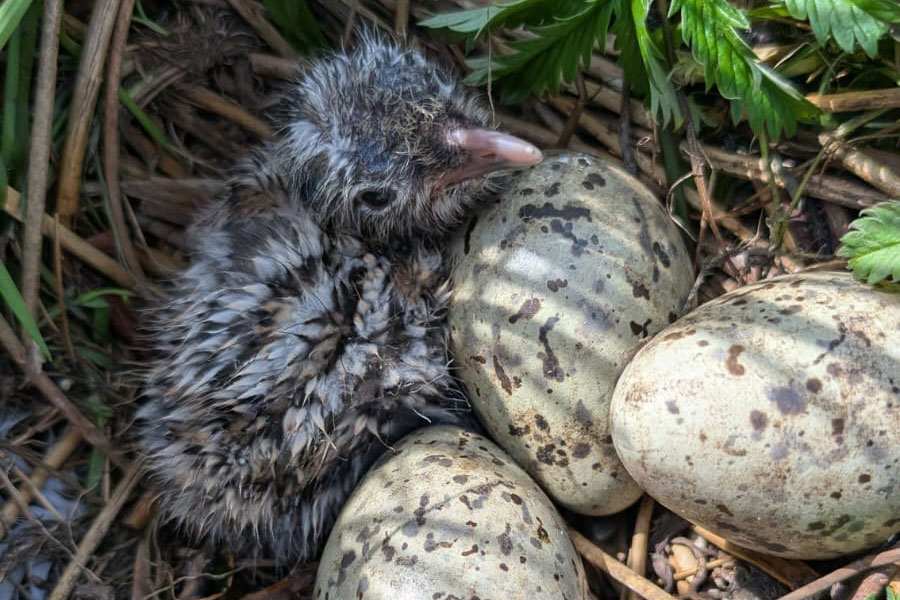 Mediterranean gull chick © Louise Greenwood/WWT
So far, we have 26 incubating avocets and a few more pairs still to lay so hopefully that number will continue to increase. We have a few avocet chicks walking around already. One of our pairs has a colour ring that we fitted to a chick in 2024, it’s so great to see that it has come back to breed at Martin Mere.
Unfortunately, not all the breeding waders at Martin Mere are doing so well. The lapwing normally fledge around one chick per pair but this year predation has been incredibly high, mainly from carrion crows and great egrets. We have had another dry spring and the lapwing chicks have been congregating around the last remaining pools of water. Unfortunately, this has made them easy pickings for the predators as a result of below-average rainfall.
In a hope to turn things around, this autumn as part of the CMA CGM-funding, we are going to focus on creating more wet areas for feeding wader chicks to use in subsequent springs.
The works will include installing water control structures to maintain a high water table; by increasing the groundwater level we will be able to maintain more wet areas for feeding. We will also be using a soil spreader to enhance existing, and create new, scrapes and ditches, providing perfect feeding areas so the chicks can be more spread out and find it easier to hide.
Migration in action at Slimbridge
Our winter ended with 37 Bewick’s swans still on site on 1 March; the last 15 left us ten days later. Trends for this species paint a concerning picture for the future, both at Slimbridge and Welney.
A warming climate is encouraging short-stopping - where birds no longer migrate as far west as they once did - together with ongoing population-level declines, fewer and fewer Bewick’s Swans are reaching the UK each winter. These changes are becoming increasingly evident in long-term monitoring data and raise important questions about the future of this iconic winter visitor on our wetlands.
Not long after our Bewick’s and white-fronted geese had departed, spring migration begun. From hirundines to terns, wagtails to warblers. It was an incredible year for spring wader passage; a huge count of 526 ringed plover were on the Severn on 19 May (with over 100 birds also using the Tack Piece), with dunlin, sanderling, bar-tailed godwits, knot and turnstone all stopping with us en-route up the estuary.
Scarcer species to drop by include bearded tit, osprey, Temminck’s stint, wood sandpiper, yellow-legged gull, black-winged stilts pair, curlew sandpipers, little stints and Arctic terns.
In breeding bird news, we’ve had four booming bitterns, with one regularly seen on the pillbox pool adjacent to the Estuary Tower. Three pairs of kingfishers were all feeding young and the first brood fledged by mid-May. Around 150 avocets were on the reserve, with 37 pairs on nests. There’s also been at least four Mediterranean gulls among the black-headed gull colony on the Rushy.
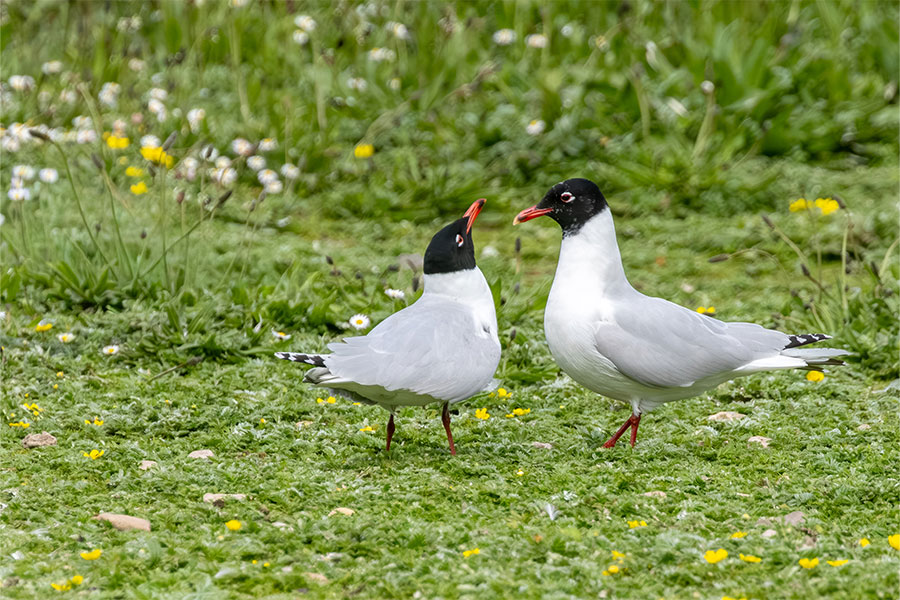 Mediterranean gulls on the Rushy © Terry Stevenson/WWT
Five pairs of cranes were on territory this spring; three pairs hatched young by mid-May and the fourth is expected to hatch at the end of May.
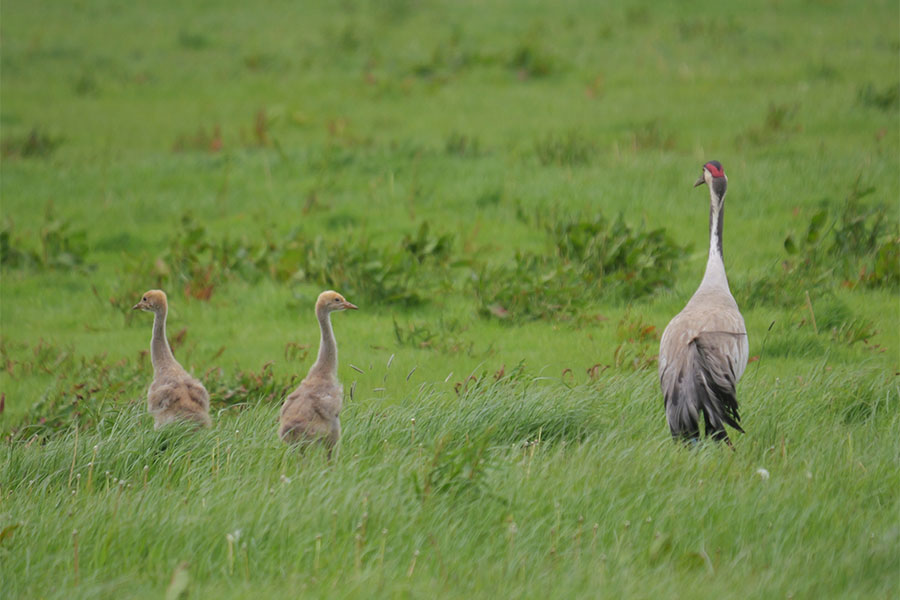 Crane family on 20 May © Martin McGill/WWT
Sadly, lapwing numbers continue to decline with just three breeding females on site. We do have three pairs of both redshank and oystercatcher breeding, but UK waders in general are of a high concern. We’re working with partners on the habitat and the water - pressure from droughts and predators mean that already small populations of these birds are under even more threat.
Cattle, great and little egrets were recorded throughout the period. Other than plumage, there was no evidence of nesting. One great egret bore a red darvic ring ‘AHH’ with records showing it was born on the Somerset Levels. We also had a good run of spoonbill during the spring, with at least six individuals seen on site.
Species spectacle at Steart
Our freshwater marshes have made a great leap forward this year with areas that historically had just a few species of grass and hard rush. These have developed into a much more diverse habitat of yellow-flag iris, floating sweet grass, marsh foxtail, common spike rush, false fox sedge, cuckoo flower, jointed rush, water speedwell, pond sedges, penny royal, meadow sweet along with many others.
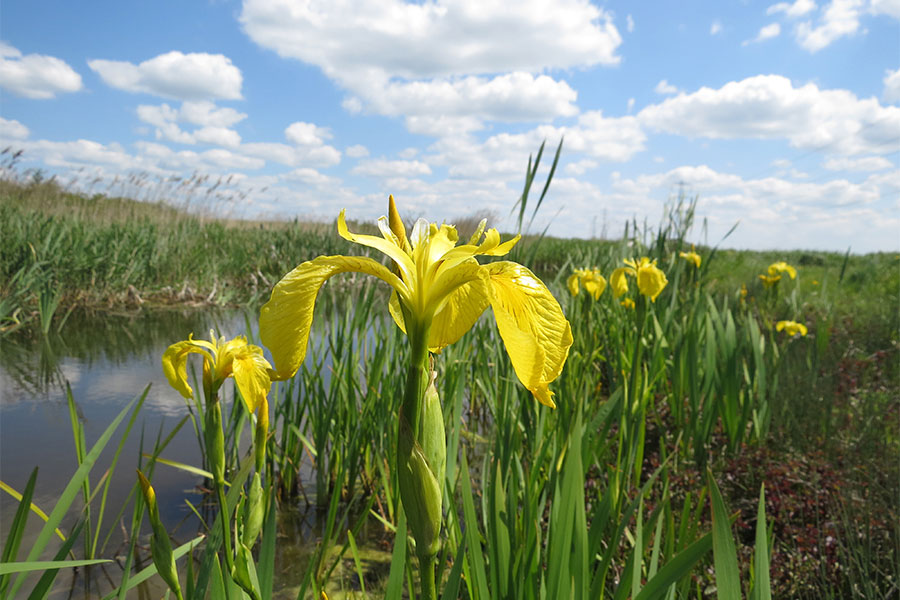 Yellow-flag iris at Steart © WWT
And there’s not just success with the reserve flora this spring. The new scrapes created as part of the Species Survival Fund have been busy with visits from black-winged stilt, green-winged teal and glossy ibis. They’re in regular use by avocet, lapwing, teal, gadwall, cattle egret and common sandpiper.
Our nesting waders are back with avocet, oystercatchers and little ringed plovers all nesting right in front of the Quantock hide. We’ve been prioritising maintaining the predator fence here, as well as livestock fencing all around the site, as they return after the wet winter.
Ecologists were undertaking water vole surveys in May, finding signs across the reserve. They will be back in September to do another extensive survey to further monitor the water vole distribution.
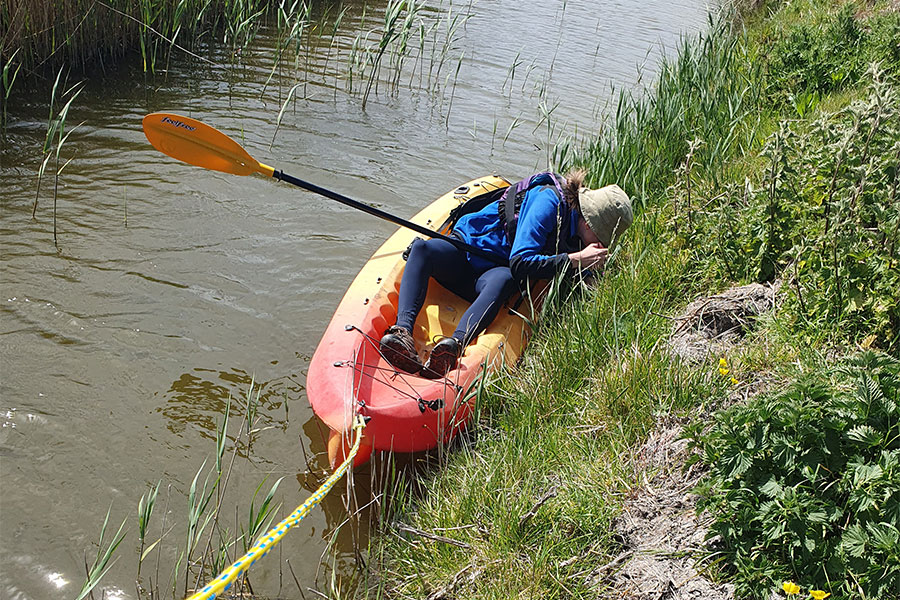 Water vole surveys need specialist vehicles © WWT
Our summer will consist of lots of vegetation management to maintain open water areas for dragonflies, damselflies and flowering plants. If you want to get closer to the marshes and the creatures that live within them, take a look at our What’s On page.
Willow tit wonders at Washington
A strong spring passage has produced some fantastic sightings, including two spoonbill, a black tern, a wood sandpiper and a black-tailed godwit.
It’s been a productive season so far for breeding birds, with our common tern colony very active. Little ringed plover has been seen displaying over Wader Lake and around 30 grey heron nests have been occupied since February, with many fledged young already visible.
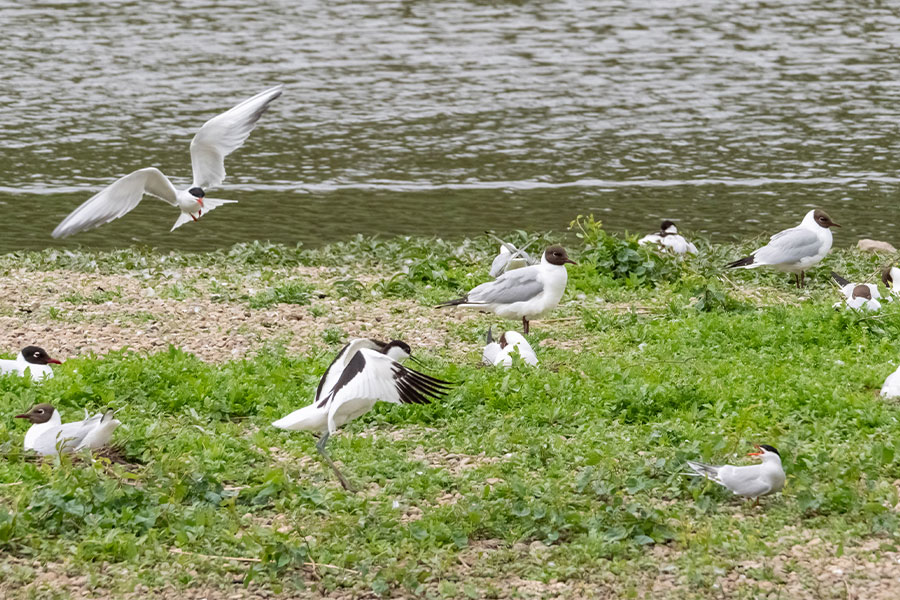 Busy nesting sites for common tern, black-headed gull and avocets © Ian Henderson/WWT
A closely monitored willow tit nest has provided valuable new insight into the breeding behaviour of this important and declining species. Continued observations should help inform future conservation efforts.
Warmer weather is beginning to bring invertebrates to life, with numbers of damselflies and dragonflies expected to increase steadily – by late May, four species of damselfly had already emerged. It has also been a strong spring for more unusual species, with sightings including brimstone and painted lady butterfly, as well as hummingbird hawk-moth.
Working with drought at Welney
Spring at Welney has seen the second consecutive year of drought conditions, with continual low rainfall in our region. Coinciding with cold northerly winds, Welney and the Washes is like an oasis in a dry arable landscape, concentrating wildlife.
Early spring conditions looked brilliant and very positive but due to combined stressors of drought, reliance on water abstraction, cold weather and a wide range of predators, productivity of wading birds such as snipe, redshank and lapwing will be low. 22 previously head-started black-tailed godwits returned along with wild, unringed birds. Several nests were found but predation resulted in egg loss.
In more positive news, we’ve had evidence of garganey breeding, 4 pairs of marsh harrier, bitterns (making great viewing from the Main Observatory), along with 5 pairs of whooper swans. These birds should be breeding in Iceland by now, but one partner of each pair has a damaged wing.
On the rarities, we had a peak of three black-winged stilts dropping in with us for a few days in April, and a buff-breasted sandpiper (American wader species) was found on 11 May. This was a first for Welney.
Great egrets, little egrets and spoonbills have been present all spring. Three herds of cattle (120 head in total) have arrived back since early May and about 300 more are to come over next few weeks – key works in conservation grazing.
Tansy beetles are still being recorded in good numbers – Welney is one of just three sites for the beetle in the UK.
Ready to get your nature fix?
Each of our centres offers the most wonderful wildlife encounters. And with spring just around the corner, there’s even more for you to see.
Not a member? Book online and save time on arrival.
Find your nearest wetland siteHeader image: Sand martin at Arundel © Alec Pelling