April has been active at WWT Arundel and the air is full of birdsong.
Warblers and sand martins returned, and a pair of marsh harriers are nesting in the reedbed again this year! Mallard ducklings, greylag and Canada goslings are waddling about with coot and moorhen chicks chase parents, screeching for morsels. The buzz of solitary and bumblebees drifts across the breeze, while your eyes enjoy the beauty of butterflies and damselflies on sunnier days!
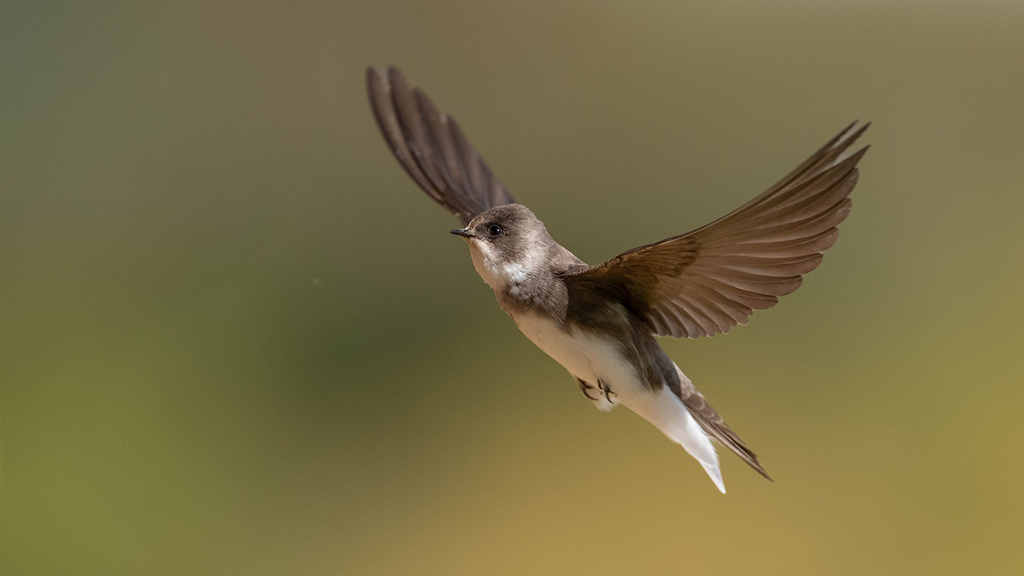
Sand martins return
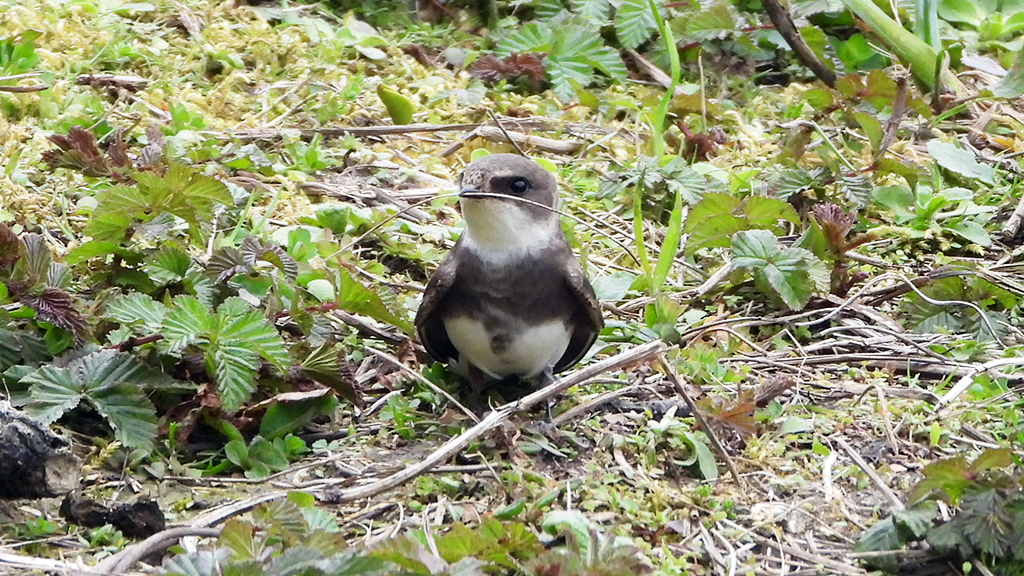
Spring has seen a strong and encouraging return of sand martins to WWT Arundel, with a handful of birds first appearing in late March. Those arriving in early April quickly got down to nest building.
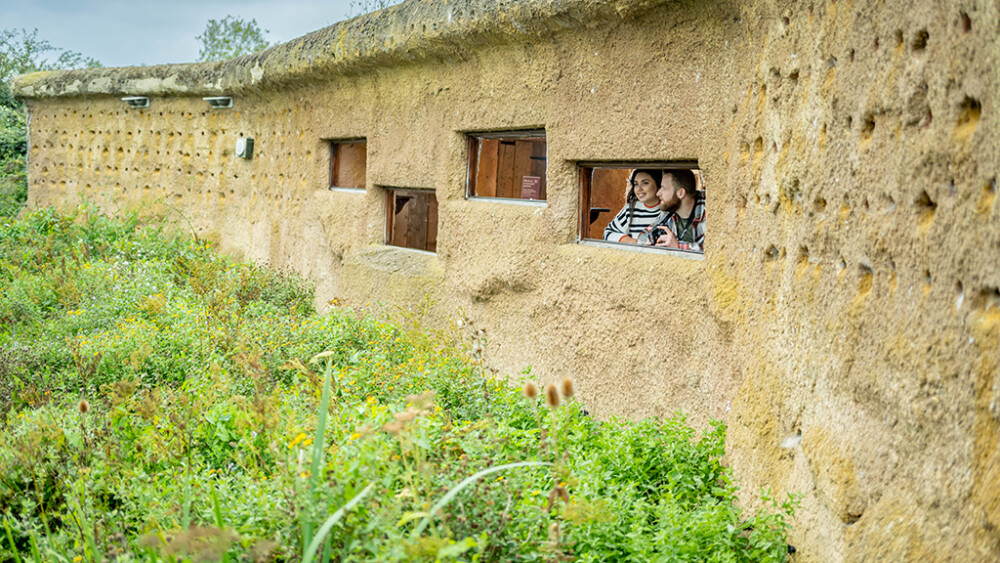
We watched sand martins collecting plant material from nearby islands and carrying it into nest holes in the banks of the Sand Martin Hide. Several of these holes have been used successfully every year since 2020, and last season 150 of the 299 available nest holes were occupied. This highlights the long‑term importance of the site for this migratory species. As April progressed, numbers steadily increased, with nest‑building activity expanding into the wings of the Sand Martin Hide.
By mid to late April, sand martins had become one of the standout features of the reserve. Their fast, acrobatic flight delights visitors, with flocks sometimes numbering over 100 birds swirling low over the water around the Sand Martin Hide and the Scrape. Feeding busily and popping in and out of nesting banks, their constant movement and calls bring real energy to the wetlands and signal that spring migration — and the breeding season — is well underway.
Oystercatchers nesting spots
A pair of oystercatchers returned to the wetlands in mid‑February. We usually welcome two nesting pairs each spring, and both appear to be onsite in April. Their bold black‑and‑white plumage and bright orange‑red bills make them easy to spot.
One pair seems to have chosen the roof of the Sand Martin Hide again for their nest. They have become rather more elusive in their nesting behaviour to avoid predators and have been the most successful pair on site for the last couple of years.
The second pair are nesting in Pelican Cove in the same spot they have tried for the past two years . They hasn't worked for them and this year there is a Canada goose pair in the area and pressure from predatory herring gulls attracted by the pelican's fishy dinners.
Oystercatchers create simple scrape nests on flat, open ground where they have clear views in all directions. They sometimes choose busy or ‘active’ areas as a way of reducing the risk from predators. In previous years, oystercatchers have nested among black‑headed gulls, which provide an extra layer of protection by raising the alarm when predators approach.
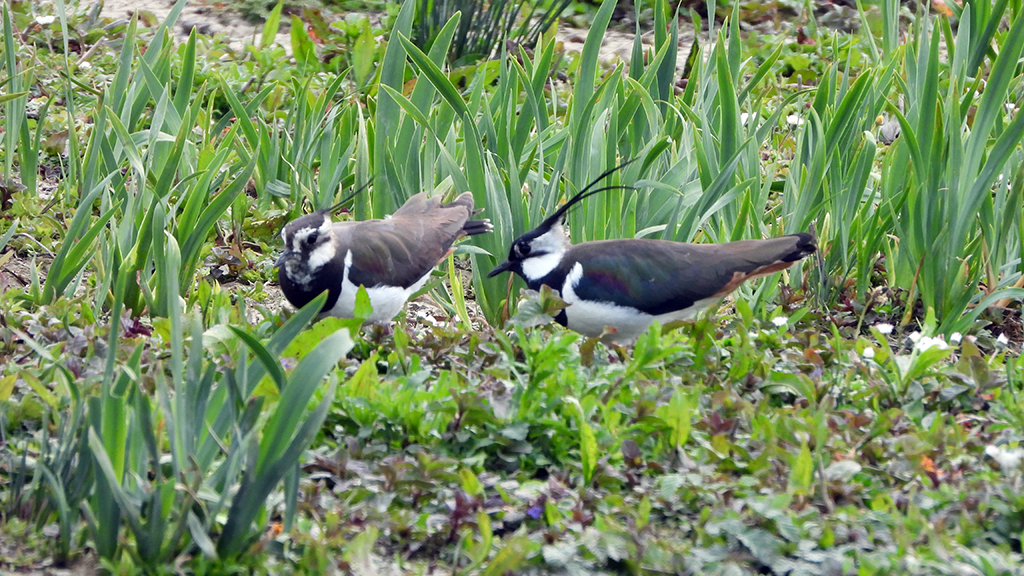
Look out for lapwing
Two pairs of lapwings remained at WWT Arundel after the winter flocks dispersed. One female appears to be sitting on a nest on the wet grassland, while the other pair have been seen mating and displaying.
Nest scraping is part of their display ‘dance’. Females lay four to five stone‑coloured eggs in these shallow scrape nests. Lapwings prefer areas of short vegetation, allowing them to spot predators early.
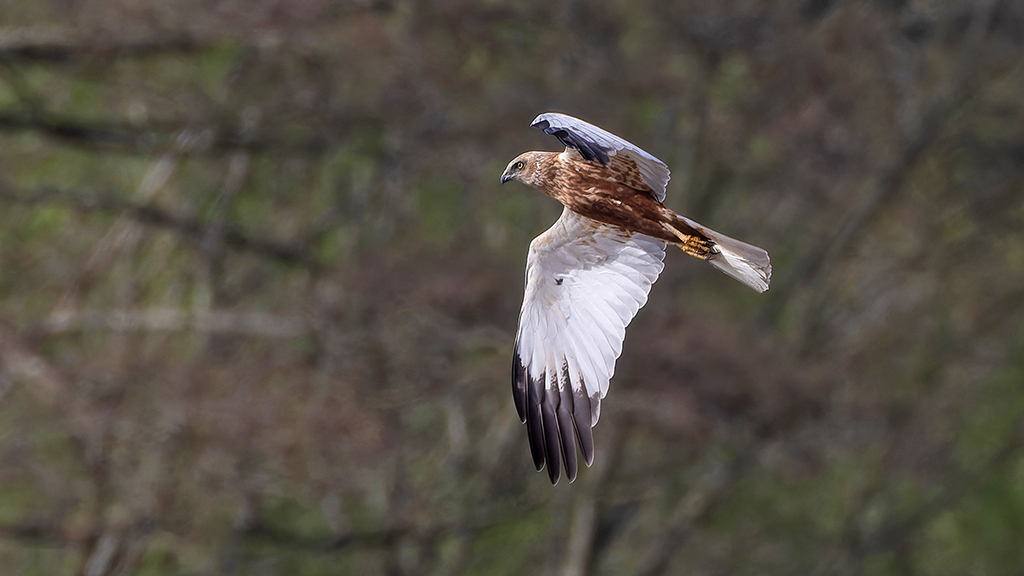
Marsh harriers in the reedbed
One or both birds from a marsh harrier pair have been showing well over the reedbeds on most mornings this spring. We have seen them carrying nesting material, suggesting the pair may breed onsite again.
2025 was the first confirmed year that marsh harriers fledged youngsters at WWT Arundel. From July, we were able to watch the pair raising three young, with noisy practice flights over the reedbeds — the first time juvenile marsh harriers had been recorded onsite.
Warblers and more
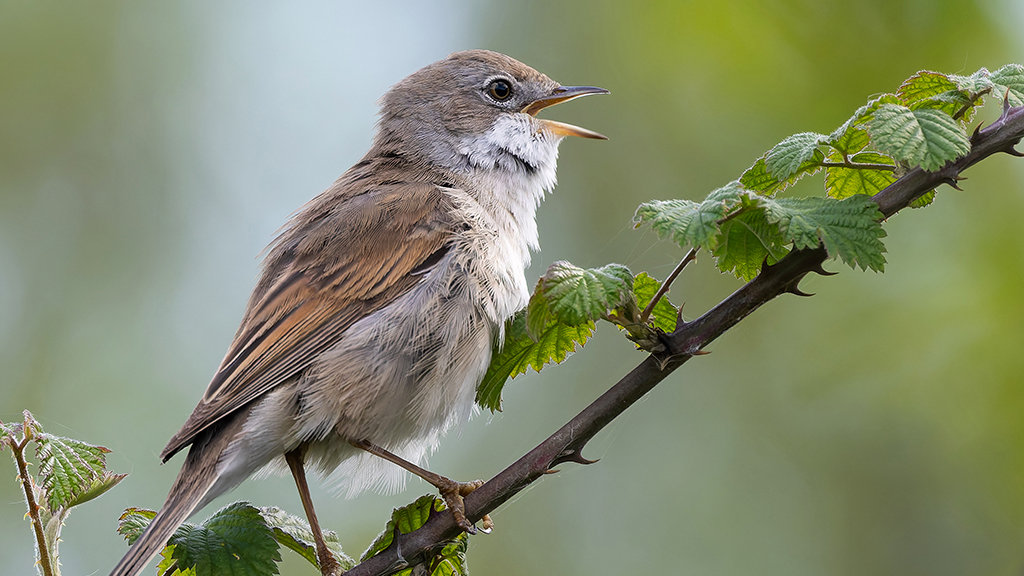
With spring in full swing, the reserve is alive with birdsong. Sedge and reed warblers have returned to breed, joining other warblers that have been singing for weeks, including blackcap, Cetti’s warbler and chiffchaff, with the occasional whitethroat now also heard.
A nightingale is still singing at the back of the Lost Reedbed and Mill Stream. If you are quiet, you may hear its song while in the Scrape hide. Tits and finches of various species are also busy singing and nest building — a wonderful sign that the breeding season is fully underway.
Buzzing about
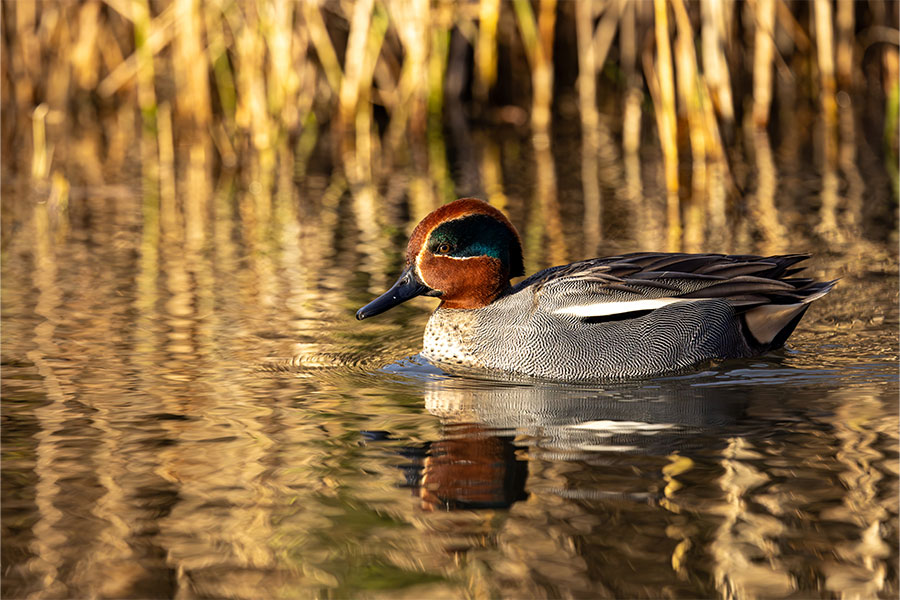
Butterflies including peacock, comma, red admiral, brimstone, common blue and orange tip, have been appearing on sunnier days and in the past week or so we have seen the emergence of large red damselflies. A few hairy dragonflies have been spotted as well. Don't miss our May Moth Morning on May 13 to help the team ID the moths or just get some amazing close-ups with your camera.
Surveys season starts
The Reserve Team ran their first bat survey of the year on the warm, calm evening on April 8. It started well with the fantastic scene of six noctules bats flying overhead around the car park and the emergence of 28 soprano pipistrelles from one of the boxes at the same time. Other bats recorded on the survey included common pipistrelles, Daubenton’s, brown long-eared and other Myotis species (likely whiskered bat).
The April reptile survey showed that grass snakes are active, with juveniles spotted. Four water vole latrines showed activity on the survey on Sun 26 April. Three spots with activity were on the Wetland Discovery area and the fourth was on the Wet grassland near the lapwing hide.