May is one of the most exciting times to watch wildlife at your favourite wetland centre.
With spring in full swing and wildlife activity at its peak there's something to discover around every corner.
Bloomin' beautiful
As you explore, you’ll be greeted first by the vibrant colours of late spring, with a stunning array of wildflowers in full bloom. Ragged robin, cowslip, yellow flag iris, cow parsley, speedwells, forget-me-nots and marsh marigold are all adding splashes of colour across the landscape, creating a beautiful backdrop for your visit.
On the wing
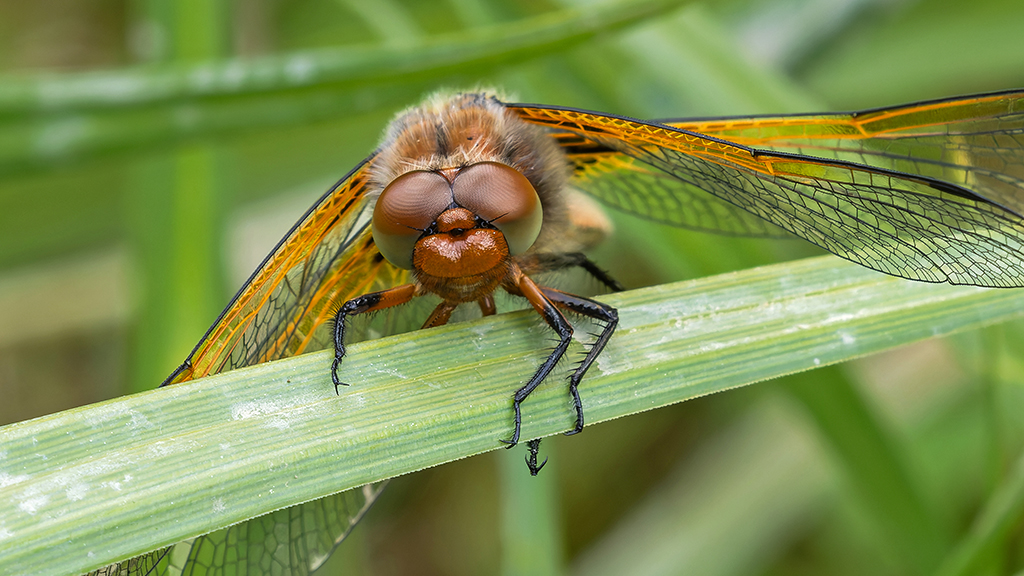
Insects are also making the most of the warmer weather. Large red damselflies have been on the wing for several weeks and are now joined by azure, blue-tailed and common blue damselflies, as well as impressive species like hairy dragonflies and broad-bodied chasers. Butterflies are abundant too, with visitors likely to spot peacock, orange-tip, red admiral, large white, small white, green-veined white, speckled wood, common blue and dingy skipper fluttering through sunny spots.
Under the water
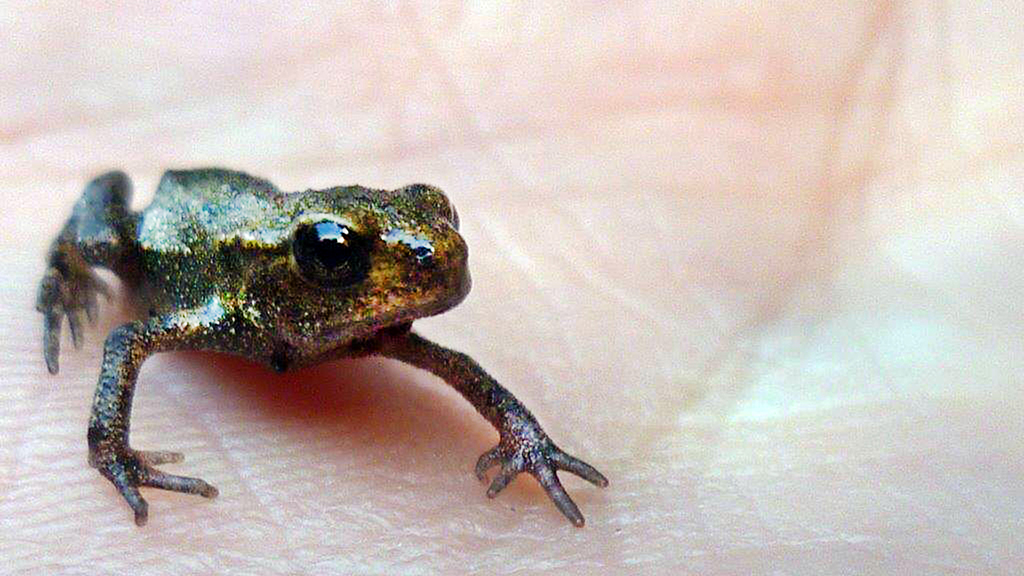
The ponds near the entrance continue to delight visitors, with their thriving population of tadpoles. These are developing well and many are now starting to grow their back legs as they begin their transformation into toadlets—a fascinating process to watch. It’s a great opportunity to see the lifecycle of amphibians up close, but an important reminder remains: tadpoles must not be taken from the reserve, as moving wildlife can spread disease and harm local populations.
On the nest
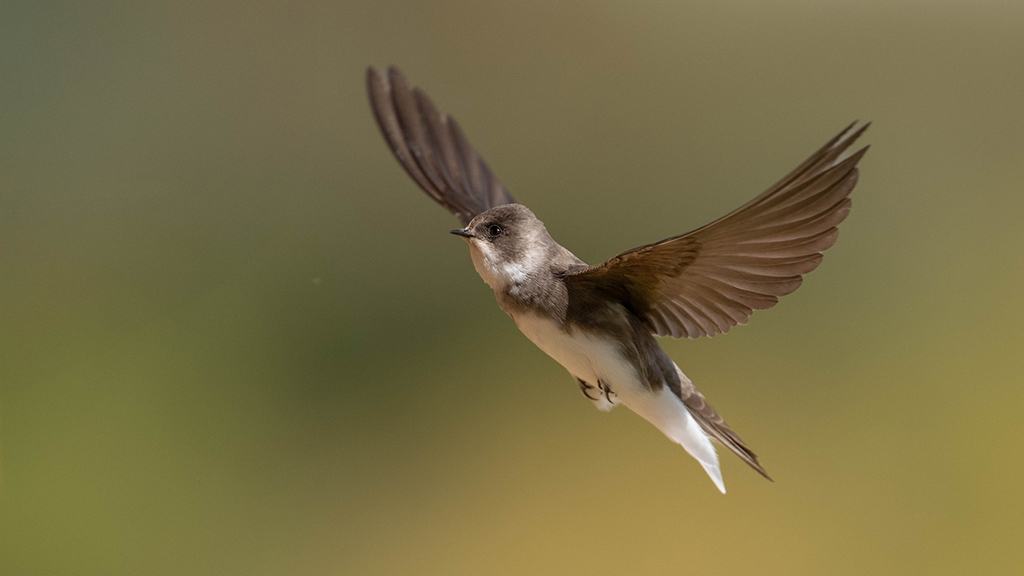
Birdlife is, as always, a major highlight at WWT Arundel. Two pairs of oystercatchers are now nesting in their usual spots at Pelican Cove and on the roof of the Sand Martin Hide. The sand martins themselves are a real spectacle, with constant activity around the nesting wall as they gather food and materials, darting in and out in a blur of movement. Nearby, black-headed gulls are busy constructing nests on the islands, while the reedbeds echo with the songs of sedge warblers, reed warblers and Cetti’s warblers. They are joined by blackcaps, whitethroats, numerous chiffchaffs and the occasional willow warbler, creating a rich and lively spring chorus.
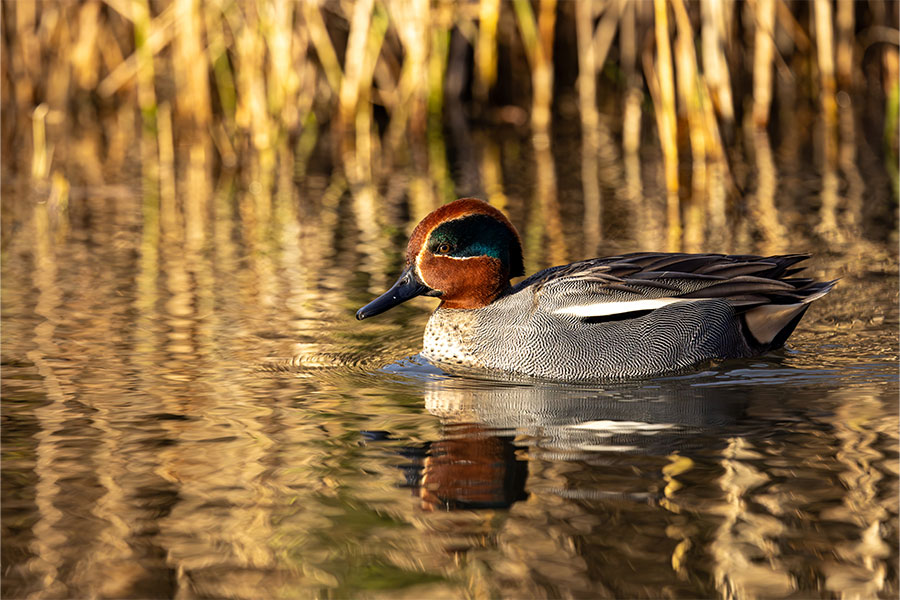
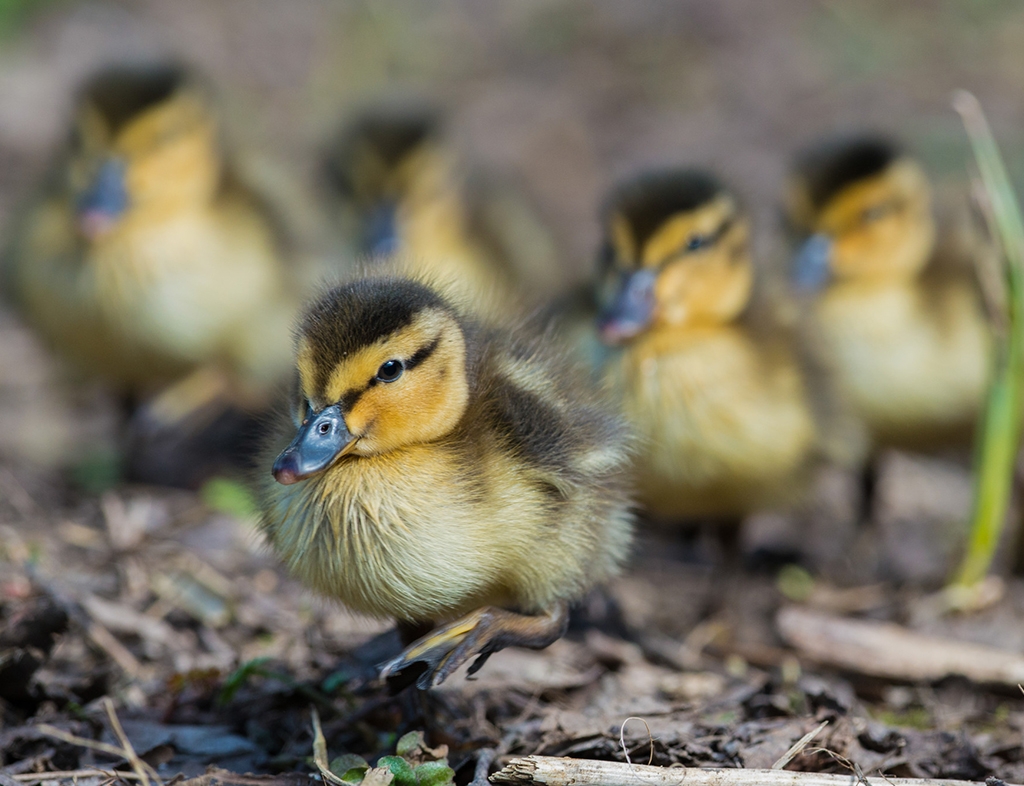
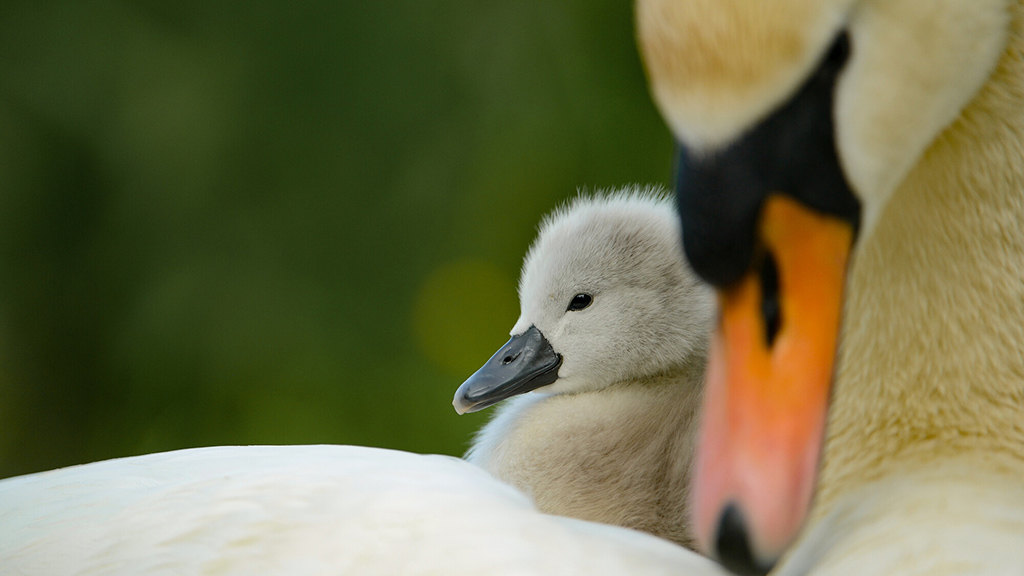
Overhead, the resident pair of marsh harriers are showing encouraging signs of breeding once again, often seen gliding low over the reeds. Across the wetlands, waterbirds remain plentiful, and perhaps most charming for visitors are the many young birds now appearing. Goslings, ducklings and cygnets can be seen across the site among Canada geese, greylag geese and mallards, offering lovely seasonal moments.
On survey
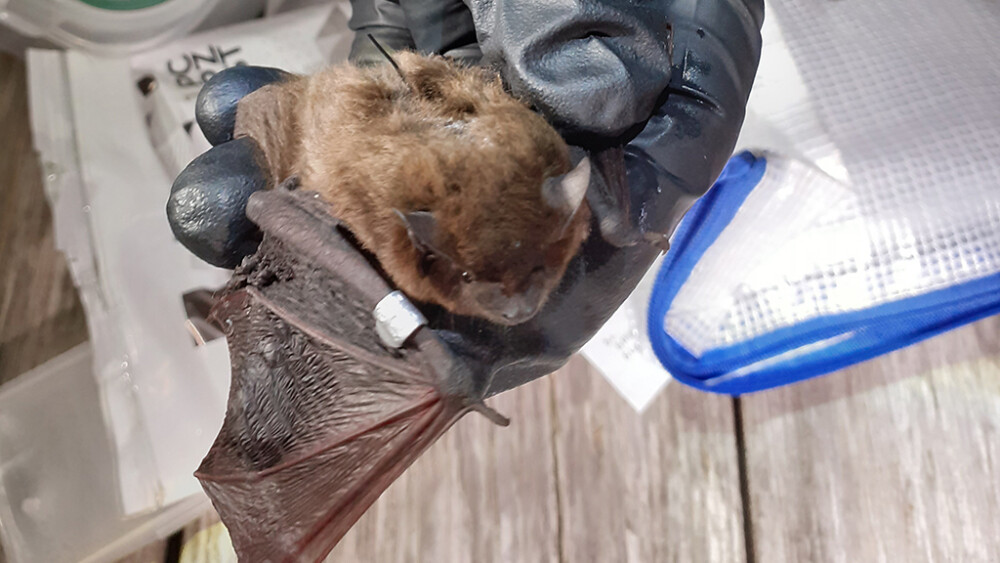
As the days stretch into evening, another side of the reserve comes alive. Our latest bat surveys have revealed an excellent range of species already active this year, including noctules, soprano pipistrelles, common pipistrelles, Daubenton’s bats, brown long-eared bats and whiskered bats. The wardens say watching bats emerge at dusk is a magical experience and highlights the importance of the reserve for nocturnal wildlife. Elsewhere, our wildlife surveys show encouraging signs for other species too, with evidence of water voles along the Wet Grassland and sightings of grass snakes basking under refugia.
With flowers in bloom, insects on the wing, birds in full song and young wildlife waddling by, May half term is a truly wonderful time to experience the reserve. Whether you’re visiting for a peaceful walk or a family day out, there is something special waiting to be discovered.