June brought a burst of life and activity across WWT Arundel Wetland Centre, with the reserve alive with breeding birds, newly fledged youngsters, and some truly memorable wildlife encounters.
From dramatic aerial encounters over the reedbeds to the quiet success of nesting colonies, it’s been a month that perfectly captures the energy of early summer.
A seasonal spectacle: toadlet emergence
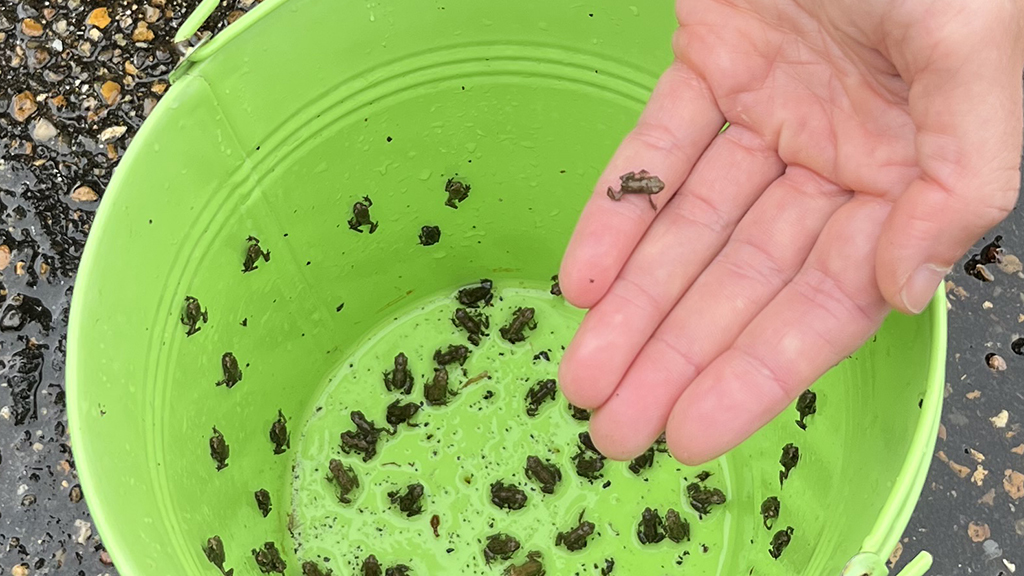
The month began with one of nature’s quieter but magical moments: toadlet emergence. Warm, damp conditions created the perfect trigger for thousands of tiny, newly formed toads to leave the ponds and begin life on land.
Visitors on 2 June were asked to tread carefully, especially along the main path from the car park, as these tiny amphibians—perfectly camouflaged against the ground—made their journey. Thanks to the careful work of reserve staff and volunteers, many were safely guided on their way, giving them the best possible start in life.
Barn owl chicks growing fast
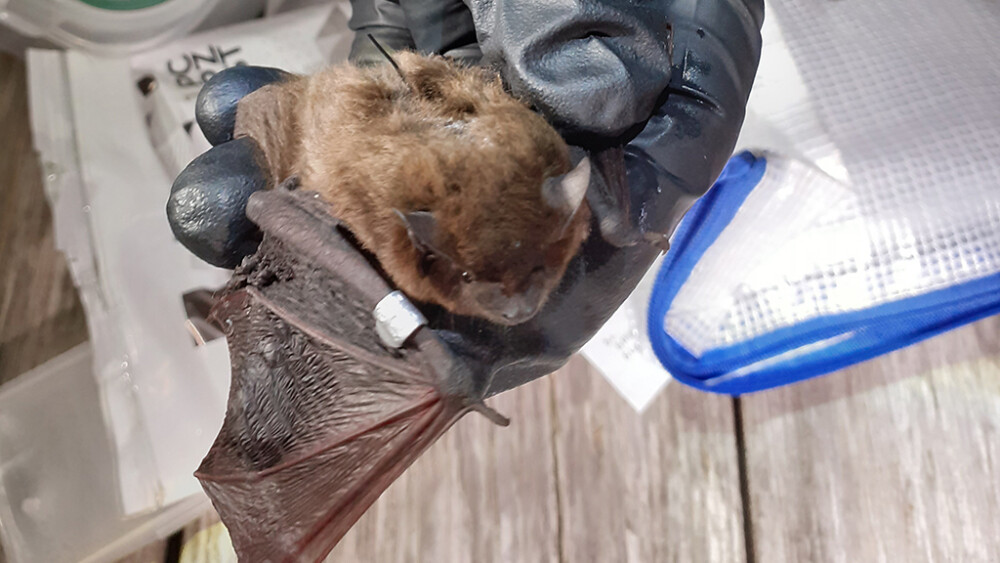
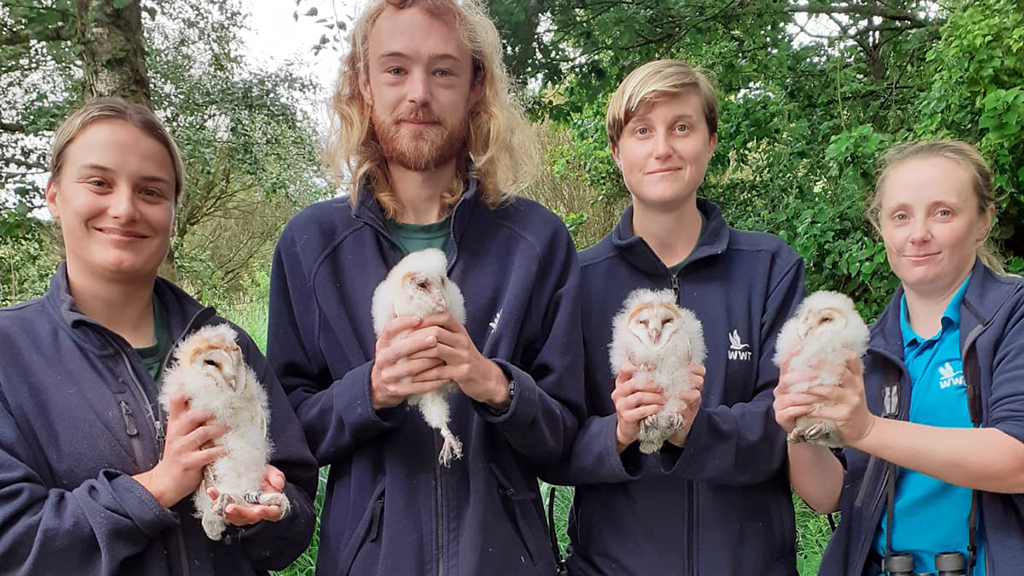
It’s been an exciting time for barn owls on the reserve. On 5 June, four wild barn owlets, estimated at 35–44 days old, were briefly handled for leg ringing before being safely returned to their nest box.
Adding a touch of personality, the team gave them bread-themed names that used the letters on their leg-rings: Cupcake, Loaf, Naan, and Panini. (see above photo) These young owls are a reminder of the vital conservation work taking place on site and the success of providing safe nesting spaces.
Drama over the reedbeds: marsh harrier vs white-tailed eagle
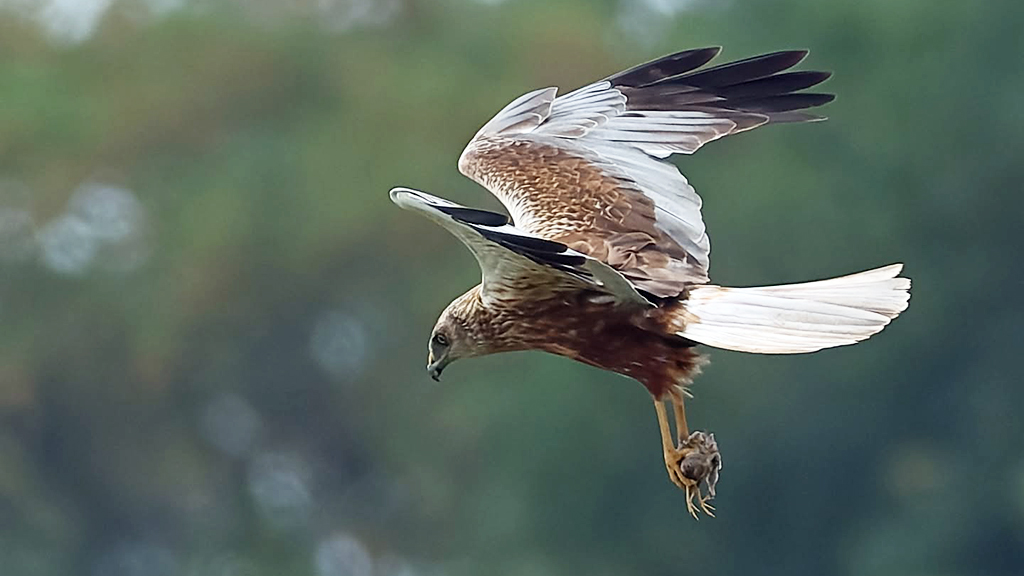
The skies above the reedbeds have been particularly lively. A male marsh harrier was spotted carrying prey near Scrape Hide—we know they are nesting nearby. Even more dramatic was its behaviour towards a passing white-tailed eagle.
Seen on 9 June circling over the reserve before drifting toward Offham Hangers, the eagle was repeatedly mobbed by the resident harrier. This encounter highlighted not only the territorial nature of breeding birds but also the ecological importance of the reedbed habitat.
A season of success for nesting egrets
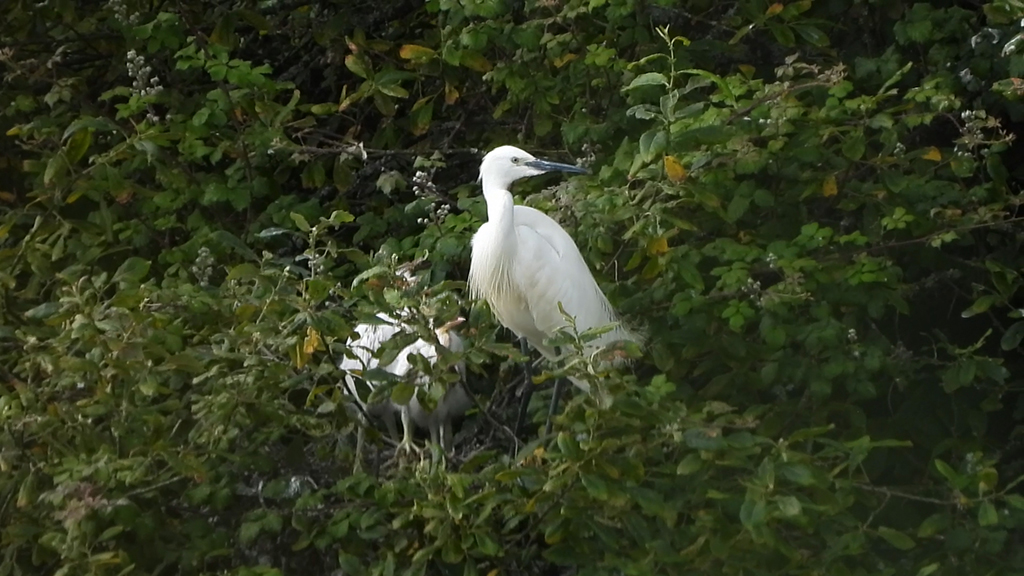
There’s encouraging news for little egrets and cattle egrets, which appear to be forming a small mixed colony. Up to five little egrets have been seen nesting alongside a cattle egret, with chicks already visible.
This is particularly exciting as little egrets are relatively recent breeding additions in the UK. The sight of juveniles near nest edges shows that the wetlands are providing ample food and safe conditions for raising young.
By late June, sightings included three adults with five young.
Busy colonies: gulls, sand martins, and more
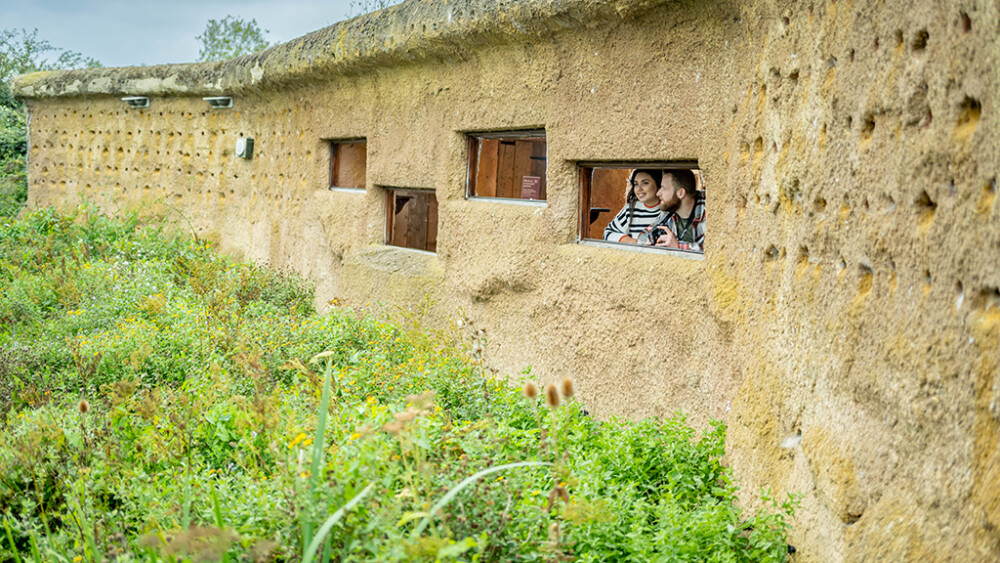
The sand martin colony has been one of the reserve’s most vibrant features this month. Around 100 birds have been recorded at the Sand Martin Hide, using the majority of the 299 nesting holes. Their constant flight and chatter create a lively atmosphere, with birds feeding low over the water. There are sand martins using the kingfisher bank on the Arun Riverlife Lagoon as well this month.
Equally noisy and energetic, the black-headed gull colony has had a strong breeding season. Large numbers of chicks—up to 46 recorded in one count—fill the islands between Ramsar and Sand Martin Hides.
Their camouflaged chicks, visible on the islands, are a reminder of how quickly young birds grow at this time of year, with many already taking to the water or and flying.
Waders and waterbirds thriving
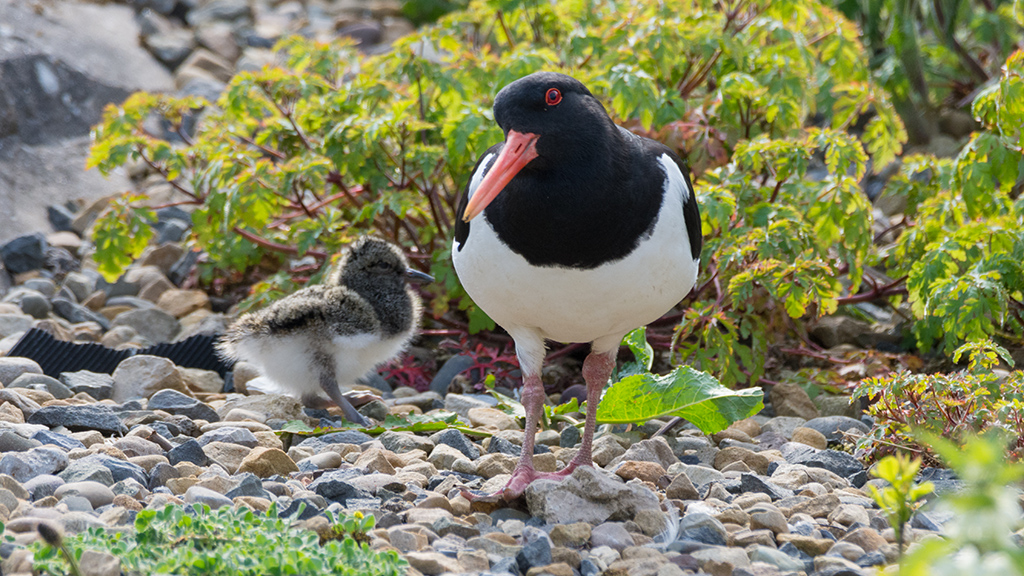
The oystercatchers are also having a productive season. At Sand Martin Hide, a pair continues to guard their one remaining closely, while another pair at Arun Riverlife Lagoon remains on the nest after a later start.
Across the reserve, there’s no shortage of young birds:
- Mute swans with cygnets
- Mallards, gadwall, and tufted ducks with broods of ducklings
- Moorhens raising second broods
- Juvenile geese roaming paths
A reserve at its seasonal peak
June offers a vivid snapshot of WWT Arundel at the height of the breeding season. There’s a sense of constant motion—adult birds feeding young, fledglings taking their first flights, and territories being defended.
From the high drama of raptors clashing overhead to the quieter triumph of nesting colonies and emerging amphibians, the reserve is thriving. Whether you’re watching marsh harriers over the reedbeds, listening to the chatter of sand martins, or spotting tiny toadlets underfoot, every visit this month reveals something special.